
To decide whether to switch your baby to Awibi diaper pants, you must weigh the balance between daily diapering costs and specialized performance. Awibi diaper pants offer a compelling, budget-friendly alternative for standard daytime use, while legacy brands like Pampers and Huggies continue to lead in premium, high-demand scenarios such as overnight wear or highly active play.
Choosing the right diaper pants is rarely a one-size-fits-all decision, as exact performance depends heavily on the specific product tiers you are comparing. For instance, comparing a standard daily-use diaper to a specialized overnight line will yield different results than comparing two baseline options. A successful switch relies on understanding your baby’s specific wetting patterns, skin sensitivity, and your household’s monthly diapering budget.
For many parents in Singapore, managing diapering costs involves finding a reliable daytime option that allows for frequent changes without straining the wallet. If your child has standard wetting patterns and does not experience severe skin sensitivities, transitioning to a budget-friendly alternative like Awibi can yield substantial savings. However, if your baby is prone to heavy overnight wetting or requires advanced hypoallergenic materials, sticking to established legacy brands for those specific needs remains the most practical choice.
Products mentioned in this guide
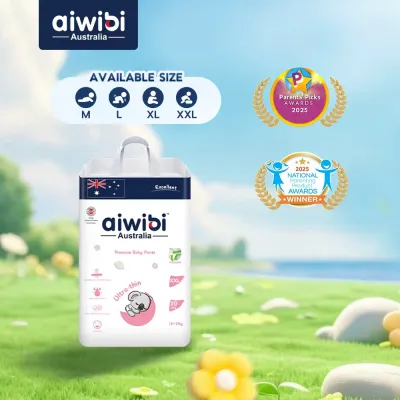
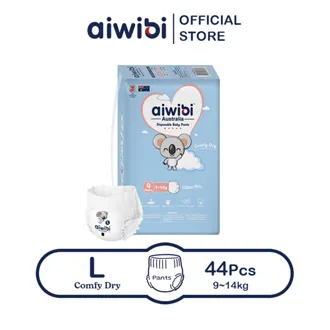
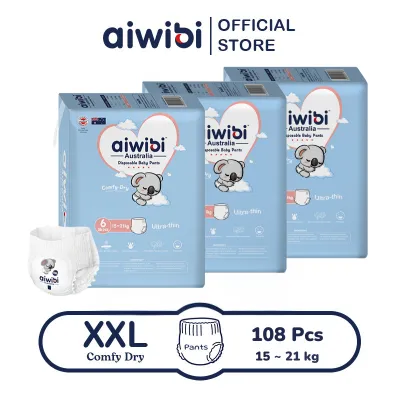
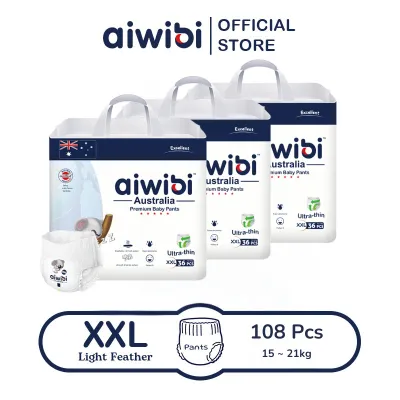
![[6 Free 1 Pack] Carton deal Aiwibi Natural Premium Big Pack Diaper Pants Baby diaper Ultra-thin Soft diapers - M/L/XL/XXL/XXXL](https://img.lazcdn.com/g/p/fdd9cb12ad70d58d6fe8d1c6d7f7c7cd.png_400x400q80.png_.webp)
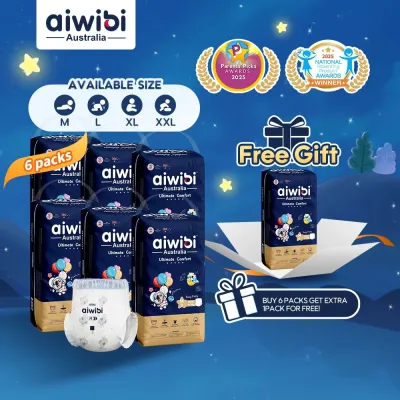
![[5 Packs Bundle FREE 1 Pack!] Aiwibi Premium Swimming Pants Diapers](https://img.lazcdn.com/g/p/20c1bb883612a3cb408e38b58e08bcd3.png_400x400q80.png_.webp)
Prices are valid at publication and may change. Please refer to the product page for the latest price.
Absorbency and Leak Protection Compared
Evaluating moisture management is critical when selecting diaper pants for your child. Modern disposable diaper pants rely on a combination of Superabsorbent Polymers (SAP) and wood pulp to draw wetness away from the skin and lock it inside the core. Legacy brands like Pampers and Huggies have spent decades refining their core distribution channels, which are designed to distribute liquid evenly across the diaper rather than letting it pool in one spot. This channel technology helps prevent the diaper from sagging and clumping between the baby’s legs, which can restrict movement and cause leaks.
When evaluating Awibi diaper pants alongside these established brands, it is important to understand how different designs handle sudden, heavy surges of wetness. Premium legacy lines often feature specialized acquisition layers that quickly pull liquid down into the SAP core, keeping the top sheet dry to the touch. Standard diaper lines, including many budget-friendly alternatives, may take slightly longer to absorb large volumes of liquid at once, which can occasionally lead to surface dampness if the diaper is not changed promptly.
To understand what a diaper can handle, caregivers should learn to read packaging claims carefully. Phrases such as “overnight protection” or “up to 12 hours of dryness” are highly conditional and depend on your baby’s age, liquid intake, and sleeping position. Wetness indicators, which change color when exposed to moisture, are highly useful features found on most modern diaper pants, including Awibi. However, these indicators only show that wetness is present; they do not measure whether the diaper’s maximum absorption capacity has been reached.
Rather than relying solely on manufacturer claims, you can easily implement a practical testing framework at home to evaluate leak protection. First, monitor how the diaper behaves after a typical three-hour wear period during the day. Check for premature sagging, which indicates that the absorbent core is clumping rather than distributing moisture evenly. Second, gently press a dry paper towel against the inner lining of a wet diaper during a change; if the towel remains mostly dry, the diaper is successfully locking moisture away. Finally, monitor the frequency of morning leaks over a one-week trial period to determine if the diaper can handle overnight duty.
Keep in mind that your baby’s absorbency needs will change significantly as they grow. A diaper that provides flawless leak protection for a six-month-old may fail to keep up with the larger, more concentrated bladder releases of a toddler. As your child transitions to higher size brackets, the volume of SAP in the diaper increases, but so does the demand on the diaper’s distribution channels. If you notice consistent leaking despite a proper fit, it is often a sign that your child’s bladder capacity has outgrown the absorbency limits of that specific diaper tier.
Fit, Comfort, and Skin Sensitivity
How diaper pants fit your baby’s unique body shape directly impacts both leak prevention and overall comfort. Diaper pants rely heavily on the elasticity of the waistband and the flexibility of the leg cuffs to create a secure seal. Legacy brands like Huggies are widely recognized for their robust, high-stretch waistbands that hug the lower back, which is particularly effective at preventing blowout leaks during active play. Pampers, conversely, often features a slimmer, more contoured cut designed to minimize bulk and allow for maximum leg movement.

Awibi diaper pants generally offer a softer, more relaxed elastic tension that appeals to parents looking for a gentle fit that does not leave deep red marks on the baby’s skin. However, a softer elastic can sometimes result in a looser fit if your baby is exceptionally active or falls on the lower end of a specific weight range. When comparing brands, pay close attention to the leg cuffs; they should feature double-layered leak guards that stand upright and wrap snugly around the thigh crease without digging into the skin.
In Singapore’s hot and humid tropical climate, material breathability is a paramount concern for preventing diaper rash. High humidity can trap heat and moisture inside the diaper, creating an environment where bacteria and yeast thrive. Premium diapers address this by utilizing micro-porous outer covers that allow hot air to escape while keeping liquid safely contained. When handling different diaper pants, feel the outer and inner layers; a stiff, plastic-like texture usually indicates lower breathability, whereas a soft, fabric-like feel suggests better air circulation and reduced skin friction.
Skin sensitivity is highly individual, and what works perfectly for one baby may cause irritation for another. Caregivers should actively verify the specific labels on diaper packaging rather than assuming all brands offer identical skin protections. Look for explicit terms such as “dermatologically tested,” “hypoallergenic,” and “fragrance-free.” Many legacy brands offer dedicated sensitive-skin lines that omit lotions, latex, and elemental chlorine. If your baby has highly reactive skin, introduce any new diaper brand slowly and monitor the diaper area for redness or irritation after the first few changes.
Sizing standards can vary dramatically between manufacturers, making it risky to rely solely on the letter size (such as M, L, or XL) when switching brands. A size Large in Awibi diaper pants may have a completely different physical dimension and weight range than a size Large in Pampers or Huggies. Always consult the manufacturer’s size chart printed on the packaging, which correlates size with the baby’s weight in kilograms. If your baby is approaching the upper weight limit of their current size, or if you notice the waistband sitting too low on their hips, it is time to transition to the next size up.
Price per Diaper and Overall Value
To accurately assess the financial impact of switching diaper brands, you must look past the upfront price of a single pack and calculate the true cost per diaper. This is achieved by dividing the total price of the pack by the exact number of diapers inside. Because manufacturers frequently pack different quantities of diapers into their bags based on the size and product tier, comparing pack-to-pack prices can be highly misleading. A cheaper pack that contains fewer diapers can easily end up costing more per change than a slightly more expensive pack with a higher diaper count.
In the Singapore market, diaper pricing generally falls into distinct tiers. Premium legacy options often sit at a higher price point per unit, reflecting their advanced channel technologies and extensive brand marketing. Budget-friendly alternatives like Awibi typically position themselves at a lower price per diaper, offering an attractive entry point for cost-conscious households. To maximize this value, consider purchasing in bulk or setting up recurring subscription services on major e-commerce platforms, which often yield additional discounts and free delivery.
Shopping during major online sales events, such as mid-year campaigns or monthly double-day sales, is another highly effective strategy for reducing diapering costs. Many brands offer exclusive bundle deals or promotional vouchers during these periods. However, always double-check the diaper count in promotional bundles, as manufacturers sometimes adjust pack sizes specifically for these events. Keeping a simple spreadsheet of your preferred brands’ cost-per-diaper rates during sales will help you quickly identify genuine discounts.
When evaluating overall value, you must also factor in the hidden costs associated with poor diaper performance. A diaper that is cheap up front but suffers from frequent leaks or poor absorbency can quickly become expensive. Frequent leaks result in increased laundry loads, which drives up water and electricity consumption. Furthermore, a diaper that fails to keep the skin dry can lead to diaper rash, requiring expensive medicated creams and potential visits to a pediatrician. If a budget-friendly diaper requires you to change your baby twice as often to prevent leaks, the financial savings of the lower unit price are completely negated.
Decision Framework: Which Diaper Pants Should You Choose?
To simplify your purchasing decision, use this condition-based framework to determine which diaper pants align best with your baby’s needs and your household priorities.
Choose Awibi if:
- You want to optimize your daily budget: You are looking for a highly cost-effective option for daytime wear where frequent, routine changes are already standard practice.
- Your baby has standard wetting patterns: Your child does not experience heavy, sudden surges of wetness that require advanced core distribution channels.
- You prefer a softer, gentler fit: Your baby has a rounder build and benefits from a more relaxed, less restrictive elastic waistband.
Choose Pampers if:
- You require a slim, contoured design: Your baby is highly active and needs a diaper that fits closely to the body to prevent bulkiness between the legs.
- You value proven channel technology: You want consistent, rapid wetness distribution that keeps the diaper core stable during movement.
- Your child has a slender build: You find that wider, roomier diaper cuts tend to gap at the thighs and cause leaks.
Choose Huggies if:
- You need maximum waistband security: Your child is an active crawler or toddler, and you require a firm, high-stretch waistband to prevent sagging and back blowouts.
- Overnight protection is your top priority: You need a heavy-duty absorbent core that can reliably handle long, uninterrupted sleep stretches.
- You prefer a structured, snug fit: You want double-layered leg guards that offer a highly secure seal around the thighs.
Verify first if:
- Your baby has highly sensitive skin: If your child is prone to eczema or severe diaper rash, buy a small trial pack first to test the material compatibility, and consult a pediatrician if skin irritation persists.
- Your child is between sizes: Sizing cuts differ across these brands; if you experience leaks immediately after switching, verify the weight range on the manufacturer's size chart before committing to a bulk purchase.
Purchasing Tips and Safety Verification
To ensure you are receiving genuine, high-quality diaper pants, always purchase from official brand flagship stores on major e-commerce platforms, authorized online retailers, or established local supermarkets in Singapore. Buying from unauthorized third-party sellers increases the risk of receiving counterfeit goods, older stock that has degraded, or products that have been stored in substandard conditions.
Upon receiving your delivery, perform a quick three-step packaging check to verify product integrity:
- Check the plastic seals: Ensure the outer plastic packaging is completely intact, with no punctures, tears, or broken factory seals that could expose the diapers to dust or moisture.
- Locate the manufacturing and expiration dates: Look for the printed batch code, manufacturing date, or expiration date on the side or bottom of the pack to ensure the product is fresh.
- Verify the lot number: Genuine products will feature a clear, legible lot or batch number printed directly on the plastic, which is essential for tracking in the rare event of a product recall.
Proper storage is essential for maintaining the performance of your diaper pants, especially in Singapore’s humid climate. Superabsorbent polymers are highly sensitive to ambient moisture and can begin absorbing humidity from the air if the packaging is left open. Store your diapers in a cool, dry place away from direct sunlight, and keep opened packs inside a closed cabinet or a sealed storage container to preserve the integrity of both the absorbent core and the elastic components.
Frequently Asked Questions (FAQ)
Can I use Awibi for daytime and a legacy brand for overnight?
Yes, mixing diaper brands is a highly practical and cost-effective strategy used by many parents. Because babies are changed more frequently during the day, using a budget-friendly option like Awibi for daytime hours allows you to manage your daily diapering expenses effectively. You can then reserve premium, highly absorbent legacy brand diapers specifically for overnight use, ensuring your baby stays dry and comfortable through long sleep stretches without the need for a midnight change.
How do I know if the diaper pants are too small or too tight?
You can identify a poor fit by looking for several clear, observable signs. If you notice deep red marks or indentations along your baby’s waistline or inner thighs, the elastic is too tight. Frequent side leaks, a waistband that sits well below the belly button, or a diaper that does not fully cover your baby’s backside also indicate that the size is too small. If your baby shows signs of restricted movement or discomfort when crawling or walking, consider moving up a size, even if their weight still falls within the lower end of their current size’s range.
Community discussion
Share your experience or ask a question. Comments are reviewed before publication.