
Quick Answer: Which Nipple Brand Should You Choose?
Selecting the right baby bottle nipple depends heavily on your infant’s unique feeding style, oral anatomy, and digestive comfort. Because no two babies feed exactly the same way, matching the nipple design to your baby’s specific needs can significantly reduce feeding frustration, gas, and bottle rejection.
- Choose Philips Avent if you are practicing mixed feeding (alternating between breast and bottle) or transitioning your baby off the breast. The wide, breast-like contour encourages a natural, wide latch, while the newer natural-response designs only release milk when your baby actively compresses the nipple, closely mimicking the mechanics of breastfeeding.
- Choose Pigeon if your baby has a sensitive latch or prefers an exceptionally soft, highly flexible material. The unique structural design supports natural peristaltic tongue movement (the wave-like motion of the tongue), making it an excellent option for babies who struggle with firmer silicone or have difficulty extracting milk efficiently.
- Choose Dr. Brown's if your baby suffers from severe colic, persistent gas, reflux, or frequent spit-ups. The specialized internal venting system is engineered to eliminate air bubbles and vacuum pressure completely, ensuring a smooth, consistent flow of milk that protects sensitive digestive systems.
While these guidelines provide a strong starting point, individual baby acceptance varies. It is highly recommended to purchase and test a single bottle or nipple pack before committing to a full multi-pack set for your nursery.
Core Comparison Dimensions: Design, Material, and Venting
To understand why a baby might prefer one brand over another, you must look closely at the engineering behind each nipple. Evaluating physical shape, air-management systems, and silicone characteristics reveals how these designs alter the mechanics of every feed.
Products mentioned in this guide
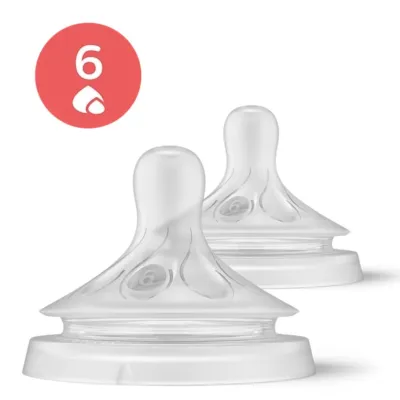
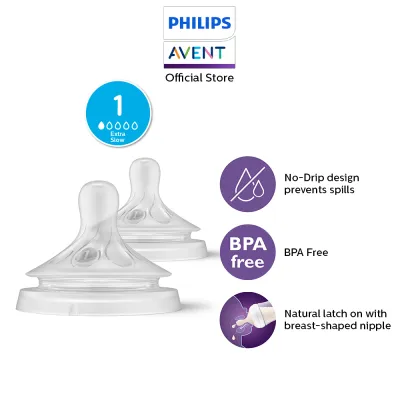
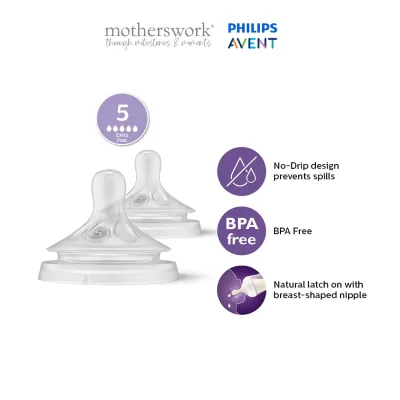
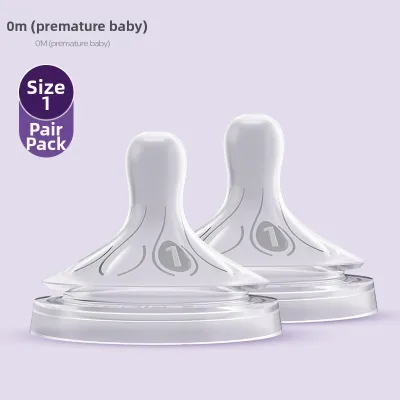
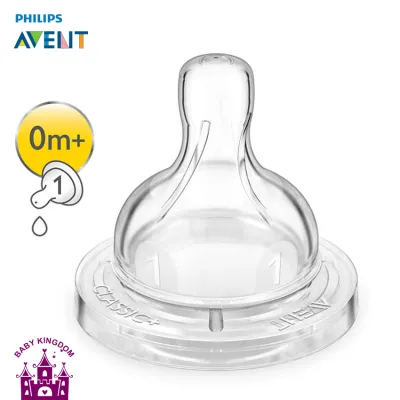
Prices are valid at publication and may change. Please refer to the product page for the latest price.

Nipple Shape and Latch Mechanics
The physical shape of a nipple dictates how your baby’s lips, tongue, and jaw interact with the bottle. Nipple designs generally fall into two categories: wide-base and narrow-base. Wide-base nipples aim to replicate the natural shape of a breast, while narrow-base nipples offer a more traditional shape that requires less jaw extension.
Philips Avent nipples feature a broad, sloping dome that closely resembles the anatomy of the breast. This wide-base contour is designed to encourage a wide-open latch, requiring the baby to flange their lips outward just as they would during breastfeeding. This shape helps maintain a consistent latch technique, reducing the risk of nipple confusion for breastfed infants.
In contrast, Pigeon’s SofTouch peristaltic nipples feature a unique, slightly narrower but highly contoured dome. The design focuses on accommodating the baby’s natural tongue wave motion. It features a micro-textured surface that prevents the lips from slipping, helping the baby maintain a secure, airtight seal. The tip of the nipple is specifically shaped to fit into the “sucking fossa”—the small cavity in the roof of a baby’s mouth—which stabilizes the bottle during feeding.
Dr. Brown’s traditional nipples utilize a narrow-base design. This slender profile is highly beneficial for babies who prefer a smaller mouthful or those with specific oral patterns, such as a high palate or a tight lip tie, where flanging wide over a broad dome is physically challenging. By offering a smaller surface area, the narrow design allows the baby to close their lips easily around the collar, minimizing air intake from the corners of the mouth.
When choosing a shape, observe your baby’s latch during a feed. If their lips do not flange outward like fish lips, or if they constantly slip off a wide dome, they may require a narrower profile or a more textured surface to support their oral mechanics.
Anti-Colic and Venting Systems
As a baby drinks, a vacuum naturally builds up inside the bottle. If this vacuum is not relieved, the nipple will collapse, forcing the baby to break their seal to let air back into the bottle. This interruption causes them to swallow air, leading to gas, fussiness, and colic. Brands address this issue using either integrated valves or dedicated internal venting systems.
Philips Avent and Pigeon incorporate built-in anti-colic valves directly into the silicone base of the nipple. These small, engineered slits or valves open slightly during feeding to allow air to enter the bottle, bypassing the milk and settling at the bottom. The primary advantage of this design is simplicity; there are no extra parts to wash, assemble, or lose. However, for these integrated valves to function optimally, parents must sometimes pay attention to the feeding angle, ensuring the valve is positioned upward or that the baby’s feeding pace matches the valve’s release threshold.
Dr. Brown’s takes a completely different approach with its patented internal venting system. This system consists of a plastic insert and a reservoir tube that channels air from the collar directly to the bottom of the bottle, completely bypassing the milk. Because the air never mixes with the liquid, it eliminates bubble formation and vacuum pressure entirely. This clinical-style separation of air and milk is highly effective at reducing gas. The trade-off is maintenance: the internal vent system adds multiple small parts that require meticulous daily cleaning with specialized brushes.
Parents must weigh this functional trade-off. If your baby has mild to no gas issues, the ease of washing integrated valves (Avent or Pigeon) is highly practical. If your baby experiences severe digestive discomfort, the superior air separation of Dr. Brown’s internal system is often worth the extra cleaning steps.
Silicone Softness and Durability
The feel of the silicone affects both baby acceptance and the longevity of the nipple. While all three brands use high-quality, medical-grade silicone, the density, flexibility, and surface finish of the materials differ.
Pigeon nipples are highly regarded for their ultra-soft, highly elastic silicone. This material is designed to stretch and flex easily in response to the baby’s tongue movements, mimicking the elasticity of natural breast tissue. The silicone is thin yet resilient, providing a highly tactile response that many babies find comforting.
Philips Avent uses a slightly firmer, more structured silicone, particularly in its classic and anti-colic ranges. This firmness prevents the nipple from collapsing under strong sucking pressure. In their Natural Response line, the silicone is engineered with a unique tip that only opens when compressed, requiring a slightly firmer material to maintain the integrity of the valve mechanism.
Dr. Brown’s silicone strikes a middle ground, offering a smooth, flexible texture that maintains its narrow shape without collapsing under vacuum pressure, thanks to the support of the internal venting system.
Regardless of the brand, always check the manufacturer’s packaging to verify material safety certifications, ensuring the nipples are BPA-free. Because silicone is subject to wear, do not rely on fixed calendar timelines for replacement. Instead, regularly inspect the physical condition of the silicone. Look for signs of degradation such as stickiness, cloudiness, structural swelling, or a loss of elasticity, and replace the nipple immediately if any of these occur.
Brand-by-Brand Breakdown: Strengths and Best Use Cases
To help you decide which system fits your lifestyle, let’s examine the specific product lines, unique technologies, and ideal scenarios for each of the three major brands available in Singapore.
Philips Avent (Natural and Anti-colic Lines)
Philips Avent offers two primary bottle and nipple systems designed for different feeding priorities: the Natural line and the Anti-colic line.
The Natural line (often featuring Natural Response nipples) focuses on mimicking the breast. The nipple has a wide, breast-like shape with a unique tip that releases milk only when the baby actively drinks. When the baby pauses to swallow or breathe, the flow stops completely. This design prevents passive dripping, making it highly intuitive for babies who are used to controlling the milk flow at the breast.
The Avent Anti-colic line is designed for parents who prioritize gas reduction without complex assembly. This line can be paired with an AirFree vent insert. The AirFree vent is designed to keep the nipple full of milk even when the bottle is held horizontally, allowing for more upright feeding positions, which can reduce reflux.
- Best Use Case: Ideal for babies transitioning between breast and bottle, or for parents who want a highly reliable, leak-free system that is easy to clean, assemble, and find replacement parts for in local Singapore department stores and pharmacies.
Pigeon (SofTouch Peristaltic Lines)
Pigeon’s flagship line is the SofTouch Peristaltic series, which is highly popular across Asian markets. This design is the result of extensive research into the three key steps of infant sucking: latching, peristaltic tongue movement, and swallowing.
The SofTouch nipple features a unique matte, micro-textured surface that helps the baby secure a firm latch. The silicone is exceptionally soft and elastic, allowing it to stretch and contract in harmony with the baby’s tongue movements. This flexibility ensures that the baby can use their natural sucking mechanics without having to adapt to a stiff, foreign object.
Pigeon offers these nipples in both wide-neck and standard-neck options. The wide-neck nipples are compatible with Pigeon’s highly durable PPSU (polyphenylsulfone) and glass bottles, which are favored for their high heat resistance and longevity in Singapore’s humid climate.
- Best Use Case: Excellent for babies who reject firmer silicone nipples, those who struggle with efficient milk extraction, or parents who prefer high-quality PPSU bottle setups that withstand frequent sterilization.
Dr. Brown's (Original and Options+ Lines)
Dr. Brown’s is globally recognized for its focus on reducing feeding complications through advanced vacuum-free technology, offered in their Original and Options+ lines.
The core of the Dr. Brown’s system is the internal green vent tube. By directing air away from the milk, this system prevents the aeration of formula or breast milk, which helps preserve critical nutrients like vitamins C, A, and E by reducing oxidation. It also ensures a completely vacuum-free flow, allowing the baby to feed comfortably without fighting a collapsing nipple.
The Options+ line provides valuable flexibility. It features an updated nipple design that can be used with the internal venting system in place for newborns, and then used without the vent as the baby grows, their digestive tract matures, and their feeding coordination strengthens.
- Best Use Case: Best suited for infants diagnosed with colic, severe gas, or reflux, where eliminating air bubbles is critical to comfortable feeding, and parents are willing to manage the extra cleaning steps required for the multi-part venting system.
How to Select the Right Flow Rate and Size
Nipple flow rates are designated by numbers, letters, or age guidelines on the packaging. However, these age recommendations are merely general estimates. Your baby’s developmental stage, sucking strength, and swallowing coordination should dictate when you change flow rates, rather than their calendar age.
If the flow rate is too fast, your baby will struggle to swallow the volume of milk entering their mouth. This can lead to dangerous situations and high discomfort. Watch for these observable signs that the flow is too fast:
- Choking, coughing, or gasping during feeds.
- Audible gulping sounds as they struggle to keep up.
- Milk leaking or pooling from the corners of their mouth.
- Pulling away from the bottle with a startled or distressed expression.
- Frequent spitting up immediately after a feeding session.
Conversely, if the flow rate is too slow, your baby will have to work excessively hard to extract milk, leading to fatigue and frustration. Watch for these observable signs that the flow is too slow:
- Frustrated crying, fussing, or biting down on the nipple mid-feed.
- Sucking intensely but swallowing very infrequently.
- Falling asleep from physical exhaustion before finishing a normal feeding volume.
- Feeding sessions consistently exceeding 20 to 30 minutes for a standard volume.
Because flow rate indicators vary significantly between brands, always verify the specific sizing chart on the manufacturer’s packaging. For example, Philips Avent uses a numbered system (typically 1 to 5) that corresponds to their Natural Response flow rates. Pigeon uses a lettered scale (SS, S, M, L, LL, LLL) with different cut shapes (round hole vs. Y-cut) to control flow. Dr. Brown’s utilizes Levels (Preemie, 1, 2, 3, 4) alongside Y-cut options for thicker liquids. Never assume a “Level 2” in one brand matches a “Level 2” or “Medium Flow” in another.
Cleaning, Sterilization, and Replacement Guidelines
Proper maintenance of baby bottle nipples is essential for hygiene and to preserve the physical integrity of the silicone. Because silicone is sensitive to heat, moisture, and mechanical wear, establishing a safe cleaning routine is paramount.
Step-by-Step Cleaning Protocol
- Immediate Rinse: Rinse all bottle parts in cold water immediately after feeding to prevent milk proteins from drying and sticking to the silicone.
- Wash: Wash the nipples in warm, soapy water using a mild, baby-safe detergent. Use a dedicated nipple brush to clean the inside of the dome gently. Avoid using harsh abrasive pads that can scratch the silicone.
- Clear the Vents: Pay special attention to the anti-colic valves and venting holes. For Dr. Brown's internal vents, use the specialized wire cleaning brush provided in the packaging to clear any milk residue from the narrow tubes. For Avent and Pigeon, gently massage the valve under running water to ensure it remains open and free of debris.
Sterilization Methods and Material Limits
Sterilizing nipples helps eliminate harmful bacteria, but excessive heat can degrade silicone over time. Standard methods include boiling, steam sterilization, and UV sterilization.
Before sterilizing, always check the manufacturer’s instructions on the packaging for specific temperature and time limits. Prolonged exposure to high temperatures or specific UV wavelengths can cause silicone to warp, become brittle, or lose its elasticity. If using boiling water, ensure the nipples do not touch the hot bottom or sides of the pot, as this can melt the silicone instantly.
In Singapore’s warm and humid climate, drying is a critical step. After sterilization, place the nipples on a clean, elevated drying rack in a well-ventilated area. Ensure they are completely dry before storing them in a closed cabinet to prevent the growth of mold or mildew.
When to Replace Nipples Immediately
Silicone nipples are not designed to last indefinitely. Inspect each nipple daily before feeding. You must discard and replace a nipple immediately if you observe any of the following signs of damage:
- Discoloration or Cloudiness: A yellowed, dark, or cloudy appearance indicates material aging.
- Stickiness: If the silicone feels sticky or tacky to the touch, the material has begun to break down.
- Swelling or Loss of Shape: If the nipple looks swollen or has lost its original elasticity, it will no longer flow correctly.
- Tears or Bite Marks: Any physical cuts, cracks, or bite marks from developing teeth can cause pieces of silicone to tear off, posing a severe choking hazard.
- Enlarged Hole: If the milk drips out in a continuous stream rather than steady drops when the bottle is inverted, the hole has stretched, which can cause choking.
Frequently Asked Questions (FAQ)
Can I use Avent nipples on Dr. Brown's or Pigeon bottles?
No, it is highly recommended to avoid mixing brands. Baby bottle nipples, collars, and bottles are engineered by their respective manufacturers as closed, integrated systems.
Unless a manufacturer explicitly states cross-compatibility on their official packaging, mixing parts from different brands can lead to several feeding issues. The seals between the nipple and the collar may not be perfectly airtight, resulting in leaks. Furthermore, mixing brands can block the venting pathways, causing the nipple to collapse during feeding or disrupting the anti-colic system entirely. To ensure safety and performance, always pair nipples with their matching brand-specific collars and bottles.
Why is my baby rejecting the new nipple brand?
Nipple rejection is a common challenge and usually occurs because the new nipple has a different shape, texture, flow rate, or material firmness than what your baby is accustomed to. Babies develop strong muscle memory during feeding, and any sudden change can feel unfamiliar and uncomfortable.
To ease the transition, try introducing the new brand gradually. Offer the new bottle when your baby is calm and slightly hungry, but not starving or overly tired, as a highly distressed baby is less likely to tolerate change. Ensure the milk temperature is consistent with what they prefer, and double-check that the flow rate of the new nipple matches their current swallowing speed. If feeding rejection persists, or if your baby shows signs of prolonged distress or weight issues, stop using the new nipple and consult a pediatrician or a certified lactation consultant for professional guidance.
Community discussion
Share your experience or ask a question. Comments are reviewed before publication.