
Direct Answer: Which Baby Food Maker Fits Your Needs?
When embarking on the weaning journey, selecting the right appliance can significantly streamline your daily routine. The ideal baby food maker depends entirely on your family’s cooking habits, batch-prep preferences, kitchen space, and budget. No single machine is a universal winner, but understanding how they align with your lifestyle simplifies the decision.
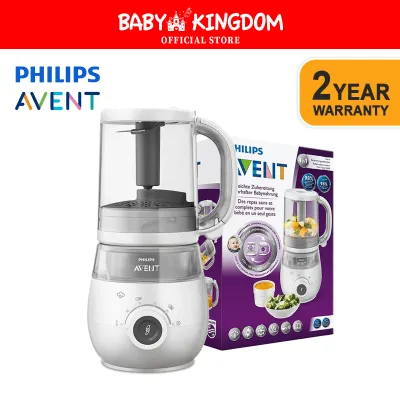
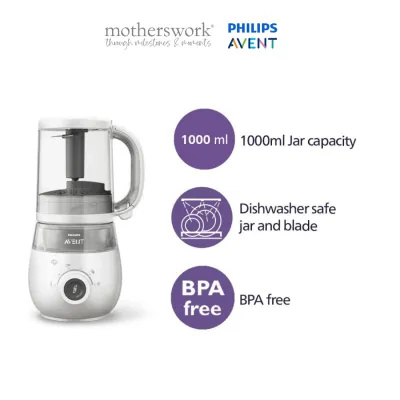
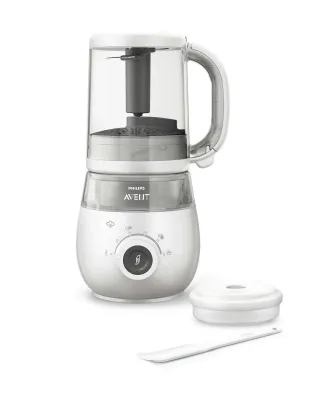
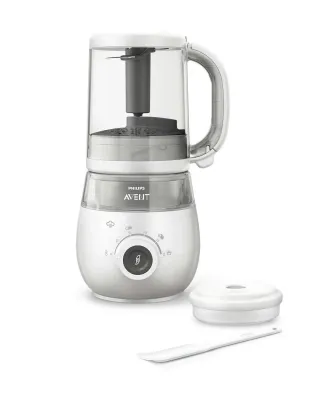
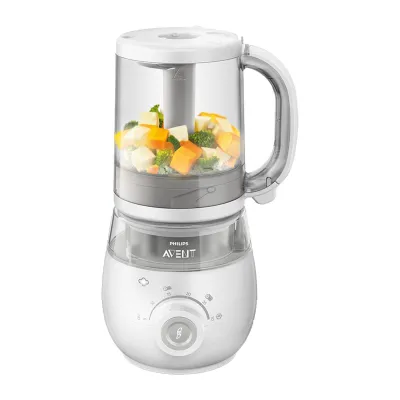
The Philips Avent baby food maker is highly favored for its compact, space-saving design and unique “flip-and-blend” mechanism, making it excellent for fresh, daily meal preparation. In comparison, Beaba appeals to parents prioritizing premium materials, larger batch capacities, and aesthetic variety, often offering advanced features at a higher price point. Tommee Tippee generally serves as a straightforward, budget-friendly option that features automated steam-and-blend cycles for a hands-off cooking experience.
Because manufacturers frequently update their product lines, always verify current model availability and specific technical specifications at official brand stores before purchasing. Features can vary significantly between older generations and newer multi-functional models, such as basic 2-in-1 systems versus advanced 4-in-1 setups.
Products mentioned in this guide
Prices are valid at publication and may change. Please refer to the product page for the latest price.
Comparing Core Functions: Steaming, Blending, and Capacity
Evaluating the primary food preparation capabilities of these three brands reveals distinct differences in how they handle the transition from raw ingredients to smooth purees or textured meals.

Steaming, Blending, and Reheating Capabilities
The mechanical workflow of each machine determines how hands-on your cooking process will be. The Philips Avent baby food maker utilizes a clever single-jar system. To use it, you place raw ingredients into the jar, steam them, and once the cycle finishes, you lift the jar, flip it upside down, lock it back onto the base, and blend. This “flip-and-blend” design eliminates the need to transfer hot, steamed food between separate containers, reducing the risk of steam burns and minimizing cleanup.
Beaba baby food makers typically employ a basket-style steaming method. Raw ingredients are placed in a separate steam basket inside the main blending jar. Once steaming is complete, you must use an included spatula to lift the hot basket out, pour the cooked ingredients back into the main jar, and then blend. While this requires an extra manual step, it provides a distinct advantage: you can easily reserve or discard the nutrient-rich cooking liquid to achieve the exact puree consistency you desire.
Tommee Tippee machines often focus on automation. Many of their models feature automated steam-and-blend cycles where you can set a timer, and the machine transitions from steaming to blending without any manual intervention. This hands-off approach is incredibly convenient for busy parents, though it offers slightly less immediate control over the blending process.
Texture control is vital as your baby grows. Avent and Beaba offer precise, pulse-controlled blending, allowing you to transition smoothly from ultra-fine purees at six months to chunkier, textured meals as your child develops. Tommee Tippee’s automated cycles are highly efficient for smooth purees but may require manual adjustments if you want to achieve a coarser texture for older babies. Auxiliary functions like defrosting and reheating are common across premium models, but you should verify these capabilities against the exact model numbers sold by official brand stores.
Capacity and Batch Cooking Limits
An appliance’s volume determines whether it is better suited for daily fresh cooking or weekly batch-cooking and freezing. Philips Avent models are generally designed with compact jars. This smaller footprint is highly efficient for preparing fresh meals daily or every other day, making it a great fit for parents who prefer not to store large quantities of frozen baby food.
Beaba is widely recognized for offering some of the largest capacities on the market, including dual-jar models that allow you to steam two different dishes—such as savory vegetables in one jar and sweet fruits in the other—simultaneously. This makes Beaba the preferred choice for parents who practice extensive batch-cooking and freeze portions in silicone trays for the week ahead.
Tommee Tippee typically occupies a middle ground, offering a moderate capacity that balances daily meal preparation with light batch cooking. When comparing these brands, always check the product labels for “max steam capacity” versus “max blend capacity,” as these figures often differ. Raw, bulky vegetables require more physical space to steam than they do once they have softened and collapsed for blending.
Additionally, consider the minimum blending volume. Large-capacity machines often require a minimum amount of ingredients for the blades to engage effectively. If you attempt to blend a tiny, single-meal portion in a very large jar, the food may simply splatter against the walls out of reach of the blades. For small, early-weaning portions, a machine with a smaller jar or a specialized small-batch accessory is highly beneficial.
Daily Usability: Controls, Cleaning, and Kitchen Footprint
The practical, day-to-day experience of using and maintaining a baby food maker in a real kitchen environment is just as important as its cooking performance.
Controls and Interface
The user interface heavily influences daily convenience. Philips Avent typically utilizes simple, intuitive manual dials or straightforward buttons, resulting in a minimal learning curve. Beaba often incorporates sleek, modern push buttons or digital interfaces, sometimes featuring light indicators to signal descaling requirements or cycle completion. Tommee Tippee frequently uses digital control panels that allow you to program precise steam and blend times.
An essential feature to verify is the automatic shut-off mechanism. Most reliable models will automatically turn off the heating element when the water reservoir runs dry or the timer ends, preventing overheating and ensuring safety in a busy household.
Cleaning and Descaling
Cleaning is a critical factor in maintaining daily hygiene. Look closely at how easily the blade assembly detaches from the jar, as food residue trapped under the blades can quickly become a hygiene hazard. Avent and Beaba generally feature removable blade units, though the ease of disassembly varies by model.
While many removable plastic parts, lids, and steam baskets are labeled as top-rack dishwasher safe, hand washing is often recommended for the blending jars and blade assemblies. Harsh dishwasher detergents and high heat can cloud plastic jars over time and dull the sharp edges of the blades.
Water tank maintenance is another crucial aspect, especially in Singapore where tap water minerals can lead to rapid scale buildup. Regular descaling—typically using a mixture of white vinegar and water or food-grade citric acid—is mandatory to keep the steam vents clear, maintain heating efficiency, and prevent musty odors.
Footprint and Storage
Singapore kitchens, particularly in HDB flats or condominiums, often have limited counter space. The Avent baby food maker is highly favored for its vertical, compact footprint, taking up very little counter real estate and fitting easily under low-hanging cabinets.
Beaba models, especially the dual-jar variants, have a wider horizontal footprint that requires dedicated counter space, though single-jar models are more comparable to Avent. Tommee Tippee machines generally feature a moderate footprint but may have bulkier profiles.
Consider whether you plan to leave the appliance on the counter permanently or store it in a cabinet after each use. Models with integrated cord storage or a compact, lightweight chassis are much easier to pack away.
Price and Value Considerations for Singapore Parents
Evaluating the financial commitment and long-term utility of each brand helps ensure you get the best return on your investment.
General Price Positioning
Beaba is positioned as a premium brand, reflecting its high-end design, material options (such as glass and stainless steel in premium models), and larger capacities. Avent sits comfortably in the mid-to-high range, offering a strong balance of reliability, brand reputation, and performance. Tommee Tippee is generally positioned as a more budget-friendly to mid-range option, appealing to parents looking for essential features without a premium price tag.
To find accurate pricing, always check official brand websites, authorized mother-and-baby retailers in Singapore, or major local online malls, as prices fluctuate based on promotions and model updates.
Long-Term Value and Repurposing
Long-term value extends beyond the weaning phase. Consider the durability of the materials; high-quality plastics or glass jars resist staining and odors from strong-smelling ingredients like carrots or fish.
Check the availability of replacement parts. Over months of daily use, sealing rings can wear out, or blades may become dull. Brands with strong local distribution, like Avent and Beaba, make it much easier to purchase official replacement parts locally.
Think about life after purees. Can the machine be repurposed? Many parents continue using their baby food makers to steam small portions of vegetables, eggs, or fish for toddlers and adults, extending the appliance’s lifespan well beyond the first year.
Safety and Warranty Risks
A crucial safety warning: Avoid purchasing these appliances from unauthorized third-party sellers on e-commerce platforms. While the prices may seem attractive, these grey-market imports may lack Singapore’s safety certifications (such as the SAFETY Mark for electrical plugs and voltage compatibility) and will not be covered by local manufacturer warranties. Purchasing from official or authorized channels ensures electrical safety and reliable customer support.
Final Decision Framework: Matching the Maker to Your Family
To finalize your decision, match your specific household needs and kitchen space to the strengths of each brand.
Choose Philips Avent if:
You want a highly reliable, compact, mid-range appliance that simplifies the cooking process through a clever flip-and-blend design. It is perfect for parents who prepare fresh meals daily, value counter space, and want an intuitive machine without a steep learning curve.
Choose Beaba if:
You prefer preparing large batches of baby food to freeze for the week, appreciate premium aesthetics, and want high-quality material options like glass and stainless steel. It is ideal for those willing to invest a premium for advanced features and maximum capacity.
Choose Tommee Tippee if:
You are seeking a straightforward, cost-effective solution with automated steam-and-blend cycles. It is well-suited for busy parents who want a hands-off approach and a budget-friendly entry into making homemade baby food.
Verify first if:
Before making your final purchase, measure your kitchen counter space and cabinet height to ensure a comfortable fit. Reflect on your meal-prep routine—will you cook daily or weekly? Finally, verify if your chosen model includes necessary auxiliary functions like defrosting or reheating, and ensure you purchase from an authorized Singapore retailer to secure a valid local warranty.
Safety, Hygiene, and Manufacturer Guidelines
Preparing homemade baby food demands strict hygiene and safety standards. All raw ingredients, particularly meats, poultry, and fish, must be cooked thoroughly to safe internal temperatures before blending to eliminate harmful bacteria. Always follow the manufacturer’s guidelines regarding steam times and water-level measurements for different food groups.
Before using the appliance, carefully read the user manual for your specific model. Pay close attention to warnings regarding BPA-free components, maximum temperature limits, and the safe handling of hot steam and sharp blades. Never open the jar lid immediately after a steam cycle; allow the steam to dissipate to avoid painful burns.
Regularly inspect the appliance for any signs of wear or damage. If you notice cracked plastic, a frayed power cord, loose blades, or heating irregularities, discontinue use immediately. Do not attempt DIY repairs on the heating element or electrical components. Instead, contact the official manufacturer or a qualified service professional for assistance.
Frequently Asked Questions (FAQ)
Can I use these baby food makers to prepare meat, fish, and complex meals?
Yes, these versatile machines are designed to steam and blend a wide variety of ingredients, including meats, poultry, fish, vegetables, and fruits. To ensure even cooking and thorough heat penetration, always cut raw ingredients into small, uniform pieces (approximately 1 to 2 centimeters) before placing them in the steam basket. After steaming, verify that the meat or fish is fully cooked to a safe internal temperature before blending. Always consult pediatric guidelines or your pediatrician regarding the appropriate age to introduce specific allergens, meats, and complex textures to your baby’s diet.
Are the blending jars and steam baskets dishwasher safe?
While many removable components, such as steam baskets, lids, and spatulas, are often labeled as top-rack dishwasher safe, care instructions vary significantly between brands and specific models. For example, some manufacturers recommend hand washing the blending jars and blade assemblies. The intense heat, high-pressure water jets, and harsh chemical detergents used in dishwashers can cause plastic jars to cloud or crack over time and can dull the sharp edges of the blending blades. To preserve the longevity and performance of your appliance, always consult the specific care and maintenance section in your product manual.
Community discussion
Share your experience or ask a question. Comments are reviewed before publication.