
When you are shopping for your baby’s skincare in Singapore, ensuring the safety of every lotion and wash is a top priority. If you are wondering whether Aveeno Baby products are “HSA-approved,” the short answer is that standard baby bathing and moisturizing products are regulated as cosmetics in Singapore. This means they do not undergo a formal pre-market approval process by the Health Sciences Authority (HSA); instead, the local importer or seller must submit a product notification to the HSA before placing them on the market.
To protect your baby’s delicate skin, you should verify that the specific Aveeno Baby item you purchase has been properly notified to the HSA, especially if you are buying from online marketplaces or parallel importers. Understanding how these products are regulated, how to check the official database, and what ingredients to look out for will help you make an informed and safe choice for your little one.
Understanding HSA Regulations for Baby Bathing Products
The Health Sciences Authority (HSA) regulates health and beauty products in Singapore to safeguard public health. For baby skincare, including washes, shampoos, and daily moisturizers, the regulatory framework categorizes these items as cosmetic products. Unlike prescription medications or medical devices, cosmetic products do not receive an official stamp of approval from the HSA before they hit the shelves.
Products mentioned in this guide
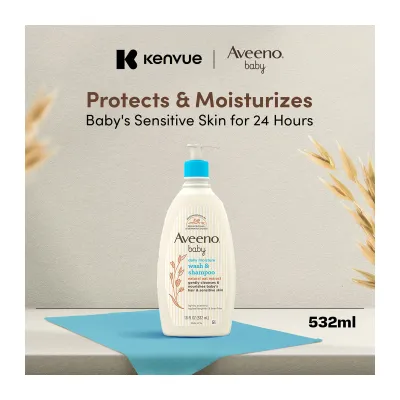
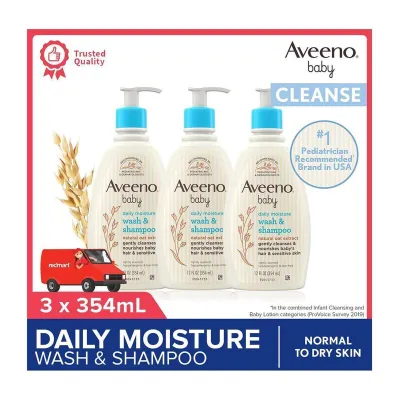
![[Bundle of 3] Aveeno Baby Body Daily Moisturizing and Shampoo 354ml](https://img.lazcdn.com/g/p/3280cf1352b35f9b787efebe429146c0.jpg_400x400q80.jpg_.webp)
![[Bundle of 3] Aveeno Baby Soothing Relief Foaming Wash & Shampoo For Sensitive Skin](https://img.lazcdn.com/g/p/73f12b4447fd459465e408ddebc4bcb9.jpg_400x400q80.jpg_.webp)
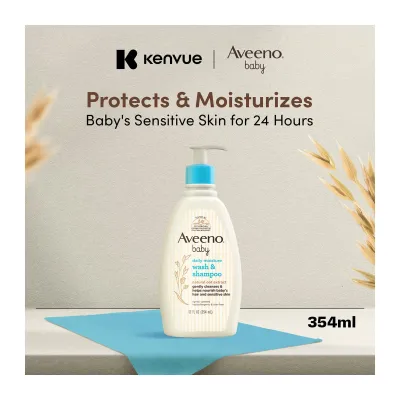
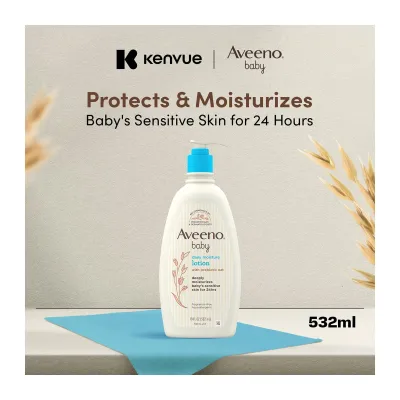
Prices are valid at publication and may change. Please refer to the product page for the latest price.
Instead, the regulatory system relies on a post-market surveillance and pre-market notification framework. Before any cosmetic product can be sold locally, the company responsible for importing or manufacturing it must submit a cosmetic product notification to the HSA. This notification serves as an official declaration that the product complies with all local safety requirements, including ingredient restrictions and labeling guidelines.
The distinction between a cosmetic product and a therapeutic product is critical for parents to understand. A cosmetic product is intended solely for cleansing, perfuming, protecting, or keeping the body’s external parts in good condition. If a product claims to treat, cure, or alleviate a medical condition—such as severe eczema, psoriasis, or active skin infections—it may cross the line into being classified as a therapeutic product or a medicinal product.
Therapeutic products are subject to much stricter pre-market registration processes, clinical evaluations, and quality controls. For everyday baby bathing products, however, the cosmetic notification system is the standard safety gatekeeper. This system places the legal responsibility on the local distributor to ensure that the formulation is safe for consumer use and free from banned substances.
HSA also enforces strict labeling guidelines for all notified cosmetics. Labels must clearly display the full ingredient list, the batch number, the country of manufacture, and the details of the local importer. This transparency allows parents to trace the product’s origin and verify its ingredients before applying it to their baby’s skin.
How to Verify Aveeno Baby Products on the HSA Database
Because Singapore’s retail landscape includes authorized distributors, parallel importers, and various online marketplaces, verifying the regulatory status of your baby’s skincare is a practical way to ensure safety. You can independently check whether a specific Aveeno Baby product has been notified to the HSA by using the public databases available on the official HSA website.

To begin your search, navigate to the HSA’s online portal and locate the “Classified / Registered Health Products” section. From there, select the database dedicated to “Cosmetic Products.” This database is updated regularly and contains records of all cosmetic items that have been successfully notified by local importers and are legally permitted for sale in Singapore.
When using the search function, enter “Aveeno” or “Aveeno Baby” in the product name or brand field. For more precise results, you can search using the exact name printed on your product’s packaging, such as “Aveeno Baby Daily Moisture Lotion” or “Aveeno Baby Wash & Shampoo.” Keep in mind that spelling must match the official submission exactly, so try variations if your initial search yields no results.
If the product is listed, you will see details such as the product name, the name of the company that submitted the notification, and the country of manufacture. This confirmation indicates that a local entity has taken responsibility for the product’s safety and compliance with Singapore’s cosmetic regulations.
If you search for a specific Aveeno Baby product and find no record in the database, it could indicate a few different scenarios. The item might be a parallel import that was brought into the country without the required notification, or it could be an unauthorized counterfeit product. In some cases, it may simply be a new formulation that has not yet completed the notification process.
Purchasing unlisted or unnotified products carries inherent risks, as there is no regulatory paper trail to hold a local importer accountable if your baby experiences an adverse reaction. To minimize these risks, parents are advised to purchase baby skincare products from reputable, authorized retailers in Singapore who consistently comply with HSA notification requirements.
Key Safety Checks and Ingredient Awareness for Baby Skin
While verifying HSA notification is an essential regulatory step, it does not guarantee that a specific product will be perfectly suited for your baby’s unique skin type. A baby’s skin barrier is significantly thinner and more permeable than an adult’s, making it highly sensitive to environmental factors and topical ingredients. Therefore, performing your own label checks is a vital part of the selection process.
When reviewing the ingredient list on an Aveeno Baby product, pay close attention to potential irritants. Although many baby products are formulated to be gentle, some may still contain added fragrances, essential oils, or specific preservatives that can trigger contact dermatitis in sensitive infants. Opting for fragrance-free formulations is generally recommended, especially for newborns or babies with dry, reactive skin.
Aveeno is widely known for its use of colloidal oatmeal, which is finely ground oat flour suspended in a liquid or gel base. Colloidal oatmeal is recognized for its skin-soothing and moisturizing properties, helping to lock in hydration and protect the skin barrier. However, if your baby has a known allergy to oats or wheat, or if there is a family history of grain allergies, you should exercise caution and consult a healthcare professional before introducing oat-based skincare.
You will often see terms like “pediatrician-tested,” “dermatologist-tested,” or “hypoallergenic” on baby skincare packaging. While these marketing claims suggest that the product has undergone some level of professional evaluation, they are not standardized regulatory terms defined by the HSA. They indicate that the manufacturer has conducted independent testing, but they do not guarantee that the product is completely risk-free for every individual baby.
Before applying any new product all over your baby’s body, it is highly recommended to perform a patch test. Apply a small, pea-sized amount of the lotion or wash to a patch of healthy skin, such as the inside of the baby’s forearm or behind the ear. Observe the area for 24 to 48 hours to check for any signs of redness, swelling, or irritation before integrating the product into your baby’s daily bath routine.
Always verify the recommended age range, development stage, and specific method of use on the product packaging. Some formulations are designed specifically for newborns, while others are intended for older babies or toddlers. Caregiver supervision is essential during bath time, and you should always follow the manufacturer’s specific warnings regarding eye contact and accidental ingestion.
When to Stop Use and Seek Professional Advice
Even when using a properly notified and highly rated baby product, adverse skin reactions can still occur. Recognizing the early signs of skin irritation or an allergic reaction is crucial for preventing further discomfort and protecting your baby’s delicate skin barrier.
Monitor your baby’s skin closely during and after bathing. Early signs of a negative reaction include sudden redness, localized swelling, dry or flaky patches that worsen after application, or the appearance of tiny bumps and hives. If your baby begins scratching the area or showing signs of unexplained fussiness during or after product application, this may also indicate itching or discomfort.
If you suspect your baby is reacting poorly to a skincare product, take immediate action. Gently rinse the affected area with lukewarm, clean water to remove any remaining product residue, and pat the skin dry with a soft, clean towel. Discontinue the use of that specific product immediately, and avoid applying any other scented lotions or treatments to the irritated area while it heals.
While mild redness may resolve on its own once the product is discontinued, certain symptoms require professional medical evaluation. If the skin irritation does not improve within a few days, if the redness spreads, or if you notice signs of infection such as oozing, crusting, or warmth to the touch, consult a pediatrician or a dermatologist.
Additionally, if your baby develops severe hives, swelling of the face or lips, or any difficulty breathing, seek emergency medical attention immediately. These can be signs of a severe systemic allergic reaction that requires urgent intervention. Always keep the product packaging handy when consulting a doctor, as the ingredient list will help them identify the potential allergen.
Frequently Asked Questions (FAQ)
Do all baby washes need HSA approval in Singapore?
No, baby washes do not require formal pre-market approval from the HSA. Instead, they fall under the category of cosmetic products, which require a cosmetic product notification. The local importer or distributor must submit this notification to the HSA before the product can be legally sold in Singapore. This process ensures that the product’s ingredients and labeling comply with local safety standards, but it is not an endorsement or approval of the product’s efficacy by the government.
Is Aveeno Baby eczema moisturizer considered a medicine or a cosmetic?
Most daily moisturizers marketed for eczema-prone baby skin are classified as cosmetic products if their primary function is to moisturize, soothe, and protect dry skin. However, if a product contains active pharmaceutical ingredients or makes explicit therapeutic claims to treat or cure medical eczema, it may be classified as a therapeutic product or a medicinal product. To determine the exact classification and ensure safety, parents should check the product label for active ingredients and verify its registration status on the HSA database.

Community discussion
Share your experience or ask a question. Comments are reviewed before publication.