
Standard antibacterial wipes, including Zappy Antibacterial Wipes, are generally not recommended for direct use on a newborn’s delicate skin. While these wipes are highly effective for sanitizing adult hands and household surfaces, the active antibacterial agents, preservatives, and potential fragrances they contain are too harsh for an infant’s fragile skin barrier. Using them directly on a newborn can lead to skin irritation, contact dermatitis, and disruption of the natural skin microbiome. For routine diaper changes and daily cleaning, parents should rely on plain water, cotton balls, or dedicated, fragrance-free baby wipes formulated specifically for sensitive newborn skin.
When caring for a newborn in Singapore, parents are often faced with a vast array of hygiene products designed to keep their home and baby clean. Zappy is a well-known and trusted brand in many households, offering a wide range of wet wipes for various purposes, from personal sanitization to surface cleaning. However, it is crucial to distinguish between products designed to eliminate bacteria on surfaces or adult hands and those formulated for the ultra-sensitive skin of a newborn. Understanding the specific needs of your baby’s skin barrier will help you make informed decisions and prevent unnecessary skin complications.
Understanding Newborn Skin and Antibacterial Wipes
Newborn skin is structurally very different from adult skin, requiring a completely different approach to hygiene and care. At birth, an infant’s skin is approximately 30% thinner than that of an adult. The outermost layer of the skin, known as the stratum corneum, is still developing and is significantly more permeable. This means that topical substances applied to a newborn’s skin are absorbed much more rapidly and deeply into the underlying tissues. Consequently, chemicals that might be perfectly harmless to an adult can cause severe irritation or even systemic absorption in a newborn.
Products mentioned in this guide

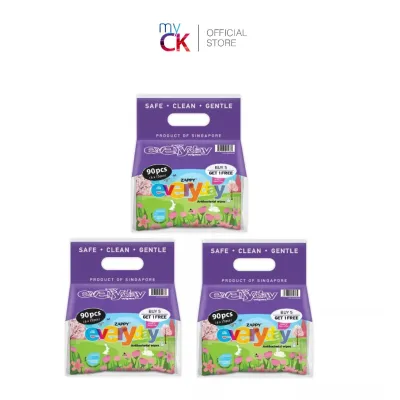

Prices are valid at publication and may change. Please refer to the product page for the latest price.
In addition to being thinner, a newborn’s skin is still establishing its natural acid mantle. The acid mantle is a thin, slightly acidic film on the surface of the skin that acts as a barrier against bacteria, viruses, and other potential contaminants. During the first few weeks of life, the skin’s pH is transitioning from neutral to slightly acidic. Introducing harsh chemical agents, such as those found in antibacterial wipes, can disrupt this delicate pH balance, stripping away natural oils and leaving the skin vulnerable to dryness, chafing, and infection.
Antibacterial wipes and standard baby wipes serve entirely different purposes and are formulated with different chemical profiles. The primary function of an antibacterial wipe is to eliminate microorganisms, such as bacteria and viruses, from surfaces or skin. To achieve this, they rely on active biocides or sanitizing agents. In contrast, standard baby wipes are designed for gentle physical cleansing. Their main goal is to lift away soil, urine, and fecal matter without stripping the skin’s natural moisture. They typically consist of a high percentage of water combined with mild surfactants and skin-conditioning emollients.
Because of these physiological differences, pediatric guidelines generally recommend a minimalist approach to newborn hygiene. For the first few weeks of life, many pediatricians advise using only plain water and soft cotton balls or reusable cloth wipes for routine diaper changes. When convenience is necessary, parents are encouraged to use highly simplified, fragrance-free baby wipes that contain minimal ingredients. Introducing strong antibacterial agents to a newborn’s daily routine is not only unnecessary but can actively harm their developing skin barrier.
How to Evaluate Zappy Antibacterial Wipes for Your Baby
To determine whether a specific pack of Zappy wipes is safe to use around your baby, you must carefully evaluate the product packaging and ingredient list. The brand Zappy produces a diverse range of wipes, and not all of them are formulated for the same purpose. Some are designed for heavy-duty surface disinfection, others for adult hand sanitization, and some are specifically formulated as gentle baby wipes. Parents must learn to read the labels carefully rather than assuming all wipes from the same brand are interchangeable.

The first step is to identify the active ingredients listed on the packaging. Antibacterial wipes typically contain active sanitizing agents such as Benzalkonium Chloride (BKC), Chlorhexidine Gluconate, or various types of alcohol. While these ingredients are highly effective at killing germs on hands and non-porous surfaces, they are not intended for prolonged or repeated contact with a newborn’s skin. If you see these active ingredients listed, the wipes should be reserved for environmental cleaning or adult hand hygiene, rather than direct application to your baby’s diaper area, face, or hands.
Next, look for specific dermatological claims and age-restriction warnings on the label. High-quality baby wipes will often feature labels such as “dermatologically tested,” “hypoallergenic,” “pH-balanced,” or “suitable for newborns.” Conversely, antibacterial or disinfectant wipes may carry warnings such as “keep out of reach of children,” “not for use on sensitive skin,” or instructions to rinse surfaces that come into direct contact with food or a baby’s mouth. Checking for these warnings is a quick and reliable way to determine the intended use of the product.
Finally, verify the presence or absence of common skin irritants. Many antibacterial formulas contain added fragrances to mask the chemical scent of the sanitizing agents. Fragrances are among the leading causes of allergic contact dermatitis in infants. Additionally, look at the preservative system used in the wipes. While preservatives are necessary to prevent bacterial growth within the wet wipe packaging, some older or harsher preservatives, such as parabens or methylisothiazolinone, can trigger skin sensitivities. A safe wipe for a newborn should be completely fragrance-free, alcohol-free, and formulated with a highly gentle, food-grade preservative system.
Potential Risks and Signs of Irritation to Watch For
Using antibacterial wipes directly on a newborn’s skin carries several immediate and long-term risks. The most common immediate reaction is contact dermatitis, which can be either irritant or allergic. Irritant contact dermatitis occurs when a harsh substance directly damages the skin’s protective outer layer. Parents should watch for early visual cues, such as localized redness, unusual dryness, rough patches, or micro-peeling in the areas where the wipe was applied. These signs indicate that the skin barrier has been compromised and is struggling to retain moisture.
An allergic contact dermatitis reaction, on the other hand, is an immune response to a specific ingredient in the wipe, such as a fragrance or preservative. This type of reaction may not appear immediately but can develop after repeated exposure. Signs of an allergic reaction include intense redness, swelling, small fluid-filled blisters, or a rash that spreads beyond the area of direct contact. If your baby exhibits these symptoms, it is essential to stop using the product immediately and seek guidance from a healthcare professional.
Beyond immediate skin irritation, frequent use of antibacterial wipes on an infant can disrupt the skin’s natural microbiome. The human skin is home to billions of beneficial microorganisms that play a crucial role in training the immune system and protecting against harmful pathogens. Antibacterial agents do not distinguish between good and bad bacteria; they eliminate both indiscriminately. By wiping out the beneficial bacteria on your baby’s skin, you may inadvertently create an environment where harmful pathogens, such as the yeast Candida albicans, can overgrow, leading to stubborn diaper rashes or skin infections.
Furthermore, constant exposure to antibacterial chemicals can damage the skin’s moisture barrier, leading to chronic dryness and increased sensitivity. When the lipid barrier is stripped away, the skin loses its ability to prevent trests-epidermal water loss. This makes the skin highly susceptible to friction from diapers and clothing, turning routine movements into sources of discomfort for your baby. Protecting this natural barrier is key to keeping your newborn comfortable and healthy.
Safe Usage Guidelines and Best Practices
If you choose to keep Zappy antibacterial wipes in your home, they can still play a valuable role in your baby’s hygiene routine when used correctly. The key is to restrict their use to non-sensitive environmental areas rather than applying them directly to your baby’s skin. For example, these wipes are excellent for sanitizing high chairs, plastic toys, changing tables, and stroller handlebars. They are also highly convenient for caregivers to sanitize their own hands when soap and water are not readily available, especially when out in public spaces.
If you ever find yourself in an emergency situation where you must use a wipe on your baby’s skin and are unsure of its suitability, always perform a localized patch test first. Apply the wipe gently to a small, non-sensitive area of the baby’s skin, such as the outer thigh or the forearm. Monitor the area closely for 24 to 48 hours. If you notice any redness, swelling, or dryness, do not use the wipes on other parts of the baby’s body. If no reaction occurs, you may use them sparingly, but still avoid highly sensitive areas like the face or the diaper region.
When using any wet wipe or cleaning method on your baby’s diaper area, ensuring the skin is completely dry before putting on a fresh diaper is a critical step. Trapping residual moisture—especially moisture containing active ingredients or surfactants—under a tight diaper creates a warm, humid environment. This environment acts as a catalyst for skin breakdown and diaper rash. After cleaning, allow the skin to air-dry completely for a few moments, or gently pat it dry with a clean, soft cloth before securing the diaper.
Additionally, caregivers should practice proper hand hygiene. If you use an antibacterial wipe to clean your own hands before handling your baby, ensure that your hands are completely dry and the product has fully evaporated. This prevents the transfer of any active sanitizing chemicals from your hands to your baby’s sensitive skin. Whenever possible, washing your hands with mild soap and warm water remains the preferred and safest method of hand hygiene before caring for a newborn.
When to Choose Standard Baby Wipes Instead
For daily care and routine hygiene, standard baby wipes or plain water are always the safer and more appropriate choice compared to antibacterial wipes. Routine diaper changes, cleaning messy faces after feeding, wiping sticky hands, and cleaning delicate skin folds require a product that supports, rather than strips, the skin’s natural barrier. The skin folds around a newborn’s neck, thighs, and underarms are particularly vulnerable to moisture buildup and friction, making them highly susceptible to irritation if exposed to harsh chemicals.
In situations where your baby is already experiencing a skin condition, such as active diaper rash, eczema flare-ups, or minor abrasions, the use of antibacterial wipes must be strictly avoided. These conditions mean the skin barrier is already compromised, and applying antibacterial agents will cause intense stinging, pain, and further inflammation. Instead, transition to using warm water and soft cotton pads to clean the area, followed by a generous application of a fragrance-free barrier cream containing zinc oxide or petroleum jelly to protect the healing skin.
When shopping for everyday baby wipes, simplicity is the most important factor to consider. Look for water-based wipes that contain at least 99% water and a minimal list of secondary ingredients. These formulas are designed to clean effectively while minimizing the risk of chemical exposure and skin sensitization. By choosing fragrance-free, alcohol-free, and dermatologically tested baby wipes for daily use, you can maintain your newborn’s hygiene while preserving the integrity of their delicate, developing skin.
Frequently Asked Questions (FAQ)
Can I use Zappy antibacterial wipes to clean my baby's toys and high chair?
Yes, you can use Zappy antibacterial wipes to clean your baby’s toys, high chair, and other hard, non-porous surfaces. These wipes are highly effective at removing germs and maintaining a clean environment. However, because newborns and infants frequently put toys and their hands into their mouths, it is important to prevent the ingestion of any chemical residues. After sanitizing a surface or toy with an antibacterial wipe, allow it to air-dry completely, and then wipe it down once more with a clean cloth dampened with plain water to remove any remaining active ingredients.
What should I do if my newborn develops a rash after using these wipes?
If your newborn develops a rash after contact with antibacterial wipes, stop using the product immediately. Gently cleanse the affected area with lukewarm water and a soft cloth, then pat the skin completely dry without rubbing. Apply a thick layer of a fragrance-free barrier cream containing zinc oxide to soothe the irritation and protect the skin. Avoid applying any over-the-counter medicated or steroid creams unless specifically directed by a doctor. If the rash does not improve within a few days, spreads, or shows signs of infection such as blisters, pus, or fever, consult a pediatrician immediately.

Community discussion
Share your experience or ask a question. Comments are reviewed before publication.