
Yogurt melts are a popular snack choice for parents transitioning their infants to solid foods. These small, freeze-dried drops of yogurt are highly marketed for their convenience and their ability to dissolve quickly in a baby’s mouth. However, while they can be a safe and enjoyable treat for infants who have reached specific developmental milestones, they are not entirely risk-free.
Before introducing these snacks into your child’s diet, it is essential to understand that their safety depends heavily on two primary factors: physical readiness and ingredient safety. The two main risks associated with these treats are choking hazards—which can occur if the snack does not dissolve as intended—and allergic reactions, primarily driven by dairy and other common ingredients.
Because every child develops at an independent pace, age alone should never be the sole indicator of readiness. Parents must carefully evaluate their baby’s physical coordination, select high-quality products, and maintain strict feeding protocols. Always consult your pediatrician or a qualified healthcare professional before introducing new foods, especially if your family has a history of food allergies or if your baby has shown signs of developmental delays.
Products mentioned in this guide
![[Carton of 7] Gerber Mixed Berries Yogurt Melts Baby Snack 28g - From 8 Months](https://img.lazcdn.com/g/p/a5a7714a18617608b31b8e9158649ae1.jpg_400x400q80.jpg_.webp)


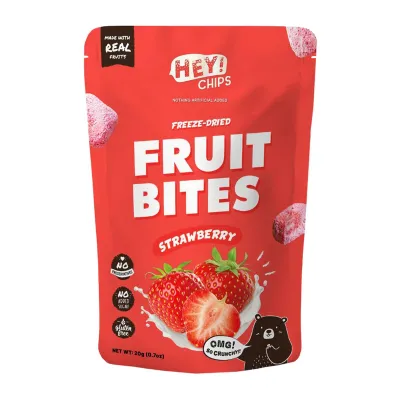
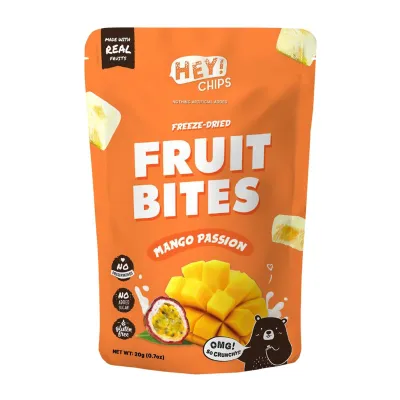
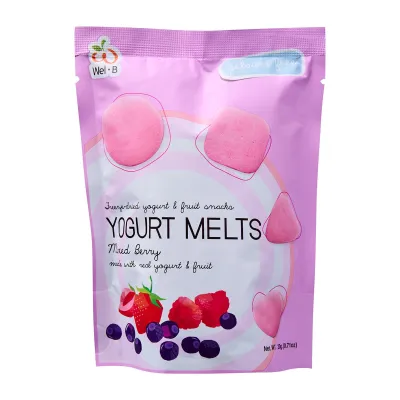
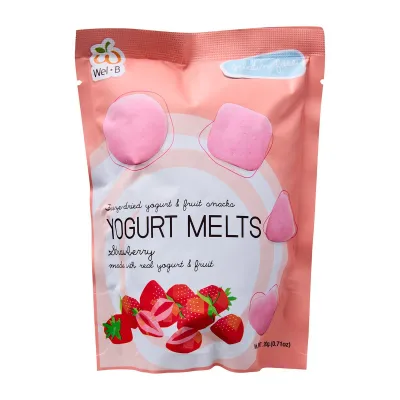
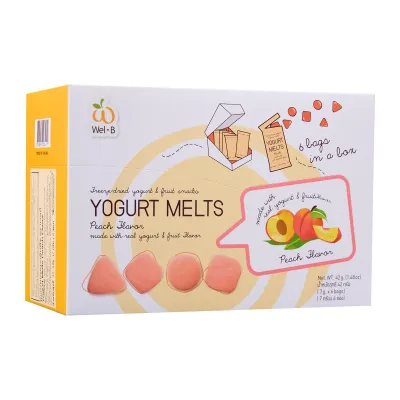
Prices are valid at publication and may change. Please refer to the product page for the latest price.
Evaluating the Choking Risk: Texture and Swallowing
Many parents assume that because commercial freeze-dried snacks are designed to dissolve, they are completely choke-proof. This is a common misconception. The physical properties of freeze-dried yogurt rely on rapid rehydration to break down. For a baby to consume these safely, they must produce sufficient saliva and possess the tongue coordination necessary to move the food around the mouth until it softens completely.
If a baby has a dry mouth, or if they attempt to swallow multiple pieces at once, the melts can clump together. This creates a sticky, semi-solid mass that can easily lodge in a small airway. Furthermore, if a baby bites off a piece of a dry melt that is too large, or tries to swallow it before it has softened, the hard edge of the snack can block the trachea before the dissolution process even begins.
It is vital for caregivers to distinguish between gagging and choking, as the two responses require entirely different reactions:
- Gagging: This is a normal, noisy, and protective reflex. When a piece of food travels too far back on the tongue before the baby is ready to swallow, the gag reflex pushes it forward. During a gagging episode, the baby will cough, sputter, or make retching sounds. Their face may turn red, but they are actively managing their airway. In this scenario, caregivers should remain calm, watch closely, and allow the baby to clear the food independently without intervening physically.
- Choking: This is a silent, life-threatening emergency. When a baby's airway is truly blocked, they cannot make sound, cry, or cough effectively. Their skin, lips, or fingernails may begin to turn blue or pale, and they will exhibit a look of panic or silent distress. This requires immediate, active physical intervention to clear the obstruction.
Environmental factors also play a massive role in choking risks. If a baby is distracted by a screen, laughing, crying, or moving around while eating, the risk of accidental inhalation of the snack increases dramatically. In Singapore’s highly humid tropical climate, there is an additional physical risk to consider. Once a package of freeze-dried snacks is opened, the ambient humidity causes the melts to absorb moisture rapidly from the air. Within a short time, they lose their crisp, dissolvable texture and become chewy, gummy, and highly sticky. This altered texture makes them significantly harder for an infant to break down, turning a normally dissolvable snack into a severe choking hazard. Always store opened packages in a strictly airtight container, or discard any melts that have lost their original dry, brittle texture.
Identifying Allergens and Reading Ingredient Labels
Commercial yogurt melts are highly processed foods, and their ingredient lists require careful scrutiny. Because the base ingredient is yogurt, dairy (cow’s milk protein) is the primary allergen present. Cow’s milk protein allergy (CMPA) is one of the most common food allergies in infants. If your baby has not yet been introduced to dairy products, yogurt melts should not be used as a casual snack until dairy has been safely and systematically introduced in a controlled manner.

Beyond dairy, manufacturing facilities often process multiple food items on the same equipment. This introduces the risk of cross-contamination with other major allergens, such as soy, wheat, gluten, tree nuts, or peanuts. When purchasing commercial snacks, parents must carefully read the allergen warnings on the packaging, looking for statements such as “manufactured in a facility that processes soy” or “may contain traces of wheat.”
Many commercial brands also add unnecessary ingredients to improve shelf life, texture, and taste. When evaluating products, look for the following items on the ingredient label:
- Added Sugars: Many brands use cane sugar, fruit juice concentrates, or syrups to sweeten their products. High sugar intake is not recommended for infants, as it can encourage a preference for overly sweet foods and impact dental health.
- Artificial Colors and Flavors: These serve no nutritional purpose and are best avoided in early childhood nutrition.
- Preservatives and Fillers: Ingredients like modified food starch, gelatin, or sodium phosphates are often added to maintain shape and shelf life. Prioritize brands that feature simple, recognizable, whole-food ingredient lists.
When introducing yogurt melts—or any new food containing potential allergens—always follow the standard pediatric introduction protocol. Offer a very small amount of the snack as the single new food of the day. Wait three to five days before introducing any other new ingredients. During this observation window, monitor your baby closely for any signs of an allergic reaction. Symptoms can range from mild to severe and may include hives, redness around the mouth, swelling of the lips or face, vomiting, diarrhea, or sudden congestion and breathing difficulties. If you observe any of these signs, stop serving the food immediately and seek medical advice.
Checking Developmental Readiness Before Serving
Chronological age is a poor metric for determining when a baby can safely handle solid foods. While many commercial baby food brands print age recommendations on their packaging (often suggesting readiness around 8 to 10 months), these guidelines are generic. Parents must assess their child’s individual physical milestones before offering small, dry, or dissolvable solids.
Before your baby can safely consume yogurt melts, they must consistently demonstrate the following developmental milestones:
- Independent Sitting: The baby must be able to sit completely upright in a high chair without slumping or leaning to the side. Good trunk control is essential for maintaining an open, aligned airway during swallowing.
- Head and Neck Control: The baby must have steady, strong control of their head. Any sudden head tilting or instability can cause food to slip down the throat prematurely.
- Disappearance of the Tongue-Thrust Reflex: Also known as the extrusion reflex, this involuntary response causes infants to push solid objects out of their mouth with their tongue. If your baby still automatically pushes food out when it is placed on their tongue, their oral-motor skills are not yet mature enough for solids.
- Active Interest in Food: The baby should actively watch you eat, reach for food, or open their mouth when food is presented.
- Oral-Motor Coordination: The baby must be able to move food from the front of their mouth to the back using their tongue, rather than simply letting it sit or pool in their cheeks.
- The Pincer Grasp: This fine motor skill involves using the thumb and index finger to pick up small objects. While not strictly a swallowing milestone, the development of the pincer grasp (typically occurring between 8 and 12 months) aligns with the physical ability to self-feed small items safely. If a baby can only use their whole fist to grab objects (the palmar grasp), they are highly likely to stuff too many melts into their mouth at once.
If you offer a yogurt melt and your baby consistently pushes it out with their tongue, lets it pool with saliva in their lower lip, or shows any signs of gagging or distress, they are not ready. Stop serving the snack immediately, store the package safely, and wait a few weeks before trying again. Every child develops at their own pace, and rushing this transition increases safety risks without providing any developmental benefit.
Safe Serving Practices and Active Supervision
Creating a controlled, distraction-free feeding environment is one of the most effective ways to mitigate the risks associated with yogurt melts. Safe serving practices require careful preparation of both the physical space and the portion sizes.
Always adhere to the following safety rules when serving these snacks:
- Maintain an Upright Seating Position: The baby must always be seated at a 90-degree angle in a supportive high chair equipped with a secure harness. Never serve snacks while the baby is in a car seat, a stroller, a baby swing, or while they are lying down. The vibrations and reclined angles of strollers and car seats significantly increase the risk of food slipping into the airway before it is chewed or dissolved.
- Practice Strict Portion Control: Do not place the entire bag or a large handful of melts on the high chair tray. A baby's natural instinct is to grab as much as possible, which often leads to them stuffing multiple pieces into their mouth simultaneously. Instead, place only one or two melts on the tray at a time. Force the baby to practice their pincer grasp on a single piece, and do not offer another until you have verified that the previous piece has been completely swallowed.
- Provide Continuous Active Supervision: Active supervision means keeping your eyes on your baby's face and mouth at all times. It requires you to be within arm's reach, completely free from distractions such as mobile phones, television, or household chores. Because choking is silent, you will not hear your baby if they are in trouble; you must be looking at them to recognize the emergency.
- Establish Clear "No-Snack" Boundaries: Never offer yogurt melts when your baby is overly tired, crying, laughing, or fussing. Emotional states and fatigue compromise swallowing coordination. Additionally, never allow an older sibling to feed the baby unsupervised, as they may not understand portion control or the signs of developmental readiness.
- Offer Water Post-Snack: Once your baby has finished eating, offer a small sip of water from an open cup or a straw cup. This helps wash down any sticky, sugary residue that may have adhered to the roof of their mouth, gums, or throat, ensuring their airway is completely clear.
Recognizing and Responding to Choking or Allergic Reactions
Despite taking every precaution, emergencies can still happen. Parents and caregivers must be fully prepared to identify and respond to both choking incidents and severe allergic reactions immediately.
If your baby is gagging, they will cough or make noise. In this situation, the best course of action is to stay calm, maintain eye contact, and let them clear it themselves. Never stick your fingers into your baby’s mouth to perform a “blind finger sweep.” Doing so is highly dangerous, as your finger can easily push the slippery yogurt melt further down the throat, turning a mild gagging incident into a complete airway obstruction.
If the baby is choking—meaning they are silent, unable to breathe, or turning blue—you must act immediately. If you are in Singapore, call the emergency services at 995 immediately or have someone else call while you begin first-aid measures. If you are close to a hospital, transport the baby to the nearest emergency department equipped for pediatric care, such as KK Women’s and Children’s Hospital (KKH) or the National University Hospital (NUH).
For severe allergic reactions, also known as anaphylaxis, look for symptoms such as sudden swelling of the face, lips, or tongue, hives spreading rapidly across the body, difficulty breathing, wheezing, or loss of consciousness. Anaphylaxis is a medical emergency that requires immediate treatment at an emergency department. If your child has a known severe allergy and has been prescribed an epinephrine auto-injector, administer it immediately according to your pediatrician’s instructions before seeking emergency medical help.
To ensure you can respond effectively to these high-stress situations, it is strongly recommended that all parents, grandparents, and domestic helpers complete a certified infant CPR and first-aid course. Local organizations, such as the Singapore Red Cross or St. John Singapore, offer hands-on training sessions. These courses teach the precise physical techniques—such as infant back blows and chest thrusts—needed to clear an infant’s airway safely, providing peace of mind that theoretical knowledge alone cannot offer.
Frequently Asked Questions (FAQ)
Can I make homemade yogurt melts for my baby?
Yes, you can prepare homemade yogurt melts using plain, unsweetened full-fat yogurt and smooth fruit purees. However, you must be aware that homemade versions carry different physical properties than commercial freeze-dried ones.
Homemade melts are typically frozen or dehydrated. Frozen melts will melt quickly in the mouth but can be very cold and hard initially, which may startle a baby or cause them to swallow the piece whole if they find the cold sensation uncomfortable. Dehydrated versions made in a home food dehydrator may not achieve the same highly porous, instant-dissolve texture as commercial freeze-drying technology, potentially resulting in a tougher, chewier product. Always test the dissolution rate of any homemade batch in your own mouth first to ensure it melts away rapidly without requiring chewing.
Do yogurt melts provide significant nutritional value?
While commercial yogurt melts do contain small amounts of calcium and active bacterial cultures (probiotics) from their yogurt base, they generally do not provide significant nutritional value. The freeze-drying process and the addition of starches, gelatin, and sugars mean these snacks are highly processed.
Rather than viewing them as a nutritional staple, it is best to treat yogurt melts as an occasional snack or a temporary tool for practicing fine motor skills and the pincer grasp. For the bulk of your baby’s nutritional needs, prioritize whole, minimally processed foods. Fresh fruit purees, steamed vegetable sticks, and plain, full-fat unsweetened Greek yogurt offer far superior nutritional profiles, providing essential vitamins, healthy fats, and proteins without the added sugars and preservatives found in packaged snacks.
Community discussion
Share your experience or ask a question. Comments are reviewed before publication.