
Determining whether Walch aloe vera wipes are safe for your baby’s sensitive skin requires looking beyond the brand name and examining the specific formulation printed on the package. Because product recipes can be updated and every infant’s skin barrier reacts differently, there is no universal “zero-risk” guarantee for any wipe. This guide helps you decode the ingredient list, identify potential irritants, and establish safe testing and usage routines to protect your baby’s skin before and during use.
Infant skin is significantly thinner, more permeable, and more susceptible to chemical irritation than adult skin. Consequently, a product that works perfectly for an adult or older child might trigger contact dermatitis or redness on a newborn or infant. By learning how to analyze the physical packaging and understanding the role of each ingredient, you can make an informed decision that prioritizes your baby’s comfort and skin health.
How to Verify Ingredients on the Product Label
To determine if a pack of Walch aloe vera wipes is suitable for your baby, start by locating the full ingredient list on the back or side of the packaging. Manufacturers typically list ingredients using the International Nomenclature of Cosmetic Ingredients (INCI) standard. This standardized system ensures that chemical and botanical names are consistent worldwide, allowing you to identify exactly what is touching your baby’s skin. Ingredients are listed in descending order of concentration, meaning the first few items make up the vast majority of the wipe’s liquid solution.
Products mentioned in this guide
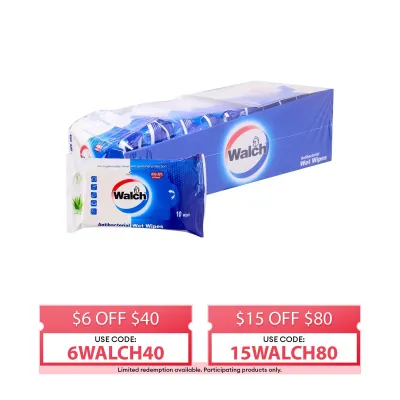
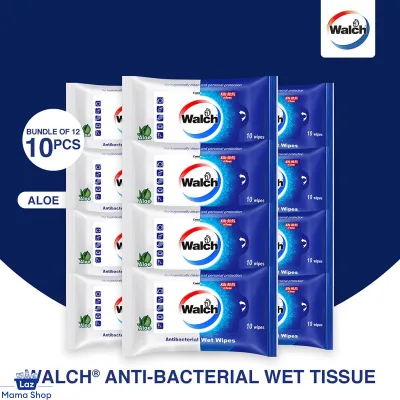
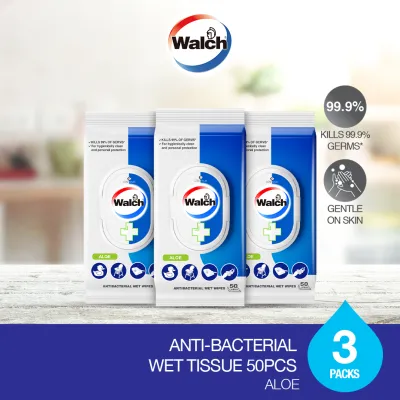
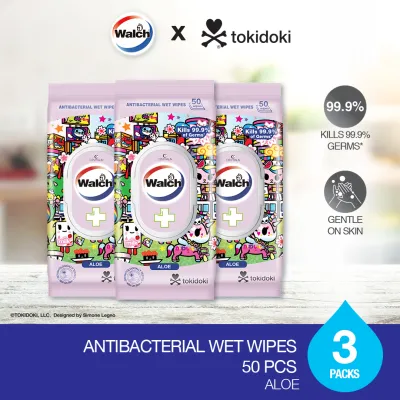

Prices are valid at publication and may change. Please refer to the product page for the latest price.
When reviewing the list, the primary base should ideally be purified water, often labeled as aqua. Next, look for the specific form of aloe used in the formulation, which is commonly listed as Aloe barbadensis leaf juice or extract. If the aloe extract is positioned near the very bottom of the list, it is present in a very low concentration, serving primarily as a marketing feature rather than a primary functional ingredient.
It is also important to evaluate front-of-pack marketing claims with a critical eye. Terms like “baby-safe,” “hypoallergenic,” or “suitable for sensitive skin” are helpful indicators, but they are not tightly regulated medical definitions. A product labeled “gentle” can still contain specific botanical extracts or preservatives that your individual baby might be sensitive to. Always cross-reference these claims with the actual chemical names on the back of the pack.
Finally, always verify the manufacturing date, batch number, and expiry date stamped on the packaging seam or back label. Wet wipes contain water and organic matter, making them highly susceptible to bacterial and mold growth if the preservative system degrades. Using wipes past their shelf life, or storing them in hot, humid environments, can cause the ingredients to break down, increasing the risk of both contamination and chemical irritation on delicate skin.
Common Wipe Ingredients to Check for Sensitive Skin
Preservatives are a necessary component of any wet wipe because they prevent the growth of harmful bacteria, yeast, and mold in a moist environment. However, some preservative systems are much harsher than others. Caregivers should check the label to ensure the wipes do not contain methylisothiazolinone (MI) or formaldehyde-releasing preservatives, which are widely recognized as common triggers for contact allergy in infants. Instead, look for milder preservative systems, such as sodium benzoate, citric acid, or phenoxyethanol, though even these should be monitored if your baby has extremely compromised skin.

Fragrances and essential oils are another major source of skin sensitization in young children. It is helpful to distinguish between “fragrance-free” and “unscented” labels on personal care products. A fragrance-free product contains no added perfume chemicals, whereas an unscented product may actually contain masking fragrances designed to neutralize the natural smell of the raw ingredients. While natural aloe vera has a very mild, clean scent, some wipes add synthetic perfumes to enhance the user experience, which can easily irritate a baby’s nasal passages and skin.
Surfactants and cleansing agents are included in wipes to help lift dirt, feces, and urine from the skin surface. For baby-safe applications, these surfactants should be exceptionally mild and non-ionic, such as decyl glucoside or coco-glucoside. Harsh anionic surfactants or strong degreasing agents can strip away the natural lipid barrier of the infant epidermis. When this protective barrier is compromised, the skin loses moisture rapidly, leading to dryness, chafing, and increased vulnerability to diaper rash.
Safe Usage Practices and Patch Testing for Babies
Before using any new wipe product across your baby’s entire diaper area or face, performing a localized patch test is a highly recommended safety measure. To conduct a patch test, take a single wipe and gently dab a small amount of the liquid solution onto a discreet area of your baby’s skin, such as the inner forearm or the side of the thigh. Do not rub the skin, as mechanical friction can skew the results by causing temporary redness.
Once the solution has been applied, monitor the test area closely over a 24-hour to 48-hour observation window. Keep the area clean and dry, and avoid applying other lotions or creams to that specific spot during the test. If you notice any signs of redness, swelling, tiny bumps, or if your baby scratches the area, discard the product and do not use it further. If the skin remains completely clear and normal after 48 hours, the wipes are generally considered safe for broader use on your baby.
When using the wipes during daily diaper changes, your physical technique is just as important as the product’s ingredients. Always use a gentle patting or dabbing motion rather than an aggressive wiping or scrubbing action. Repeated friction from rough wiping can cause mechanical erythema, which damages the outer layer of the skin and allows moisture and irritants to penetrate more deeply.
In warm and humid climates, managing skin moisture is a critical step in preventing diaper discomfort. After using a wet wipe, avoid immediately fastening a fresh diaper over the damp skin. Instead, allow the baby’s skin to air-dry completely for a few moments, or gently pat the area dry with a clean, dry cotton cloth. Trapping excess moisture inside a tight diaper creates a humid environment that encourages friction, skin breakdown, and fungal infections.
Signs of Irritation and When to Stop Use
Caregivers must remain vigilant for early visual and behavioral indicators of skin irritation. Visual signs of an adverse reaction include localized redness that does not fade, dry or flaky patches, tiny red bumps, or a raised rash in the areas where the wipe was used. Behavioral signs are equally telling; if your baby flinches, cries, or shows signs of distress specifically when the wipe touches their skin, this suggests a stinging or burning sensation.
If you suspect the wipes are causing irritation, initiate an immediate cessation protocol. Stop using the wipes immediately and switch to using plain, lukewarm water and soft, single-use cotton pads or a clean washcloth for diaper changes. Gently rinse the affected area to remove any residual chemical ingredients from the skin, and pat the area dry with a soft towel without rubbing.
While mild redness from minor irritation often resolves within a day or two of stopping the product, certain symptoms require professional medical evaluation. Consult a pediatrician or dermatologist if the redness spreads, develops open sores, blisters, or starts oozing. If the rash does not improve after a few days of using plain water and a gentle barrier cream, or if your baby is consistently fussy and unable to sleep due to discomfort, seek professional advice. When you visit the clinic, bring the physical wipe packaging with you so the doctor can review the exact ingredient list to help identify the specific allergen.
Frequently Asked Questions (FAQ)
Can I use adult aloe vera wipes on a baby?
No, you should avoid using adult personal care wipes on a baby. Wipes formulated for adults frequently contain higher concentrations of synthetic fragrances, alcohol, and stronger preservative systems designed for mature, thicker skin. These ingredients can easily penetrate an infant’s delicate skin barrier, leading to chemical burns, severe dryness, or allergic contact dermatitis. Always choose products specifically formulated, labeled, and tested for infants.
Does aloe vera naturally soothe diaper rash?
While pure aloe vera is widely recognized for its hydrating, cooling, and soothing properties on intact skin, cosmetic wipes containing aloe extract are not medical treatments for active diaper rash. If your baby has an active, broken, or severe diaper rash, the skin barrier is compromised, and even gentle botanical extracts can cause a stinging sensation. For active diaper dermatitis, consult a healthcare professional for an appropriate therapeutic barrier cream rather than relying on cosmetic wet wipes.

Community discussion
Share your experience or ask a question. Comments are reviewed before publication.