
Determining whether Uzumi wet wipes are safe for your newborn requires a careful examination of their specific product packaging, ingredient list, and manufacturing standards. Because newborn skin is exceptionally delicate and still developing its protective barrier, no single wipe brand can be universally declared safe for every infant without verifying the formulation first. Parents must learn to read the ingredient label on their specific pack of Uzumi wipes, check for potential irritants, and perform a localized patch test to ensure compatibility with their baby’s skin.
By understanding what goes into baby wipe formulations and how these ingredients interact with sensitive skin, you can make an informed decision. This guide breaks down the science of newborn skin, explains how to decode the ingredient list on Uzumi packaging, and outlines the steps to safely introduce any new wipe into your diapering routine.
Why Ingredient Transparency Matters for Newborn Skin
A newborn’s skin is vastly different from adult skin, requiring specialized care and extreme caution regarding topical products. At birth, the outer layer of the skin, known as the stratum corneum, is up to 30% thinner than that of an adult. This thinness makes the skin highly permeable, meaning it absorbs chemical substances much more rapidly and deeply into the underlying tissue.
Products mentioned in this guide


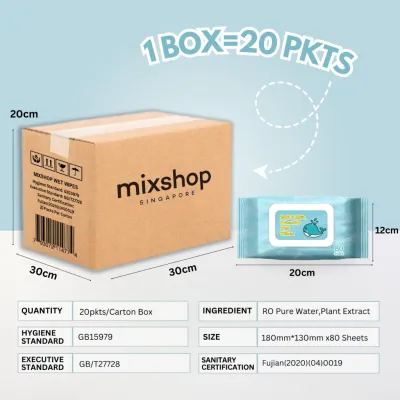
Prices are valid at publication and may change. Please refer to the product page for the latest price.
Furthermore, newborn skin is highly susceptible to trans-epidermal water loss, which can lead to rapid dryness, cracking, and irritation. The protective acid mantle—a thin, slightly acidic film on the skin’s surface that fends off harmful bacteria—takes several weeks to fully develop. Introducing harsh chemicals or alkaline substances during this critical developmental window can disrupt this fragile barrier, paving the way for painful diaper rashes and allergic contact dermatitis.
Many commercial baby products carry broad marketing claims such as “hypoallergenic,” “natural,” or “baby-safe” on the front of the packaging. While these terms are designed to reassure parents, they are often self-defined by manufacturers rather than regulated by strict external standards. True safety lies not in marketing slogans, but in the actual, verifiable chemical formulation listed on the back of the pack.
To protect your newborn’s skin, prioritize products with minimal, transparent ingredient lists. A shorter list of ingredients statistically reduces the likelihood of an adverse reaction. Additionally, ensuring the formula is pH-balanced to match the natural acidity of healthy skin (around pH 5.5) helps support the skin’s natural defenses during daily cleaning.
How to Read the Uzumi Wet Wipes Ingredient List
To evaluate the safety of Uzumi wet wipes, you must locate and scrutinize the full ingredient list. Legally, manufacturers must print this list on the physical packaging, usually on the back or bottom of the pack. If you are purchasing these wipes from online marketplaces or local e-commerce platforms, always check the product description or request a clear photograph of the ingredient label from the seller before buying.

Ingredients on cosmetic and personal care products are listed in descending order of concentration. This means the ingredients at the very top of the list make up the vast majority of the liquid formula, while those at the bottom are present in very small quantities. When reviewing Uzumi wipes, the first few ingredients will give you the most accurate picture of what is actually touching your baby’s skin.
The primary ingredient in any high-quality baby wipe is almost always water, which acts as the base solvent to dissolve cleansing agents and skin conditioners. On the Uzumi label, look for terms like “purified water” or “EDI water.” EDI, or electrodeionization, refers to an advanced water purification process that removes dissolved solids, ions, and microorganisms, resulting in an ultra-pure liquid base that minimizes the risk of introducing contaminants to sensitive skin.
Beneficial and Soothing Components to Look For
When examining the ingredient list on Uzumi wet wipes, look for mild, plant-derived surfactants and natural extracts that support skin health. Gentle cleansing agents, such as coco-glucoside or decyl glucoside, are derived from coconut or corn and effectively lift away impurities without stripping the skin of its natural, protective lipids.
Moisturizing agents and humectants are also valuable additions to a newborn wipe formula. Ingredients like glycerin, panthenol (provitamin B5), or propylene glycol help draw moisture from the air into the skin, maintaining hydration during and after the wiping process. These humectants act as a temporary shield, reinforcing the fragile skin barrier against friction and wetness.
Many baby wipes incorporate botanical extracts, such as aloe barbadensis leaf extract, chamomile (chamomilla recutina), or calendula, to provide soothing, anti-inflammatory benefits. While these natural ingredients can help calm irritated skin, it is essential to cross-reference them with any known family history of allergies. Even natural plant extracts can occasionally trigger localized allergic reactions in highly sensitive infants.
Potential Irritants and Chemicals to Verify
Parents must actively check the Uzumi ingredient list for potential irritants that are unsuitable for newborn skin. Chief among these are harsh preservatives, synthetic fragrances, and drying alcohols. While preservatives are mandatory to prevent the growth of harmful mold and bacteria in wet wipes, certain types, such as parabens, methylisothiazolinone (MIT), and formaldehyde-releasers, are known sensitizers and should be avoided.
Synthetic fragrances are a leading cause of cosmetic contact dermatitis in infants. On the packaging, these may be disguised under generic terms like “parfum” or “fragrance,” which can represent a mixture of dozens of undisclosed chemicals. Drying alcohols, such as ethanol, ethyl alcohol, or isopropyl alcohol, should also be avoided as they strip away essential moisture, leading to severe dryness and skin cracking.
It is important to distinguish drying alcohols from fatty alcohols, such as cetearyl alcohol or stearyl alcohol, which are actually moisturizing agents and generally safe for baby skin. If you encounter an unfamiliar chemical name on the Uzumi packaging, consult your pediatrician or utilize a trusted, independent cosmetic safety database to verify its safety profile before use.
Verifying Safety Certifications and Product Labels
Beyond the ingredient list, third-party safety certifications provide an extra layer of reassurance for parents. Look for recognized dermatological testing marks on the Uzumi packaging, such as “dermatologically tested,” “hypoallergenic,” or “pediatrician-approved.” Keep in mind that “dermatologically tested” simply means the product was evaluated under the supervision of a dermatologist; it does not guarantee a complete absence of skin reactions for every individual baby.
Always check the packaging for essential manufacturing details, including the batch number, manufacturing date, and expiry date. Wet wipes have a limited shelf life, and using expired wipes increases the risk of microbial contamination, especially once the plastic seal has been opened and exposed to air. Ensure the packaging features a secure, resealable lid or adhesive tab to keep the wipes sterile and moist.
Be cautious of general marketing claims that lack specific context. For example, a label claiming “free from harmful chemicals” should be backed up by a specific list of excluded substances, such as “0% alcohol, parabens, and phthalates.” If a brand claims suitability for newborns, verify whether the packaging explicitly states it is formulated for “newborns” or “ultra-sensitive skin,” as these formulas typically contain fewer ingredients than standard baby wipes.
Safe Usage Practices and Monitoring Skin Reactions
Even if the ingredient list on your Uzumi wet wipes appears completely safe, you should always introduce them gradually. Before using a new wipe brand for full diaper changes or body cleaning, perform a localized patch test. Gently swipe a single wipe on a small, clean area of your baby’s skin, such as the inner forearm or the upper thigh, and wait 24 to 48 hours to monitor for any signs of irritation.
When using wet wipes, employ proper, gentle wiping techniques to minimize physical friction. Avoid rubbing or scrubbing the skin vigorously, as mechanical friction can easily damage the thin epidermal layer of a newborn. Instead, use soft, single-direction sweeps, and allow the skin to air-dry completely before applying a fresh diaper or diaper cream.
Monitor your baby’s skin closely for any visual signs of an adverse reaction. Symptoms of contact dermatitis or irritation include localized redness, raised red bumps, dry or flaky patches, or a sudden diaper rash that does not improve with standard barrier creams. If you observe any of these signs, stop using the wipes immediately, cleanse the area with plain, lukewarm water, and consult a healthcare professional for guidance.
Frequently Asked Questions (FAQ)
Can I use Uzumi wet wipes on my newborn's face and hands?
Facial skin is significantly thinner and more sensitive than the skin on a baby’s bottom, and newborns frequently put their hands into their mouths, increasing the risk of ingesting wipe ingredients. You should only use Uzumi wet wipes on your newborn’s face and hands if the packaging explicitly states that the formula is safe for facial and oral contact. During the first few weeks of life, many pediatricians recommend using plain, lukewarm water and soft, reusable cotton pads for facial cleaning to minimize the risk of irritation or accidental ingestion of cosmetic ingredients.
What should I do if my baby develops a rash after using these wipes?
If your baby develops a rash after using Uzumi wet wipes, the immediate step is to discontinue using the wipes completely to prevent further exposure to potential irritants. Cleanse the affected area gently using only plain, lukewarm water and a soft washcloth, then pat the skin dry with a clean towel without rubbing. Apply a thick layer of a fragrance-free diaper barrier cream containing zinc oxide to protect the skin from moisture. If the rash spreads, develops blisters, oozes, or is accompanied by a fever or signs of distress, seek professional medical advice from a pediatrician or dermatologist immediately.

Community discussion
Share your experience or ask a question. Comments are reviewed before publication.