
When determining whether Tollyjoy baby wipes are safe for your newborn, the answer depends heavily on the specific product variant you choose and your infant’s unique skin sensitivity. Tollyjoy offers several lines of baby wipes, ranging from fragrance-free and pure water formulations to scented options. Because manufacturers may update their formulations over time, caregivers must physically check the ingredient list on the packaging before use. No wipe is universally guaranteed to be irritation-free for every infant. Introducing any new product to a newborn requires careful observation, a preliminary patch test, and close monitoring of the skin’s reaction during the first few days of use.
Why Newborn Skin Needs Careful Ingredient Selection
A newborn baby’s skin is structurally different from adult skin. During the first few months of life, an infant’s outer skin layer, the stratum corneum, is up to 30 percent thinner than an adult’s. This structural difference means the skin barrier is highly permeable, allowing topical chemicals, environmental impurities, and potential irritants to penetrate and absorb into the body much more easily.
Additionally, a newborn’s skin barrier is still developing its natural moisture-retaining capabilities. This makes infants highly susceptible to transepidermal water loss, a process where essential moisture evaporates rapidly from the skin, leaving it dry, flaky, and prone to micro-cracks. In a warm, humid climate like Singapore, this delicate balance is further challenged. High humidity and heat can lead to increased sweating, which traps moisture in the skin folds of the diaper area. When sweat mixes with the alkaline properties of urine and fecal enzymes, it creates a highly corrosive environment that can rapidly break down the skin’s protective acid mantle.
Products mentioned in this guide
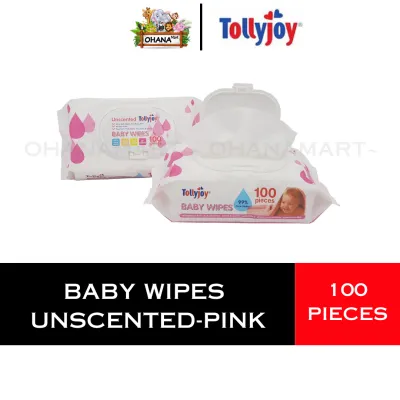
Prices are valid at publication and may change. Please refer to the product page for the latest price.
Because baby wipes are designed for frequent use and leave a residual liquid film that stays in prolonged contact with the skin under an occlusive diaper, ingredient selection is critical. Harsh chemicals, synthetic fragrances, or strong preservatives can easily disrupt the fragile epidermal barrier, leading to contact dermatitis, painful chafing, and persistent diaper rash. To protect this vulnerable skin, caregivers must prioritize wipes formulated with minimal, highly refined, and soothing ingredients that support, rather than strip, the natural skin barrier.
How to Read and Verify Tollyjoy Wipe Ingredients
Navigating the back of a baby wipe package can feel overwhelming, but learning to decode the label is the most reliable way to ensure your newborn’s safety. The first step is to locate the ingredient list, which is legally required to follow the International Nomenclature of Cosmetic Ingredients (INCI) standard. This list is arranged in descending order of concentration, meaning the ingredients used in the highest quantities are listed first.

When examining a pack of Tollyjoy wipes, the primary base ingredient should always be water, often listed as Aqua, Purified Water, or Deionized Water. In high-quality baby wipes, purified water constitutes over 98% to 99% of the liquid formulation. This high water content is essential because it dilutes the necessary cleansing agents and preservatives, minimizing the risk of localized skin reactions.
Next, look for specific manufacturing certifications and dermatological claims printed on the physical packaging. Labels such as “Dermatologically Tested,” “Pediatrician Approved,” or “Hypoallergenic” indicate that the product has undergone safety evaluations. However, caregivers should treat these marketing claims as starting points rather than absolute guarantees of safety. Always verify these claims by cross-referencing them with the actual ingredient list on the physical pack in your hand.
Finally, always inspect the packaging for the manufacturing date, expiration date, and batch information. In warm, tropical environments, wet wipes are highly susceptible to microbial contamination if stored incorrectly or kept past their shelf life. The preservative system within the wipe package is carefully calibrated to keep the product sterile for a specific timeframe. Using expired wipes, or wipes that have been exposed to direct sunlight and high heat, compromises this preservative system, potentially exposing your newborn’s skin to harmful bacteria or mold.
Which Wipe Ingredients Are Gentle vs. Potentially Irritating
Understanding the chemical makeup of baby wipes allows you to make informed decisions. Ingredients generally fall into two categories: those that support skin health and those that present a higher risk of irritation for newborns.
Beneficial and Gentle Ingredients
When reviewing the ingredient list on a pack of Tollyjoy wipes, look for components designed to cleanse gently while maintaining skin hydration:
- Purified Water (Aqua): This serves as the safest, most neutral solvent to lift away waste without irritating open skin.
- Glycerin: A natural humectant that draws moisture from the air into the outer layers of the skin, helping to counteract transepidermal water loss.
- Aloe Barbadensis Leaf Extract and Chamomilla Recutita Flower Extract: These plant-derived botanicals are widely recognized for their skin-soothing and anti-inflammatory properties. However, caregivers should note that even natural botanical extracts can occasionally trigger individual allergic reactions in highly sensitive infants.
- Mild, Non-Ionic Surfactants: Ingredients like Coco-Glucoside or Decyl Glucoside are gentle cleansing agents. They lower the surface tension of water to lift lipid-soluble fecal matter off the skin easily, without stripping away the skin's natural protective lipids.
Ingredients to Avoid or Use with Caution
Newborn skin is highly reactive, and certain ingredients commonly used in adult personal care products should be avoided in diaper wipes:
- Added Fragrances and Essential Oils: Often listed on packaging simply as "Parfum" or "Fragrance," these synthetic or natural aromatic compounds are among the leading causes of contact allergy and skin sensitization in young infants. They provide no cleansing utility and should be avoided entirely for newborns.
- Harsh Preservatives: Preservatives such as parabens (e.g., Methylparaben, Propylparaben) and Methylisothiazolinone (MIT/MI) have been heavily restricted or phased out of infant leave-on products due to links to skin sensitization and endocrine concerns. Caregivers should verify that the wipes are formulated without these compounds.
- Drying Alcohols: Avoid wipes containing Ethanol, Isopropyl Alcohol, or Alcohol Denat. These volatile alcohols evaporate quickly, stripping away the skin's moisture barrier and causing severe dryness and irritation. This is distinct from safe fatty alcohols, such as Cetearyl Alcohol or Cetyl Alcohol, which act as non-irritating emollients to soften the skin.
Caregivers must carefully cross-reference the ingredient list of the specific Tollyjoy variant they purchase against these categories to ensure they are selecting the mildest possible option for their newborn.
Safe Wiping Practices and When to Stop Using a Product
Even the most gently formulated baby wipe can cause skin issues if used incorrectly. To minimize the risk of irritation, caregivers should adopt safe wiping practices and know how to monitor their baby’s skin.
Before using any new pack of Tollyjoy wipes across the entire diaper area, perform a simple patch test. Take a single wipe and gently swipe a small, inconspicuous area of your newborn’s skin, such as the inner forearm or the side of the thigh. Wait 24 hours to observe the area. If you notice any localized redness, swelling, dryness, or tiny bumps, discontinue use immediately. If the skin remains clear, the product is generally safe to introduce into your daily routine.
When cleaning your baby during diaper changes, your physical technique is just as important as the product’s ingredients. Always practice a gentle patting or light wiping motion. Avoid harsh rubbing or scrubbing, which creates physical friction. This friction can cause microscopic tears in the fragile stratum corneum, compromising the skin barrier and allowing bacteria and moisture to penetrate, which rapidly triggers diaper rash.
Monitor your newborn’s skin during and after every diaper change for early signs of an adverse reaction. These signs include:
- Localized redness or inflammation that aligns with the wiping pattern.
- Unusual skin dryness, rough patches, or peeling.
- The sudden appearance of a red, bumpy rash.
- Signs of physical discomfort, such as crying, flinching, or fussiness when the wipe touches the skin.
If you observe any of these symptoms, stop using the wipes immediately. Transition to cleaning the diaper area using plain, lukewarm water and soft, disposable cotton cloths or sterile cotton balls. Allow the skin to air dry completely before applying a thick layer of fragrance-free barrier cream containing zinc oxide or petrolatum to protect the compromised skin. If the rash does not improve within 24 to 48 hours, begins to blister, oozes, spreads beyond the diaper area, or causes your baby significant distress, consult a pediatrician or qualified healthcare professional immediately.
Frequently Asked Questions (FAQ)
Can I use Tollyjoy wipes on my newborn's face and hands?
You should always check the specific Tollyjoy packaging to see if the manufacturer has explicitly cleared that variant for facial and hand use. If the product is scented or contains surfactants designed primarily for diaper cleansing, avoid using it on the face. A newborn’s eyes are highly sensitive to chemical residues, and infants frequently put their hands in their mouths, which can lead to the accidental ingestion of wipe ingredients. For facial cleansing, it is safest to use plain water with a soft, clean cotton cloth, or wipes specifically formulated and labeled as safe for hands, mouth, and face.
Do Tollyjoy baby wipes expire?
Yes, baby wipes have a distinct expiration date that caregivers must respect. The preservative system within the wet wipes is designed to prevent the growth of mold, yeast, and bacteria in a dark, moist environment. Over time, particularly after the package has been opened or exposed to warm temperatures, these preservatives degrade and lose their efficacy. Using expired wipes can introduce harmful pathogens directly to your newborn’s delicate skin barrier, increasing the risk of infection. Always locate and check the printed expiry date on the plastic seal or the back seam of the Tollyjoy package before use.
What should I do if my newborn develops a rash after using these wipes?
If your newborn develops a rash, stop using the wipes immediately. Cleanse the diaper area gently using only lukewarm water and soft cotton pads, avoiding any rubbing. Let the skin air dry completely; trapping moisture under a diaper will worsen the irritation. Once dry, apply a generous layer of a plain, fragrance-free diaper barrier cream to shield the skin from urine and feces. If the rash does not show signs of improvement within 24 hours, spreads, develops blisters or pus, or if your baby seems in pain, seek advice from a pediatrician or healthcare professional right away.

Community discussion
Share your experience or ask a question. Comments are reviewed before publication.