
The Short Answer: Are Thin Cotton Swabs Safe?
Parents naturally want to keep their babies clean and comfortable, which often leads to inspecting every tiny crevice, including the ears and nose. When you notice wax or dried mucus, it is tempting to reach for a grooming tool. Many parents in Singapore opt for specialized infant products, believing that a pigeon cotton swab thin profile makes it perfectly safe to clear out these tight spaces. However, the short answer from pediatricians and ENT specialists is clear: thin cotton swabs are safe only for external grooming and must never be inserted into a baby’s ear canal or nasal cavity.
The boundary between safe and unsafe use is absolute. Safe grooming is strictly limited to the outer ear (the pinna) and the very outer rim of the nostrils. The misconception that a thinner tip or a “baby-specific” design makes internal cleaning safe is widespread. While these specialized swabs are excellent for precise external cleaning, the anatomical vulnerability of an infant’s ears and nasal passages remains the same regardless of how thin the cotton tip is. Inserting any object into these delicate pathways carries significant medical risks that far outweigh any perceived cosmetic benefit.
The Risks of Inserting Cotton Swabs in Baby Ears and Noses
Understanding the anatomical reasons behind pediatric warnings can help parents resist the urge to use cotton buds internally. The human ear canal is a self-cleaning system. Earwax, or cerumen, is naturally produced in the outer portion of the canal to trap dust, dirt, and bacteria, preventing them from reaching the deeper parts of the ear. When you insert a cotton swab—even a highly precise pigeon cotton swab thin bud—into the ear canal, it does not reliably scoop wax out. Instead, it acts like a piston in a cylinder, pushing the wax deeper into the canal and compacting it against the tympanic membrane (the eardrum). This can lead to painful wax impaction, temporary hearing loss, and ringing in the ear.
Products mentioned in this guide
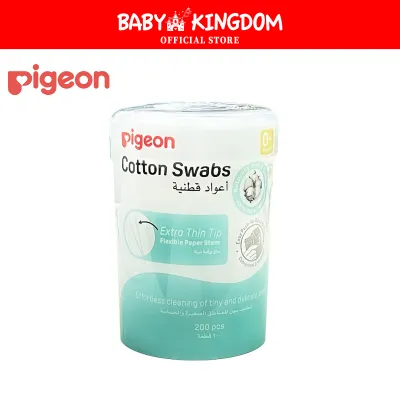
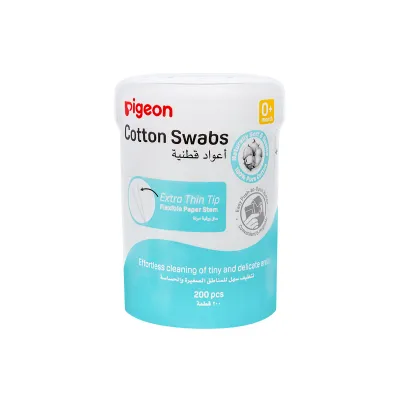
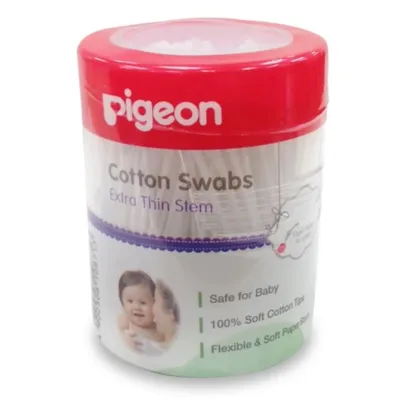
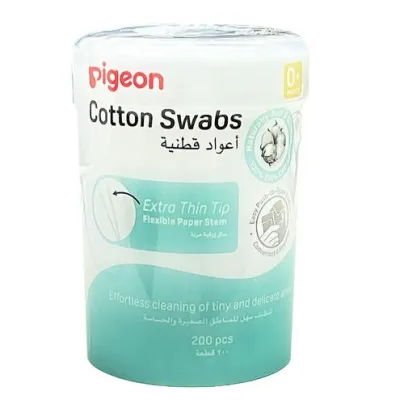
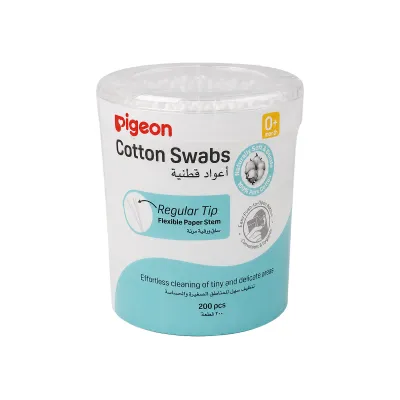
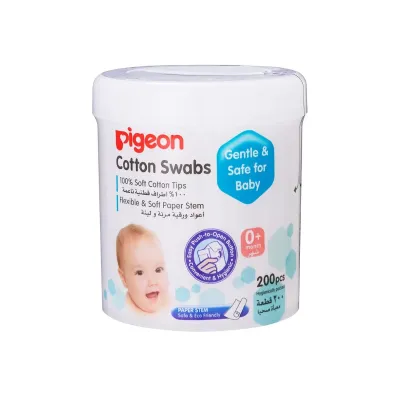
Prices are valid at publication and may change. Please refer to the product page for the latest price.

Furthermore, the skin lining a baby’s ear canal is incredibly thin and fragile. The mechanical friction of a cotton tip can easily cause micro-tears or scratches. In Singapore’s warm and humid climate, these tiny breaks in the skin create an ideal breeding ground for bacteria and fungi, frequently resulting in painful outer ear infections (otitis externa). An even greater danger is the risk of sudden movement. Babies are unpredictable and can flinch, roll, or startle without warning. If a baby moves suddenly while a swab is inside their ear, the tip can easily puncture the delicate eardrum, causing immediate pain, bleeding, and potential long-term hearing impairment.
The risks associated with the nasal passages are equally serious. The interior of a baby’s nose is lined with a highly sensitive, vascular mucous membrane known as the nasal mucosa. The blood vessels here are positioned very close to the surface, making them highly susceptible to rupturing. Inserting a cotton swab, even a thin one, can easily scratch this lining and trigger nosebleeds. Additionally, rather than extracting mucus, a swab often pushes dry or sticky secretions further up into the nasal cavity, potentially blocking the narrow airway or pushing irritants deeper into the respiratory system.
It is vital to recognize that a thinner cotton tip does not eliminate these hazards. While a thin design reduces the physical barrier when wiping outer surfaces, it actually makes deep, accidental insertion easier if a parent is not careful. Thinner stems may also offer less resistance, making it harder to feel when the tip has gone too far. Finally, low-quality or improperly stored swabs can shed loose cotton fibers. If left behind in the narrow, moist passages of a baby’s nose or ear, these fibers can cause persistent irritation, inflammation, or localized infections.
How to Safely Use Thin Cotton Swabs for External Grooming
Thin cotton swabs are highly valuable tools when used correctly for external hygiene. To ensure safety, parents should follow a careful, structured routine that minimizes risks while keeping the baby comfortable.
Outer Ear Cleaning To clean the outer ear, wait until after bath time when the warm water has naturally softened any accumulated grime or wax. Hold the baby securely on a flat, stable surface, ensuring they are calm and distracted. Hold the thin cotton swab close to the cotton tip to give yourself maximum control and prevent accidental slips. Gently wipe the outer folds of the ear, known as the pinna or auricle, to collect any moisture, sweat, or loose wax that has naturally migrated outward. Next, gently run the swab along the crease behind the ear. This area is highly prone to accumulating milk residue, sweat, and dead skin cells, which can lead to redness and yeast infections if left uncleaned. Never push the swab toward or into the ear canal opening.
Outer Nostril Wiping For nasal grooming, limit the use of thin cotton swabs to the very entrance of the nostrils. If you see dry, loose mucus sitting right at the edge of the nostril, you can use a dry or slightly damp swab to gently sweep it away. Ensure the baby’s head is stabilized with your non-dominant hand to prevent sudden head turns. Sweep the swab in a gentle, outward circular motion around the rim of the nostril. Under no circumstances should you push the swab upward into the nasal passage. If the mucus is stubborn or deep, transition to safer alternative methods rather than trying to reach it with a swab.
Other Safe Grooming Uses Thin cotton swabs are versatile tools for other delicate areas of baby care:
- Belly Button Care: Use a clean, dry swab to gently clean the outer folds of the belly button. If your baby's umbilical cord stump is still healing, follow your pediatrician's instructions to keep the area clean and dry, using a swab to gently absorb moisture around the base without pulling at the stump.
- Skin Creases: Apply small amounts of diaper cream, barrier ointment, or soothing lotion to tight skin folds, such as the neck creases, thigh rolls, or underarms, where moisture frequently causes chafing.
- Eye Hygiene: If your baby has mild discharge or crusting around their eyes, moisten a fresh swab with sterile water or saline. Gently wipe from the inner corner of the eye outward. Crucially, use a separate, fresh swab for each eye to prevent the cross-contamination of potential infections.
Handling and Safety Precautions Always perform grooming tasks in a well-lit room where you can clearly see the area you are cleaning. Never attempt to use a cotton swab on a crying, thrashing, or highly active baby. Wait for a quiet moment, such as after a feed or when they are relaxed. Always keep cotton swabs completely out of your baby’s reach, and never let them hold or play with a swab, as they may mimic your actions and insert it into their own ears or nose. Finally, always inspect the specific product packaging for manufacturer warnings, age recommendations, and material certifications before use. If instructions conflict, the item is unidentified, or the use is not covered, stop and consult the manufacturer or a qualified professional.
Safe Alternatives for Clearing Baby Earwax and Nasal Congestion
When babies experience nasal congestion or visible earwax, parents often feel an urgent need to clear it to help them breathe or hear better. Fortunately, there are highly effective, pediatrician-approved alternatives that do not carry the risks of cotton swabs.
Safe Methods for Nasal Congestion
Infants are obligatory nose-breathers, meaning nasal congestion can significantly impact their feeding, sleeping, and overall comfort. To safely clear a stuffy nose, start by using pediatric saline drops or a gentle saline spray. Saline is a simple, sterile salt-water solution that naturally thins and loosens thick, stubborn mucus without irritating the nasal lining. Administer one to two drops into each nostril while holding the baby slightly upright, and wait about a minute to allow the solution to work.
Once the mucus is softened, use a nasal aspirator to gently extract it.
- Bulb Syringes: Squeeze the rubber bulb to expel the air, gently place the soft tip just inside the entrance of the baby's nostril (never push it deep), and slowly release your grip on the bulb to draw the mucus out. Squeeze the extracted mucus onto a tissue, and repeat for the other nostril.
- Manual or Electric Suction Devices: Manual aspirators allow you to create suction by gently drawing air through a mouthpiece connected to a tube with a soft silicone tip and a protective hygiene filter. Electric aspirators offer consistent, battery-powered suction. When choosing an aspirator, look for models that feature soft, medical-grade silicone tips, built-in hygiene filters to prevent cross-contamination, and adjustable, gentle suction levels designed specifically for newborns. Always disassemble and thoroughly clean the aspirator after each use according to the manufacturer's care instructions to prevent mold and bacterial growth.
Safe Methods for Earwax Management
It is important to understand that earwax is not a sign of poor hygiene. Cerumen plays a vital role in protecting the ear canal from dust, water, and infections. The human ear is naturally self-cleaning; normal jaw movements from sucking, crying, and swallowing gradually push old earwax from the inner canal to the outer ear, where it dries up and falls away unnoticed.
To manage earwax safely at home, simply use a warm, damp washcloth wrapped around your index finger to gently wipe the outer ear during bath time. This easily removes any wax that has naturally migrated to the outside. If you suspect your baby has a significant earwax buildup—indicated by discomfort, rubbing at the ear, or a visible, hard plug blocking the canal—never attempt to dig, scoop, or flush it out at home. These situations require professional medical evaluation. A doctor can safely examine the ear canal using an otoscope and, if necessary, use specialized pediatric ear drops or professional micro-suction tools to clear the blockage safely.
Warning Signs: When to Stop and See a Pediatrician
While routine external grooming is straightforward, parents must remain vigilant and recognize when a situation requires professional medical care. If you suspect an injury or infection has occurred, stop all home cleaning efforts immediately.
Signs of Ear Injury or Infection Contact a pediatrician or visit a general practitioner (GP) clinic in Singapore if you observe any of the following symptoms:
- Any fluid, pus, or blood draining from the ear canal.
- A persistent foul odor coming from the ear.
- The baby frequently pulling, rubbing, or scratching at their ear, which can indicate pain or discomfort.
- Unexplained, inconsolable crying, particularly when the baby is lying down, as lying flat increases pressure in the middle ear.
- A sudden fever or signs of hearing difficulty, such as not responding to familiar sounds or voices.
Signs of Nasal Injury Seek medical attention if you notice any of these nasal red flags:
- Persistent or heavy nosebleeds that do not stop after applying gentle pressure to the outer nostrils for a few minutes.
- Significant swelling, redness, or bruising around the nose or bridge.
- Sudden difficulty breathing, nasal flaring, or wheezing, which indicates a blocked airway.
Action Plan If a piece of cotton from a swab becomes detached and lodged inside your baby’s ear or nose, do not attempt to fish it out yourself. Using household tools like tweezers or your fingers almost always pushes the object deeper, increasing the risk of eardrum perforation or airway blockage. Keep your baby as calm as possible and seek prompt medical evaluation from a qualified professional who has the specialized lighting and instruments to safely extract the foreign material.
Frequently Asked Questions (FAQ)
Can I use thin cotton swabs to clean my baby’s belly button?
Yes, thin cotton swabs are highly effective for gently cleaning the outer folds of your baby’s belly button. If your newborn’s umbilical cord stump is still healing, you can use a dry or doctor-approved swab to keep the area clean and dry, helping to prevent moisture accumulation. Always be incredibly gentle and never pull, tug, or apply friction to the stump itself, allowing it to fall off naturally.
What should I do if cotton gets stuck in my baby’s ear?
If a piece of cotton detaches from a swab and becomes lodged in your baby’s ear canal, do not attempt to retrieve it using tweezers, your fingers, or another cotton swab. Doing so is highly likely to push the cotton deeper, risking damage to the eardrum or compacting it against the canal walls. Keep your baby calm, prevent them from rubbing their ear, and seek immediate medical assistance from a doctor or pediatric clinic to have it safely removed using professional instruments.
Community discussion
Share your experience or ask a question. Comments are reviewed before publication.