
The Short Answer: Safety and Medical Consensus
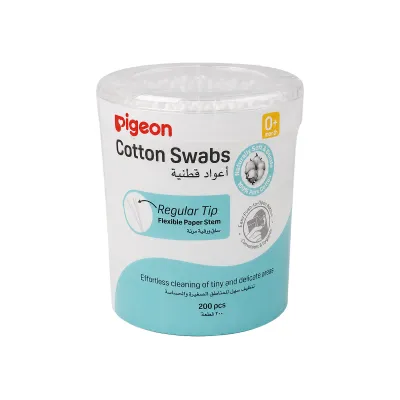
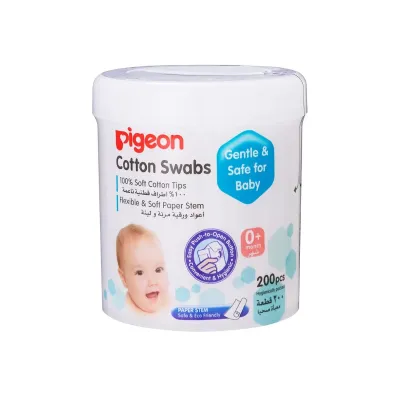
As a new parent, keeping your baby clean and comfortable is a top priority. When you notice tiny flakes of dry mucus in your newborn’s nose or a bit of yellow wax in their ears, your first instinct might be to reach for a specialized grooming tool. You may have purchased a package of a popular option like the pigeon cotton swab thin variety, specifically designed with an ultra-thin paper stem and a miniature cotton tip for delicate grooming. However, before you begin, it is vital to understand the safe boundaries of newborn hygiene.
The short answer from pediatricians and medical experts is clear: thin cotton swabs are safe to use only on the visible, outer areas of a newborn’s ears and nose. They must never, under any circumstances, be inserted into the ear canal or deep into the nasal cavity.
A newborn’s ears and nasal passages are highly delicate, and they are also largely self-cleaning. The body naturally moves earwax and mucus outward over time. Introducing any foreign object—no matter how thin or soft—into these narrow passages interferes with this natural process and introduces significant safety risks. While products like the thin cotton swab from Pigeon are excellent for external grooming, they require precise, careful handling to ensure your baby remains safe and unharmed.
Products mentioned in this guide
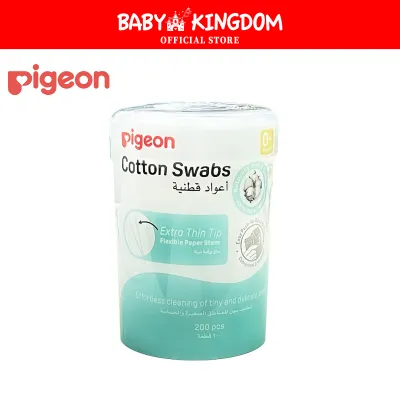
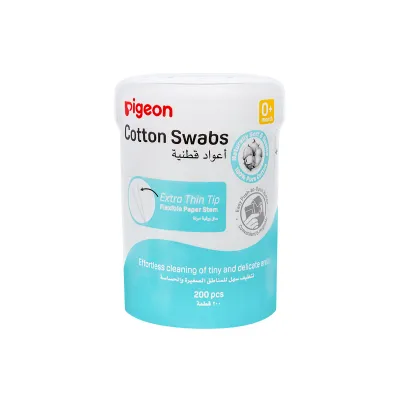
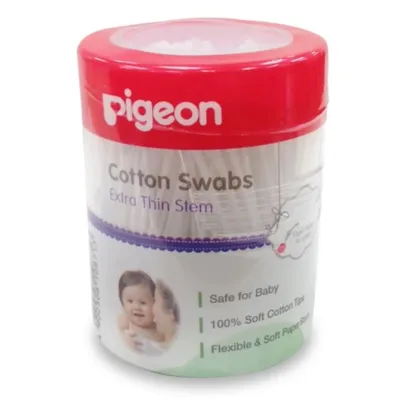
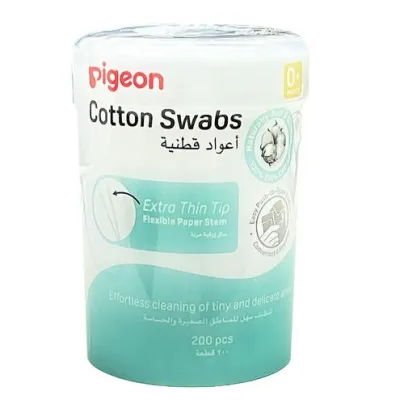
Prices are valid at publication and may change. Please refer to the product page for the latest price.
Potential Risks of Inserting Swabs into Ear Canals and Nasal Cavities
Understanding the medical reasoning behind pediatric warnings can help you resist the temptation to clean deep inside your baby’s ears and nose. The anatomy of a newborn is incredibly fragile. The skin lining the ear canal and nasal passages is paper-thin and easily damaged, and the structures beneath are highly sensitive.

The Dangers of Swabbing the Ear Canal
When you insert a cotton swab into your baby’s ear canal, you are not actually removing earwax. Instead, the swab acts like a plunger in a syringe, pushing the wax deeper into the canal. This can lead to cerumen impaction, where the wax becomes packed tightly against the eardrum, causing pain, temporary hearing loss, and a breeding ground for bacteria.
Furthermore, the skin inside a newborn’s ear canal is exceptionally delicate. A minor scrape from a cotton swab can cause bleeding or create a microscopic tear, making the area highly susceptible to painful outer ear infections (otitis externa). The most severe risk, however, is a ruptured eardrum. Because a newborn’s ear canal is very short—often measuring less than two centimeters—even a slight slip of the hand or a sudden movement from your baby can push the swab deep enough to puncture the tympanic membrane, a painful injury that can permanently damage their hearing.
The Risks of Probing Nasal Cavities
Similarly, the inside of a newborn’s nose is lined with highly vascularized, sensitive tissue called the nasal mucosa. Probing this area with a cotton swab can easily scratch these delicate tissues, triggering sudden nosebleeds that can be frightening for both you and your baby.
Repeatedly inserting swabs into the nostrils can also irritate the nasal lining, causing it to swell. This swelling actually narrows the nasal passages, making your baby feel more congested and making it harder for them to breathe or feed comfortably. Additionally, there is a risk that tiny cotton fibers could shear off the tip of the swab and remain trapped in the nasal passage, leading to localized irritation, blockage, or even infection.
The Unpredictability of Newborn Movements
It is also important to remember that babies do not lie perfectly still. A newborn can startle, sneeze, or jerk their head without warning. If you have a cotton swab inserted into their ear or nose when they make a sudden movement, the force of that movement can instantly drive the swab deeper, turning a routine grooming attempt into an accidental injury.
Safe Techniques for Cleaning a Newborn's Outer Ears and Nose
If you choose to use a thin cotton swab, such as the pigeon cotton swab thin version, for external grooming, you must follow strict safety protocols. These swabs are designed with a smaller tip than adult swabs, making them ideal for navigating the tiny folds of a newborn’s outer anatomy, but they still require a gentle and structured approach.
Step-by-Step Outer Ear Cleaning
To clean your baby’s ears safely, start by lightly dampening the cotton tip with plain, warm water. Do not use soap, alcohol, or oils, as these can irritate the skin. Hold your baby securely in a well-lit room. Gently wipe the outer ear (the pinna) and the curved folds of the cartilage.
In Singapore’s warm, humid tropical climate, sweat, excess sebum, and dead skin cells can easily accumulate behind a newborn’s ears. Pay close attention to the crease behind the ear, where this buildup frequently occurs and can cause irritation or a sour smell. Once you have wiped the area, use the dry end of the swab or a soft cloth to pat the skin completely dry. Remember: the swab should never enter the dark opening of the ear canal.
Step-by-Step Outer Nose Cleaning
For nasal grooming, only address mucus that is clearly visible and sitting right at the edge of the nostril rim. Dampen the swab slightly with warm water or a drop of sterile saline solution to help the cotton fibers grip the mucus. Gently roll the swab along the very edge of the nostril opening to catch and pull out the dried crust. Do not push the swab upward into the nose; keep the tip entirely visible at all times.
Essential Caregiver Precautions
Before you begin any grooming routine, always ensure your baby is calm, supported, and in a stable position. It is highly recommended to perform these tasks when your baby is relaxed, such as after a bath or a feed, and under bright lighting so you can see exactly what you are doing.
Never attempt to clean your baby’s ears or nose if they are crying, squirming, or resisting. If your baby turns their head or pushes your hand away, stop immediately. Always read and verify the specific manufacturer instructions, age recommendations, and safety warnings on your cotton swab packaging before use. Ensure you maintain full caregiver supervision throughout the process, and never let an infant hold or play with cotton swabs.
Safer Alternatives for Congestion and Earwax Buildup
When your newborn is dealing with actual nasal congestion or noticeable earwax buildup, cotton swabs are not the right tool. Fortunately, there are much safer, pediatrician-approved alternatives that can provide relief without the risk of physical trauma.
Relieving Nasal Congestion Safely
If your newborn is congested, has noisy breathing, or is struggling to feed due to a blocked nose, the safest method is to use sterile saline drops or a gentle saline spray designed specifically for infants. Saline works by thinning and loosening the thick, sticky mucus trapped deep inside the nasal passages.
After applying one to two drops of saline into each nostril, wait a minute or two for the mucus to soften. Then, use a soft-tipped rubber bulb syringe or a manual nasal aspirator designed for infants to gently suction out the loosened mucus. When using a bulb syringe, squeeze the air out of the bulb before placing the tip gently at the entrance of the nostril, then slowly release the bulb to draw the mucus out. Always clean and dry these suction devices thoroughly after each use according to the manufacturer’s instructions to prevent mold and bacterial growth.
Managing Earwax Naturally
For ear hygiene, the best approach is to let nature do the work. Earwax is not dirt; it is a natural, protective substance that lubricates the ear canal, traps dust and debris, and has mild antibacterial properties. Over time, normal jaw movements from sucking and crying naturally migrate old earwax out of the canal to the outer ear.
During your baby’s bath time, simply wipe the outer ear with a soft, warm, damp washcloth wrapped around your finger. This is more than sufficient to keep their ears clean. If you notice a large chunk of wax sitting right at the opening of the ear canal, do not try to dig it out with a swab. Let it fall out naturally, or consult a professional if it seems to be causing discomfort. If you suspect excessive or hard earwax buildup, seek advice from a pediatrician rather than attempting any home removal methods.
Warning Signs: When to Stop and Seek Medical Help
While routine external grooming is generally low-risk, you must monitor your newborn closely for any signs of complications. Knowing when to stop and when to seek professional medical evaluation is crucial for protecting your baby’s health.
When to Stop and Inspect
Stop using cotton swabs immediately if you notice any of the following signs:
- Any trace of blood or pink-tinged discharge on the swab or exiting the ear or nose.
- Clear, watery fluid draining continuously from the ear canal.
- A foul or unusual odor coming from your baby's ear or nose, which can indicate an underlying infection or a trapped foreign body.
When to Consult a Pediatrician
You should schedule a visit with your pediatrician or visit a local clinic or polyclinic in Singapore if you observe any of these warning signs:
- Your baby shows signs of ear pain or discomfort, such as frequently pulling or rubbing at their ears, crying when the ear is touched, or showing unusual fussiness during feeding (as sucking can change middle ear pressure and worsen pain).
- Nasal bleeding that does not stop quickly after applying gentle pressure to the outer nostrils.
- Signs of localized infection, including redness, warmth, swelling, or tenderness around the outer ear, ear canal opening, or nose.
- Systemic signs of illness, such as a fever, lethargy, or persistent difficulty breathing or feeding due to nasal blockage.
Please keep in mind that this guide is intended for general educational and grooming purposes only. It does not replace professional medical diagnosis, advice, or treatment. If you are ever unsure about your baby’s symptoms or how to clean their delicate features safely, always consult a qualified healthcare professional.
Frequently Asked Questions (FAQ)
Can I use baby oil on a cotton swab to clean my newborn's ears?
No, you should not use baby oil, mineral oil, or any other liquids or drops inside your newborn’s ear canal unless specifically prescribed and directed by your pediatrician. While some parents believe oil helps soften earwax, introducing liquids into a baby’s delicate ear canal can trap moisture, irritate the sensitive skin, and create an ideal environment for bacterial or fungal infections to grow. For routine cleaning, a cotton swab lightly dampened with plain warm water used strictly on the outer ear folds is the safest and most effective method.
Why do baby cotton swabs have a thicker base or spoon-shaped end?
Many specialized baby cotton swabs are designed with unique safety features, such as a bulbous, thicker base just below the tip, or a spoon-shaped cotton end. These features are engineered specifically to act as physical barriers that prevent you from accidentally inserting the swab too deeply into your baby’s narrow ear canal or nasal passages. The spoon-shaped tips are designed to gently scoop up visible, dry debris from the outer ear folds without pushing it inward. However, even with these safety shapes, the rule remains the same: these swabs are only meant for external surfaces and should never be pushed into the actual ear canal or deep into the nose.
Community discussion
Share your experience or ask a question. Comments are reviewed before publication.