
Whether Swipe baby wipes are safe for your baby’s sensitive skin depends entirely on the specific formulation of the pack you choose and your baby’s individual skin triggers. Because baby wipes contain various cleansing agents, preservatives, and potential skin-soothing ingredients, parents must look beyond front-of-pack marketing claims and carefully evaluate the physical ingredient list. Since infant skin is highly permeable and susceptible to irritation, understanding how to read these labels and performing a proper patch test are essential steps to protect your baby’s delicate skin barrier.
Understanding Your Baby's Sensitive Skin and Wipe Formulations
An infant’s skin barrier is still developing during the first few years of life. This outer layer, known as the stratum corneum, acts as a shield to keep moisture in and environmental irritants out. In babies with sensitive or eczema-prone skin, this barrier is often compromised, characterized by microscopic gaps that allow moisture to escape rapidly and irritants to penetrate deeply. Eczema, or atopic dermatitis, is a common manifestation of this weakened barrier, often triggered by environmental factors, temperature changes, and topical chemicals. When a wipe formulation contains harsh ingredients, it can strip away the natural lipids that hold the skin cells together, leading to dryness, redness, and painful inflammation.
Many parents rely on front-of-pack marketing claims such as “hypoallergenic,” “dermatologically tested,” or “natural” when selecting baby wipes. While these labels suggest a level of safety, they are not strictly regulated under universal standards and do not guarantee that a product is entirely free from allergens or irritants. A product labeled “natural” may still contain botanical extracts or essential oils that trigger contact dermatitis in sensitive individuals. Therefore, the only reliable way to assess the suitability of Swipe baby wipes is to bypass the marketing claims on the front and carefully examine the physical ingredient list on the back of the packaging.
Products mentioned in this guide
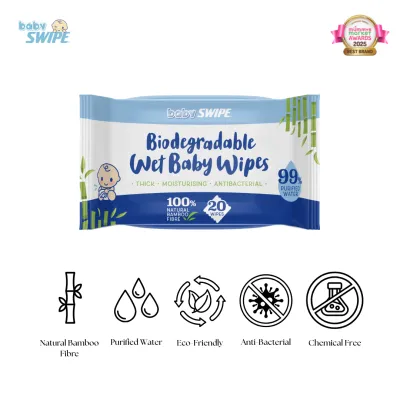
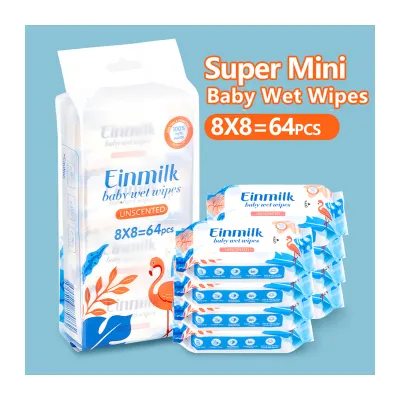
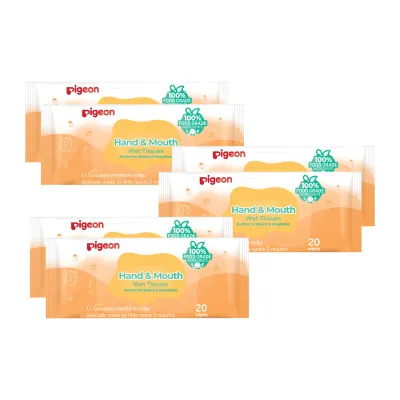
Prices are valid at publication and may change. Please refer to the product page for the latest price.
How to Read and Evaluate Swipe Baby Wipe Ingredients
Evaluating the safety of Swipe baby wipes begins with locating the full ingredient list, which is typically printed on the back or side of the plastic packaging. If the list is not immediately visible on the pack, caregivers should consult the official brand website or contact the manufacturer directly to obtain the complete formulation. Ingredients are listed in descending order of concentration, meaning the components at the top of the list make up the majority of the wipe’s liquid solution, while those at the very bottom are present in much smaller quantities. Understanding this hierarchy helps parents identify which active ingredients are most prominent in the formulation.

Once you have located the ingredient list, the next step is to cross-reference the listed items with recognized pediatric dermatology guidelines. Organizations such as the National Eczema Association or local pediatric dermatological societies publish lists of ingredients that are generally accepted as safe, as well as common contact allergens to avoid. It is important to remember that terms like “hypoallergenic” simply mean the product is formulated to minimize the risk of allergic reactions, but individual sensitivities vary. A baby can still experience an adverse reaction to an ingredient that is widely considered safe for the general population, making personalized evaluation essential.
Common Irritants to Check on the Label
When scanning the ingredient list of Swipe baby wipes, there are several categories of potential irritants that parents of sensitive-skinned babies should look out for. The first and most common culprit is fragrance. Both synthetic perfumes and natural essential oils (such as lavender, citrus, or tea tree oil) are frequent triggers for allergic contact dermatitis. Even if a wipe smells pleasant, those fragrance molecules can disrupt a compromised skin barrier and cause localized rashes. Look for products explicitly labeled “fragrance-free” rather than “unscented,” as unscented products may still contain masking fragrances to neutralize chemical odors.
Preservatives are another critical category to evaluate. Because baby wipes are moist and stored in warm environments like diaper bags, they require preservatives to prevent the growth of harmful bacteria, mold, and yeast. However, some older or harsher preservatives, such as methylisothiazolinone (MI), formaldehyde releasers, or certain parabens, are known sensitizers that can cause severe skin reactions. Additionally, simple alcohols like ethanol or isopropyl alcohol should be avoided, as they dry out the skin rapidly and strip away essential moisture, though fatty alcohols like cetearyl alcohol are generally non-irritating and serve as emollients.
Finally, surfactants or cleansing agents must be scrutinized. Surfactants are responsible for lifting dirt, urine, and stool from the skin, but harsh surfactants can strip the skin’s natural lipid barrier. Strong anionic surfactants, such as sodium lauryl sulfate (SLS), are highly irritating and should not be present in leave-on products like baby wipes. Instead, look for formulations that utilize very mild, non-ionic surfactants that cleanse gently without compromising the skin’s integrity.
Gentle and Skin-Supporting Ingredients
While it is important to watch for potential irritants, parents should also look for beneficial, skin-supporting ingredients on the Swipe baby wipes label. Humectants and emollients are highly valuable additions to any wipe formulation designed for sensitive skin. Humectants, such as glycerin or propylene glycol, draw moisture from the air into the outer layers of the skin, helping to maintain hydration. Emollients, such as aloe vera leaf juice, chamomile extract, or light plant-derived oils, help soothe irritation and form a protective barrier over the skin to lock in moisture and shield it from friction.
The primary ingredient in any high-quality baby wipe should always be purified water, often listed as Aqua. Water serves as the gentle base that dilutes other ingredients and provides the physical cleansing action. In premium formulations for sensitive skin, water typically makes up over 97% to 99% of the liquid solution. This high water content ensures that the concentration of active cleansing agents and preservatives remains as low as possible, minimizing the risk of chemical irritation while still effectively cleaning the diaper area.
In addition to water, gentle formulations often incorporate mild, non-ionic surfactants such as decyl glucoside or coco-glucoside. These plant-derived cleansing agents are highly effective at breaking down oily residues from stool without stripping the skin’s natural oils or causing irritation. When combined with soothing agents like allantoin or panthenol (Pro-Vitamin B5), these ingredients work synergistically to clean the skin while actively supporting the repair and maintenance of the delicate infant skin barrier.
Safe Usage and Patch Testing for Eczema-Prone Babies
Before integrating Swipe baby wipes into your daily diapering routine, performing a localized patch test is a highly recommended safety measure, especially for babies with eczema-prone or highly reactive skin. To conduct a patch test, select a small, discreet area of your baby’s skin, such as the inner forearm or the side of the thigh. Gently swipe the wipe over this small area once, allowing the liquid solution to dry naturally on the skin. Do not wash the area immediately; let the ingredients remain in contact with the skin as they would during a normal diaper change.
Observe the test area closely over a 24-hour to 48-hour period. Look for any visual signs of irritation, which may include localized redness, tiny raised bumps, swelling, dryness, or signs of itching, such as your baby trying to scratch the area. If the skin remains clear, smooth, and free of redness after 48 hours, it is generally safe to proceed with using the wipes on other parts of the body. If any reaction occurs, discontinue use immediately and wash the area with plain, cool water.
In addition to patch testing, the physical technique used during diaper changes plays a significant role in preventing skin irritation. Mechanical friction from rubbing can damage a compromised skin barrier just as easily as chemical irritants. When cleaning your baby’s diaper area, use a gentle patting or dabbing motion rather than a vigorous wiping or scrubbing action. This minimizes friction and reduces the risk of micro-tears in the skin. In warm and humid climates like Singapore, trapped moisture under a diaper can quickly lead to heat rash or fungal infections, so ensure the skin is completely dry before putting on a fresh diaper.
When to Stop Using the Wipes and Seek Medical Help
Even with careful ingredient checking and patch testing, some babies may develop a reaction over time as their skin barrier changes or as they are exposed to environmental triggers. Caregivers must be vigilant and know when to stop using Swipe baby wipes immediately. Clear stop-use triggers include the sudden appearance of bright red patches, swelling, blistering, peeling skin, or if your baby exhibits signs of discomfort, such as crying or fussing specifically when the wipe touches their skin. These symptoms suggest that the formulation is actively irritating the skin or causing an allergic reaction.
It is helpful to differentiate between mild, temporary redness caused by physical friction and actual allergic contact dermatitis. Temporary redness from wiping usually fades within a few minutes to an hour after the diaper change and is not accompanied by swelling or itching. Allergic contact dermatitis, on the other hand, tends to persist, spreading beyond the immediate area of contact, and may present as dry, flaky, or intensely itchy patches that do not improve with standard diaper creams. If you suspect an allergic reaction, switch to plain water and cotton cloths immediately.
If your baby’s skin does not improve within a few days of discontinuing the wipes, or if the rash appears to be spreading, oozing, bleeding, or accompanied by a fever, seek professional medical advice. A pediatrician or a pediatric dermatologist can accurately diagnose the underlying cause of the skin irritation, prescribe appropriate topical treatments, and help you identify the specific allergen. Never apply medicated steroid creams or strong over-the-counter treatments to your baby’s delicate diaper area without direct guidance from a qualified healthcare professional.
Frequently Asked Questions (FAQ)
Can I use baby wipes on a newborn's face and hands?
A newborn’s face and hands have an even thinner and more sensitive skin barrier than the diaper area, making them highly susceptible to irritation from topical products. Before using Swipe baby wipes on your newborn’s face or hands, check the physical product label to ensure it is explicitly rated safe for facial use. Many standard wipes contain cleansing agents or preservatives that, while safe for the diaper area, can cause stinging or redness around the sensitive eyes and mouth. If your baby has highly reactive skin, or if you notice any mild irritation, the safest alternative is to use a soft cotton ball or washcloth dampened with plain, lukewarm water for facial cleanups.
Are water wipes a better alternative for severe eczema?
For babies suffering from severe eczema, wipes with an extremely high water content (often 99% or more) and minimal ingredients are frequently recommended by dermatologists. These formulations significantly reduce the risk of allergen exposure because they contain fewer chemical components that could trigger a reaction. However, parents must remember that even high-water-content wipes require some form of mild preservative or antimicrobial agent to prevent bacterial contamination once the pack is opened. Always check the label of any water-based wipe to identify the preservative used, and continue to perform a patch test, as individual skin triggers vary and even minimal formulations can occasionally cause a reaction in highly sensitive babies.

Community discussion
Share your experience or ask a question. Comments are reviewed before publication.