
When choosing products for your baby, understanding what goes onto their delicate skin is a top priority. Because baby wipe formulations can vary by product line, manufacturing batch, and region, there is no single answer to whether a specific brand’s wipes are safe for every infant. To ensure your baby’s skin remains healthy, you must learn how to verify the exact ingredient list on your physical packaging and evaluate those components against your child’s unique skin profile. This guide equips you with the practical steps to inspect Suzuran baby wipes, identify potential irritants, and make an informed decision.
How to Verify the Exact Ingredients in Suzuran Baby Wipes
To determine exactly what is in the pack of Suzuran baby wipes you own or plan to buy, your first step should always be to locate the physical ingredient list on the back of the packaging. This list typically follows the International Nomenclature of Cosmetic Ingredients (INCI) standards, which require manufacturers to list ingredients in descending order of concentration. The ingredients present in the highest quantities appear at the very top of the list, while preservatives, pH adjusters, and botanical extracts usually occupy the bottom positions.
If you are shopping online and want to review the ingredients before making a purchase, consult official brand websites or product descriptions on authorized online marketplaces. Digital listings can provide a helpful preliminary screening tool, allowing you to check for the presence of specific additives or allergens before checking out. However, online product descriptions are sometimes subject to typographical errors or delayed updates when a manufacturer alters a formula.
Products mentioned in this guide
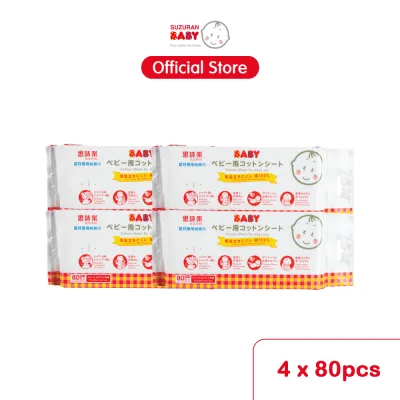
Prices are valid at publication and may change. Please refer to the product page for the latest price.
Because formulations can be updated periodically or vary slightly between different regional markets, the physical label on the package in your hands is always the ultimate authority. A variant sold in one country might have a slightly different preservative system or fabric material compared to one sold in another region. Always make it a habit to cross-reference the printed label on any new batch of wipes you receive, even if you have purchased the same product line in the past.
Evaluating Baby Wipe Ingredients: Safe Bases vs. Potential Irritants
When reading the ingredient list on a pack of baby wipes, it helps to categorize the components into functional groups so you can evaluate their safety profile systematically. The primary component of almost any high-quality baby wipe is a safe, liquid base, which is almost always purified water (often listed as Aqua). This liquid carrier is responsible for dissolving the cleansing agents and keeping the wipe sufficiently moist to lift away soil without causing friction.

Alongside the water base, mild cleansing agents or surfactants are often included to help break down oily residues on the skin. For baby products, manufacturers typically select gentle, non-ionic surfactants that cleanse the skin surface without stripping away the natural lipid barrier. When evaluating these cleansing agents, look for mild, plant-derived options that do not leave a harsh, drying residue on the skin.
The next category to scrutinize is preservatives, which are absolutely essential in pre-moistened wipes to prevent the growth of harmful bacteria, mold, and yeast in a damp environment. While preservatives are necessary for safety, some are much gentler than others. Parents should look out for and generally avoid strong sensitizers such as methylisothiazolinone (MI), formaldehyde releasers, and parabens. Instead, look for milder food-grade preservatives like sodium benzoate, potassium sorbate, or citric acid, which are widely accepted as safer alternatives for sensitive skin.
Finally, many wipes contain skin-conditioning agents, such as aloe vera, chamomile extracts, or glycerin, which aim to soothe the skin and lock in moisture. While these botanical extracts are often marketed as beneficial, it is important to remember that natural ingredients can still trigger allergic contact dermatitis in highly sensitive individuals. Additionally, completely avoid wipes that list added synthetic fragrances (often labeled as “parfum”) or drying alcohols like ethanol or denatured alcohol, as these are among the most common culprits behind skin dryness, redness, and allergic reactions.
Assessing Suitability for Your Baby's Specific Skin Profile
A wipe that is perfectly tolerated by one infant might cause a reaction in another, meaning suitability is highly dependent on your baby’s individual skin profile. For newborns, the outer layer of the skin (the stratum corneum) is still developing, making it significantly thinner and more permeable than adult skin. During the first few weeks of life, pediatric guidelines generally recommend using the most minimal ingredient profiles possible—ideally wipes made of pure water and organic cotton, or simply a soft cloth dampened with plain water—to avoid overloading the immature skin barrier with unnecessary chemicals.
If your baby suffers from chronic skin conditions such as eczema, diaper rash, or highly reactive skin, your selection criteria must be even more stringent. Eczema-prone skin has a compromised barrier that allows moisture to escape easily and irritants to penetrate deeply. For these babies, prioritize wipes that are explicitly labeled as fragrance-free, hypoallergenic, and formulated with minimal ingredients. Avoid any products containing potential botanical allergens, essential oils, or harsh surfactants that could exacerbate an active flare-up.
To manage your baby’s skin health effectively, keep a running record of any ingredients that have previously caused redness or irritation. When introducing a new pack of wipes, cross-reference this personal list against the printed INCI ingredients on the packaging. If your baby has a known allergy to a specific preservative or botanical extract, even a trace amount can trigger a reaction. If you are ever unsure about a specific ingredient or if your baby has highly complex skin needs, consult a pediatrician or a pediatric dermatologist to receive personalized recommendations.
Safe Application Practices and When to Discontinue Use
Even if an ingredient list appears exceptionally clean and mild on paper, performing a simple patch test is the safest way to introduce a new wipe to your baby’s routine. To conduct a patch test, gently swipe a single wipe over a small, discreet area of your baby’s skin, such as the inner forearm or the side of the thigh. Monitor this specific spot over the next twenty-four to forty-eight hours for any signs of localized irritation, such as redness, swelling, or tiny bumps, before using the wipes over larger areas of the body.
When using baby wipes during daily diaper changes, pay close attention to your physical application technique. Avoid vigorous rubbing or scrubbing, as mechanical friction can damage the delicate skin barrier and make it far more susceptible to chemical irritation from the wipe’s ingredients. Instead, use gentle, patting motions to cleanse the area, and always allow the skin to air-dry completely before putting on a fresh diaper, as trapped moisture can contribute to diaper rash, especially in warm and humid climates.
Establish clear conditions for when to stop using a product to prevent minor irritation from escalating into a severe skin issue. You should immediately discontinue using the wipes if you observe persistent redness, dryness, peeling, hives, or if your baby shows signs of discomfort, such as crying or flinching during wiping. If these symptoms do not improve within a few days of stopping the product, or if the skin appears broken, blistered, or infected, seek professional medical advice promptly.
Frequently Asked Questions (FAQ)
Can I use Suzuran baby wipes on my newborn's face and hands?
While many baby wipes are marketed for multi-purpose use, the skin on a newborn’s face and hands is exceptionally delicate and highly prone to irritation. The face has a thinner skin barrier than the diaper area, and hands frequently end up in a baby’s mouth, increasing the risk of ingesting residual ingredients. Before using any wipe on these sensitive areas, check the packaging for specific manufacturer instructions and warnings regarding facial use or contact with the eyes. If the wipe contains any added fragrances, essential oils, or active cleansing agents, it is best to avoid facial application entirely. For daily facial cleanups, using a soft, clean cotton cloth dampened with plain, lukewarm water remains the safest and gentlest method.
What should I do if my baby develops a rash after using these wipes?
If you suspect that a baby wipe has caused a rash, immediately stop using the product to prevent further exposure to the potential irritant. Gently rinse the affected skin with lukewarm water to remove any remaining chemical residues, and pat the area dry with a clean, soft towel without rubbing. Keep the irritated skin clean, dry, and exposed to the air as much as possible to promote natural healing, and avoid applying unverified home remedies, scented lotions, or harsh over-the-counter creams that could worsen the inflammation. If the rash is severe, spreads rapidly, begins to blister or ooze, or is accompanied by a fever or changes in your baby’s behavior, consult a pediatrician immediately for a proper diagnosis and treatment plan.

Community discussion
Share your experience or ask a question. Comments are reviewed before publication.