
Weaning is an exciting developmental milestone for families in Singapore, bringing a transition to solid foods and a sudden need for reliable feeding gear. As your child moves from milk to purees and finger foods, selecting the right tableware becomes a daily safety priority. Many parents are actively moving away from plastic plates due to concerns over chemical leaching and microplastics, turning instead to metal alternatives like a high-quality stainless steel plate for kids.
Genuine food-grade stainless steel is widely regarded as one of the safest, most durable, and highly hygienic materials you can choose for your child’s meals. It is naturally non-porous, meaning it does not absorb food odours, stains, or harmful bacteria, and it is entirely free from chemical additives like bisphenol A (BPA), phthalates, and PVC.
However, the safety of a stainless steel plate is not automatic. Its suitability depends on several critical factors: the specific metallurgical grade of the steel, the quality of the manufacturing finish, and the practical design of the plate itself. Understanding these variables is key to ensuring that the tableware you place in front of your toddler is genuinely safe for daily use.
Products mentioned in this guide
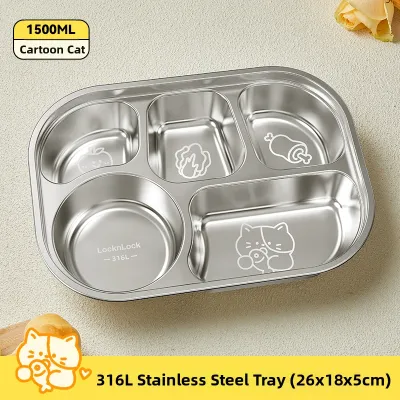
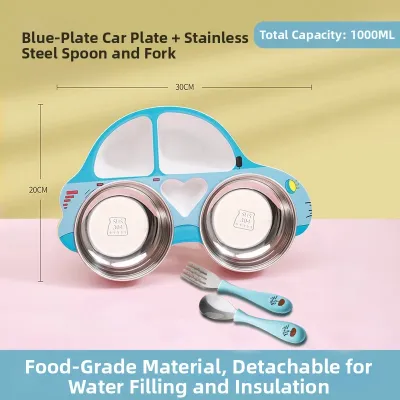
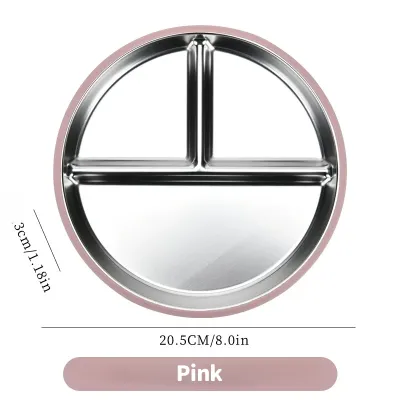
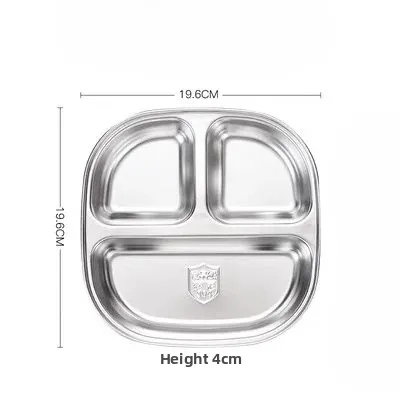
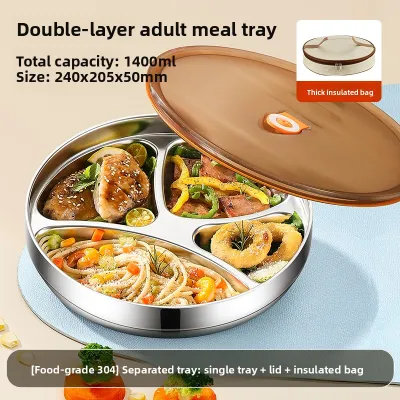
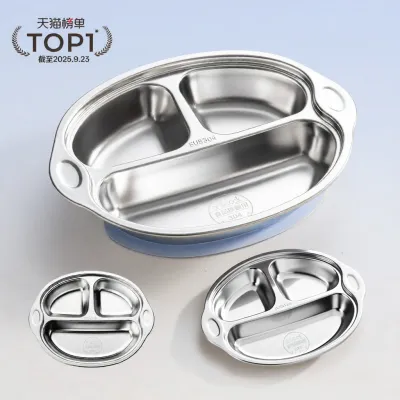
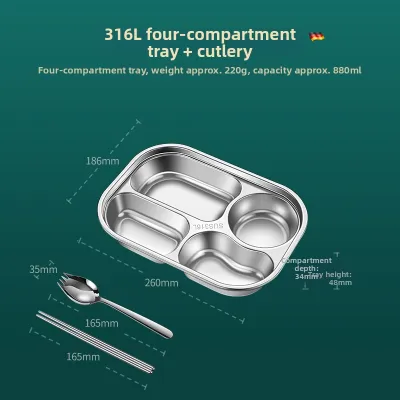
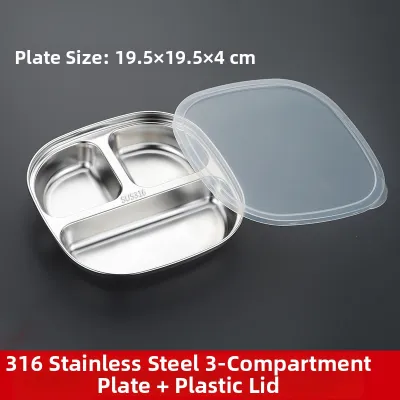
Prices are valid at publication and may change. Please refer to the product page for the latest price.
Decoding Material Grades: What 304 and 316 Mean for Your Child
When browsing baby stores or shopping online, you will frequently encounter numbers like “304” or “316” stamped on the bottom of children’s metal plates. These numbers are not arbitrary manufacturing codes; they represent specific metallurgical grades that dictate the safety, durability, and corrosion resistance of the material.
The most common food-grade stainless steel is 304, which is also frequently labeled as 18/8 or 18/10. These ratios refer to the percentages of chromium and nickel present in the alloy. For example, 18/8 steel contains approximately 18% chromium and 8% nickel. The remaining composition is primarily iron, along with minor trace elements.
The combination of chromium and nickel is what makes this material exceptionally safe for food contact. Chromium reacts with oxygen in the air to form an ultra-thin, invisible, and self-healing passive oxide layer on the surface of the metal. This barrier prevents oxygen from reaching the underlying iron, effectively stopping rust and preventing heavy metals from leaching into your child’s food.
For parents seeking an even higher standard of protection, 316-grade stainless steel (often referred to as medical or surgical grade) is an excellent option. This alloy includes molybdenum, an element that significantly enhances resistance to chlorides and acids. While slightly more expensive, 316 steel offers superior protection against pitting and corrosion, making it highly resilient even when exposed to salty or highly acidic foods.
To ensure you are buying genuine food-grade tableware, always inspect the product closely before purchasing. Look for physical stamps on the underside of the plate, such as “SUS 304”, “SUS 316”, “18/8”, or “Food Grade”. Reliable manufacturers will also display these specifications clearly on their packaging or product documentation.
Be highly cautious of unmarked, exceptionally cheap stainless steel plates. These budget alternatives often utilize 200-series stainless steel, which substitutes manganese for nickel to lower production costs. Under domestic conditions, 200-series steel is significantly more vulnerable to corrosion and rust. Over time, exposure to acidic foods can cause the surface to degrade, potentially leading to manganese leaching, which is not suitable for developing children.
Hidden Risks: Heat, Edges, and Acidic Foods
While high-grade stainless steel is inherently non-toxic, parents must remain aware of certain physical and chemical characteristics that can introduce safety risks during daily use.

Thermal Burns and Heat Conductivity
Stainless steel is an excellent conductor of heat, which is an important safety consideration in the kitchen. While it allows food to cool down quickly if spread out, it also means that hot foods—such as freshly cooked porridge, soups, or warm pasta—will instantly transfer their temperature to the metal plate.
A solid, single-wall stainless steel plate can become dangerously hot to the touch within seconds of serving. This poses a direct risk of thermal burns to a toddler’s sensitive fingers or can cause them to reflexively knock the plate off the high chair, leading to spills and secondary injuries.
To mitigate this risk, look for child-specific designs that incorporate thermal protection. Double-wall vacuum-insulated plates feature an air gap between the inner and outer metal layers, keeping the exterior cool to the touch. Alternatively, many modern weaning plates feature a removable outer silicone sleeve or a thick, heat-resistant silicone base ring that insulates the hot metal from little hands.
Chemical Leaching and Acidic Foods
Although 304 and 316 stainless steel are highly stable materials, they are not completely indestructible. The protective oxide layer can experience microscopic stress when exposed to prolonged chemical challenges.
Highly acidic foods—such as tomato-based pasta sauces, citrus fruits, vinegar-heavy dressings, or highly salty dishes—can cause microscopic pitting on the steel’s surface if left in contact for extended periods. This minor metal migration is generally negligible during a standard 30-minute meal, but it can become a concern if the plate is used for long-term food storage.
To preserve the integrity of the metal and ensure absolute safety, avoid using your child’s stainless steel plates to store leftovers in the refrigerator overnight. Instead, transfer uneaten portions to glass, ceramic, or certified food-safe storage containers immediately after mealtime.
Physical Hazards and Detachable Parts
The physical construction of the plate is just as important as the chemical safety of the metal. Poorly manufactured metalware can present sharp edges or structural flaws that pose physical risks to young children.
Before letting your child use a new plate, run your finger carefully along the entire outer rim and any internal dividers. The edges should be completely smooth, rounded, or rolled under to prevent any scratches or cuts to your child’s lips, tongue, or fingers.
Additionally, many modern weaning plates feature detachable components, such as silicone suction bases, removable dividers, or decorative plastic outer shells. While these accessories add convenience, they must be inspected regularly.
Ensure that all detachable parts fit securely and cannot be easily pulled apart or torn by a teething child. A loose silicone ring or a small, broken divider piece can quickly become a serious choking hazard. Always supervise your child during meals and discard any accessories that show signs of tearing, cracking, or structural wear.
A Parent’s Pre-Purchase Safety Checklist
Navigating the baby product market requires a systematic approach to ensure you are investing in high-quality, safe tableware. Use this checklist to evaluate any stainless steel plate before making a purchase.
Certifications and Compliance Never rely solely on marketing claims like “eco-friendly” or “natural.” Look for physical proof of compliance with international food safety standards. High-quality products will explicitly state compliance with recognized regulatory bodies, such as the United States Food and Drug Administration (FDA) or the European LFGB (Lebensmittel- und Futtermittelgesetzbuch). In Singapore, ensuring the product complies with local food safety regulations regarding food-contact materials provides an extra layer of reassurance.
Accessory Material Safety Many stainless steel plates are sold as hybrid products, featuring silicone suction bases, plastic lids, or outer insulation sleeves. It is vital to verify that every single material used in the product is safe. Check the packaging to confirm that all non-metal accessories are certified food-grade, BPA-free, phthalate-free, and PVC-free. Silicone parts should be made from 100% food-grade silicone, which remains stable and non-toxic across a wide temperature range.
Design Stability and Suction Power Toddlers are notorious for experimenting with gravity during meals. A plate that is easily flipped can lead to hot food spills and unnecessary stress. Look for plates designed with a wide, weighted base that lowers the center of gravity. If your child is in the active throwing phase, prioritize plates with integrated, high-strength silicone suction bases that lock firmly onto high chair trays or dining tables.
Ease of Cleaning and Hygiene In Singapore’s warm and humid climate, hygiene is a constant battle. Bacteria and mold thrive in damp, dark environments. When selecting a plate, avoid designs with deep, narrow crevices, tight corners, or permanently attached silicone gaskets that cannot be removed for cleaning. If food particles or water become trapped in these hard-to-reach areas, mold can quickly accumulate out of sight, compromising your child’s health. Opt for seamless metal designs or plates with fully detachable, easy-to-wash components.
Cleaning and Care: Keeping Stainless Steel Safe Over Time
Owning a high-quality stainless steel plate is only half the battle; maintaining its protective surface through proper cleaning and care is essential to ensure its long-term safety and performance.
Washing Techniques To clean your child’s stainless steel tableware, always use a soft sponge, microfiber cloth, or gentle silicone brush combined with a mild, food-safe dishwashing liquid. Avoid using steel wool, abrasive scouring pads, or harsh chemical cleaners. These abrasive materials will create deep micro-scratches on the polished surface of the metal. Not only do these scratches ruin the appearance of the plate, but they also compromise the protective chromium oxide layer and create microscopic crevices where food residues and bacteria can hide.
Dishwasher Use Most high-grade 304 and 316 stainless steel plates are perfectly safe for the dishwasher. However, you must always consult the manufacturer’s specific care instructions first. If the plate features painted outer designs, laser-etched patterns, or permanently bonded silicone bases, the intense heat and harsh detergents of a dishwasher cycle can cause these elements to peel, crack, or degrade prematurely. If in doubt, hand washing is the safest method to prolong the lifespan of hybrid tableware.
When to Replace the Plate While stainless steel is incredibly durable, it does not last forever. Regularly inspect your child’s plates for signs of wear. You should retire and replace the plate immediately if you notice deep rust spots that do not wash away, severe warping that prevents the plate from sitting flat, or heavily degraded silicone components that are cracking, tearing, or showing signs of persistent mold growth.
Frequently Asked Questions (FAQ)
Can I put a stainless steel plate in the microwave?
No, you should never place a standard solid stainless steel plate in the microwave. Metal reflects electromagnetic waves rather than absorbing them, which can cause electrical arcing (sparks) inside the appliance. This poses a severe fire hazard and can permanently damage your microwave. Unless a manufacturer explicitly labels a highly specialized, shielded product as microwave-safe, always transfer food to a microwave-safe glass or ceramic container for heating before serving it on the metal plate.
Is it safe to leave food in a stainless steel plate overnight?
While leaving dry or neutral foods in a stainless steel plate in the refrigerator for a short period is generally safe, it is not recommended to store meals overnight. Highly acidic, salty, or spiced foods can interact with the metal surface over several hours, leading to microscopic pitting and minor metal migration. To preserve the quality of the plate and maintain the highest food safety standards, always transfer leftovers to a dedicated glass or BPA-free plastic storage container before placing them in the fridge.
Community discussion
Share your experience or ask a question. Comments are reviewed before publication.