
Stainless steel bowls are a highly durable, shatterproof option for children’s mealtimes, making them a popular alternative to fragile ceramic or plastic tableware. When manufactured to strict food-grade standards, high-quality stainless steel is generally safe for daily use, as it does not easily leach chemicals or harbor bacteria under normal conditions. However, ensuring safety for your child requires looking beyond the generic “metal” label to verify the specific material grade, physical design, and manufacturing quality of each bowl.
Choosing the right tableware involves understanding how different materials interact with food, heat, and active toddlers. While metal bowls offer excellent longevity, their safety depends heavily on how they are constructed, used, and maintained. By evaluating key physical features and chemical safety indicators, you can confidently select tableware that supports your child’s developmental milestones without introducing unnecessary risks.
Understanding Material Safety and Leaching Risks
When evaluating metal tableware for children, the primary chemical concern for parents is the potential for heavy metals to leach into food. Stainless steel is an alloy composed of iron, chromium, nickel, and other elements that provide strength and corrosion resistance. In high-quality, food-grade stainless steel, these elements are tightly bound within the metal’s crystalline structure, preventing them from migrating into meals under normal circumstances. However, lower-grade metals or uncertified alloys may not offer the same stability, highlighting the importance of verifying material claims.
Products mentioned in this guide
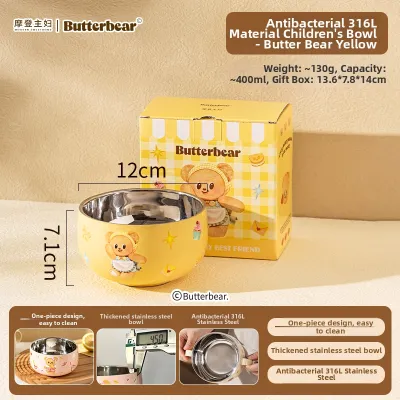
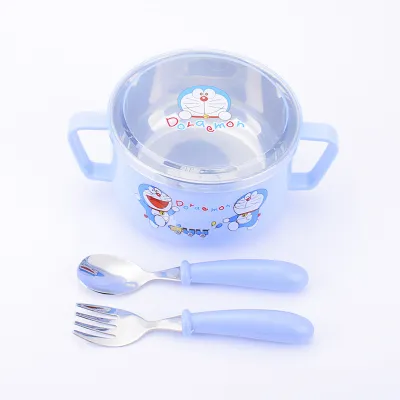
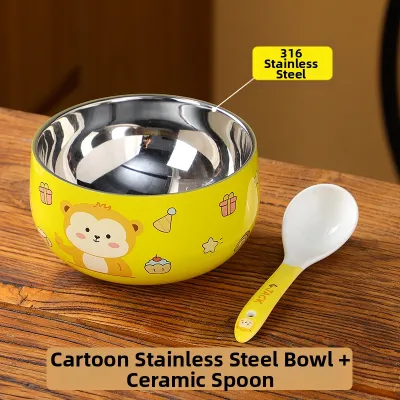
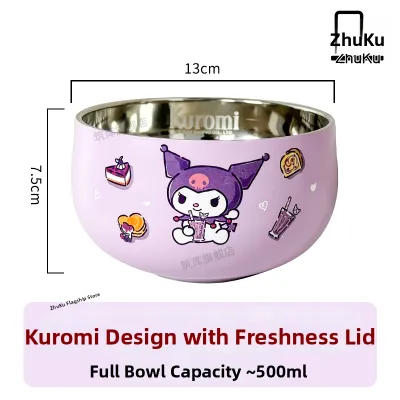
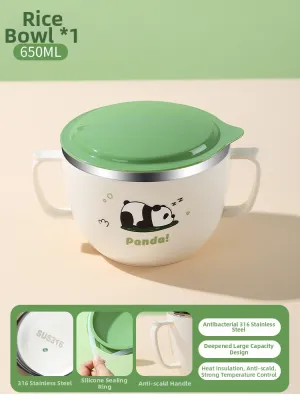
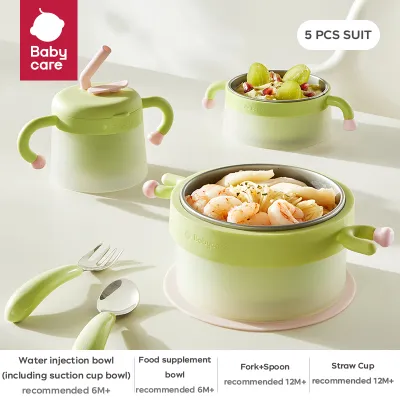
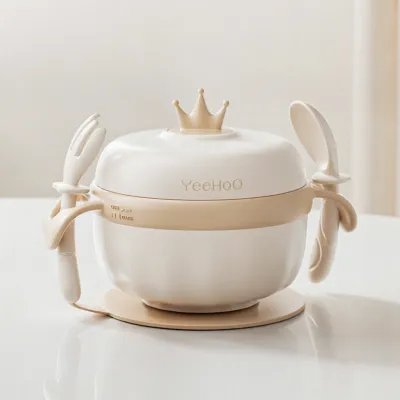
Prices are valid at publication and may change. Please refer to the product page for the latest price.
To ensure a high level of chemical safety, parents should look for specific food-grade material designations on product labels rather than relying on vague marketing terms like “eco-friendly metal” or “kid-safe steel.” Common food-grade alloys used in quality tableware include 304 stainless steel (often referred to as 18/8, representing 18% chromium and 8% nickel) and 316 stainless steel (or 18/10). These specific grades are highly resistant to corrosion and acid attack, making them suitable for contact with a wide variety of foods.
Certain usage conditions can increase the risk of material degradation and potential leaching, even in food-grade stainless steel. Storing highly acidic foods, such as tomato-based pasta sauces, citrus fruits, or vinegar-heavy dishes, in a metal bowl for extended periods can slowly compromise the protective chromium oxide layer on the metal’s surface. Similarly, highly salty foods or prolonged exposure to high temperatures can accelerate surface wear. To minimize these risks, use metal bowls primarily for serving meals rather than long-term food storage, and transfer leftovers to glass containers before placing them in the refrigerator.
When shopping on an online marketplace or in physical retail stores, always check the product packaging or manufacturer documentation for recognized safety compliance marks. Look for indications that the product meets international food contact standards, such as compliance with European Union food contact regulations or United States Food and Drug Administration (FDA) guidelines. In Singapore, food contact materials must comply with local food safety regulations, which prohibit the sale of tableware that releases harmful substances. Verifying these certifications on the packaging ensures the manufacturer has subjected the material to rigorous testing for heavy metal migration.
Evaluating Physical Hazards: Edges, Heat, and Weight
Beyond chemical composition, the physical design of a metal bowl plays a critical role in preventing everyday mealtime injuries. Unlike plastic or silicone, metal can be processed into thin, sharp profiles if not properly finished. Before introducing a new metal bowl to your child, carefully inspect the rim and base. Safe children’s tableware should feature rolled, smoothed, or silicone-coated edges that eliminate any sharp surfaces, protecting your child’s sensitive lips, tongue, and hands from accidental cuts or scrapes during self-feeding.

Heat conductivity is another major physical consideration when using metal tableware. Single-walled stainless steel is an excellent conductor of heat, meaning a bowl filled with warm porridge or soup can quickly become too hot to touch on the outside. This poses a direct burn risk to a toddler’s hands and can cause them to drop the bowl in pain. To mitigate this hazard, look for insulated, double-walled designs or bowls featuring a protective outer sleeve made of plastic or silicone. These multi-layered constructions keep the exterior cool to the touch while maintaining the food’s temperature inside.
The overall weight and stability of the bowl are equally important for preventing spills and tipping accidents. Toddlers are naturally experimental and may try to lift, slide, or throw their tableware during a meal. A lightweight, single-walled metal bowl can easily slide across a highchair tray, leading to messy spills and potential burns from hot contents. Selecting a bowl with a wider, heavier base or one equipped with a removable silicone suction foot helps secure the dish to the table, encouraging independent eating while keeping the meal safely contained.
While high-quality stainless steel bowls may require a slightly higher initial investment of around S$15 to S$30 compared to basic plastic alternatives, their durability makes them a cost-effective choice in the long run. Investing in a well-designed, stable bowl reduces the frequency of replacements and minimizes the daily stress of cleaning up avoidable spills.
Checklist for Choosing a Safe Metal Bowl for Kids
To simplify your purchasing decisions, use this practical checklist when evaluating metal tableware options online or in local stores. First, verify the manufacturer’s explicit claims regarding age suitability and weight limits. Children’s feeding products are often designed for specific developmental stages, and manufacturers will indicate whether a bowl is intended for infants starting solid foods or older toddlers who have mastered spoon-feeding.
Second, look for clear, printed evidence of safety standards on the physical box or the official product description. Avoid products that lack clear branding, manufacturer contact information, or material specifications. A reputable manufacturer will openly state the exact grade of stainless steel used (such as 304 or 316) and list any compliance testing they have completed. If this information is missing or vague, it is best to choose an alternative product with transparent labeling.
Third, examine the construction of the bowl’s interior and exterior. The interior surface should be completely smooth, seamless, and free from any decorative paints, decals, or coatings that could chip, flake, or peel over time. Painted designs on the exterior should be lead-free and durable, but a plain, polished metal interior is always a safer choice to prevent your child from accidentally ingesting paint particles. Additionally, ensure there are no small, detachable parts or unsealed crevices where food particles and moisture can trap, as these areas can quickly become breeding grounds for bacteria.
Safe Usage and Cleaning Practices
Maintaining the safety and hygiene of stainless steel tableware requires adhering to proper daily handling and cleaning routines. One of the most critical safety rules regarding metal bowls is their incompatibility with microwave ovens. Placing a bare metal bowl in a microwave can cause electrical arcing, damaging the appliance and posing a severe fire hazard. Always check the manufacturer’s instructions, as some specialized double-walled bowls with plastic exteriors are also strictly prohibited from microwave use. If you need to warm your child’s food, heat it in a microwave-safe glass or ceramic container first, then transfer it to the metal bowl for serving.
When cleaning metal tableware, avoid using abrasive cleaning tools such as steel wool, wire brushes, or harsh scouring pads. These abrasive materials can create deep scratches on the polished surface of the stainless steel. These micro-scratches not only compromise the metal’s corrosion resistance but also create tiny crevices where food residue and bacteria can accumulate, making the bowl difficult to sanitize thoroughly. Instead, wash the bowl using a soft sponge, warm water, and a mild, eco-friendly dishwashing liquid.
Proper drying and storage are essential to prevent moisture-related degradation and cosmetic blemishes. After washing, rinse the bowl thoroughly with clean water to remove all soap residue, which can leave dull spots on the metal. Dry the bowl immediately with a clean, soft towel rather than letting it air dry, especially in humid climates like Singapore’s, where prolonged moisture can lead to water spots or encourage mold growth on silicone attachments. Store the dry bowls in a well-ventilated cupboard away from direct heat sources.
Signs It Is Time to Replace the Bowl
While stainless steel is incredibly durable, it is not indestructible, and parents must regularly inspect tableware for signs of wear that compromise safety. Over time, repeated use and accidental drops can cause physical degradation. Inspect the interior of the bowl periodically under good lighting, looking for deep scratches, pitting, or persistent discoloration that does not fade after a thorough wash. If the surface feels rough or shows signs of pitting, the protective oxide layer has been compromised, and the bowl should be retired.
Rust is a clear indicator that a metal bowl is no longer safe for food contact. Although food-grade stainless steel is highly rust-resistant, low-quality alloys or bowls subjected to harsh chemicals can develop rust spots, particularly along the seams, rolled rims, or base joints. If you detect any orange or brown staining, flaking metal, or a metallic odor coming from the bowl, discontinue use immediately. Consuming food contaminated with rust or loose metal particles poses health risks to young children.
Finally, pay close attention to the structural integrity of double-walled or insulated bowls. If a double-walled bowl develops a deep dent from being dropped, the vacuum seal or insulation layer between the walls may be breached. This can cause water to become trapped inside the double walls during washing, leading to hidden mold growth and bacterial contamination that is impossible to clean. If you notice water rattling inside the bowl’s frame, or if the exterior becomes unusually hot when filled with warm food, stop using the bowl immediately and consult the manufacturer for guidance.
Frequently Asked Questions (FAQ)
Can I put a stainless steel bowl in the dishwasher?
Whether a stainless steel bowl is dishwasher-safe depends entirely on the manufacturer’s specific guidelines, which you should verify before the first wash. While pure, single-walled stainless steel is generally highly resistant to the high temperatures and detergents used in dishwashers, double-walled designs or bowls with exterior plastic sleeves, painted designs, or silicone suction bases may degrade. Harsh dishwasher detergents and high heat can cause exterior paints to chip, weaken adhesive bonds, or warp silicone components, so hand washing is often recommended to prolong the product’s lifespan.
Are silicone-suction metal bowls safer for weaning babies?
Silicone-suction metal bowls offer significant physical safety benefits during the active weaning stage by preventing tipping and spilling. The heavy-duty silicone suction base adheres firmly to flat surfaces, such as highchair trays or dining tables, making it much harder for a baby to lift and throw the bowl. This stability reduces the risk of hot food spilling onto your baby’s skin and minimizes mealtime mess. When choosing these hybrid designs, ensure the silicone base is fully detachable for thorough cleaning and drying to prevent moisture from getting trapped between the metal and silicone layers.
Community discussion
Share your experience or ask a question. Comments are reviewed before publication.