
Determining whether Soonsu baby wipes are safe for your newborn depends on carefully reviewing the specific product’s ingredient list, understanding your baby’s unique skin sensitivities, and observing how their skin reacts during use. Because newborn skin is highly permeable and still developing its protective barrier, no single wipe brand can guarantee universal safety for every infant. This guide provides a structured approach to evaluating Soonsu wipe ingredients, conducting safe patch tests, and recognizing when to discontinue use and seek professional medical advice.
Why Ingredient Scrutiny Matters for Newborn Skin
A newborn’s skin is fundamentally different from adult skin, requiring a much higher level of care and caution. During the first few months of life, the outermost layer of the skin, known as the stratum corneum, is up to thirty percent thinner than that of an adult. This developmental stage means the skin barrier is highly permeable, allowing topical chemicals, preservatives, and fragrances to penetrate much more easily into the deeper layers of the skin.
In tropical, high-humidity environments, this vulnerability is often amplified. Heat and humidity can cause infants to sweat more frequently, leading to moisture retention in the diaper area. When chemical residues from baby wipes are trapped against the skin under a tight diaper in warm weather, the risk of friction, chafing, and chemical absorption increases significantly.
Products mentioned in this guide
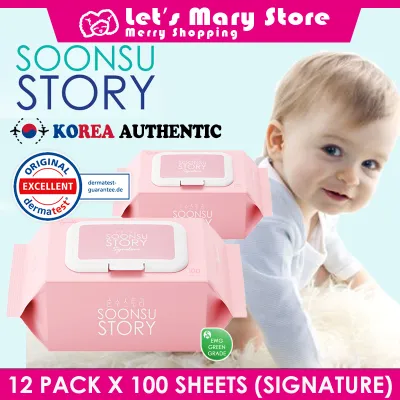
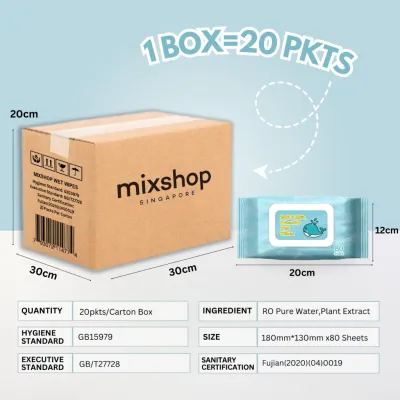
Prices are valid at publication and may change. Please refer to the product page for the latest price.
Many common ingredients found in standard wet wipes can trigger contact dermatitis or allergic reactions in delicate newborn skin. Synthetic fragrances, artificial colorants, and harsh surfactants used as cleansing agents are frequent culprits. Even certain strong preservatives, which are necessary to prevent mold in water-based products, can be too aggressive for a baby who is only a few weeks old.
Parents should also remain cautious of common marketing terms printed on the front of packaging, such as “hypoallergenic,” “gentle,” or “natural.” These terms are often used for branding and do not carry standardized, globally regulated definitions. To truly understand what you are putting on your baby’s skin, you must look past the marketing claims and scrutinize the actual chemical composition listed in the ingredient panel on the back of the pack.
How to Read and Verify Soonsu Wipe Ingredients
To evaluate the safety of Soonsu baby wipes, start by locating the full ingredient list on the physical packaging of the specific variant you intend to use. Manufacturers often produce multiple versions of wipes under the same brand name, such as thick, thin, scented, or unscented varieties. Never assume that two different packs of the same brand share identical formulations; always verify the text on the back of the specific pack in your hand.

When reviewing the ingredient list, look for a minimalist formulation. Ideally, a newborn-safe wipe should consist primarily of purified water—often accounting for over ninety-nine percent of the product—combined with mild humectants like glycerin and food-grade or highly gentle preservatives. Avoid products that list parabens, phenoxyethanol, alcohol, or synthetic perfumes, as these are known to dry out or irritate sensitive infant skin.
Next, look for specific safety indicators and testing claims printed on the packaging. Check if the label states that the formulation is pH-balanced, which helps maintain the natural acidic mantle of your baby’s skin. While you may see claims of dermatological testing or specific certifications, treat these as details to verify by checking the manufacturer’s official documentation or local regulatory databases rather than accepting them at face value.
Finally, pay close attention to the manufacturing date, expiration date, and the integrity of the packaging seals. In warm, humid climates, baby wipes can degrade or become breeding grounds for bacteria and mold if they are stored past their shelf life or if the package seal is compromised. Ensure the plastic resealable lid or adhesive sticker is completely intact and airtight before purchasing or using the wipes.
How to Safely Introduce and Patch Test the Wipes
Before using any new brand of wipe, including Soonsu, across your newborn’s entire diaper area, it is highly recommended to perform a localized patch test. This simple precautionary step allows you to identify potential skin sensitivities on a small scale, preventing widespread discomfort or painful rashes across highly sensitive areas.
To conduct a patch test, take a single wipe from a freshly opened pack and gently swipe it across a small, discreet area of your baby’s skin, such as the inner forearm or the side of the thigh. Do not scrub or apply heavy pressure. Allow the liquid from the wipe to dry naturally on the skin without rinsing it off.
Observe this test area closely over a twenty-four to forty-eight-hour window. Look for any visual or tactile changes in the skin, such as localized redness, tiny raised bumps, dry peeling patches, or swelling. If your baby shows signs of discomfort, such as pulling away or crying when the test patch is touched, this may indicate a mild burning or stinging sensation.
When using wipes during regular diaper changes, always practice gentle wiping techniques. Avoid aggressive rubbing, which can cause mechanical friction and micro-tears in the delicate skin barrier. Instead, use soft, patting motions to clean the area, working from front to back to maintain proper hygiene.
If your newborn has highly reactive skin, a family history of eczema, or is recovering from a skin flare-up, consider alternating wet wipes with plain water. For the first few weeks of life, using soft, dry cotton cloths or cotton balls dipped in lukewarm water is an excellent, chemical-free alternative that minimizes the risk of topical irritation.
Signs of Irritation and When to Stop Using the Wipes
As a caregiver, you must remain vigilant for any signs that your baby’s skin is reacting poorly to a product. Contact dermatitis often presents as localized redness that mirrors the exact shape of where the wipe was used. You may also notice dry, rough patches, small red papules, or a warm-to-the-touch sensation across the diaper region.
If you observe any of these signs of irritation, take immediate action by discontinuing the use of the wipes. Gently rinse the affected skin with lukewarm water to remove any lingering chemical residues from the product. Pat the area completely dry with a clean, soft towel, or let it air-dry fully before putting on a fresh diaper.
Monitor the skin closely over the next day. If the redness does not begin to fade within twenty-four hours, or if the skin starts to crack, blister, ooze, or bleed, you should stop all home treatments and consult a pediatrician or a pediatric dermatologist. Additionally, seek professional medical advice immediately if your baby develops a fever or shows signs of extreme distress, as these can indicate a secondary bacterial or fungal infection.
Avoid the temptation to apply unverified home remedies, adult skincare products, or unprescribed medicated creams to your newborn’s irritated skin. Many adult products contain active ingredients, fragrances, or preservatives that are highly toxic or damaging to an infant’s thin skin barrier. Stick strictly to pediatrician-approved barrier creams and simple, clean water until a professional medical evaluation is completed.
Frequently Asked Questions (FAQ)
Are Soonsu Wipes Safe for a Newborn's Face and Hands?
You should always check the specific Soonsu product packaging to see if the manufacturer explicitly states the wipes are safe for facial use. Even if a wipe is labeled as gentle, the skin on a newborn’s face is exceptionally delicate and highly sensitive to topical ingredients. Avoid using any baby wipe near your infant’s eyes, nose, and mouth to prevent accidental ingestion or painful stinging. If your baby has sensitive skin or is prone to drool rash, stick to using a soft washcloth dampened with plain, lukewarm water for facial cleanups.
Do These Wipes Prevent or Treat Diaper Rash?
Baby wipes are designed solely for cleansing and do not contain active medical ingredients to prevent or treat diaper rash. In fact, overusing wipes on an active diaper rash can sometimes worsen the condition due to mechanical friction and moisture retention. To manage and prevent diaper rash, ensure the skin is completely dry after cleansing, and apply a thick layer of a dedicated barrier cream containing zinc oxide or petroleum jelly. If a diaper rash persists for more than a few days, spreads rapidly, or looks bright red with dotted edges, consult your pediatrician to check for a yeast infection.
How to Store Wipes to Maintain Ingredient Integrity?
To preserve the safety and freshness of your baby wipes, always keep the plastic lid or adhesive seal tightly closed after extracting a wipe. Storing the pack in a cool, dry place away from direct sunlight and extreme temperature fluctuations is essential, especially in warm climates where heat can accelerate chemical degradation and bacterial growth. If you notice that the wipes have developed an unusual sour odor, changed in color, or feel excessively dry, discard the entire pack immediately to protect your newborn from potential contamination.
Community discussion
Share your experience or ask a question. Comments are reviewed before publication.