
For parents in Singapore welcoming a newborn, ensuring the safety of every item that comes into contact with their baby is a top priority. Among the essential items on any baby registry, baby pacifiers are often at the center of safety discussions. Silicone pacifiers have gained significant popularity due to their durability and ease of cleaning, leaving many parents to wonder if they are truly safe for newborns. The short answer is yes: high-quality silicone pacifiers are generally safe for newborns, provided they are manufactured to strict safety standards, used appropriately, and inspected regularly for wear and tear.
Navigating the vast array of baby pacifiers available in retail stores and online marketplaces can feel overwhelming. To make an informed decision, parents must look beyond attractive designs and focus on material composition, structural integrity, and proper usage guidelines. Understanding these factors helps ensure that a pacifier serves its purpose as a soothing tool without introducing unnecessary health or physical risks to a vulnerable newborn.
Understanding Silicone as a Material for Baby Pacifiers
Silicone is a highly versatile, synthetic polymer widely used in medical devices and kitchenware due to its flexibility, durability, and high resistance to temperature extremes. When evaluating baby pacifiers, it is crucial to understand that not all silicone is created equal. Parents should look for products explicitly labeled as “food-grade silicone” or “medical-grade silicone” by the manufacturer. These high-quality grades are formulated to be inert, meaning they do not leach harmful chemicals or absorb odors and flavors during use.
Products mentioned in this guide
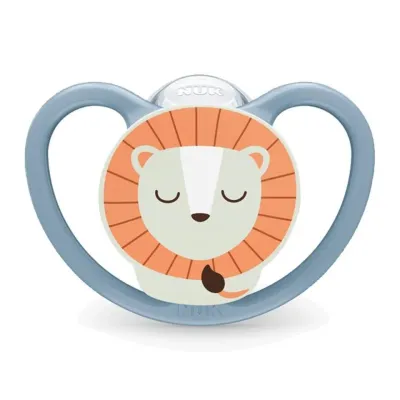
15 Lazada user ratings
Specially designed for sensitive baby skin, Orthodontic design for baby's oral development, Extra-large ventilation holes for maximum air ci…Read full reviewShow less
Specially designed for sensitive baby skin, Orthodontic design for baby's oral development, Extra-large ventilation holes for maximum air circulation, NUK Classic baglet promotes healthy development,
Cute designs for every age, Orthodontic design for baby's oral development, NUK Classic baglet promotes healthy development,
🔧Durability:repeated purchaseee 🎧Comfort:gooood 🔒Safety:suitable for newborns love the deal
Modern and innovative designs, NUK Classic baglet promotes healthy development,
Orthodontic design for baby's oral development, repeat purchase
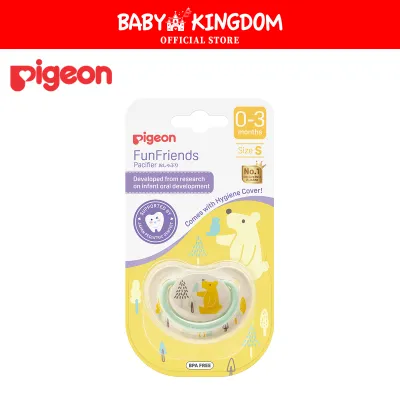
62 Lazada user ratings
fast delivery! have not used as ordering in advance of baby EDD to try out which brand would work better
Soft and gentle for babies, Great value for money, Helps soothe baby
received in good condition. faster than expected too.....
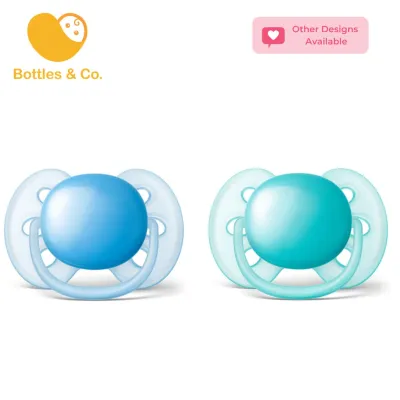
2 Lazada user ratings
Fast delivery wrapped in good condition My boy has been using this pacifier for 0to 6 months, its help alot. Got this on offer as thinking o…Read full reviewShow less
Fast delivery wrapped in good condition My boy has been using this pacifier for 0to 6 months, its help alot. Got this on offer as thinking of changing his current pacifier.
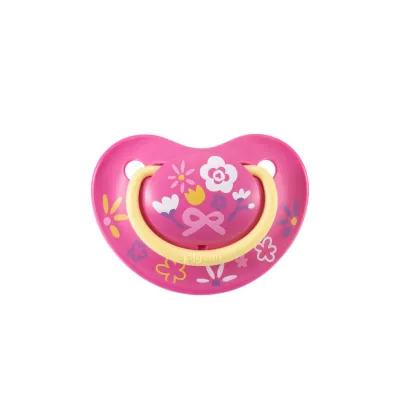
17 Lazada user ratings
My baby use this brand pacifier since newborn, now I change a bigger size for her as she is 7 months old now. I really love it comes with co…Read full reviewShow less
My baby use this brand pacifier since newborn, now I change a bigger size for her as she is 7 months old now. I really love it comes with cover, more hygiene when outing
Product delivery duration is acceptable. Product packaging is good. Product quality is good. Colorful design attracts baby's attention. Easy…Read full reviewShow less
Product delivery duration is acceptable. Product packaging is good. Product quality is good. Colorful design attracts baby's attention. Easy to clean and maintain.
Product delivery duration is acceptable. Product packaging is good. Product quality is good. Colorful design attracts baby's attention, baby…Read full reviewShow less
Product delivery duration is acceptable. Product packaging is good. Product quality is good. Colorful design attracts baby's attention, baby likes it.
Great and reliable products. Have been buy this since baby is born. will purchase again. Fast delivery and item well packed. Highly recommen…Read full reviewShow less
Great and reliable products. Have been buy this since baby is born. will purchase again. Fast delivery and item well packed. Highly recommended
Baby preferred brand. Very easy to wash. Kts convenient to bring out because it has a cover. Thanks.
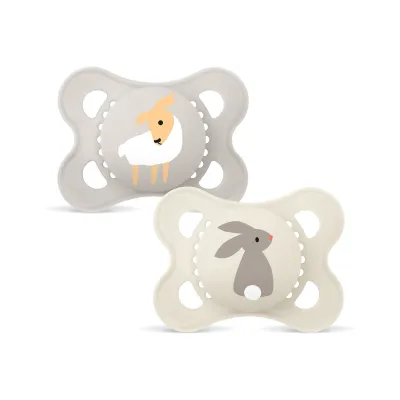
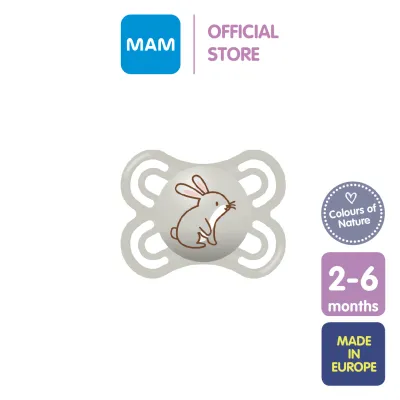
31 Lazada user ratings
Have been using MAM pacifier since birth and my LO like it. Outgrown from 0 to 2 months so now it's time for an upgrade.
Fast delivery..... Items received in very good condition....
Looks good and cute! Haven’t started using for my baby
Cute design, my baby loves it!,
Prices are valid at publication and may change. Please refer to the product page for the latest price.
In contrast to standard plastics, which may contain various chemical additives to achieve flexibility, quality silicone is naturally pliable. When purchasing baby pacifiers, always check the product packaging for clear “BPA-free” and “phthalate-free” declarations. Bisphenol A (BPA) and phthalates are chemical compounds historically used in plastics that have been restricted in childcare products due to potential endocrine-disrupting effects. Ensuring these labels are present provides an extra layer of reassurance regarding chemical safety.
However, material names and general marketing claims alone do not guarantee absolute safety. Parents must always verify the manufacturer’s specific age recommendations, intended use, and product specifications. A silicone nipple designed for a six-month-old infant is typically larger and firmer than one designed for a newborn, which can cause discomfort or affect oral development if introduced too early. Always match the product’s designated age range to your baby’s current developmental stage.
Key Safety Standards and Certifications to Look For
When shopping for baby pacifiers in Singapore, parents should look for specific compliance marks on the packaging to verify that the product has undergone rigorous safety testing. Recognized international safety standards provide a benchmark for physical and chemical safety. For instance, the European safety standard EN 1400 is a widely respected certification that regulates the materials, design, and mechanical properties of pacifiers. Another common standard is the Australian and New Zealand standard AS/NZS 2432.

These standards ensure that the pacifier has been tested for bite resistance, tear strength, and chemical migration, reducing the risk of structural failure or chemical exposure. Before purchasing, take a moment to cross-reference any certification claims with the manufacturer’s official documentation or website. Reputable brands will openly share their compliance certificates and testing details, allowing parents to verify that the claims on the packaging are legitimate and up to date.
If you encounter a product where the certification labels are unclear, missing, or seem unverified, it is best to err on the side of caution and avoid the purchase. For guidance on product safety or if you are unsure about a specific brand’s credentials, consider consulting a pediatrician or checking official local health portals. Organizations like Enterprise Singapore regularly publish consumer product safety guidelines and alerts to help parents identify compliant and safe baby gear.
One-Piece vs. Multi-Piece Construction: Evaluating the Risks
The structural design of baby pacifiers is a critical factor in preventing choking hazards, which are among the most significant risks associated with pacifier use. One-piece silicone pacifiers are molded from a single, continuous piece of silicone, meaning the nipple, shield, and handling ring are completely integrated. This seamless construction is highly recommended for newborns because there are no joints or separate parts that can weaken, crack, or detach over time.
Multi-piece pacifiers, on the other hand, consist of a silicone nipple attached to a separate plastic shield, often secured with a plastic plug or ring. While many multi-piece pacifiers from reputable brands are designed to be safe, they inherently carry a higher risk of structural failure. Over time, repeated sterilization, washing, and the natural wear from sucking can weaken the joints, potentially causing the nipple to detach.
Before every use, perform a quick visual and physical inspection of the pacifier. Use this simple checklist to evaluate the structural integrity of the item:
- Shield Size: Verify that the shield is large enough that it cannot be pulled entirely into your baby's mouth.
- Ventilation Holes: Ensure the shield features at least two large ventilation holes to allow air to pass through.
- Tug Test: Firmly pull the nipple in all directions to check for any signs of tearing or loosening.
When and How to Safely Introduce a Pacifier to a Newborn
Introducing a pacifier to a newborn requires careful consideration of timing, particularly if you are planning to breastfeed. General pediatric guidelines suggest waiting to introduce a pacifier until breastfeeding is well-established, which typically takes about three to four weeks after birth. This waiting period helps prevent nipple confusion, ensuring that the newborn has mastered the distinct sucking technique required for breastfeeding and that your milk supply has stabilized.
Never force a pacifier if your newborn rejects it. Some infants naturally soothe themselves without one, and forcing it can lead to distress. Additionally, a pacifier must never be used as a substitute for feeding or to delay a scheduled feed. Always respond to your baby’s hunger cues first, and only offer the pacifier when you are certain they are full and simply seeking comfort.
Caregiver supervision is essential whenever a newborn is using a pacifier. Never attach strings, ribbons, cords, or clips to the pacifier and wrap them around your baby’s neck or attach them to their clothing during sleep, as these pose severe strangulation and suffocation risks. If you choose to use a pacifier clip during waking hours, ensure it is a short, safety-approved strap that is securely attached to the baby’s clothing under direct adult supervision.
Daily Care, Inspection, and When to Replace
Proper hygiene and maintenance are vital to protecting your newborn’s developing immune system. Always clean and sterilize baby pacifiers strictly according to the specific manufacturer’s instructions. Standard sterilization methods typically involve boiling the pacifier in water for five minutes, using a steam sterilizer, or utilizing cold-water sterilizing tablets. Always allow the pacifier to cool completely and squeeze out any trapped water from the nipple before giving it to your baby.
Regularly inspect the silicone nipple for observable signs of degradation. Although silicone is highly durable, exposure to heat, UV light, saliva, and frequent cleaning will eventually cause the material to break down. Inspect the pacifier daily for signs of wear, such as stickiness, discoloration, fine cracks, tears, or changes in the texture of the silicone. If the nipple feels unusually soft, gummy, or brittle, it is no longer safe for use.
Define clear stop-use conditions for your household: immediately discard and replace the pacifier if it shows any structural weakness, swelling, or damage. Even in the absence of visible wear, many manufacturers recommend replacing silicone pacifiers every four to eight weeks for hygiene and safety reasons. Keeping a rotation of a few identical, safety-compliant pacifiers can help extend the lifespan of each individual item.
Frequently Asked Questions (FAQ)
Can I sterilize silicone baby pacifiers in boiling water?
Yes, silicone is generally highly heat-resistant and can safely withstand boiling water. However, you must always check the specific product’s care instructions first, as some pacifiers feature plastic shields or internal components that may warp or degrade under extreme heat. If boiling is not recommended by the manufacturer, use alternative sterilization methods such as cold-water sterilizing solutions or UV sterilizers as specified in the product guidelines.
Are there any risks associated with using a pacifier during sleep?
Pediatric health organizations generally support the use of pacifiers during sleep, as some studies suggest it may help reduce the risk of Sudden Infant Death Syndrome (SIDS). However, safety rules must be strictly followed: do not reinsert the pacifier once your baby has fallen asleep and it falls out of their mouth. Additionally, never use pacifier clips, attachments, or plush toys in the crib during sleep, as these present serious suffocation and strangulation hazards.
How often should I replace my newborn's silicone pacifier?
There is no single fixed calendar date for replacing a pacifier, as its lifespan depends heavily on usage frequency, cleaning methods, and observable wear. Instead of relying solely on a timeline, perform a daily visual and tactile inspection before giving the pacifier to your newborn. Discard the item immediately if you notice any changes in texture, stickiness, tears, or structural weakness, and consult the manufacturer’s guidelines for their recommended maximum usage window, which is often between four to eight weeks.
Community discussion
Share your experience or ask a question. Comments are reviewed before publication.