
When welcoming a newborn, every choice regarding their daily care feels monumental. You might be looking at Pureen baby wipes on the shelves of your local supermarket or online store in Singapore and wondering if they are truly safe for your newborn’s highly sensitive skin. The direct answer is that safety is conditional: it depends entirely on the specific variant of Pureen wipe you choose, your baby’s individual skin sensitivity, and the specific ingredient formulation. While some Pureen wipes are designed with gentle, minimalist formulas, other variants contain fragrances or preservatives that are less suitable for a newborn’s fragile skin barrier.
Are Pureen Baby Wipes Safe for Newborn Skin?
Newborn skin is structurally different from adult skin. It is up to 30% thinner, highly permeable, and has a developing skin barrier that is exceptionally vulnerable to external irritants, friction, and chemical absorption. Because of this fragility, “newborn safe” is not a blanket guarantee that applies to every single product under a specific brand name, including Pureen. Parents must evaluate each product variant individually rather than relying solely on the reputation of the brand.
Pureen offers a wide array of baby wipe variants, ranging from fragrance-free, alcohol-free formulations to heavily scented wipes intended for older toddlers or general family use. To make a safe choice, you must look past the brand logo and scrutinize the exact formulation of the pack in your hand. Scented or alcohol-containing variants can easily strip away the natural lipids protecting your baby’s skin, leading to dryness, irritation, or contact dermatitis.
Products mentioned in this guide
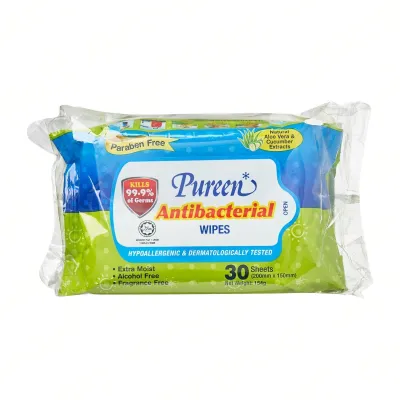
Prices are valid at publication and may change. Please refer to the product page for the latest price.
Furthermore, even the gentlest wipe can cause an adverse reaction if your baby has an underlying skin condition like infantile eczema or an individual sensitivity to a specific preservative. For this reason, professional dermatological advice always emphasizes checking the ingredient list, conducting a localized patch test, and closely monitoring your baby’s skin for any signs of redness or discomfort before integrating any wipe into your daily diapering routine.
How to Evaluate Pureen Wipe Ingredients for Newborns
Understanding how to read the ingredient label on a pack of Pureen wipes is one of the most empowering steps you can take as a parent. Marketing terms like “gentle” or “mild” are subjective, but the ingredient list on the back of the packaging provides an objective breakdown of what will actually touch your newborn’s skin.

Ingredients Generally Considered Safe
When examining Pureen wipes, look for formulas where the primary ingredient is purified water—ideally making up 99% of the wet solution. High water content minimizes the concentration of active chemical agents, reducing the risk of irritation. Purified or deionized water ensures that no trace minerals or contaminants interfere with your baby’s skin.
Alongside water, safe formulations often include mild, plant-based soothing agents such as aloe vera extract or chamomile. These natural extracts help soothe the skin and provide a light, non-irritating layer of moisture. They are widely tolerated by newborn skin and can help reduce minor redness caused by friction.
Gentle humectants and food-grade moisturizers, such as glycerin, are also common and generally well-tolerated. Glycerin helps keep the wipe moist while supporting the skin’s hydration without clogging pores or disrupting the natural pH balance of a newborn’s skin, which is typically slightly acidic.
Ingredients to Avoid or Limit
Conversely, there are several ingredients you should actively avoid or limit when choosing wipes for a newborn. Alcohol (specifically simple alcohols like ethanol or isopropyl alcohol) must be completely avoided as it dries out the skin rapidly and damages the fragile skin barrier. Fortunately, most modern baby wipes, including many Pureen variants, are formulated to be alcohol-free, but you must always verify this on the label.
Synthetic fragrances are another major culprit for allergic reactions and contact dermatitis in infants. Even if a scent smells pleasant, it is best to opt for fragrance-free variants for newborns. Fragrances are complex chemical mixtures that serve no functional cleansing purpose and only increase the risk of skin sensitization.
You should also scrutinize the preservative system. While preservatives are absolutely necessary to prevent the growth of harmful bacteria and mold in wet wipes, certain preservatives are highly controversial. Avoid parabens and formaldehyde-releasing preservatives. Phenoxyethanol, while widely used as a safer alternative to parabens, should ideally be limited or avoided in wipes used on the highly sensitive diaper area of very young infants, as some babies can still react to it. Harsh surfactants like Sodium Lauryl Sulfate (SLS) or Sodium Laureth Sulfate (SLES) should also be avoided, as they strip away natural oils and cause dryness.
Checking Certifications and Labels
To verify safety claims, look for recognizable, independent certifications directly on the packaging. Phrases like “dermatologically tested,” “hypoallergenic,” or “pediatrician approved” indicate that the formulation has undergone some level of safety screening, though you should still verify the ingredient list yourself.
In Singapore, cosmetic products, including baby wipes, are regulated under the Health Sciences Authority (HSA) guidelines. While the HSA monitors product safety and post-market compliance, manufacturers must comply with strict safety standards. Check the physical packaging for clear manufacturer details, batch numbers, and compliance labels. Do not rely solely on online product descriptions; always verify the physical packaging of the specific batch you purchase to ensure it meets safety standards and contains no recalled ingredients.
Potential Skin Reactions and When to Stop Using Wipes
Even if you select a Pureen wipe variant that appears safe on paper, your newborn’s skin might still react. Recognizing the early signs of a skin reaction allows you to intervene before a mild irritation escalates into a painful, inflamed rash.
Common Signs of Irritation
The most common visual cue of a reaction to a baby wipe is localized redness that aligns directly with the areas where the wipe was used. You might also notice dry, rough patches, peeling skin, or tiny red bumps.
Behavioral cues are equally important. If your baby becomes unusually fussy, squirms, or cries specifically during or immediately after you wipe their skin, they may be experiencing a burning or stinging sensation caused by the wipe’s ingredients. This discomfort is a clear signal that the current product is not compatible with their skin.
Contact Dermatitis vs. Standard Diaper Rash
It is crucial to distinguish between contact dermatitis (an allergic or irritant reaction to the wipe itself) and a standard diaper rash. Standard diaper rash is typically caused by prolonged exposure to wetness, friction from the diaper, or yeast, and it usually concentrates around the areas of highest moisture and friction.
In contrast, contact dermatitis caused by baby wipes often mirrors the exact path of the wipe. This means you may see irritation not just in the diaper area, but also in the skin folds, on the thighs, or even on the face and hands if you used the same wipe there. The rash is often characterized by well-defined red patches that match the wiping pattern.
Immediate Action Plan
If you suspect your newborn is reacting to Pureen wipes, take immediate action. Stop using the wipes completely.
Switch immediately to plain, lukewarm water and soft cotton wool or a clean, damp cloth to cleanse the area during diaper changes. Keep the affected skin clean and dry, and monitor it closely for 24 to 48 hours to see if the redness subsides once the wipe exposure has stopped.
Best Practices for Using Baby Wipes on Newborns
To minimize the risk of skin irritation and maximize safety, how you use baby wipes is just as important as which variant you choose. Implementing gentle diapering habits protects your newborn’s delicate skin barrier.
The Patch Test
Before using any new pack of Pureen wipes across your baby’s entire diaper area, always perform a simple patch test. Wipe a small, discreet area on your baby’s outer leg or arm with the wipe.
Wait 24 hours and monitor the spot closely for any signs of redness, swelling, or dry patches. If the skin remains clear and healthy, you can proceed with using the wipes for regular diaper changes. This simple precaution can prevent widespread skin discomfort.
Gentle Wiping Technique
Newborn skin cannot tolerate aggressive friction. Avoid rubbing or scrubbing the skin during diaper changes, as this mechanical friction can create micro-tears in the skin barrier, making it easier for bacteria and chemical residues to penetrate.
Instead, use a gentle patting or light sweeping motion. Always wipe from front to back—especially for baby girls—to prevent transferring fecal bacteria into the urinary tract, which can cause painful infections.
Drying the Skin
One of the most overlooked steps in diapering is ensuring the skin is completely dry before putting on a new diaper. Trapping moisture, even from a clean water-based wipe, against the skin under a tight diaper creates a humid environment that leads to skin maceration and diaper rash.
After wiping, let your baby’s skin air-dry completely for a few moments, or gently pat the area dry with a soft, clean, dry cotton cloth. This simple step significantly reduces the risk of diaper rash and skin breakdown.
Face and Hands Caution
The skin on your newborn’s face and hands is even thinner and more sensitive than the skin on their diaper area. Additionally, babies frequently put their hands and fingers into their mouths, introducing a risk of ingesting wipe residues.
Avoid using standard diaper wipes on your baby’s face and hands. If you must use a wipe, ensure it is a specific Pureen variant explicitly labeled and formulated as safe for face and mouth use, or stick to plain water and a clean washcloth.
Alternatives to Baby Wipes and When to See a Doctor
While baby wipes offer unmatched convenience, they are not always the best choice for a newborn, especially during the first few weeks of life when the skin barrier is at its most fragile.
Water and Cotton Wool
Many pediatricians and dermatologists recommend using only plain, lukewarm water and large cotton wool balls (or reusable, soft cotton cloths) for the first four to six weeks of a newborn’s life.
This method is entirely chemical-free, eliminates the risk of preservative allergies, and provides the gentlest possible cleansing. It is also the gold standard recovery method if your baby develops a severe diaper rash or skin irritation from commercial wipes. In Singapore, where tap water is safe and highly treated, you can easily use clean tap water or cooled boiled water for this purpose.
When to Consult a Pediatrician
While mild skin redness often resolves with a change in diapering habits, certain symptoms require professional medical evaluation. You should consult a pediatrician immediately if you observe any of the following:
- Rashes that bleed, ooze pus, or develop open blisters.
- A rash that spreads rapidly beyond the diaper area to other parts of the body.
- Irritation that does not improve or worsens after three days of discontinuing wipe use.
- A rash accompanied by a fever, lethargy, or poor feeding.
Never apply medicated creams, steroid ointments, or over-the-counter antifungal treatments to your newborn’s skin without direct guidance from a qualified healthcare professional.
Frequently Asked Questions (FAQ)
Can I use Pureen baby wipes on my newborn's face?
You should avoid using standard Pureen diaper wipes on your newborn’s face. Facial skin is highly sensitive, and wipes formulated for the diaper area may contain ingredients that can irritate the eyes or mouth, or be accidentally ingested when the baby sucks on their hands. If you need to clean your baby’s face, check if the specific Pureen variant is explicitly labeled and formulated for face and mouth use. If it is not, use a soft cloth dampened with plain, lukewarm water instead to ensure safety.
Do baby wipes expire, and is it safe to use expired ones?
Yes, baby wipes do expire, and it is not safe to use them past their expiration date. Over time, the preservatives in the wipes break down, which can allow harmful bacteria, mold, and fungi to grow inside the package. Additionally, expired wipes often dry out, losing their effectiveness and causing more friction on your baby’s skin. Always check the manufacturing or expiry date printed on your Pureen packaging, store them in a cool, dry place, and discard any expired packs immediately to protect your newborn from potential skin infections.
Community discussion
Share your experience or ask a question. Comments are reviewed before publication.