
When welcoming a newborn, choosing the right skincare and diapering products is one of the most important decisions parents face. Pureen baby wipes are a popular choice for many families, but determining whether they are safe for a newborn’s delicate skin requires looking closely at their ingredients, formulations, and how they interact with a baby’s developing skin barrier. Newborn skin is significantly thinner, more fragile, and more permeable than adult skin, making it highly susceptible to chemical irritants, friction, and environmental factors.
Whether a specific pack of Pureen wipes is suitable for your newborn depends heavily on the exact variant you choose, as the brand offers several formulations ranging from fragrance-free options to scented versions. To ensure your baby’s skin remains healthy and free from irritation, you must learn how to decode the ingredient list on the packaging, identify potential irritants, and follow safe usage practices. This guide provides a comprehensive breakdown of what to look for on baby wipe labels, how to evaluate ingredients, and how to safely introduce new wipes to your newborn’s routine.
How to Evaluate Baby Wipe Ingredients for Newborn Skin
Evaluating the safety of any baby wipe begins with understanding the purpose of each ingredient listed on the back of the pack. Because newborn skin has an underdeveloped outer layer, it absorbs topical substances more easily and loses moisture rapidly. This vulnerability is particularly pronounced in warm, humid climates, where trapped moisture in the diaper area can quickly lead to skin breakdown and diaper rash.
Products mentioned in this guide
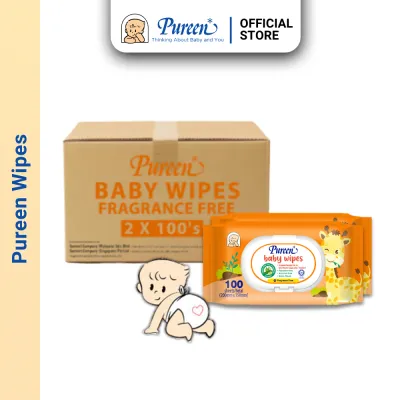

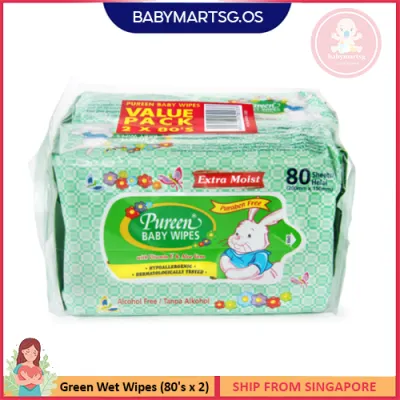
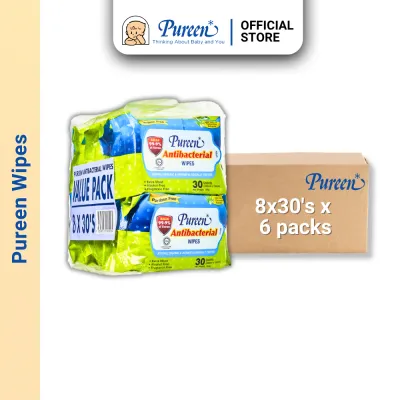
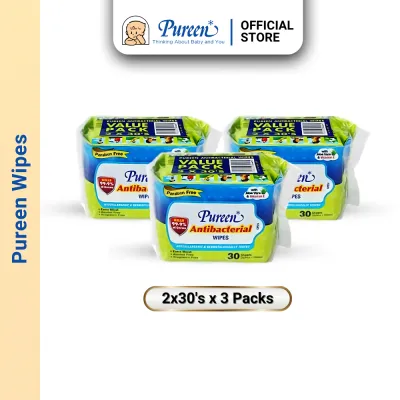
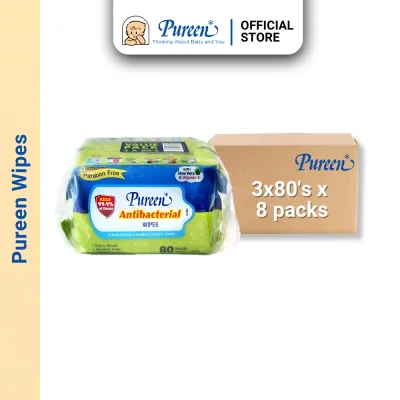
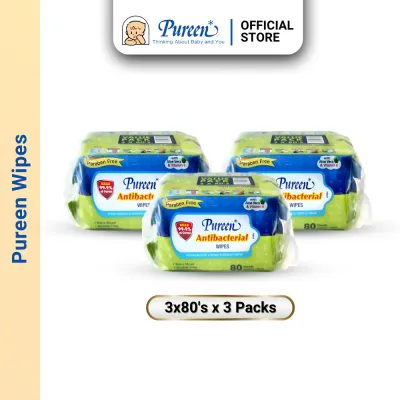
Prices are valid at publication and may change. Please refer to the product page for the latest price.
The primary ingredient in almost all wet wipes is purified water, which acts as a carrier and solvent to cleanse away urine and fecal matter. To prevent friction and soothe the skin during wiping, manufacturers often include moisturizing agents and emollients. Common examples include aloe vera extract and vitamin E. These ingredients help support the skin’s natural moisture barrier, leaving a light protective layer that reduces the risk of chafing.
However, parents must also scan the label for ingredients that are frequently flagged as potential irritants for sensitive newborn skin. Simple alcohols, such as ethanol or isopropyl alcohol, should be avoided entirely in newborn wipes because they strip away natural lipids, leading to severe dryness and irritation. It is important to distinguish these from fatty alcohols like cetearyl alcohol, which are non-drying and often used as emulsifiers, though fragrance-free and alcohol-free formulations remain the safest baseline for newborns.
Preservatives are another critical category to evaluate. Because wet wipes are moist and stored in warm environments, they require preservatives to prevent the growth of harmful bacteria, mold, and yeast. While necessary, some preservatives can trigger contact dermatitis in sensitive infants. Parabens and phenoxyethanol are common preservatives that some parents choose to avoid. While regulatory bodies permit their use in low concentrations, choosing wipes with alternative, gentle preservative systems can minimize the risk of skin sensitization.
Finally, synthetic fragrances are a leading cause of allergic skin reactions in babies. Even if a package is labeled “hypoallergenic,” parents should verify the ingredient list to ensure no added perfumes or fragrances are present. A safe newborn wipe should prioritize simplicity, utilizing a high percentage of purified water combined with minimal, gentle cleansing agents and mild preservatives.
Checking Pureen Baby Wipes: What to Look for on the Label
When shopping for Pureen baby wipes, you will find several different variants on the shelves of local supermarkets and online marketplaces. Because formulations vary significantly across the brand’s product line, you cannot assume that all Pureen wipes are identical or equally suited for a newborn. You must inspect the physical packaging of the specific variant you intend to purchase to verify its suitability.

Start by identifying the specific product variant, such as Pureen Sensitive Skin, Pureen Fragrance Free, or their water-based options. For newborns, especially during the first few weeks of life, the fragrance-free and sensitive skin variants are generally the most appropriate choices. These formulations are specifically designed to exclude added perfumes and harsh chemicals that could compromise a newborn’s delicate skin barrier.
Next, look for specific claims and certifications printed directly on the label. Manufacturers often highlight attributes such as “dermatologically tested,” “alcohol-free,” or “paraben-free” on the front of the pack. While these claims offer a helpful starting point, you should always cross-reference them with the ingredient list on the back. Verify that the product does not contain ingredients you wish to avoid, and check for any official seals or pediatric recommendations that indicate the formulation has undergone safety testing.
To ensure you are making an informed decision, use this quick checklist when examining a pack of Pureen baby wipes:
- Confirm the variant name explicitly states "Fragrance Free" or "Sensitive Skin."
- Read the ingredient list to verify the absence of added perfumes, parabens, and drying alcohols.
- Check the packaging for a clear "dermatologically tested" label or similar safety verification.
- Locate the expiry date or manufacturing date on the pack to ensure the wipes are fresh and the preservative system is fully active.
- Read the manufacturer's instructions regarding the recommended age range and specific areas of the body where the wipes can be safely used.
Recognizing and Managing Skin Reactions in Newborns
Even when using wipes formulated for sensitive skin, there is always a small possibility that a newborn may experience an adverse reaction. Because a baby’s skin barrier is still developing, it can react to friction, moisture, or specific chemical compounds. Parents must be vigilant in monitoring their baby’s skin, particularly in the diaper area, thighs, and lower abdomen.
The most common sign of a localized skin reaction is contact dermatitis, which can present as bright redness, dry or flaky patches, small red bumps, or a warm-to-the-touch rash. This irritation typically aligns closely with the areas where the wipe was applied. It is important to distinguish a mild reaction to a product from severe diaper rash caused by prolonged exposure to wetness or yeast infections, though both require careful management to prevent complications.
If you notice any signs of skin irritation after introducing a new pack of wipes, take immediate, low-risk steps to manage the reaction. Stop using the wipes immediately and switch to a minimalist cleansing routine. Cleanse the diaper area using only lukewarm water and soft, dry cotton pads or a clean, damp cotton washcloth. Gently pat the skin dry with a soft towel instead of rubbing, as friction will further damage the compromised skin barrier. Allow the skin to air-dry completely before putting on a fresh diaper, and consider applying a thin layer of a plain, fragrance-free barrier cream containing zinc oxide or petroleum jelly to protect the skin from moisture.
While many mild skin reactions resolve within a few days of discontinuing the offending product, some situations require professional medical evaluation. You should stop home care and consult a pediatrician or dermatologist if the redness spreads beyond the diaper area, if the skin develops open sores, blisters, or starts oozing, or if the baby shows signs of significant discomfort, such as crying during diaper changes or difficulty sleeping. Additionally, if the rash does not show signs of improvement after two to three days of using plain water, seek professional guidance to rule out secondary bacterial or fungal infections.
Best Practices for Using Baby Wipes on Newborns
Using baby wipes correctly is just as important as choosing the right formulation. Proper application techniques and storage habits can significantly reduce the risk of mechanical irritation and maintain the hygiene of the product.
When cleansing your newborn, always use a gentle sweeping or patting motion rather than dragging the wipe firmly across the skin. Newborn skin is highly sensitive to friction, and repetitive rubbing can cause micro-tears in the skin barrier, making it easier for bacteria and irritants to penetrate. Pay close attention to the deep skin folds around the thighs and groin, where moisture, urine, and stool can easily accumulate. Ensure these areas are thoroughly cleansed and completely dry before securing a clean diaper, especially in warm, humid environments where trapped moisture can rapidly lead to chafing and heat rash.
Before using a new brand or variant of wipes across the entire diaper area, it is highly recommended to perform a simple patch test. Wipe a small, discreet area of your baby’s skin, such as the outer thigh or the inside of the arm, with a single wipe. Observe the area closely over the next 24 to 48 hours for any signs of redness, swelling, or irritation. If the skin remains clear, you can proceed with using the wipes for regular diaper changes.
Proper storage is also essential to preserve the integrity and safety of the wipes. Always seal the plastic lid or resealable sticker tightly immediately after extracting a wipe to prevent the remaining sheets from drying out. Store the packs in a cool, dry place away from direct sunlight and heat sources. In humid climates, avoid leaving opened packs of wipes inside hot vehicles or diaper bags for extended periods, as elevated temperatures can degrade the preservative system, potentially allowing bacteria or mold to contaminate the wipes.
Frequently Asked Questions (FAQ)
Can I use Pureen baby wipes on a newborn's face and hands?
Newborn facial skin is significantly thinner and more sensitive than the skin on the rest of their body, and the areas around the mouth and eyes are particularly vulnerable to irritation. While some baby wipes are marketed as suitable for hands and face, you must check the specific Pureen packaging to confirm if the variant you have is explicitly cleared for facial use. Avoid using any baby wipe near the delicate eye area. For daily facial cleansing, using a clean washcloth dampened with cooled, boiled water remains the gentlest and safest method for a newborn.
Are water-based wipes always safer than scented ones for newborns?
Generally, fragrance-free and high-water-content wipes are preferred for newborns because they minimize the risk of exposure to synthetic perfumes, which are a common trigger for skin allergies. However, it is important to remember that water-based wipes are not entirely chemical-free. Because water is highly susceptible to bacterial growth, all commercial wet wipes must contain a preservative system to remain sanitary. Parents should still review the ingredient list of water-based wipes to ensure the preservatives and cleansing agents used are mild and suitable for sensitive skin.
How long should I wait to see if my baby reacts to a new wipe?
Skin reactions can manifest at different times depending on the type of sensitivity. Irritant contact dermatitis, which is a direct reaction to a harsh ingredient or friction, often appears within a few hours of the first few uses. Allergic contact dermatitis, which involves an immune response, can take 24 to 72 hours to develop after repeated exposure to an allergen. Monitor your baby’s skin closely for the first week after introducing a new wipe, and discontinue use immediately if you observe any redness, swelling, or bumps.

Community discussion
Share your experience or ask a question. Comments are reviewed before publication.