
When introducing a new diapering product into your baby’s care routine, safety is rarely a simple yes-or-no answer. For parents considering Poomsoft wipes, determining whether they are safe for a newborn or a baby with sensitive skin requires looking past general marketing slogans and focusing on your child’s specific skin barrier needs. Because infant skin is highly permeable, thin, and reactive, safety is a conditional outcome. It depends on individual ingredient tolerance, the physical friction generated during use, and the current health of your baby’s skin barrier.
In Singapore’s warm and humid climate, diaper area care requires extra vigilance. High humidity can trap moisture against the skin, creating an environment where friction, sweat, and residual chemicals from wipes can easily trigger diaper rash or exacerbate eczema. To make an informed decision, caregivers must learn how to systematically evaluate the product’s label, understand how sensitive skin interacts with wipe ingredients, and perform a controlled patch test before committing to full-time use.
How to Evaluate Poomsoft Wipes for Newborn Skin
To determine if Poomsoft wipes are appropriate for a newborn, your first step should always be a thorough inspection of the physical packaging and the manufacturer’s ingredient list. A newborn’s skin barrier is still developing during the first few months of life, making it highly susceptible to absorbing topical substances. When examining the ingredient list on the back of the pack, check carefully for the presence of alcohol, synthetic fragrances, and harsh preservatives. Ingredients like ethanol or isopropyl alcohol can strip away natural lipids, leading to severe dryness and cracking. Synthetic fragrances, often listed simply as “parfum” or “fragrance,” are among the most common triggers for contact dermatitis in infants and should ideally be avoided entirely during the newborn stage.
Products mentioned in this guide

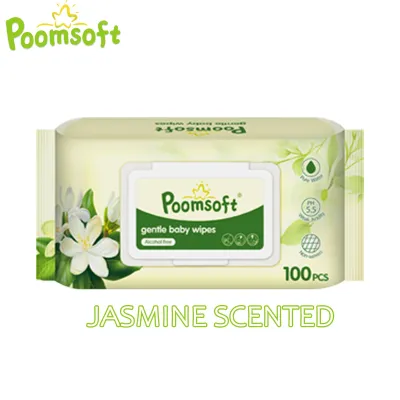

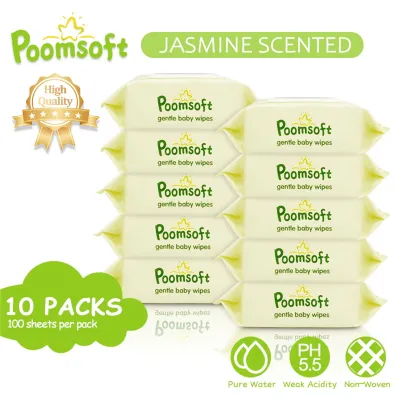
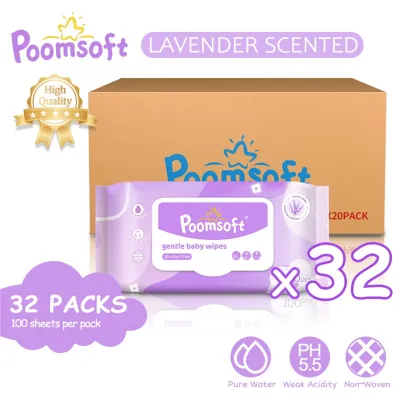
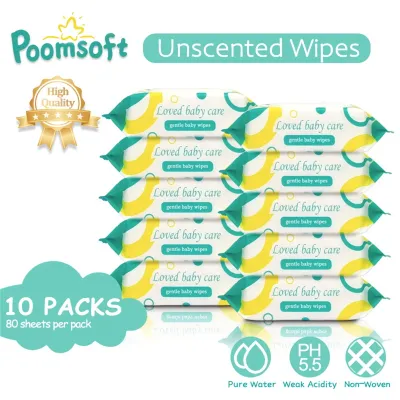
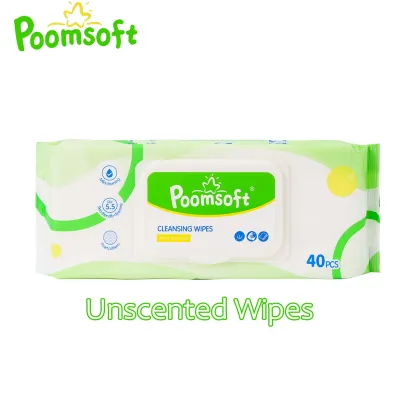

Prices are valid at publication and may change. Please refer to the product page for the latest price.
Next, verify any specific manufacturer claims printed on the label, such as “pH-balanced,” “hypoallergenic,” or “dermatologically tested.” While these terms indicate that the manufacturer has designed the product with sensitive skin in mind, they are not standardized medical guarantees. A truly safe newborn wipe should closely match the natural, slightly acidic pH of healthy infant skin to support the development of the acid mantle. You can verify these claims by checking the manufacturer’s official website or product documentation for batch testing details.
Finally, assess the physical characteristics of the wipe itself. Pull a single wipe from the package and examine its texture, thickness, and moisture level. A wipe that is too thin or dry will require you to apply more pressure and drag it across the skin multiple times to clean a mess. This repetitive friction can easily compromise a newborn’s delicate skin. Look for a wipe that feels plush, soft to the touch, and sufficiently saturated with liquid to glide effortlessly over the skin, minimizing physical irritation during diaper changes.
Considerations for Babies with Eczema or Sensitive Skin
For babies diagnosed with eczema or highly sensitive skin, the criteria for selecting a wipe become even more stringent. Eczema-prone skin has a structurally weakened epidermal barrier, which allows moisture to escape rapidly and irritants to penetrate deeply. When you use a baby wipe, a thin layer of liquid is left behind on the skin to air-dry. If this liquid contains certain preservatives or surfactants, they remain on the skin surface long after the water has evaporated. Over time, these residual chemicals can accumulate, causing cumulative irritation that breaks down the skin barrier further and triggers painful eczema flare-ups.

Caregivers must also carefully weigh the role of added soothing agents against the potential risk of botanical allergens. Many baby wipes are formulated with natural plant extracts, such as chamomile, aloe vera, calendula, or tea tree oil, which are marketed as natural anti-inflammatory ingredients. While these can be beneficial for some infants, botanical ingredients are also known contact allergens for children with highly reactive skin or active eczema. If your baby has a history of allergic reactions, a simpler formulation with fewer botanical additives is generally safer. Always check the ingredient list to ensure that any soothing claims do not mask a long list of complex plant extracts that your baby’s skin may not tolerate.
Furthermore, the method of application is just as important as the product’s ingredients. The mechanical friction of wiping back and forth can strip away the skin’s natural protective oils and irritate active eczema plaques. For babies with sensitive skin, pediatric dermatologists often recommend transitioning from a wiping motion to a gentle patting or dabbing method. This minimizes shear force on the skin. In Singapore’s humid environment, ensuring the skin is completely dry after patting—perhaps by letting it air-dry for a few moments before applying a barrier cream—is a crucial step in preventing moisture-induced flare-ups.
How to Perform a Safe Patch Test Before Full Use
Before introducing Poomsoft wipes into your daily diapering routine, conducting a preliminary patch test is a highly effective, low-risk way to assess your baby’s individual skin tolerance. Never use a new topical product directly on a compromised diaper area or a large portion of the body without testing it first. To perform the test, select a small, easily observable area of healthy skin where the baby cannot easily rub or lick the product off. The inner forearm or the area just behind the ear are excellent choices for this purpose.
Gently swipe the selected area once with a fresh wipe, ensuring the liquid makes direct contact with the skin, and allow it to dry naturally. Monitor this specific spot over an observation window of 24 to 48 hours. During this time, it is important to distinguish between normal, temporary skin changes and an actual adverse reaction. A slight, temporary cooling of the skin or mild wetness immediately after application is normal. However, if you observe localized redness, swelling, tiny raised bumps, hives, or if your baby repeatedly scratches or rubs the area, these are clear indicators of skin sensitivity or an allergic reaction.
If any signs of irritation or discomfort occur during the testing phase, take immediate action. Wash the tested area thoroughly with cool, plain water to remove any remaining residue, and pat it dry gently with a clean, soft towel. Do not apply any further product to the area, and discontinue the use of those wipes entirely. Keep a record of the reaction, including photos, to share with your pediatrician if the irritation does not resolve within a day or two.
When to Stop Using and Seek Professional Advice
Even if a product passes an initial patch test, cumulative exposure over several days or weeks can sometimes lead to delayed skin reactions. Caregivers must remain vigilant and know exactly when to stop using Poomsoft wipes and seek professional medical advice. Early visual signs of contact dermatitis or an allergic reaction include persistent, localized redness in the diaper region, dry or peeling skin, small red bumps, or hives. You may also notice behavioral changes, such as your baby becoming unusually fussy, crying, or flinching during diaper changes, which indicates that the wiping process is causing physical discomfort or burning.
If your baby has pre-existing eczema, you should stop using the wipes immediately if you notice their symptoms worsening. Signs of deterioration include eczema patches becoming increasingly red, warm to the touch, rough, or starting to weep fluid. If these symptoms fail to improve within a few days of standard care—such as applying prescribed moisturizers or barrier creams—it is time to consult a healthcare professional. Continuing to use a product that irritates a compromised skin barrier can lead to secondary bacterial or fungal infections, which require medical treatment.
While you are waiting for a professional pediatric consultation, transition to a safe, low-irritant fallback routine. Stop using all commercial baby wipes and instead use plain, lukewarm water and soft, reusable cotton cloths or high-quality cotton balls to clean the diaper area. This simple, chemical-free method eliminates any potential irritants, allowing the skin barrier a chance to rest and heal. When consulting your pediatrician, bring the packaging of the wipes with you so the doctor can review the exact ingredient list and help identify the potential trigger.
Frequently Asked Questions (FAQ)
Can I use Poomsoft wipes on my baby's face and hands?
The skin on a baby’s face is significantly thinner, more sensitive, and more prone to dryness than the skin on their bottom or limbs. Before using Poomsoft wipes on your baby’s face or hands, check the product packaging for explicit manufacturer instructions indicating that the wipes are safe for multi-use or facial application. Even if the label permits facial use, always avoid the delicate areas immediately surrounding the eyes and mouth. Wipes can contain mild surfactants that, while safe for the body, can cause stinging if they get into the eyes or may be accidentally ingested if used directly around the mouth.
What should I do if my baby develops a rash after using these wipes?
If your baby develops a rash, the immediate priority is to eliminate potential irritants and soothe the skin. Stop using the wipes immediately and cleanse the affected area gently using only plain, lukewarm water and a soft cotton cloth. Avoid rubbing the skin; instead, gently pat it dry and apply a thick layer of a fragrance-free diaper barrier cream to protect the skin from moisture and friction. Document the rash by taking clear photos in good lighting and noting the exact timeline of when you started using the wipes and when the rash appeared. If the rash does not improve within 48 hours, spreads, or is accompanied by a fever, contact your pediatrician for a professional evaluation.

Community discussion
Share your experience or ask a question. Comments are reviewed before publication.