
When welcoming a new baby, choosing the right diapering products is one of the first major decisions you will make. If you are considering Pigeon wet wipes for your newborn, the short answer is that many of their formulations are highly suitable for infants, but safety is always conditional. Whether a specific wipe is safe for your newborn depends entirely on the product line you choose—such as their 99% Pure Water variant versus lines containing added moisturizers or fragrances—and your individual baby’s unique skin tolerance.
While many Pigeon wipes are specifically formulated to be gentle, hypoallergenic, and dermatologically tested, no commercial wipe is universally risk-free for every single infant. Because formulations can change over time or vary by manufacturing region, you must always verify the ingredient list on the physical packaging and perform a localized patch test before integrating any new wipe into your daily diapering routine.
Quick Answer: Evaluating Pigeon Wet Wipes for Newborn Safety
In Singapore, Pigeon offers several wet wipe product lines, ranging from ultra-simple water-based options to specialized hand-and-mouth wipes. To determine if a particular pack is safe for your newborn, you must look past the brand name and evaluate the specific formulation. The brand’s 99% Pure Water wipes are generally the safest starting point for newborns because they minimize exposure to complex chemical additives, synthetic fragrances, and heavy preservatives.
Products mentioned in this guide
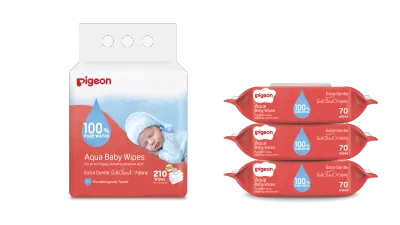
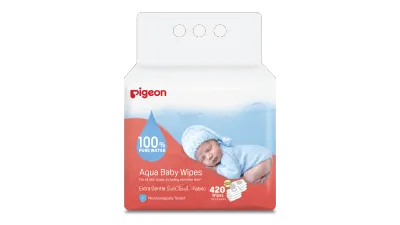
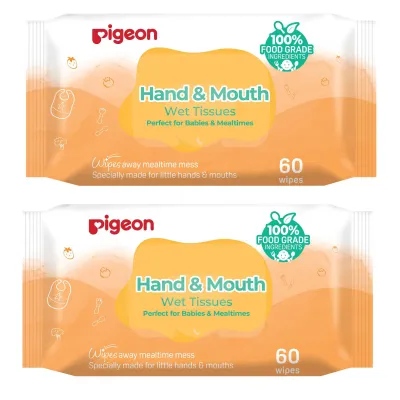
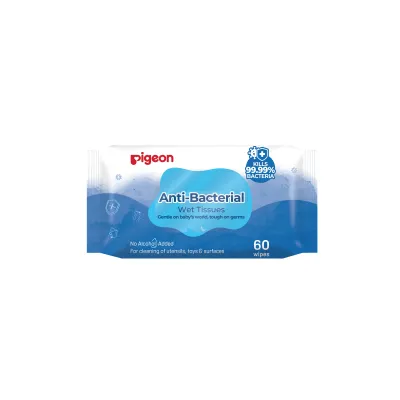
Prices are valid at publication and may change. Please refer to the product page for the latest price.
However, even with reputable brands, individual skin sensitivities vary. A product that works perfectly for one infant might trigger mild redness or dry patches on another. For this reason, parents should treat safety as a spectrum rather than a guarantee. Checking the physical packaging for the International Nomenclature of Cosmetic Ingredients (INCI) list is the most reliable way to verify what touches your baby’s skin. In Singapore, where high-quality baby wipes typically range from S$3 to S$8 per pack depending on bundle sizes, investing in the gentlest formulation is a practical step toward protecting your newborn’s skin health.
Why Newborn Skin Needs Extra Gentle Wipe Formulations
Newborn skin is structurally and physiologically different from adult skin, making it highly vulnerable during the first few months of life. The stratum corneum, which is the outermost layer of the epidermis responsible for acting as a physical shield against environmental pathogens, is up to 30% thinner in infants than in adults. This structural thinness means the physical skin barrier is fragile and easily compromised by mechanical friction, such as rough wiping, or chemical exposure from topical products.

Furthermore, newborn skin exhibits significantly higher permeability. Because the skin cells are less tightly packed and the lipid matrix is still developing, substances applied to the skin can penetrate deeper and enter the systemic circulation more easily. This high absorption rate makes infants particularly vulnerable to localized allergic reactions, contact dermatitis, and chemical irritations from synthetic additives.
Another critical factor is the development of the skin’s acid mantle. A healthy adult’s skin is slightly acidic, maintaining a pH of around 5.5 to inhibit the growth of harmful bacteria. At birth, a newborn’s skin pH is closer to neutral, typically ranging between 6.5 and 7. Over the first few weeks of life, the skin gradually transitions to a more acidic state. Introducing wet wipes with highly alkaline formulations or disruptive chemical profiles can delay or disrupt this natural acidification process, leaving the skin susceptible to microbial colonization.
Additionally, newborns experience a much higher rate of transepidermal water loss (TEWL) compared to older children. This means their skin loses moisture rapidly, leading to dryness and flaking. In Singapore’s hot and humid climate, this delicate balance is further challenged. The combination of sweat, residual urine, and fecal enzymes trapped inside a warm diaper creates an ideal environment for skin breakdown and yeast infections. Consequently, choosing a wipe formulation that supports the natural skin barrier, maintains a healthy pH, and minimizes friction is essential for preventing painful rashes.
Gentle Ingredients to Look for on the Label
When examining the ingredient list on a pack of Pigeon wet wipes, the first and most critical component to look for is high-purity water. On the INCI list, this is typically listed as Aqua or Purified Water. In premium newborn wipes, water makes up approximately 99% of the formulation. This water undergoes extensive purification processes, such as deionization and reverse osmosis, to eliminate minerals, heavy metals, and microorganisms that could irritate a newborn’s raw skin.
Beyond water, a safe wet wipe formulation requires gentle skin-conditioning agents to help soothe the skin and mitigate the drying effects of frequent cleaning. Look for ingredients that mimic or support the skin’s natural lipid barrier. Plant-derived moisturizers, such as chamomile extract (often listed as Chamomilla Recutita Flower Extract) or aloe vera leaf juice, provide natural anti-inflammatory benefits that help calm irritated skin. Some advanced formulations may also incorporate ingredients like hyaluronic acid or ceramides, which actively bind moisture to the stratum corneum and reinforce the skin’s defensive barrier.
A common misconception is that the safest baby wipes are entirely preservative-free. However, because wet wipes are water-based and stored in warm, humid environments, they are highly susceptible to bacterial, yeast, and mold contamination once the package is opened. Without an effective preservative system, a pack of wipes can quickly become a breeding ground for harmful pathogens. Therefore, look for mild, food-grade, or cosmetically accepted preservatives that offer robust antimicrobial protection with minimal risk of skin sensitization. Ingredients like sodium benzoate, citric acid (used to balance the pH to match the skin’s natural acidity), and ethylhexylglycerin are widely accepted as safe and gentle options for infant skincare.
It is important to remember that formulations can vary significantly depending on the region of manufacture and the specific product line. For instance, Pigeon wipes sold in Singapore may be imported from different manufacturing hubs, each with slightly different ingredient profiles. Therefore, parents must make it a habit to check the physical packaging of the specific pack they purchase rather than relying solely on online descriptions or general brand reputation.
Potential Irritants and Ingredients to Avoid
To keep your newborn’s skin safe, it is equally important to know which ingredients to avoid. A primary culprit in skin irritation is alcohol, specifically volatile alcohols such as ethanol, isopropyl alcohol, or denatured alcohol. These ingredients are sometimes used in adult wipes for their quick-drying properties, but on newborn skin, they rapidly strip away natural lipids and moisture. This leads to severe dryness, cracking, and a compromised skin barrier, making the baby highly susceptible to painful diaper rashes. Note that fatty alcohols, such as cetyl alcohol or stearyl alcohol, are non-irritating emulsifiers and are safe, but volatile alcohols should be strictly avoided.
Synthetic fragrances, often listed simply as ‘Parfum’ or ‘Fragrance’ on the ingredient deck, represent another major source of contact dermatitis in infants. While a scented wipe may seem appealing for masking diaper odors, these complex chemical mixtures contain volatile organic compounds that can trigger allergic reactions, respiratory irritation, and skin redness. Even products marketed as ‘natural’ or ‘hypoallergenic’ can contain natural essential oils that behave as potent allergens on delicate newborn skin.
Harsh preservatives are another category of concern. Historically, parabens (such as methylparaben, ethylparaben, and propylparaben) were widely used to prevent microbial growth. While regulatory bodies deem them safe in low concentrations, many modern baby brands, including Pigeon, have phased them out due to consumer concerns regarding endocrine disruption. More critically, parents should avoid wipes containing methylisothiazolinone (MIT) or methylchloroisothiazolinone (MCI). These are powerful preservatives that have been strongly linked to severe allergic contact dermatitis in children.
Phenoxyethanol is another preservative frequently found in baby wipes. While the European Scientific Committee on Consumer Safety considers phenoxyethanol safe for cosmetic use in concentrations up to 1%, some pediatric experts suggest caution when using products containing this ingredient on extremely premature infants or newborns with broken skin, as their skin barrier is highly compromised.
When shopping for baby wipes, parents must learn to read the ingredient list effectively rather than relying on front-of-pack marketing claims. Terms like ‘fragrance-free’ are highly reliable if backed up by the absence of ‘Parfum’ or essential oils on the back label. However, ‘unscented’ products may actually contain masking fragrances to neutralize chemical odors. Always turn the pack over and verify the INCI list to ensure the formulation meets your safety standards.
How to Safely Test and Use Wipes on Your Newborn
Before integrating any new brand or variant of wet wipes into your newborn’s daily care routine, performing a localized patch test is a highly recommended safety measure. This simple, low-risk process helps identify any potential allergic reactions or sensitivities before you apply the product to the highly sensitive diaper area.
To conduct a patch test, select a small, clean, and discreet area of your baby’s skin, such as the inner forearm or the upper thigh. Gently swipe the wet wipe over this small patch of skin once or twice, and allow the liquid to air dry naturally without wiping it off. Observe the area closely over the next 24 hours. Look for any signs of localized irritation, such as redness, swelling, small raised bumps, dry patches, or flaking. If any of these signs appear, discontinue use of that specific wipe immediately and wash the tested area with plain, lukewarm water.
When using wet wipes during diaper changes, your technique plays a significant role in maintaining skin integrity. Avoid vigorous rubbing or scrubbing, as the mechanical friction can cause micro-tears in the thin stratum corneum, paving the way for chemical irritation and bacterial infections. Instead, use a gentle patting or single-direction sweeping motion. For baby girls, always wipe from front to back to prevent transferring fecal bacteria from the anal area to the urinary tract, which can lead to painful urinary tract infections.
In Singapore’s warm, humid environment, trapping moisture inside a fresh diaper is a major trigger for diaper rash. After cleansing your baby’s skin with a wet wipe, always allow the area to air dry completely before fastening a new diaper. You can gently pat the skin dry with a clean, dry cotton cloth if you are in a hurry.
As a caregiver, you must remain vigilant for ‘stop use’ signals. If your baby develops persistent redness, a bumpy red rash, peeling skin, or shows signs of distress—such as crying or fussing—specifically when the wipe touches their skin, this indicates a compromised skin barrier or an adverse reaction to the formulation. Discontinue the use of the wipes immediately and transition to a water-only cleaning method. If the irritation does not improve within a few days, or if you notice signs of infection such as blisters, pus, or a fever, consult a pediatrician or qualified healthcare professional promptly.
When to Switch to Water and Cotton Cloths
While commercial wet wipes offer unmatched convenience, there are specific scenarios where transitioning to plain water and cotton cloths is the safest and most effective choice for your newborn. During the first two to four weeks of life, a newborn’s skin barrier is at its most fragile and is still adapting to the extrauterine environment. Many pediatricians, midwives, and neonatal care specialists recommend using only dry cotton pads, soft muslin cloths, or reusable cotton rounds dampened with warm water for routine cleanups during this initial phase. This approach completely eliminates exposure to synthetic surfactants, preservatives, and potential allergens, allowing the skin’s natural acid mantle to develop without chemical interference.
If your baby develops active diaper dermatitis (diaper rash), you should immediately suspend the use of all commercial wet wipes. When the skin barrier is inflamed, raw, or broken, even the mildest ‘pure water’ wipes can cause a painful stinging or burning sensation due to the presence of necessary preservatives and trace surfactants. Switching to a soft, dry cotton wipe soaked in lukewarm water minimizes friction and avoids chemical irritation, promoting faster healing.
For babies experiencing frequent loose stools or severe diaper blowouts, repeatedly wiping the skin with wet wipes can cause significant mechanical irritation. In these instances, the gentlest method is to carry your baby to the sink or baby bath and gently wash their bottom under a slow stream of lukewarm water. Afterward, pat the skin dry with a clean, soft towel without rubbing. This method thoroughly cleanses the skin while completely preserving the integrity of the delicate skin barrier.
Frequently Asked Questions (FAQ)
Can I use Pigeon wet wipes on my newborn's face and hands?
Parents should always check the specific packaging of their Pigeon wet wipes to verify if they are explicitly labeled as safe for face and hand use. Pigeon offers specialized ‘Hand and Mouth’ wipes that are formulated with food-grade ingredients, making them safer for areas close to the mouth where ingestion of trace residues might occur. However, the skin on a newborn’s face is exceptionally delicate and thin. For daily facial cleanups, such as wiping away milk drool or spit-up, the safest and most recommended method is to use a clean, soft cotton cloth dampened with plain, lukewarm water. This avoids exposing sensitive facial skin and eyes to any potential cosmetic preservatives or surfactants.
What should I do if my baby develops a rash after using these wipes?
If your baby develops a rash after using Pigeon wet wipes, the first step is to stop using the wipes immediately. Wash the affected diaper area gently with plain, lukewarm water, avoiding any soaps or commercial cleansers that could further irritate the skin. Pat the area completely dry with a soft, clean towel—do not rub—and allow the skin to air dry as much as possible before putting on a fresh diaper. Avoid applying over-the-counter medicated creams, steroid ointments, or home remedies (such as cornstarch or herbal pastes) without professional guidance, as these can trap moisture or worsen the irritation. If the rash does not begin to improve within 48 hours, spreads to other areas, develops blisters or pus, or if your baby is in obvious pain, consult a pediatrician or a qualified healthcare professional for an accurate diagnosis and appropriate treatment.

Community discussion
Share your experience or ask a question. Comments are reviewed before publication.