
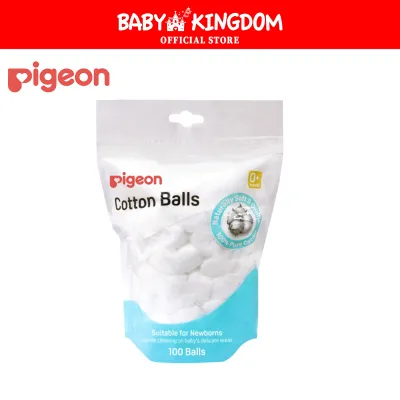
Evaluating the safety of baby care products is a primary responsibility for parents, especially during the first few weeks of a child’s life. Pigeon cotton balls are generally safe for newborn skin care, provided they are made from 100% pure cotton, are unbleached, and are used with appropriate, gentle techniques. While the brand is widely recognized in Singapore, safety ultimately depends on the physical properties of the specific product and how it is applied to the baby’s skin.
Newborn skin is incredibly delicate, making the choice of grooming materials a critical decision. Parents should not rely solely on brand reputation when purchasing baby care items. Instead, it is essential to inspect the product packaging to verify key safety claims, ensuring the label explicitly states the product is made of 100% pure cotton and is suitable for infants.
The safety of any cotton ball depends heavily on how it is processed and used. Chemical residues, synthetic blends, or aggressive rubbing can easily compromise a newborn’s fragile skin barrier, leading to irritation or localized infections. Understanding the physical characteristics of newborn skin can help parents make informed choices about these daily care items.
Products mentioned in this guide
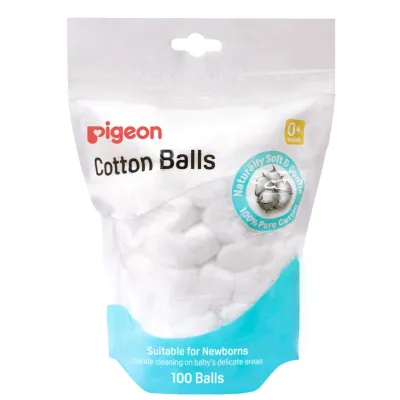
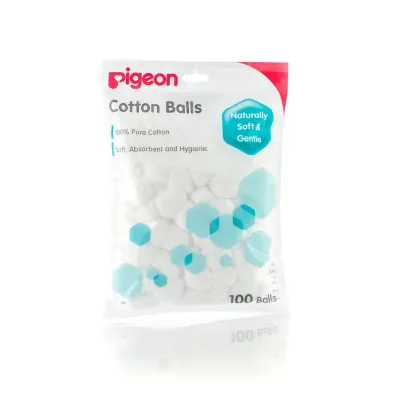
Prices are valid at publication and may change. Please refer to the product page for the latest price.
Understanding Newborn Skin and Cotton Safety
To understand why material selection is so vital, one must look at the unique structure of newborn skin. An infant’s skin is up to 30% thinner than adult skin, meaning its natural protective barrier is still developing and highly permeable. This thinness makes infants far more susceptible to chemical absorption, dryness, and mechanical friction.
In a warm and humid climate like Singapore, baby skin is also highly prone to heat rash, sweat accumulation, and chafing. These conditions can be severely exacerbated by improper wiping materials. When sweat becomes trapped in the delicate folds of a newborn’s neck, thighs, or underarms, using a harsh or synthetic material to wipe the area can cause immediate redness and discomfort.
Pure, unbleached cotton is widely considered the gold standard for newborn care because of its natural properties. It is highly breathable, exceptionally absorbent, and possesses soft fibers that minimize friction when damp. Unbleached cotton also avoids the chemical processing associated with chlorine bleaching, reducing the risk of chemical residues contacting the skin.
In contrast, synthetic fiber blends or chemically treated cotton can contain trace residues that trigger contact dermatitis. Synthetic materials often lack the same level of absorbency, requiring more wipes and increased friction to clean the skin. This repetitive friction can disrupt the developing acid mantle, which is the fine, slightly acidic film on the surface of the skin that protects against harmful bacteria.
When selecting cotton products, parents must actively avoid items containing optical brighteners, synthetic fragrances, or harsh dyes. These chemical additives are often used in adult cosmetic cotton to make them appear artificially white or scented, but they pose significant irritation risks for infants. Always check the ingredient list and product specifications on the package to ensure these are absent.
How to Safely Use Cotton Balls for Baby Care
Using cotton balls safely requires a combination of high-quality materials and proper physical techniques. Because newborns cannot communicate discomfort, parents must be highly attentive to how they handle these products during daily grooming routines. Always ensure your hands are thoroughly washed with soap and water before handling any cotton products that will touch your baby.

Umbilical Cord Stump Care
Caring for the umbilical cord stump requires a delicate balance of cleanliness and dryness to prevent infection while allowing the stump to fall off naturally. Parents can use a dry or slightly water-dampened cotton ball to gently clean around the base of the umbilical cord stump. This helps remove any dried blood or accumulated moisture without irritating the surrounding skin.
When cleaning, always avoid pulling, tugging, or forcefully wiping the drying tissue. Any mechanical force can cause premature separation, bleeding, or skin damage. Gently dab the area rather than wiping it.
After cleaning, ensure the entire area is allowed to air dry completely before fastening the diaper. You can fold the front of the diaper down to keep the stump exposed to the dry air. Always follow the specific instructions provided by your pediatrician or discharge nurse regarding umbilical cord care, as protocols can vary based on individual health needs.
Face and Eye Cleaning
A newborn’s eyes are highly sensitive and prone to accumulating sleep crusts, tear duct blockages, or milk residue. To clean them safely, dampen a fresh cotton ball with warm, boiled water that has been allowed to cool to a safe, comfortable temperature. Wiping with clean water minimizes the risk of introducing irritants to the eyes.
Wipe gently from the inner corner of the eye to the outer corner in a single, smooth motion. Never use the same cotton ball twice or wipe back and forth, as this can easily spread bacteria from one eye to the other. Always use a brand-new, clean cotton ball for the second eye.
For the rest of the face, use a light dabbing or patting motion rather than a dragging or rubbing motion. This protects the delicate skin around the mouth and cheeks from developing dry patches or friction-induced redness, especially after feeding when milk residue needs to be cleared.
Diaper Area Wiping
During routine diaper changes, cotton balls dipped in warm water offer an exceptionally gentle way to clean a newborn’s sensitive diaper area. This traditional method avoids the preservatives, alcohol, and potential irritants found in some commercial wet wipes, making it ideal for the first few weeks of life.
For light cleaning, gently pat the area with the damp cotton ball. Always work from front to back, especially for baby girls, to prevent the spread of bacteria from the anal region to the urinary tract. Use as many fresh cotton balls as necessary to complete the cleaning process thoroughly.
However, for heavy soiling, cotton balls may not be the most efficient choice. In these scenarios, a soft muslin cloth or a dedicated, fragrance-free dry baby wipe can clean larger surface areas more effectively. If the diaper area is already irritated, red, or showing signs of diaper rash, reverting to simple warm water and cotton balls can help minimize further irritation while the skin heals.
Safety Precautions and When to Stop Using
While high-quality cotton balls are designed with baby safety in mind, parents must remain vigilant about potential physical hazards and skin reactions during use. Proper storage and handling are just as important as the physical application.
- Fiber Shedding: One of the primary risks associated with cotton balls is the shedding of loose fibers. These tiny fibers can easily cling to damp skin and find their way into the baby's eyes, nose, or the crevices of the umbilical stump, potentially causing irritation or localized inflammation. To mitigate this risk, always inspect the cotton ball before use and gently roll it between clean fingers to secure any loose, stray fibers before dampening it.
- Friction and Irritation: Rubbing a baby's skin with a cotton ball can cause micro-tears in the delicate stratum corneum. This mechanical damage can worsen existing skin conditions like eczema, heat rash, or diaper dermatitis. Always prioritize dabbing, patting, or rolling motions over sliding friction.
- Choking and Suffocation Hazards: Cotton balls are small, highly absorbent, and can easily be compressed, presenting a severe choking or suffocation hazard if placed in an infant's mouth or nose. Keep all cotton products strictly out of the baby's reach. Never store them inside the crib, bassinet, changing table surface, or play area.
- Storage in Humid Climates: Because Singapore experiences high relative humidity, storing cotton balls in an open container can expose them to airborne moisture, mold, and bacteria. Always store baby cotton balls in a clean, airtight container in a dry cupboard to maintain their hygienic condition.
- When to Stop and Consult a Doctor: Immediately discontinue using any cotton product if your baby exhibits signs of an adverse reaction, such as persistent redness, swelling, a new rash, or hives. Seek prompt medical attention if you notice signs of infection around the umbilical stump, such as spreading redness, a foul odor, yellowish discharge or pus, or if the baby cries when the area is touched.
Cotton Balls vs. Other Baby Wiping Materials
Choosing the right wiping material depends heavily on the specific grooming task, the baby’s skin condition, and parental convenience. Comparing cotton balls with alternative options can help you build an efficient baby care kit.
Cotton balls excel at precise, highly localized cleaning. Their small size and high absorbency make them ideal for delicate areas like the eyes, outer ears, and the umbilical cord stump, where larger cloths would be too clumsy. They allow for targeted moisture application without soaking surrounding areas.
For larger surface areas, such as during a full sponge bath or after a heavy diaper blowout, dry cotton wipes or soft muslin cloths are far more efficient. They cover more skin per wipe, reducing the time the baby is exposed to cool air. Muslin cloths are reusable and highly sustainable, but they require thorough washing and sanitizing between uses to prevent bacterial buildup.
Dry cotton wipes offer a disposable, highly hygienic alternative that can be customized with water as needed. They provide the structural integrity of a wipe without the chemical additives of pre-moistened options. Pre-moistened baby wipes provide the ultimate convenience, especially when traveling or away from home, but parents must ensure they are explicitly labeled as fragrance-free, alcohol-free, and formulated specifically for newborns to minimize the risk of chemical sensitivity.
Frequently Asked Questions (FAQ)
Can I use regular adult cotton balls for my newborn?
It is highly recommended to avoid using regular adult cotton balls for newborn care. Adult cotton products are often manufactured with synthetic fiber blends, bleached using chlorine or other harsh chemicals, and may not be wound as tightly, which significantly increases the risk of fiber shedding. Stick to baby-specific or verified 100% pure, unbleached cotton products to ensure the safest care for your infant’s delicate skin.
Do Pigeon cotton balls need to be sterilized before use?
For routine daily cleaning of intact skin, such as wiping the face or diaper area, baby cotton balls do not need to be sterilized and are safe to use straight from the packaging, provided they have been stored in a clean, dry container. However, if you are caring for an open wound, an active skin infection, or following specific medical instructions for umbilical cord care, consult your pediatrician. They may recommend using sterile cotton balls or dampening them with boiled water that has been cooled to room temperature.
Community discussion
Share your experience or ask a question. Comments are reviewed before publication.