
Newborn skin is incredibly delicate, requiring parents to scrutinize every product that comes into contact with it. When evaluating whether Pigeon baby wipes are safe for newborns with sensitive skin, the answer is that many of their formulations are designed with safety in mind, but suitability depends on the specific product variant and your baby’s unique skin profile. Pigeon offers several types of wipes, ranging from pure water formulations to those infused with moisturizing agents or mild fragrances. To ensure your newborn does not experience an adverse reaction, you must look beyond the brand name and examine the exact ingredient list, understand how newborn skin functions, and learn how to test products safely.
Newborn skin is not just a smaller version of adult skin; it is a developing organ with distinct physiological differences. The outermost layer of the skin, the stratum corneum, is significantly thinner in infants than in adults. This thinness makes the skin barrier highly permeable, meaning it absorbs topical substances more rapidly and loses moisture at a faster rate. Consequently, ingredients that might be harmless to an older child can easily penetrate a newborn’s skin, leading to irritation, dryness, or allergic contact dermatitis. By understanding these vulnerabilities, parents can make informed decisions about the wipes they use during diaper changes.
Understanding Newborn Skin and Wipe Ingredients
The fragility of the newborn skin barrier cannot be overstated. During the first few months, a baby’s skin is transitioning to the dry, external world. Because the skin barrier is still maturing, it is highly susceptible to environmental stressors, friction, and chemical irritants. Transepidermal water loss is naturally higher in newborns, which means their skin can dry out quickly if exposed to harsh cleansing agents. When the skin becomes dry, microscopic cracks form in the barrier, allowing potential allergens and bacteria to enter more easily, which triggers inflammatory responses.
Products mentioned in this guide
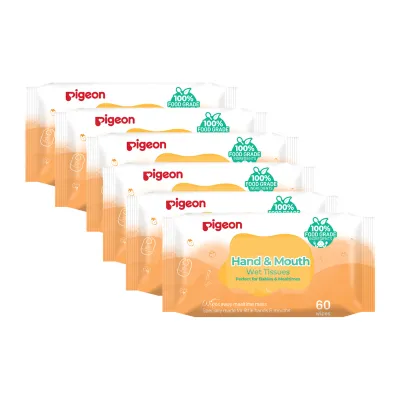
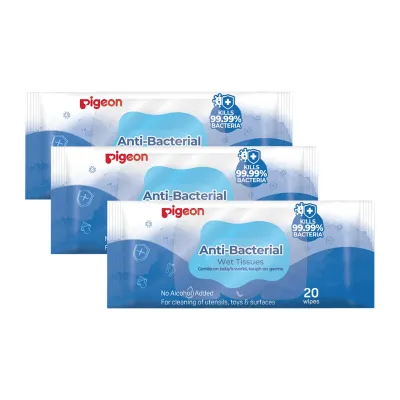
Prices are valid at publication and may change. Please refer to the product page for the latest price.
To protect this delicate barrier, parents must learn to identify and avoid common wipe ingredients that are known triggers for skin sensitivity. Fragrances, whether synthetic or derived from natural essential oils, are among the most common culprits behind contact dermatitis in infants. While a scented wipe smells pleasant, the chemical compounds used can cause immediate or cumulative irritation. Alcohol, specifically simple alcohols like ethanol or isopropyl alcohol, should be strictly avoided as they strip the skin of its natural lipids, leading to severe dryness and cracking. Furthermore, certain preservatives used to prevent bacterial growth in water-based wipes—such as parabens, methylisothiazolinone, or formaldehyde-releasing agents—have been linked to skin sensitization and allergic reactions.
Conversely, safe and gentle baby wipes typically rely on a minimal ingredient list centered around highly purified water and mild, skin-compatible additives. Purified water serves as the primary cleansing agent, lifting away soil. Humectants like glycerin are often added to help draw moisture into the skin, supporting the natural barrier function. Soothing botanical extracts, such as aloe vera or chamomile, are also common in sensitive-skin formulations to help calm minor irritation. However, parents should remain aware that even naturally derived ingredients can occasionally trigger an individual allergic reaction, making it essential to evaluate each product carefully.
How to Evaluate Pigeon Baby Wipes for Sensitive Skin
Evaluating Pigeon baby wipes requires a close inspection of the specific packaging and ingredient list of the variant you are considering. Pigeon manufactures several types of wipes, including pure water wipes and moisturizing cloths. For newborns with sensitive skin, the general rule is to choose the variant with the fewest ingredients. When looking at the back of the pack, verify that water is the primary ingredient and that there are no added perfumes, essential oils, or drying alcohols. If you notice a long list of unfamiliar chemical compounds, it is wise to research those specific ingredients or opt for a simpler formulation designed specifically for sensitive skin.

In addition to the ingredient list, parents should look for specific labeling claims on the packaging, while maintaining a realistic understanding of what these terms mean. Claims like “dermatologically tested” or “hypoallergenic” indicate that the manufacturer has taken steps to minimize potential irritants. However, these terms are not always strictly regulated by a single global standard. “Hypoallergenic” simply means the product is formulated to be less likely to cause allergic reactions compared to standard products; it does not guarantee that your baby will have absolutely no reaction. Pediatrician approvals or clinical test labels provide an extra layer of reassurance, but they should still be paired with your own careful ingredient check.
Before using any new wipe variant extensively, performing a localized patch test is a highly recommended safety measure. To conduct a patch test, take a single wipe from the package and gently dab a small amount of the liquid onto a small, clear area of your baby’s skin, such as the inner forearm or the upper thigh. Do not rub, as physical friction can cause redness that mimics an allergic reaction. Monitor this specific spot for 24 to 48 hours, looking for any signs of redness, swelling, tiny bumps, or dryness. If the skin remains clear and normal, the wipes are generally safe to use for regular diaper changes and general cleaning.
Recognizing Signs of Irritation and When to Stop
Recognizing the early signs of skin irritation is crucial for preventing a minor reaction from escalating into a painful skin condition. When a baby’s skin reacts negatively to a wipe, the signs are usually localized to the areas where the wipe was used. Parents should watch for visual cues such as persistent redness, dry or peeling patches, and small, raised red bumps. If your baby becomes unusually fussy or flinches during diaper changes when the wipe touches their skin, they may be experiencing a burning sensation that is not yet visible as a rash.
It is important to differentiate between standard diaper rash and contact dermatitis triggered by wipe ingredients. Standard diaper rash, also known as irritant diaper dermatitis, is primarily caused by prolonged exposure to wetness, urine, and stool, combined with the friction of the diaper itself. This rash typically appears on the convex surfaces of the diaper area—such as the buttocks and thighs—while often sparing the deep skin folds. In contrast, contact dermatitis caused by a chemical irritant or allergen in a baby wipe will often present as a more uniform redness across the entire area wiped, including deep within the skin folds, and may look like a localized burn or a bumpy, itchy eczema-like flare-up.
If you suspect your baby is reacting to a wipe, stop using it immediately. Gently rinse the affected area with plain, lukewarm water using a soft squeeze bottle or wet cotton pad without rubbing. Pat the skin dry with a clean towel or let it air dry completely. Avoid applying heavily fragranced lotions or powders, which can further irritate the skin barrier. If the redness does not improve within a few days, if it begins to blister, ooze, or bleed, or if your baby develops a fever, consult a pediatrician immediately.
Safe Wiping Practices and Alternatives for Reactive Skin
Even when using a gentle, sensitive-skin wipe like Pigeon’s pure water variant, the physical technique you use can significantly impact your baby’s skin health. The golden rule of diaper area care is to minimize friction. Avoid dragging or scrubbing the wipe across the skin, as this physical action can disrupt the fragile epidermal barrier. Instead, use a gentle patting, dabbing, or rolling motion to lift away soil. If stool has dried on the skin, do not scrub; instead, hold a damp wipe gently over the area for a few seconds to soften the residue before wiping it away smoothly.
Once the skin is clean, ensuring it is completely dry before putting on a new diaper is a critical step in maintaining skin integrity. Trapping moisture between the skin and a tight diaper creates a humid environment that weakens the skin barrier and encourages the growth of yeast and bacteria. After wiping, allow the skin to air dry or gently pat it dry with a clean, dry cotton cloth. Once the skin is dry, apply a thin layer of a fragrance-free barrier cream containing zinc oxide or petroleum jelly. This barrier cream acts as a physical shield, protecting the delicate skin from the irritating effects of subsequent urine and stool.
For newborns with extremely reactive or eczema-prone skin, commercial baby wipes may not be suitable. In these cases, practical, chemical-free alternatives are highly effective. You can use large, soft cotton balls or disposable dry cotton wipes dipped in warm, plain water. Another option is to use reusable organic cotton cloths washed in a fragrance-free detergent. For a completely touch-free cleaning method, keep a dedicated squeeze bottle filled with warm water at your changing station to gently rinse the diaper area, then pat dry with a soft cloth.
Frequently Asked Questions (FAQ)
Can I use Pigeon baby wipes on my newborn's face and hands?
Yes, but you must ensure you are using a variant specifically formulated for multi-purpose use, such as their fragrance-free, pure water wipes. The skin on a newborn’s face is even thinner and more sensitive than the skin on their diaper area, and their hands frequently go into their mouths. Avoid using wipes on the face or hands that contain added fragrances or essential oils, as these can cause irritation around the mouth and eyes. For facial cleaning, plain water and a soft, damp cloth remain the safest option.
Do Pigeon pure water wipes contain any preservatives?
Yes, virtually all commercially packaged water-based wipes must contain some form of preservative system. Because water is a breeding ground for bacteria and mold, a wipe package without preservatives would quickly become contaminated. The key is to look for mild, food-grade, or dermatologically safe preservatives that effectively keep the product sterile without irritating sensitive skin. Parents can verify the specific preservatives used by checking the ingredient list on the back of the Pigeon package, looking for gentle antimicrobial agents.
What should I do if my baby develops a rash after using Pigeon wipes?
If you suspect a rash is linked to the wipes, stop using them immediately. Cleanse the diaper area using only lukewarm water and soft cotton pads or a squeeze bottle, avoiding any rubbing. Allow the skin to air dry before applying a fragrance-free barrier cream. If the rash does not show signs of improvement within two to three days, or if you notice signs of infection such as blistering, oozing, extreme redness, or if your baby is in pain, consult a pediatrician for a proper diagnosis and treatment plan.
Community discussion
Share your experience or ask a question. Comments are reviewed before publication.