
Evaluating whether Pigeon baby mouth wipes are safe for your newborn requires looking closely at the specific product variant, its ingredients, and your infant’s unique skin tolerance. While many specialized wipes are formulated to be exceptionally gentle, safety is not a universal guarantee across every product line. Parents must actively verify age recommendations, check for potential chemical irritants, and closely monitor their baby for any adverse reactions. This guide provides a practical safety checklist to help you evaluate these wipes, apply them correctly, and understand when to transition to simpler alternatives.
As a parent, navigating the vast array of baby care products can feel overwhelming, especially during the first few weeks of your newborn’s life. The transition from the sterile environment of the womb to the external world makes a newborn’s system highly sensitive to new substances. While Pigeon is a widely recognized brand in baby care, you should never assume a product is safe for your specific newborn based on brand reputation alone. Instead, treating safety as an active verification process ensures you protect your baby’s delicate health.
Understanding Newborn Oral and Skin Sensitivity
A newborn’s skin barrier is highly delicate and still developing during the first few months of life. The outer layer of skin, known as the stratum corneum, is significantly thinner and more permeable than that of an adult. This increased permeability means that any topical substances applied to the skin are absorbed much more rapidly into the baby’s system, making them highly vulnerable to chemical irritation and systemic absorption.
Products mentioned in this guide
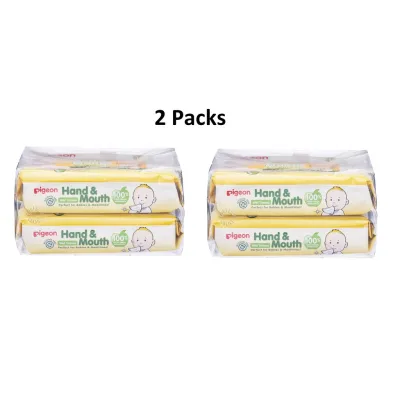
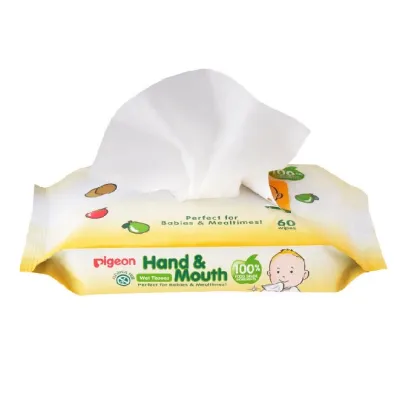
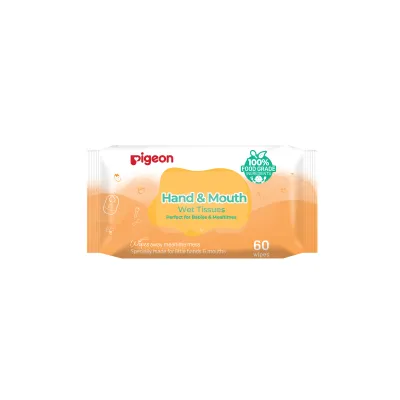
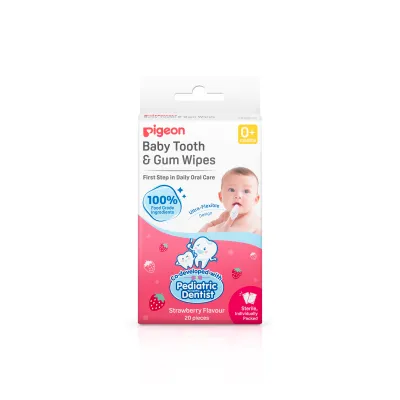
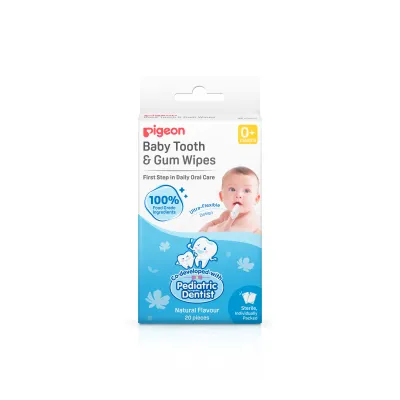
![[Exp 10/28] Pigeon Baby Tooth Wipes 42s - JDM](https://img.lazcdn.com/g/p/e97fb55233f49c94a5bde72f06514ef2.jpg_400x400q80.jpg_.webp)
Prices are valid at publication and may change. Please refer to the product page for the latest price.
During this early stage, a newborn’s skin is also transitioning from a neutral pH to a slightly acidic protective mantle. Introducing harsh chemicals, alkaline substances, or unnecessary additives can disrupt this natural development, leading to dryness, chafing, and contact dermatitis. The skin surrounding the mouth is particularly prone to irritation because it is frequently exposed to moisture from milk, drool, and frequent wiping.
The oral mucosa, which lines the inside of the mouth and lips, is even more sensitive than the outer skin. Unlike regular skin, this membrane lacks a tough, protective keratinized layer, making it highly susceptible to irritation from chemical residues, friction, and environmental pathogens. Because newborns frequently put their hands in their mouths and swallow saliva constantly, any product used on their face or lips carries a high risk of accidental ingestion.
Standard baby wipes designed for diaper changes or general body cleaning are not formulated for oral contact. They often contain preservatives, surfactants, or fragrances that are safe for intact skin on the body but can cause severe irritation or be harmful if ingested. Consequently, any wipe used around or inside a newborn’s mouth must meet much stricter safety standards, focusing on food-grade or highly purified ingredients.
How to Evaluate the Safety of Pigeon Mouth Wipes
Evaluating the safety of Pigeon mouth wipes requires looking beyond the brand name to inspect the specific packaging in your hands. Formulations can vary significantly by region, product line, and manufacturing batch, meaning a variant sold in one market might have different ingredients than one sold elsewhere. Parents should establish a systematic verification process before introducing any commercial wipe to their newborn’s routine.

Before purchasing or using these wipes, always check the packaging for import labels, batch numbers, and expiry dates. Wipes that have been stored incorrectly or have passed their expiration date can degrade, leading to chemical breakdown or bacterial contamination. Ensuring the product is sourced from a reputable retailer or official distributor helps guarantee you are evaluating an authentic, properly stored product.
Reading the Ingredient List
The first step in evaluating any mouth wipe is to scrutinize the ingredient list printed on the back of the packaging. Parents should look for and avoid common irritants such as alcohol (including ethanol or isopropyl alcohol), which can dry out and irritate delicate oral tissues. The absence of alcohol is a critical baseline for any product used on a newborn’s face.
Artificial fragrances and colorants should be completely absent from the formulation, as these are primary triggers for contact dermatitis and allergic reactions in infants. Even a mild scent can be overwhelming for a newborn and may cause respiratory or skin sensitivity. Look for labels that explicitly state “fragrance-free” and verify this by checking that no perfume or aroma compounds are listed in the ingredients.
Check the specific preservatives used to keep the wipes sterile and free from mold. While preservatives are necessary to prevent harmful microbial growth in wet wipes, some common preservatives can be too harsh for oral areas. Look for food-grade preservatives or those explicitly cleared for oral contact, such as sodium benzoate or citric acid, while ensuring the formulation avoids parabens, formaldehyde-releasing agents, and phenoxyethanol.
Be cautious with “natural” or “organic” claims on the packaging. While these terms suggest gentleness, natural plant extracts, essential oils, or herbal ingredients can still trigger allergic reactions or skin sensitivities in newborns. A natural ingredient is not inherently safe for oral ingestion, making a full ingredient check essential regardless of the marketing claims on the front of the pack.
Verifying Age Recommendations and Certifications
Locate the age suitability indicators on the packaging before use. Look for explicit labels such as “0+ months,” “suitable from birth,” or “newborn safe” to ensure the formulation is designed for the youngest infants. If a product is labeled for older babies or toddlers, it may contain stronger cleansing agents or preservatives that are inappropriate for a newborn’s highly permeable skin.
Search for dermatological testing claims, hypoallergenic labels, or oral safety certifications on the packaging. These indicators suggest the product has undergone specialized evaluation to minimize the risk of skin irritation and allergic reactions. However, because safety standards and certifications can vary by country, parents should treat these labels as items to verify rather than absolute guarantees of safety.
If the packaging lacks clear age recommendations, ingredient details, or certification information, cross-reference the product’s batch code or exact name on the manufacturer’s official website. Do not rely on third-party descriptions on online marketplaces, as these can sometimes contain outdated or inaccurate information. If you cannot find clear, official documentation verifying the product’s suitability for newborns, it is safest to avoid using it.
Never assume that all wipes from the same brand share the same safety profile. A brand may produce diaper wipes, face wipes, and specialized oral wipes under similar packaging designs. Always verify that the specific package you intend to use is explicitly designated for mouth or oral use, as using a diaper wipe on a newborn’s mouth can expose them to inappropriate chemicals.
Safe Usage Practices for Baby Mouth Wipes
When using a mouth wipe on your newborn, employ a very gentle patting or light wiping motion rather than rubbing. Excessive friction can easily compromise a newborn’s delicate skin barrier, leading to redness, micro-tears, and increased susceptibility to infection. Let the moisture of the wipe do the cleaning rather than physical force.
Use these wipes strictly for their intended external purpose, such as gently cleaning milk residue or drool from the lips, chin, and outer cheeks. Do not use them to scrub deep inside the mouth, gums, or tongue unless the product documentation explicitly states it is safe for internal oral hygiene and you have received guidance from your pediatrician. For general external cleaning, keeping the application limited to the outer lips minimizes the risk of accidental chemical ingestion.
Do not use mouth wipes as a permanent substitute for the primary oral hygiene routines recommended by your pediatrician. While wipes are convenient for quick cleanups on the go, they should complement, rather than replace, standard care practices. Your pediatrician can provide the most appropriate guidance on how to care for your baby’s gums as they develop.
Proper storage is essential to prevent bacterial growth and maintain the safety of the wipe solution. Store the wipe package in a cool, dry place away from direct sunlight, especially in warm or humid climates where mold and bacteria can thrive quickly. Ensure the resealable sticker or plastic lid is tightly closed after every single use to prevent the wipes from drying out and becoming abrasive.
Always wash your hands thoroughly with soap and water before pulling a wipe from the package to avoid introducing bacteria to the remaining wipes. Furthermore, never let an infant hold, play with, or chew on a wipe. Wipes pose a serious choking or suffocation hazard if placed over the face or swallowed, requiring constant caregiver supervision during use.
Recognizing Irritation and When to Stop Use
Monitor your newborn’s skin and behavior closely during and after using any mouth wipe. Visual signs of irritation include redness, small red bumps, dry or peeling patches, or a persistent rash around the mouth and lips. These symptoms can indicate contact dermatitis, which is an inflammatory reaction to an ingredient in the wipe.
Behavioral signs can also indicate localized discomfort or soreness that may not be immediately visible. Your baby may become unusually fussy during or after wiping, pull away when you attempt to clean their face, or show reluctance to feed due to irritation on their lips or gums. Paying close attention to these subtle cues is vital for early detection of sensitivity.
If you notice any signs of irritation or behavioral changes, stop using the wipes immediately. Gently rinse the affected area with clean, lukewarm water to remove any lingering chemical residue from the skin, and pat the area dry with a soft, clean towel. Do not apply over-the-counter creams, lotions, or home remedies to the mouth area without professional medical advice, as infants can easily ingest these substances.
Consult a pediatrician or qualified healthcare professional if the redness or rash persists for more than a few days, spreads to other areas of the face, or if your baby shows signs of severe discomfort, fever, or difficulty feeding. It is also important to have a professional evaluate any white patches inside the baby’s mouth; do not attempt to scrub these patches away with a wipe, as they may indicate oral thrush, which requires specific medical treatment rather than physical cleaning.
Safe Alternatives to Commercial Mouth Wipes
For parents who prefer to avoid commercial chemical formulations entirely, simple and highly effective alternatives are readily available. A clean, soft cotton cloth dampened with warm, boiled water that has been allowed to cool is one of the safest and most economical ways to clean a newborn’s face and mouth. This method eliminates the risk of chemical exposure and allows you to control the cleanliness of the materials used.
To prepare this alternative safely, boil tap water for at least one minute to eliminate any potential pathogens, then let it cool to a comfortable, lukewarm temperature. Using boiled water is preferable to raw tap water, as it reduces the risk of exposing sensitive skin or minor scratches to waterborne impurities. Dip a clean cloth into the water, gently squeeze out the excess, and wipe your baby’s face.
Sterile gauze pads, lightly moistened with cooled boiled water, offer an excellent, lint-free option for gently wiping a newborn’s outer lips and gums. Gauze pads are individually packaged, ensuring they remain sterile until the moment of use, making them a highly hygienic choice for newborn care. They are soft enough to prevent friction damage while effectively clearing away milk residue.
Avoid attempting to make homemade wet wipe solutions using essential oils, natural soaps, or homemade preservatives. While DIY recipes are popular online, these mixtures lack professional testing, carry a high risk of rapid bacterial contamination, and often contain concentrations of ingredients that are far too strong for a newborn’s sensitive skin. Stick to simple, sterile water and clean cotton or gauze for the safest results.
Frequently Asked Questions (FAQ)
Can I use regular baby wipes for my newborn's mouth?
No, you should not use regular diaper or body wipes on your newborn’s mouth. Regular wipes often contain stronger preservatives, cleansing agents, and fragrances designed for tougher skin, which can be harmful if ingested or applied to the sensitive oral mucosa. Always use products explicitly labeled for oral, facial, or mouth-and-hand use, and verify their ingredients before application.
How often should I wipe my newborn's mouth?
Generally, wiping your newborn’s mouth once or twice a day, or gently after feedings to clear away excess milk residue, is sufficient to maintain cleanliness. Avoid over-wiping, as excessive cleaning can strip the skin of its natural oils, leading to dryness, irritation, and friction rashes. If your baby is not prone to heavy drooling or spitting up, a minimalist approach to wiping is often the gentlest choice for their skin.

Community discussion
Share your experience or ask a question. Comments are reviewed before publication.