
When it comes to grooming a newborn, safety is the primary concern for every parent. Pigeon baby cotton swabs are safe to use on a newborn, but only under one strict condition: they must be used exclusively on the visible, outer parts of the ear.
No cotton swab, regardless of how reputable the brand is or how “baby-safe” the packaging claims to be, should ever be inserted into a newborn’s ear canal. The safety of these grooming tools depends entirely on the caregiver’s technique and strict adherence to medical boundaries. While the high-quality design of these swabs makes outer-ear cleaning easier, misusing them by probing inside the ear canal can lead to serious, painful injuries for your baby.
Understanding the anatomical differences of a newborn’s ear and knowing exactly where to draw the line during grooming is essential. By learning the proper boundaries of home care, you can confidently keep your baby clean while completely eliminating the risk of accidental injury.
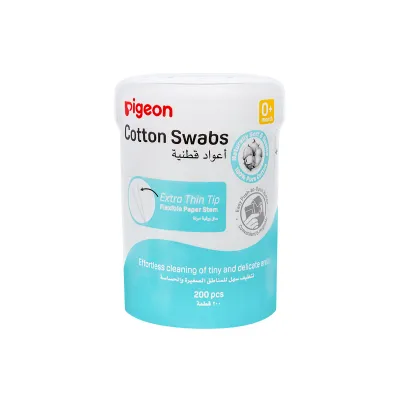
Products mentioned in this guide

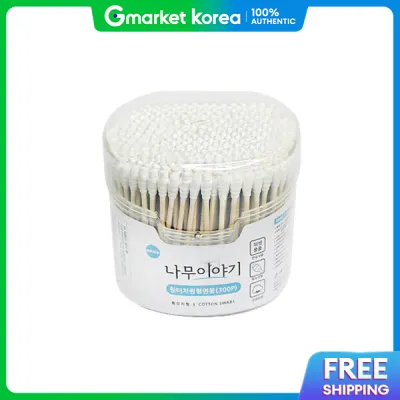
![[SG STOCK] 200pcs Dual Tip Cotton Swabs with Ear Pick | Double Head All-Purpose Swab for Baby & Kid](https://img.lazcdn.com/g/ff/kf/Sd9ab486085e543fdb5ce82da065fe0f1R.jpg_400x400q80.jpg_.webp)
Prices are valid at publication and may change. Please refer to the product page for the latest price.
Why Doctors Advise Against Inserting Any Swab into the Ear Canal
Paediatricians and ear, nose, and throat (ENT) specialists globally agree on a fundamental rule of infant hygiene: nothing smaller than your elbow should ever go inside your baby’s ear. The human ear canal is a highly efficient, self-cleaning system. It does not require manual clearing, scraping, or wiping on the inside.
Earwax, scientifically known as cerumen, is not dirt. It is a natural, protective substance produced by specialized glands in the outer portion of the ear canal. This wax serves several vital functions: it traps dust, hair, and microscopic debris before they can reach the delicate eardrum, and it provides a protective chemical barrier. In Singapore’s warm and highly humid climate, trapped moisture in the ear can easily become a breeding ground for bacteria or fungi. Earwax has natural lubricating and mildly acidic properties that help prevent these painful outer ear infections, commonly known as otitis externa.
When a caregiver inserts a cotton swab into a newborn’s narrow ear canal, the swab acts like a piston in a cylinder. Instead of extracting the wax, the cotton tip inevitably pushes the soft wax deeper down the canal. Over time, this repeated action compresses the wax against the eardrum, leading to a condition called wax impaction. Impacted wax can cause temporary hearing loss, physical discomfort, and a feeling of pressure that makes a newborn fussy and hard to soothe.
Beyond the risk of impaction, the physical vulnerability of a newborn’s ear canal cannot be overstated. The skin lining the canal is incredibly thin, delicate, and easily scratched. Even a slight scrape from a cotton swab can break this protective skin barrier, allowing bacteria to enter and cause a painful infection.
Furthermore, a newborn’s eardrum—the tympanic membrane—is extremely thin and positioned very close to the entrance of the ear canal. Because babies are prone to sudden, unpredictable movements, a sudden jerk of the head while a swab is inside the ear can instantly puncture the eardrum. This causes severe pain, bleeding, and potential long-term hearing complications that require urgent medical intervention. “Baby-safe” labels do not alter human anatomy, and they do not make the deep ear canal any less fragile.
What Pigeon Baby Cotton Swabs Are Actually Designed For
Pigeon baby cotton swabs are highly popular among parents in Singapore, and for good reason. They are specifically engineered with infant anatomy in mind, featuring design modifications that set them apart from standard adult cotton swabs.

These baby-specific swabs typically feature a much larger, bulbous cotton bud or a specialized safety-stop shape. This unique geometry is not a gimmick; it serves as a physical barrier. The widened portion of the cotton tip is designed to be physically wider than a newborn’s tiny ear canal opening. If a baby makes a sudden movement or if a caregiver’s hand slips, this bulbous shape helps prevent the swab from entering deep into the ear canal, significantly reducing the risk of accidental eardrum trauma.
Additionally, high-quality baby swabs use 100% pure, soft cotton that is tightly wound to prevent stray fibers from shedding and sticking to the baby’s skin. The shafts are often made of flexible, sturdy paper or soft plastic that bends under excessive pressure rather than snapping or splintering, providing an extra layer of safety during grooming sessions.
However, these safety features are meant to mitigate the consequences of an accidental slip—they are not an invitation to attempt deep cleaning. Pigeon baby cotton swabs are designed to be highly versatile tools within a baby grooming kit, and they excel at several safe, alternative applications:
- Cleaning the Outer Ear (Pinna): Wiping away milk residue, sweat, and lint that accumulates in the visible, curved folds of the outer ear.
- Umbilical Cord Care: Gently cleaning around the base of the umbilical stump or the navel area after the stump has naturally fallen off, following your paediatrician's specific care instructions.
- Nasal Hygiene: Gently removing visible, dry mucus located at the very edge of the nostril opening, ensuring you never push the swab up into the nasal passage.
- Skin Fold Care: Cleaning and drying the delicate skin creases behind the ears, around the neck, or in the underarms where moisture and drool frequently collect and cause chafing.
A Safe Routine for Cleaning Your Newborn's Outer Ear
Maintaining your newborn’s ear hygiene does not require aggressive scrubbing or deep probing. A gentle, consistent routine focused entirely on the outer ear is all that is needed to keep your baby clean and comfortable.
The ideal time to clean your baby’s ears is immediately after a bath. The warm water and steam from the bath naturally soften any dried milk, sweat, or excess earwax that has migrated to the outer ear, making it incredibly easy to wipe away without friction.
Before you begin, ensure you are working in a well-lit room so you can clearly see every fold of your baby’s ear. Place your baby on a secure, flat surface, such as a changing table. Ensure your baby is calm and supported. If your baby is fussy, crying, or wiggling excessively, postpone the cleaning until they are calm or asleep. Sudden movements are the primary cause of grooming-related injuries.
Follow this step-by-step method to clean the outer ear safely:
- Use a Damp Washcloth First: Begin by taking a soft, clean baby washcloth moistened with warm water (no soap is necessary). Gently wipe the large, flat areas of the outer ear (the pinna), the space directly behind the ear where milk and sweat often pool, and the very entrance of the ear canal.
- Gently Apply the Pigeon Cotton Swab: Take a clean Pigeon baby cotton swab. Hold the shaft close to the cotton tip—this gives you maximum control and limits the depth the swab can reach if your hand slips. Gently trace the small, curved grooves and folds of the outer ear to lift away any trapped lint or dried residue.
- Keep the Canal Entrance Clear: If you see earwax that has naturally migrated completely out of the canal and is sitting on the outer ear, you can use the swab to gently sweep it away. Never push the swab inward to chase wax that is still inside the opening.
- Pat Dry: Use the dry end of the cotton swab or a dry corner of the washcloth to gently pat the outer ear dry. Leaving the outer folds damp can lead to skin irritation.
If bathwater accidentally enters your baby’s ear canal, do not use a cotton swab to absorb the internal moisture. Sticking a swab inside will only push any existing wax deeper and potentially irritate the wet, softened skin. Instead, simply tilt your baby’s head gently to the side against a soft, dry towel, allowing gravity to naturally drain the water, and wipe only the outermost opening dry.
When to Stop Home Cleaning and Consult a Paediatrician
As a parent, it is crucial to recognize the limits of home grooming. If you suspect your newborn is experiencing an ear issue, you must step back and seek professional medical advice rather than trying to resolve the problem yourself.
Newborns cannot communicate physical pain with words, so you must monitor them for observable signs of ear discomfort or infection. Stop home cleaning and consult a paediatrician or visit a local clinic if you notice any of the following symptoms:
- Fluid Discharge: Any yellow, green, cloudy, or foul-smelling fluid draining from the ear canal.
- Signs of Pain: Your baby frequently pulls, rubs, or bats at their ears, especially if accompanied by persistent crying, irritability during feeding, or difficulty sleeping.
- Visible Blockage: A dark, hard, or large mass of earwax that completely blocks the ear canal opening, preventing you from seeing inside.
- Redness and Swelling: Visible inflammation, swelling, or redness at the entrance of the ear canal or on the outer ear itself.
- Fever: Any unexplained fever in a newborn warrants an immediate medical evaluation, as it can indicate an middle ear infection (otitis media).
- Unresponsiveness to Sound: If your baby does not startle at loud noises or turn their head toward your voice, it could indicate temporary hearing muffled by impacted wax or fluid.
Never attempt to remove hardened, deep, or impacted earwax at home using tweezers, hairpins, ear candles, or over-the-counter ear drops unless explicitly directed and supervised by your paediatrician. Paediatricians and ENT specialists have specialized training and professional tools, such as lighted otoscopes and micro-curettes, to safely examine and clear a baby’s delicate ear canal without causing trauma.
Frequently Asked Questions (FAQ)
Can I use regular adult cotton swabs instead of baby-specific ones?
No, you should not use regular adult cotton swabs on a newborn. Adult cotton swabs are designed with much thinner, highly flexible shafts and smaller, more compact cotton tips. These dimensions make it incredibly easy for the swab to accidentally slip deep into a baby’s tiny, narrow ear canal, posing a high risk of scratching the delicate lining or puncturing the eardrum. Baby-specific cotton swabs, like those from Pigeon, feature thicker shafts and larger, bulbous cotton tips specifically engineered to act as a physical barrier, preventing accidental deep insertion.
How often should I clean my newborn's ears?
Daily cleaning of a newborn’s ears is unnecessary and can cause irritation to their highly sensitive skin. For most babies, simply wiping the outer ear with a damp washcloth during their regular bath routine—about two to three times a week—is more than enough to maintain excellent hygiene. You should only use a baby cotton swab on the outer ear folds when you notice a visible accumulation of lint, dried milk, or sweat in those specific crevices. Always let the inner ear canal clean itself naturally.
Community discussion
Share your experience or ask a question. Comments are reviewed before publication.