
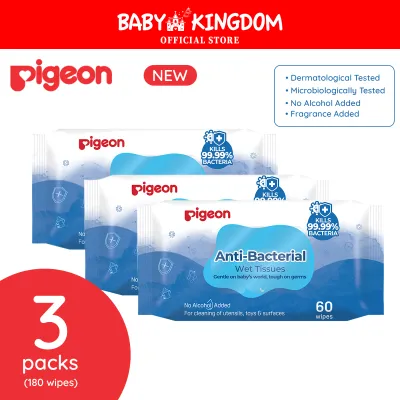
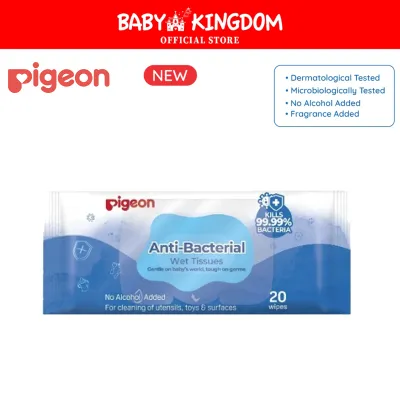
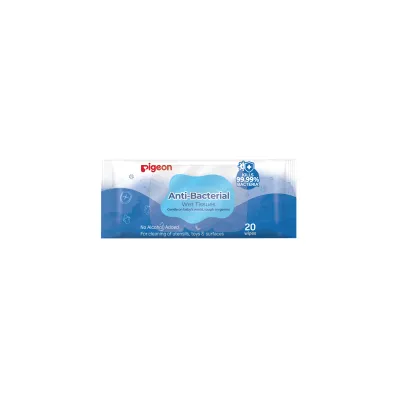
Pigeon antibacterial wipes are not designed or safe for direct use on a newborn’s delicate skin. While Pigeon is a highly trusted brand in baby care, their antibacterial wipes are formulated specifically for sanitizing hands, toys, and household surfaces rather than cleansing an infant’s body or diaper area. A newborn’s skin is incredibly thin, highly permeable, and lacks a fully developed protective barrier. Exposing this sensitive skin to active antibacterial agents, alcohol, or strong surfactants can lead to severe dryness, redness, chemical irritation, or allergic contact dermatitis. For daily diaper changes, face wiping, and general cleaning of a newborn, parents should stick to ultra-mild, water-based wipes or plain warm water with soft cotton pads. Understanding how to read product labels and distinguishing between different types of wipes is essential for protecting your baby’s skin health.
Understanding Newborn Skin Sensitivity
A newborn baby’s skin is vastly different from that of an adult or even an older toddler. At birth, the outermost layer of the skin, known as the stratum corneum, is significantly thinner and less structured. This immature skin barrier means that a newborn’s skin is highly permeable, allowing external substances, chemicals, and moisture-stripping agents to penetrate much more deeply and rapidly. Consequently, ingredients that might be perfectly harmless to an adult can trigger immediate adverse reactions in a newborn.
Because the skin barrier is still developing during the first few months of life, routine cleaning does not require aggressive sanitization. Under normal circumstances, a newborn’s skin only needs gentle removal of organic matter, such as milk residue, saliva, urine, and stool. This level of cleaning is best achieved using plain water or ultra-mild, additive-free formulations that preserve the skin’s natural pH balance. The natural acid mantle of the skin, which acts as a shield against harmful pathogens, is easily disrupted by harsh cleansing routines.
Products mentioned in this guide
![[Bundle Of 6] Pigeon Anti-Bacterial Wet Tissue 60s Refill](https://img.lazcdn.com/g/p/237e2d3876aa3c6a6e5b8aa81d21af2e.jpg_400x400q80.jpg_.webp)
Prices are valid at publication and may change. Please refer to the product page for the latest price.
Over-cleansing or introducing strong active agents can strip away the essential lipids that keep the skin hydrated and protected. When these lipids are washed away, the skin becomes dry, flaky, and highly vulnerable to environmental irritants. Using products with unnecessary chemical additives on a regular basis can initiate a cycle of chronic irritation, making the infant more susceptible to conditions like eczema or diaper dermatitis. Therefore, maintaining a minimalist approach to newborn skincare is the safest and most effective strategy for caregivers.
Evaluating Antibacterial Wipes for Baby Use
To make informed decisions, caregivers must understand the fundamental difference in formulation goals between standard baby wipes and antibacterial wipes. Standard baby wipes are engineered primarily for gentle cleansing and moisture retention. They typically contain a high percentage of water, mild conditioning agents, and very gentle preservatives designed to prevent microbial growth within the package without irritating the skin. Their primary job is to lift away dirt and waste while leaving the skin’s natural moisture barrier intact.

In contrast, antibacterial wipes are formulated with the specific goal of germ elimination. To achieve this, they contain active biocides or sanitizing agents designed to destroy bacteria on contact. Common active ingredients in these products include various types of alcohol (such as isopropyl alcohol or ethanol) or chemical compounds like benzalkonium chloride. While these ingredients are highly effective at sanitizing non-porous surfaces or adult hands, they are far too aggressive for a newborn’s skin. Alcohol, for instance, is a notorious dehydrating agent that can cause rapid moisture loss and painful stinging on cracked or sensitive skin.
Because of these active formulations, antibacterial wipes are generally intended for sanitizing hands, cleaning high-touch surfaces, or wiping down items used by older children. They are not designed, tested, or approved for full-body use, facial wiping, or diaper-area cleansing on infants. Applying an antibacterial wipe to a baby’s diaper area is particularly risky, as the warm, moist environment of a diaper can trap harsh chemical residues against the skin, accelerating irritation and causing significant discomfort.
How to Check Pigeon Wipe Labels and Instructions
When purchasing wipes, parents should never assume suitability based solely on the brand name. Pigeon manufactures a wide variety of wipes, each tailored to different developmental stages and household tasks. To ensure you are using the correct product, you must carefully inspect the packaging labels and manufacturer instructions before application.
First, look for explicit age recommendations on the packaging. Products designed specifically for the youngest infants will often feature clear labeling such as “suitable for newborns,” “0+ months,” or “hypoallergenic.” If a package of wipes does not explicitly state that it is safe for newborn skin, or if it is labeled as an antibacterial or sanitizing product, it should be kept away from your baby’s direct skin care routine.
Second, verify the designated application areas specified by the manufacturer. Safe baby wipes will clearly state they are suitable for “face and body” or “diaper area.” Conversely, antibacterial variants will typically list “hands and surfaces” or “toy cleaning” as their primary uses. Using a surface-sanitizing wipe on a baby’s face or diaper area is a direct misuse of the product and a common cause of avoidable skin reactions.
Finally, always read the fine print containing manufacturer warnings, contraindications, and usage instructions. Some sanitizing wipes may include instructions to rinse the wiped surface or item with clean water if it is likely to come into direct contact with a baby’s mouth. Paying close attention to these warnings ensures that you do not accidentally expose your newborn to chemical residues that could be ingested or absorbed through the skin.
Signs of Irritation and When to Stop Use
Even when using products labeled as gentle, caregivers must remain vigilant and monitor the baby’s skin for any signs of an adverse reaction. Because newborns cannot communicate their discomfort verbally, their skin and behavior will provide the first clues that a product is causing irritation.
Visual signs of skin irritation include localized redness, dry or rough patches, peeling, and the appearance of small red bumps or a rash. These signs are most likely to appear in areas that have direct contact with the wipe, such as the diaper area, thighs, hands, or face. Behaviorally, a baby may exhibit increased fussiness, crying, or pulling away during wiping sessions, indicating that the product is causing a burning or stinging sensation.
If you observe any of these signs, the immediate and most important action is to stop using the product entirely. Wash the affected area gently with lukewarm water to remove any lingering chemical residues, and pat the skin dry with a clean, soft towel. Do not attempt to treat the irritation with random over-the-counter creams, adult lotions, or home remedies, as these can further complicate the reaction and worsen the inflammation.
If the redness, rash, or peeling does not improve within a couple of days, or if it appears to be spreading, oozing, or causing severe distress to your baby, consult a pediatrician or a pediatric dermatologist. A qualified professional can accurately diagnose the issue, rule out underlying infections, and recommend safe, infant-appropriate treatments to soothe and heal the skin barrier.
Safe Alternatives for Newborn Daily Cleaning
For routine newborn hygiene, simpler is almost always better. You do not need complex chemical formulations or antibacterial agents to keep your baby clean and healthy. In fact, the most highly recommended method for daily cleaning involves using plain, warm water paired with soft, disposable cotton pads or reusable muslin cloths. This method completely eliminates the risk of chemical exposure and is exceptionally gentle on the skin.
When you are away from home or require the convenience of a pre-packaged wipe, opt for products specifically formulated for newborns. Look for wipes labeled as “water wipes,” “99% pure water,” or “100% pure water.” These products contain minimal ingredients—usually just water and a trace amount of a mild, food-grade preservative to maintain product safety. They provide the convenience of a disposable wipe without the fragrance, alcohol, or active antibacterial chemicals that threaten a newborn’s skin barrier.
After cleaning, always practice proper skin maintenance to prevent irritation from moisture. Gently pat the skin dry rather than rubbing it, as friction can damage the delicate outer layer. If your baby is prone to dryness or diaper rash, you can apply a thin layer of a pediatrician-approved barrier cream or ointment. This creates a safe, physical shield that protects the skin from moisture and friction without the need for harsh active ingredients.
Frequently Asked Questions (FAQ)
Can I use antibacterial wipes on my baby's toys and surfaces?
Yes, antibacterial wipes can be highly useful for cleaning hard, non-porous surfaces and plastic toys in a household with a newborn. They help reduce the spread of household germs on high-touch items like changing tables, crib rails, and plastic playthings. However, safety precautions must be taken. Always allow the sanitized surfaces or toys to dry completely before letting your baby touch them. For any toys or items that your baby is likely to put in their mouth, it is essential to rinse them thoroughly with clean, potable water after using an antibacterial wipe to ensure no chemical residues are accidentally ingested.
What is the difference between Pigeon baby wipes and Pigeon antibacterial wipes?
The primary difference lies in their intended use and chemical formulation. Standard Pigeon baby wipes are designed specifically for direct skin contact, featuring gentle, water-based formulations that cleanse and moisturize delicate infant skin without stripping its natural oils. They are free from harsh sanitizing agents. On the other hand, Pigeon antibacterial wipes are formulated with active germ-killing ingredients designed to sanitize hands, toys, and household surfaces. Because these antibacterial agents can be highly irritating to a newborn’s fragile skin barrier, they should never be used as a substitute for standard baby wipes during diaper changes or daily skin cleaning.

Community discussion
Share your experience or ask a question. Comments are reviewed before publication.