
Determining whether Paseo wet wipes are safe for your baby requires looking past the front label and examining the specific ingredient list on the back of the pack. Because infant skin is highly delicate, a wipe that works perfectly for one baby might cause irritation or contact dermatitis in another. Parents must verify the exact formulation of the specific Paseo product line they choose—such as their fragrance-free, chamomile, or aloe vera variants—against their baby’s unique skin needs.
Understanding Baby Wipe Formulations and Skin Sensitivity
Infant skin is structurally different from adult skin, requiring specialized care and formulation considerations. A baby’s skin barrier is up to 30% thinner than an adult’s, which significantly increases its permeability. This means that topical substances applied to a baby’s skin are absorbed more rapidly and deeply into the underlying layers. Furthermore, the outermost layer of the skin, the stratum corneum, is still developing during the first years of life. This developmental stage makes infant skin highly susceptible to moisture loss, friction-induced damage, and irritation from environmental triggers.
To clean effectively without causing damage, a baby wipe must balance several formulation requirements. The primary component of any wet wipe is purified water, which serves as a solvent to dissolve and lift away water-soluble soils. However, water alone cannot easily remove oil-based residues, such as those found in stool or barrier creams. To address this, formulations include mild cleansing agents, known as surfactants, which lower surface tension and emulsify oils so they can be wiped away gently.
Products mentioned in this guide
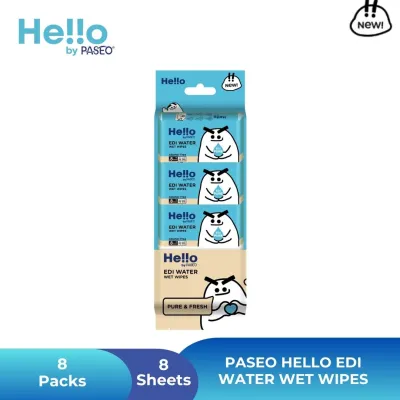
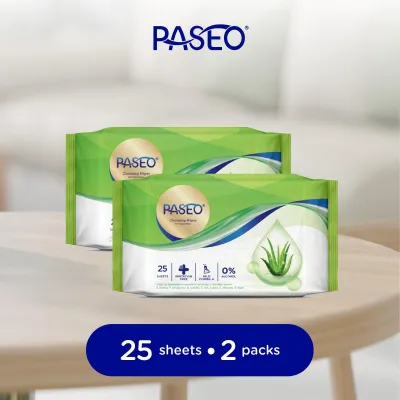
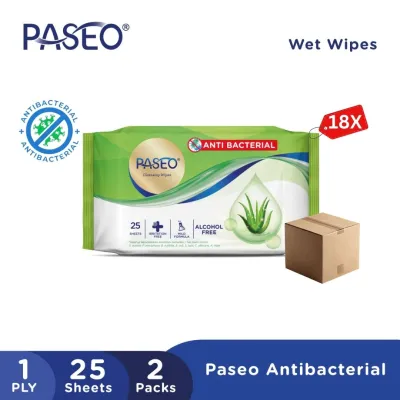
Prices are valid at publication and may change. Please refer to the product page for the latest price.
Because wet wipes are stored in moist, sealed plastic packaging at room temperature, they are highly vulnerable to microbial contamination. Without an effective preservation system, bacteria, mold, and yeast can rapidly multiply inside the pack, posing a serious health risk to a baby’s skin. Therefore, preservatives are a non-negotiable component of any commercial wet wipe formulation.
When choosing wipes, parents often encounter marketing terms like “hypoallergenic,” “dermatologically tested,” or “gentle on skin.” While these terms suggest safety, they are not strictly regulated or standardized across the industry. A product labeled “hypoallergenic” can still contain ingredients that trigger allergic contact dermatitis in sensitive infants. Consequently, parents should treat these claims as helpful indicators rather than absolute guarantees, always verifying the actual chemical names listed on the back of the package.
How to Read the Ingredient List on Paseo Wet Wipes
To make an informed decision about Paseo wet wipes, parents must learn to locate and interpret the ingredient panel on the physical packaging. The full ingredient list is typically printed on the back or side of the pack, often in small print near the manufacturer details or barcode. If the text on the packaging is difficult to read, the complete list can usually be verified on official brand product pages or authorized online marketplace listings.

Ingredients on cosmetic and personal care products are listed in descending order of concentration. This means the ingredients at the very top of the list make up the bulk of the liquid solution, while those near the bottom are present in very small quantities, often less than 1%. The names of these ingredients follow the International Nomenclature of Cosmetic Ingredients (INCI) standards. INCI names use scientific, botanical, or chemical terms rather than common consumer language, which can sometimes make a safe, natural ingredient look complex or intimidating.
When reviewing a Paseo ingredient list, it is helpful to divide the components into three functional categories. The first category is the carrier, which is almost always purified water (listed as Aqua). The second category includes active additives and skin conditioners, such as aloe vera extract (Aloe Barbadensis Leaf Extract), chamomile (Chamomilla Recutita Flower Extract), or glycerin, which help soothe and hydrate the skin. The third category consists of formulation stabilizers, emulsifiers, pH adjusters, and preservatives, which maintain the product’s safety, texture, and shelf life.
Common Ingredients to Watch Out For in Baby Wipes
When evaluating wet wipes for infant use, there are several common ingredients that parents should watch out for, particularly if their baby has sensitive skin or eczema. Synthetic fragrances, often listed simply as parfum or fragrance, are among the most frequent causes of cosmetic-induced contact allergy. Even natural essential oils added for scent can contain volatile compounds that irritate delicate skin. For newborns and infants with reactive skin, choosing fragrance-free variants is a highly effective way to minimize the risk of irritation.
Preservatives are essential for safety, but some types carry a higher risk of skin sensitization than others. Historically, preservatives like methylisothiazolinone (MI), methylchloroisothiazolinone (MCI), and certain parabens were widely used in personal care products. However, due to their association with contact dermatitis, many of these ingredients have been restricted or phased out of leave-on baby products. Modern baby wipes are more likely to use milder preservatives such as phenoxyethanol, sodium benzoate, or potassium sorbate. Parents should check the label to ensure the wipes do not contain older, high-risk preservatives.
Surfactants are necessary to lift dirt, but harsh cleansing agents can strip the skin’s natural lipid barrier, leading to dryness and localized inflammation. Mild, non-ionic surfactants like decyl glucoside, coco-glucoside, or polysorbate 20 are generally preferred for baby products because they cleanse effectively without stripping the skin’s natural oils.
Finally, simple alcohols such as ethanol, isopropyl alcohol, or denatured alcohol should be avoided in baby wipes. These alcohols evaporate quickly and can severely dry out an infant’s skin, compromising the skin barrier and causing stinging or redness. It is important to distinguish these drying alcohols from fatty alcohols like cetearyl alcohol or stearyl alcohol, which are non-irritating emollients used to soften and protect the skin.
Safe Usage Practices and Patch Testing for Sensitive Skin
Even if a pack of Paseo wet wipes appears to have a gentle ingredient list, performing a localized patch test is a highly recommended safety measure before introducing them into your daily routine. To conduct a patch test, take a single wipe and gently swipe it over a small, clean area of your baby’s skin, such as the inner forearm or the upper thigh. Monitor this specific spot for 24 to 48 hours, looking for any signs of redness, swelling, tiny bumps, or dry patches. If any reaction occurs, discontinue use immediately; if the skin remains clear, the wipes are generally suitable for broader use.
When using wet wipes during diaper changes, proper technique can significantly reduce the risk of mechanical irritation. Avoid rubbing or scrubbing the skin vigorously, as physical friction can damage the fragile outer layer of the skin. Instead, use gentle, sweeping motions from front to back. If stool is dried or difficult to remove, hold a damp wipe over the area for a few seconds to soften the residue before wiping it away gently.
In warm and humid climates, such as Singapore’s, moisture management is critical to preventing diaper dermatitis. After cleaning your baby with a wet wipe, avoid immediately putting on a fresh diaper. Trapping the residual moisture from the wipe under a tight diaper creates a humid environment that promotes skin breakdown and fungal growth. Allow the skin to air-dry completely for a few moments, or gently pat it dry with a clean, soft cotton cloth before applying a barrier cream and securing the diaper.
When to Stop Using and Seek Professional Advice
Parents should regularly inspect their baby’s diaper area for any visual signs of skin irritation or allergic reactions. Common indicators that a product may not be suitable for your baby include persistent redness, localized swelling, dry or peeling skin, raised red bumps, or signs of discomfort and crying during wiping.
It is important to differentiate between standard diaper rash and a reaction to a wet wipe. Standard diaper rash (irritant diaper dermatitis) is typically caused by prolonged contact with wetness, urine, and stool. It usually appears as redness on the convex surfaces of the skin that touch the diaper, often sparing the skin folds. A reaction to a wet wipe, however, may present as a more widespread, uniform redness that covers the entire area where the wipe was applied, including deep within the skin folds, and it may fail to improve even with the regular application of high-quality barrier creams.
If your baby develops a rash that does not improve within two to three days of discontinuing the wipes, or if the skin begins to blister, ooze, crack, or bleed, stop using all commercial wipes immediately. Under these conditions, or if your baby develops a fever or shows signs of severe discomfort, consult a qualified pediatrician or dermatologist in Singapore for a professional evaluation and targeted treatment plan.
Frequently Asked Questions (FAQ)
Can I use Paseo wet wipes on my baby's face and hands?
The skin on a baby’s face is thinner and more sensitive than the skin on the diaper area, making it more vulnerable to irritation from fragrances, preservatives, and surfactants. Additionally, babies frequently place their hands and fingers into their mouths, which increases the risk of accidentally ingesting residual ingredients left behind by a wet wipe. Parents should carefully check the Paseo packaging to verify if the specific product line is explicitly labeled as safe for facial and hand use. If the wipes contain added fragrances or stronger preservatives, it is best to avoid using them on the face. For daily facial cleaning, using plain water with a soft, reusable cotton pad is a highly effective, chemical-free alternative.
What should I do if my baby develops a rash after using these wipes?
If you suspect your baby is reacting to a wet wipe, stop using the product immediately. Cleanse the affected area gently using only lukewarm water and soft cotton balls or a clean, damp washcloth to remove any remaining ingredients from the skin. Avoid using heavily fragranced soaps, lotions, or bubble baths during this time. To protect the compromised skin barrier, apply a thick layer of a plain, fragrance-free zinc oxide barrier cream. If the redness does not begin to fade within a couple of days, or if the rash appears painful, spreads rapidly, or begins to ooze, consult a healthcare professional for guidance.
Are water-only wipes a safer alternative for highly sensitive skin?
Water-only wipes, which typically consist of 99% or more purified water combined with a minimal preservative or fruit extract, can be an excellent alternative for infants with highly sensitive skin, eczema, or a history of contact allergies. These wipes minimize chemical exposure and significantly reduce the risk of contact dermatitis. However, because they lack the surfactants found in standard wipes, they may require slightly more physical wiping to clean sticky or oily residues, which can increase mechanical friction on the skin. When choosing water-only wipes, parents should still verify the ingredient list to ensure there are no hidden fragrance components or sensitizing stabilizers.

Community discussion
Share your experience or ask a question. Comments are reviewed before publication.