
Newborn skin is incredibly delicate, thin, and highly permeable, meaning any topical product requires careful scrutiny. Determining whether Omax wet wipes are safe for your newborn is not a simple yes-or-no question; it depends entirely on verifying the specific formulation printed on the packaging of the product in your hands. Because manufacturers frequently update their ingredient profiles, parents must learn how to read the physical label, identify potential irritants, and perform a systematic skin check before integrating these wipes into a daily diapering routine.
In a warm, humid climate like Singapore, diaper rash and skin irritation can develop rapidly due to trapped moisture and friction. This environmental factor makes choosing the right wipe even more critical, as any harsh chemical or fragrance can quickly compromise the skin barrier. By taking a methodical approach to ingredient verification and observing how your baby’s skin responds, you can make an informed decision that prioritizes your newborn’s comfort and health.
How to Verify the Safety of Omax Wet Wipes for Your Newborn
When evaluating a pack of Omax wet wipes, your first step should always be a physical inspection of the packaging. Do not rely solely on online product listings or historical reviews, as manufacturers often modify their formulations, sourcing, and manufacturing processes without changing the product’s primary name. Turn the pack over to locate the complete ingredient list, which is typically printed in small type on the back or side panel.
Products mentioned in this guide

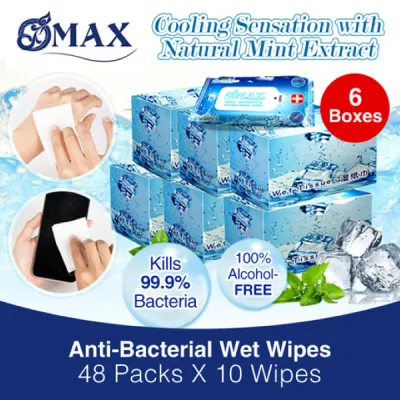
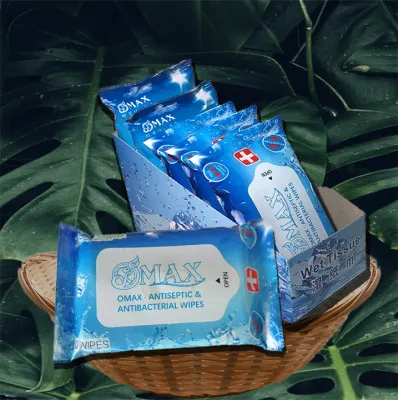

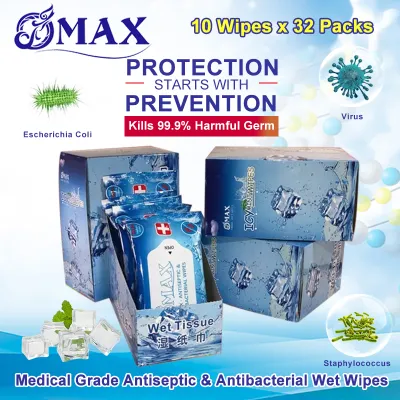
Prices are valid at publication and may change. Please refer to the product page for the latest price.
Next, verify the manufacturing date and the expiry date printed on the seam or bottom of the pack. Using expired wet wipes is highly discouraged, as the preservative systems designed to prevent bacterial and mold growth can degrade over time, potentially exposing your newborn to harmful microorganisms. Ensure the packaging is completely sealed to prevent contamination.
Look closely for specific safety labels and dermatological certifications. While terms like “hypoallergenic” or “suitable for sensitive skin” are common marketing claims, look for independent testing seals or pediatric endorsements printed directly on the label. These certifications indicate that the formulation has undergone third-party evaluation, though they do not completely eliminate the risk of an individual allergic reaction.
Check the packaging for an explicit age recommendation or usage warning. Some wipes are formulated specifically for older babies or general family use and may contain stronger cleansing agents or fragrances that are inappropriate for a newborn’s highly sensitive skin barrier. If the label does not explicitly state that the product is safe for newborns, or if it contains warnings to avoid contact with broken skin, it is best to exercise caution.
Keep in mind that different product lines under the same brand may have entirely different formulations. For instance, a “sensitive” or “pure” version of a wipe might omit fragrances and alcohol, while a “fresh” or “scented” version from the same brand might contain ingredients that could trigger contact dermatitis in a newborn. Always verify the exact pack you intend to use rather than assuming all products from the brand are identical.
Common Ingredients to Check on the Wipe Label
The order of ingredients on a product label is determined by concentration, with the highest-volume ingredients listed first. For newborn wipes, the primary ingredient should ideally be highly purified water, often listed as aqua, purified water, or reverse osmosis (RO) water. A high water content ensures that the wipe cleanses gently without leaving behind a heavy residue of chemical surfactants on the skin.

Carefully scan the ingredient list for drying alcohols, such as isopropyl alcohol or ethanol, which can severely strip the natural lipid barrier of a newborn’s skin. While fatty alcohols like cetearyl alcohol or stearyl alcohol are sometimes used as emollients and are generally milder, simple alcohols should be avoided entirely in newborn skincare.
Preservatives are necessary in wet wipes to prevent the growth of mold and bacteria in a moist environment, but some preservatives are known sensitizers. Look out for parabens (such as methylparaben or propylparaben) and harsher preservatives like methylisothiazolinone (MIT) or methylchloroisothiazolinone (CMIT), which have been restricted in many regions for leave-on pediatric products due to their link to contact allergies. Instead, look for milder food-grade preservatives or organic acids.
Fragrances, whether synthetic or derived from natural essential oils, are a leading cause of cosmetic skin irritation in infants. A label that lists “fragrance,” “parfum,” or specific aromatic compounds like limonene or linalool should be approached with caution for newborns. Even if a product claims to be “unscented,” check the ingredient list to ensure no masking fragrances have been added to cover up the chemical smell of the raw ingredients.
Many baby wipes incorporate botanical extracts, such as aloe vera (Aloe barbadensis leaf juice) or chamomile (Chamomilla recutita flower extract), to provide soothing or moisturizing benefits. While these ingredients can be highly beneficial for soothing minor irritation, natural extracts can still trigger allergic contact dermatitis in some individuals. If your baby has an underlying skin condition like eczema, even natural botanicals must be introduced with care.
If you encounter unfamiliar chemical names on the Omax label, such as specific surfactants or emulsifiers, do not guess their safety. Cross-reference these terms with reputable pediatric skincare databases, such as the Environmental Working Group’s cosmetic database, or consult a local pharmacist. Taking a few minutes to research an unfamiliar ingredient can prevent a painful skin reaction for your baby.
How to Monitor Your Newborn's Skin Reaction
Even if the ingredient list on your pack of Omax wipes appears clean and free of obvious irritants, every newborn’s skin chemistry is unique. Monitoring your baby’s skin for any adverse reactions is a critical step when introducing any new topical product. Reactions can range from mild, localized irritation to severe systemic contact dermatitis, and identifying the signs early is key to preventing discomfort.
A mild skin reaction typically presents as localized redness, slight dryness, or a faint pink rash in the areas where the wipe was used. In contrast, a more severe reaction may involve intense redness, swelling, peeling, raised bumps, or even small blisters that ooze or crust over. If your baby becomes unusually fussy during or immediately after a diaper change, it may indicate that the wipe is causing a burning or stinging sensation.
To minimize the risk of a widespread reaction, always perform a simple patch test before using a new brand of wipes for full diaper changes. Gently swipe a single wipe over a small, healthy patch of skin on your baby’s upper arm or thigh, then wait at least 24 hours to observe the area. If you notice any redness, swelling, or bumps during this period, do not use the wipes on the highly sensitive diaper area.
If you observe any signs of skin irritation, stop using the wipes immediately. Switch to using plain, lukewarm water and soft, sterile cotton balls or clean cotton cloths to cleanse the diaper area until the skin has completely healed. Continuing to use wipes on already irritated skin can compromise the skin barrier further.
While mild redness often resolves within a few days of discontinuing the product and keeping the area clean and dry, some situations require professional medical advice. Consult a pediatrician or a pediatric dermatologist if the skin irritation persists for more than two to three days, if the rash spreads beyond the diaper area, or if you notice signs of infection such as blistering, pus, or a fever.
Safe Wiping Practices for Newborn Care
The technique you use during diaper changes is just as important as the product itself when it comes to preserving your newborn’s delicate skin barrier. Newborn skin is significantly thinner than adult skin, making it highly susceptible to mechanical friction. To prevent micro-tears and irritation, always use a gentle “pat, don’t rub” motion when cleansing the diaper area, allowing the moisture in the wipe to lift away residue without dragging the fabric across the skin.
Consider alternating between commercial wet wipes and warm water with soft cotton cloths, particularly during the first few weeks of life when the skin barrier is at its most vulnerable. Using plain water at home and reserving wipes for travel minimizes cumulative exposure to preservatives. This balanced approach reduces the likelihood of sensitization over time.
Moisture management is a critical factor in preventing diaper rash, especially in warm, humid environments like Singapore. After cleansing your baby’s skin with a wet wipe, ensure the area is completely dry before fastening a new diaper. You can gently pat the skin dry with a clean, dry washcloth or allow it to air-dry for a few moments, as trapping excess moisture inside a diaper creates an ideal breeding ground for yeast and bacteria.
It is also important to restrict diaper wipes to their intended area of use. Unless the packaging of your Omax wipes explicitly states that they are safe for facial and ocular use, avoid using them to clean your baby’s face, hands, or mouth. The skin on a newborn’s face is even thinner and more sensitive than the diaper area, and accidental ingestion of wipe ingredients or contact with the eyes can cause unnecessary irritation.
Frequently Asked Questions (FAQ)
Is it better to use water and cotton instead of wet wipes for newborns?
Many pediatricians and dermatologists recommend using plain, lukewarm water and soft cotton balls or reusable cotton cloths for the first few weeks of a newborn’s life. This method is completely free of preservatives, fragrances, and surfactants, making it the safest option for highly sensitive or compromised skin. While commercial wet wipes offer undeniable convenience, especially when traveling or managing messy diaper changes on the go, they should be introduced gradually and with careful attention to their ingredient profile to ensure they do not disrupt the natural skin barrier.
Can I use Omax wet wipes on my newborn's face and hands?
You should only use Omax wet wipes on your newborn’s face and hands if the physical packaging explicitly states that the product is formulated and dermatologically tested for those specific areas. Wipes designed primarily for diaper changes often contain surfactants and preservatives that, while safe for the buttocks, can cause irritation if they come into contact with the delicate skin around the eyes or are accidentally ingested near the mouth. If the label does not clearly clear the product for facial use, stick to a clean, damp washcloth with plain water for facial cleansing.
Community discussion
Share your experience or ask a question. Comments are reviewed before publication.