
Assessing the Safety of Oldam Baby Wipes for Newborns
Oldam baby wipes can be a highly suitable and gentle choice for newborns, but absolute safety is never a blanket guarantee for any single brand. A newborn’s skin is incredibly delicate, with a barrier that is still developing and significantly thinner than adult skin. Consequently, safety ultimately depends on the specific formulation of the wipe pack you hold in your hand and your baby’s individual skin sensitivity.
Because manufacturers frequently update their product formulations, change ingredient suppliers, or adjust preservative systems, parents must always verify the current ingredient list on the physical packaging. Online descriptions, blog reviews, and product listings on ecommerce platforms can quickly become outdated. Checking the physical label is the only definitive way to know what you are putting on your baby’s skin.
In the baby care industry, a newborn-safe wipe is formulated to respect the fragile epidermal barrier. This means the formula should be free from harsh chemicals, synthetic fragrances, and known contact allergens. Furthermore, the wetting solution should be pH-balanced—typically hovering around a slightly acidic pH of 5.5—to match and support the skin’s natural acid mantle, which acts as a shield against harmful bacteria.
Products mentioned in this guide
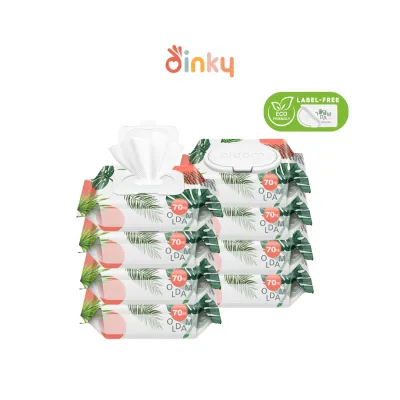
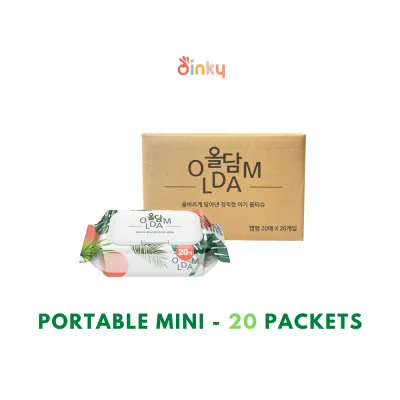
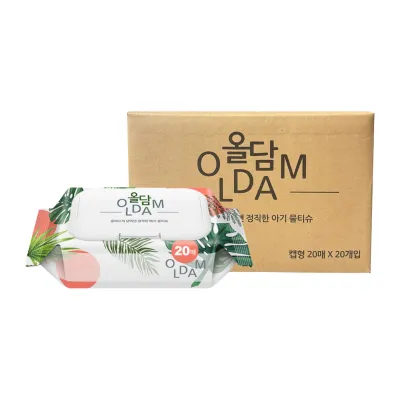
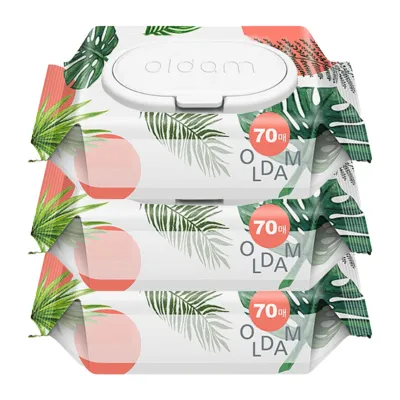

![Baebear Essential Baby Wet Wipes Total 1600 Sheets | 80 Sheets/pack | 10/20 Packets per Carton | Daily Use | Oldam [Baebear.sg]](https://img.lazcdn.com/g/p/a65601ec3d886d0e190fb47f681eb00a.jpg_400x400q80.jpg_.webp)
Prices are valid at publication and may change. Please refer to the product page for the latest price.
Even when a product is marketed as ultra-pure or designed specifically for sensitive skin, a small subset of infants may still experience localized contact dermatitis or irritation. This makes close observation and systematic patch testing essential steps for any caregiver introducing a new diapering product to a newborn’s routine.
Key Ingredients to Check on Your Oldam Wipes Label
When evaluating Oldam baby wipes, or any brand of baby wipes in Singapore’s warm climate, looking past the front-label marketing claims is crucial. Turn the package over and examine the ingredient list. The ingredients are listed in descending order of concentration, meaning the first few items make up the vast majority of the liquid formula.

Ingredients to Avoid or Limit
- Alcohol (Ethanol/Isopropyl): Check the label to ensure the wipes are completely alcohol-free. Simple alcohols like ethanol, isopropyl alcohol, or alcohol denat are highly volatile. They strip away the natural lipids and oils that keep a newborn's skin hydrated. This causes rapid dryness and can lead to painful stinging, especially if the baby has minor micro-abrasions or diaper chafing.
- Synthetic Fragrances and Essential Oils: Carefully scan the label for terms like "fragrance," "parfum," or any specific synthetic aromatic compounds. Fragrance is a common catch-all term that can mask dozens of individual chemical components, many of which are known contact allergens. Similarly, avoid wipes containing concentrated essential oils (such as tea tree, lavender, or citrus oils). While these are natural, they can be far too potent for a newborn's highly permeable skin barrier, frequently triggering allergic reactions.
- Harsh Preservatives: Preservatives are mandatory in wet wipes to prevent the growth of harmful bacteria, mold, and yeast in a moist environment. However, some traditional preservatives are highly sensitizing. Ensure the wipes do not contain methylisothiazolinone (MIT), methylchloroisothiazolinone (CMIT), or parabens (such as methylparaben or propylparaben). These chemicals have been heavily restricted or banned in many regions for leave-on baby products due to their high rate of skin sensitization.
- Strong Surfactants: Surfactants are cleansing agents that help lift away oil-based soils. While some surfactants are necessary, harsh options like Sodium Lauryl Sulfate (SLS) or Sodium Laureth Sulfate (SLES) should be avoided. These strong detergents can disrupt the lipid bilayer of a newborn's fragile skin barrier, leading to chronic dryness, irritation, and increased vulnerability to environmental irritants.
Generally Safe and Soothing Ingredients
- Purified Water (Aqua): Water should always be the primary ingredient, typically making up over 97% to 99% of the formula. It serves as the safe, neutral carrier for any cleansing and moisturizing agents. Ensure the label specifies purified, filtered, or deionized water, which guarantees the removal of minerals and impurities that could irritate a newborn's skin.
- Mild Humectants: Look for gentle moisture-binding ingredients such as glycerin, propylene glycol, or butylene glycol. When formulated in low, safe concentrations, these humectants draw moisture from the air into the outer layers of the skin, helping to preserve the natural skin barrier and prevent the drying effects of frequent wiping.
- Soothing Botanical Extracts: Ingredients like aloe barbadensis (aloe vera) leaf extract, calendula officinalis extract, or chamomilla recutina (chamomile) extract are frequently added to soothe inflamed skin. While these plant-derived ingredients are generally excellent for calming minor irritation, they are not a 100% guarantee of safety. Plant proteins can occasionally trigger localized allergic reactions in highly sensitive infants. Always monitor your baby's skin closely during the first few days of use.
- pH Buffers: To maintain the skin's healthy acid mantle, look for mild buffering agents such as citric acid, sodium citrate, or sodium benzoate. These ingredients are used in tiny amounts to adjust and stabilize the pH of the wetting solution, keeping it close to the skin's natural pH of 5.5. This prevents the skin from becoming too alkaline, which can compromise its protective barrier.
Beyond Ingredients: Evaluating Wipe Material and Moisture
While chemical safety is paramount, the physical characteristics of the wipe play an equally critical role in protecting newborn skin. The mechanical friction of wiping, combined with the structural integrity of the fabric, can either protect or compromise the skin barrier.
- Fabric Texture and Softness: When you open a pack of Oldam wipes, feel the material between your fingers. A newborn's skin is up to 30% thinner than adult skin, making it highly susceptible to friction burns and micro-tears. Look for ultra-soft, non-woven fabrics, often made from spunlace or natural rayon blends. Compare embossed textures with smooth textures: embossed wipes feature raised patterns that are highly effective at grabbing and lifting stool with minimal pressure, while smooth wipes provide a uniform, low-friction glide that is exceptionally gentle on highly inflamed or sensitive areas.
- Thickness and Durability: A thicker, high-grammage wipe (often measured in GSM, or grams per square meter) is structurally safer and more hygienic. Thin wipes tend to tear or bunch up during use, allowing fecal bacteria or moisture to seep through onto the caregiver's hand. This not only poses a hygiene risk but also forces you to use multiple wipes per change, increasing the cumulative friction on the baby's skin. A thick, durable wipe allows you to clean the area efficiently in fewer passes.
- Moisture Level: The wetting solution must be perfectly balanced. Wipes that are too dry require excessive physical rubbing to clean the skin, which quickly leads to mechanical irritation and redness. Conversely, wipes that are overly saturated can leave a pool of excess water on the baby's skin. In Singapore's humid climate, this trapped moisture is slow to evaporate and can lead to skin maceration—a softening and breaking down of the tissue that directly triggers diaper rash. Perform a simple squeeze-out test: squeezing a wipe should produce a few drops of liquid, but it should not release a heavy stream.
Safe Usage Guidelines and When to Stop
Using even the safest wipes incorrectly can still lead to skin issues or infections. Establishing a proper diapering routine is essential to keep your newborn comfortable and healthy.
- Proper Wiping Technique: Always wipe from front to back, particularly when caring for baby girls. Wiping in this direction prevents fecal bacteria from entering the urinary tract, significantly reducing the risk of urinary tract infections (UTIs). Use a clean section of the wipe—or a fresh wipe entirely—for each pass to avoid redistributing bacteria.
- Drying the Skin: Wiping is only the first step of the cleaning process. Never fasten a fresh diaper immediately over damp skin. Trapping moisture inside a diaper creates a warm, humid environment that is highly conducive to yeast infections and diaper rash. Instead, gently pat the skin dry with a clean, soft cotton towel, or let the area air-dry completely for a minute or two before putting on a new diaper.
- When to Stop Use (Red Flags): Monitor your newborn's diaper area daily for signs of irritation or allergic reactions. Key red flags include localized redness that does not fade, peeling skin, small raised bumps or hives, dry or scaly patches, and increased crying or fussiness during diaper changes. A persistent, worsening diaper rash that does not respond to standard barrier creams is also a clear sign to stop using the product.
- Next Steps: If you observe any of these red flags, immediately discontinue using the wipes. Do not attempt to self-diagnose or treat the area with over-the-counter medicated creams, steroid ointments, or antifungal treatments without professional guidance. If the irritation does not resolve or improve within 24 to 48 hours, consult a pediatrician or a qualified healthcare professional in Singapore to receive an accurate diagnosis and a safe, targeted treatment plan.
Gentle Alternatives if Your Newborn Experiences Irritation
If your newborn’s skin reacts to commercial wipes, or if you simply prefer a more cautious approach during the first few weeks of life, there are several highly effective, low-risk alternatives available.
- Water and Cotton: This remains the undisputed gold standard for highly reactive or compromised newborn skin. Use dry, 100% cotton wipes, large cotton balls, or soft muslin cloths dampened with lukewarm tap water. This method completely eliminates exposure to synthetic preservatives, surfactants, and fragrances, allowing the skin barrier to heal naturally without any chemical interference.
- Minimalist Commercial Wipes: If you require the convenience of commercial wipes for travel or outings, seek out products designed with extreme minimalism in mind. Look for wipes explicitly labeled as containing "99.9% water" with only one or two additional ingredients, such as a single mild food-grade preservative or a drop of fruit extract. Ensure they contain absolutely zero added fragrances, essential oils, or heavy cleansing agents.
- Avoiding the "Hypoallergenic" Trap: Be cautious of marketing buzzwords. Terms like "hypoallergenic," "dermatologically tested," or "organic" are frequently used for marketing purposes and are not strictly regulated or standardized across the industry. A product labeled "hypoallergenic" can still contain ingredients that trigger a reaction in your specific baby. The only reliable way to evaluate safety is to read the ingredient list printed on the physical packaging yourself.
Frequently Asked Questions (FAQ)
Can I use Oldam baby wipes on my newborn's face and hands?
While many gentle baby wipes are formulated to be mild enough for general use, the skin on a newborn’s face is significantly thinner, more sensitive, and has a higher concentration of blood vessels than the skin on their bottom. Facial skin is also more prone to dryness and irritation from repeated wiping. Check the manufacturer’s label for specific usage instructions regarding facial use. If the wipes contain any botanical extracts, surfactants, or preservatives, it is highly recommended to avoid using them around the delicate eye and mouth areas. For cleaning your newborn’s face and hands, opt instead for a dedicated facial wipe or a soft, clean cotton cloth dampened with plain lukewarm water.
How do I perform a patch test before using a new wipe brand?
Performing a patch test is a simple, highly effective way to verify compatibility before using a new wipe brand across the entire diaper area. To conduct the test, take a single fresh wipe and gently swipe it across a small, discreet patch of your baby’s skin, such as the inner thigh or the lower back. Wait a full 24 hours and monitor the area closely. Look for any signs of adverse reactions, including localized redness, tiny red bumps, dryness, swelling, or peeling. If the skin remains completely clear and normal after 24 hours, you can proceed with using the wipes for regular diaper changes. If any irritation or redness occurs, discontinue use immediately and do not apply the product again.
Community discussion
Share your experience or ask a question. Comments are reviewed before publication.