
When welcoming a new baby, every product that touches their delicate skin undergoes intense scrutiny. If you are considering NUK baby wipes for your newborn, the short answer is that their safety depends heavily on the specific product variant you choose and your individual baby’s skin tolerance. Because a newborn’s skin barrier is still developing, it is highly permeable and susceptible to external irritants.
To determine if a particular pack of NUK wipes is suitable for your newborn, you must carefully inspect the packaging for key indicators such as “fragrance-free,” “alcohol-free,” and “hypoallergenic” labels. Even when a product carries these reassuring claims, it is highly recommended to perform a patch test. Apply a single wipe to a small, discreet area of your baby’s skin, such as the inner arm or thigh, and monitor the spot for 24 to 48 hours. Observing how your baby’s skin reacts on a small scale is the safest way to prevent widespread irritation before integrating any commercial wipe into your daily diapering routine.
How to Decode the Ingredient List on Baby Wipes
Reading the back of a baby wipe package can feel like deciphering a complex chemistry textbook. However, understanding how these ingredients are structured is the first step in making an informed decision for your newborn. By law, ingredients are listed in descending order of concentration, meaning the components at the very top of the list make up the vast majority of the product.
Products mentioned in this guide
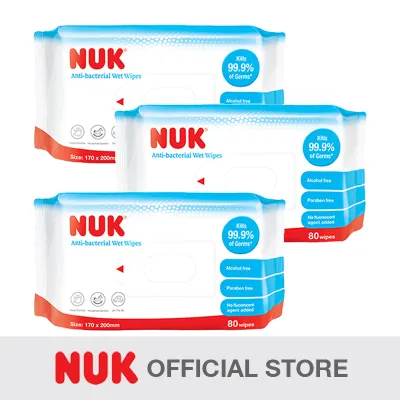
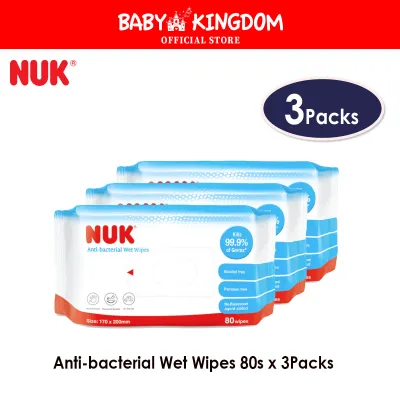
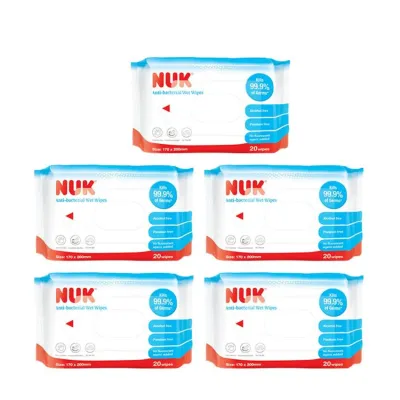
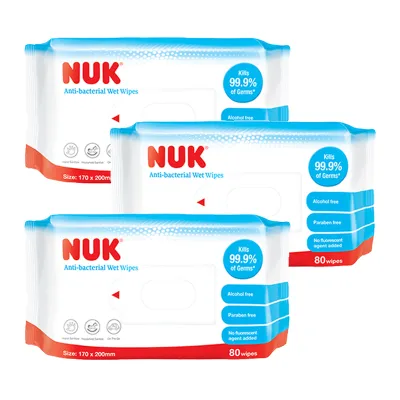
Prices are valid at publication and may change. Please refer to the product page for the latest price.
For almost all high-quality baby wipes, the primary ingredient is purified water, often listed as aqua. In gentle formulations, water typically constitutes over 95% of the total mixture. Water serves as the solvent that carries the cleansing agents and skin-conditioning ingredients. When evaluating NUK baby wipes, look for variants where water is the dominant component, as this minimizes the concentration of active chemical agents that could potentially disrupt a newborn’s fragile skin barrier.
Beyond water, look for beneficial, soothing botanical extracts and skin conditioners on the label. Ingredients such as aloe vera (often listed as Aloe barbadensis leaf juice), chamomile extract, or glycerin are excellent additions. Glycerin acts as a humectant, drawing moisture into the skin to prevent dryness, while aloe and chamomile provide natural soothing properties. Verifying the presence of these conditioning agents can help ensure the wipe supports skin hydration rather than stripping it away.
Finally, make it a habit to cross-reference any unfamiliar chemical names with reliable pediatric or dermatological resources. Preservatives and surfactants often have long, intimidating names like sodium benzoate, citric acid, or coco-glucoside. Rather than guessing their safety, use reputable online databases dedicated to cosmetic ingredient safety or consult your pediatrician. This proactive verification ensures that you understand exactly what is touching your baby’s skin and helps you identify which specific NUK product line aligns best with your safety standards.
Common Irritants to Avoid in Newborn Wipes
Newborn skin is up to 30% thinner than adult skin, making it incredibly sensitive to synthetic chemicals and environmental triggers. One of the most common culprits behind contact dermatitis in infants is added fragrance. Even wipes marketed as “mildly scented” or containing “natural essential oils” can trigger allergic reactions, redness, and dry patches. Essential oils, while natural, contain highly concentrated volatile compounds that are often too harsh for a newborn’s undeveloped skin barrier. Opting strictly for fragrance-free options is a simple way to eliminate this common risk.

Another group of ingredients to watch out for includes certain preservatives and drying alcohols. While preservatives are absolutely necessary in wet wipes to prevent the growth of harmful bacteria, mold, and yeast, some options are much harsher than others. Avoid wipes containing parabens, methylisothiazolinone (MI), or formaldehyde-releasing preservatives, as these have been linked to skin sensitization. Similarly, simple alcohols like ethanol or isopropyl alcohol should be avoided entirely, as they rapidly evaporate and strip away the natural lipids that keep your baby’s skin protected and moisturized.
Harsh surfactants, which are cleansing agents designed to break down dirt and oils, can also compromise the skin barrier. When surfactants are too strong, they wash away the skin’s natural protective oils along with the soil. For a newborn, you want to choose wipes that utilize incredibly mild, food-grade, or plant-derived surfactants in very low concentrations. Prioritizing wipes with minimal, simple ingredient lists reduces the likelihood of chemical interactions and keeps the daily exposure to synthetic compounds as low as possible.
How to Spot Signs of Wipe-Related Skin Irritation
Even if you choose a highly rated, fragrance-free NUK wipe, your newborn may still exhibit individual sensitivity. Recognizing the early visual cues of skin irritation can prevent a mild reaction from escalating into a painful diaper rash. Look closely for localized redness, tiny red bumps, dry or peeling patches, or a warm-to-the-touch sensation in the diaper area, thighs, or any other zone where the wipe was used. If the irritation perfectly mirrors the shape of where the wipe was applied, it is highly likely a reaction to the product.
In addition to visual signs, your baby’s behavior is a powerful indicator of discomfort. Pay close attention to increased fussiness, squirming, or crying during or immediately after a diaper change. If your baby flinches or cries out when you gently wipe them, the formulation may be causing a stinging or burning sensation on their skin. Because newborns cannot communicate verbally, these sudden behavioral shifts during routine care are clear signals that their skin barrier is compromised.
If you suspect a wipe-related reaction, take immediate action to soothe your baby’s skin. Stop using the suspected baby wipes immediately. Switch to using plain, lukewarm water and soft, single-use cotton wool pads or clean, dry washcloths to cleanse the area. Allow the skin to air-dry completely before putting on a fresh diaper, and avoid applying heavily scented creams or lotions. If the redness does not improve within a few days, or if you notice signs of infection such as blisters, pus, or a fever, consult a healthcare professional promptly.
Safe Wiping Practices for Delicate Newborn Skin
Incorporate low-risk routines into your daily care to protect your newborn’s skin from friction and chemical exposure. For the first few weeks of life, many pediatricians recommend using plain water and soft cotton cloths for routine cleanups, especially when dealing with meconium. Meconium, the sticky, dark green first stool of a newborn, can be difficult to clean. Using a small amount of natural coconut oil or plain water on a cotton pad can help lift the residue gently without the need for vigorous scrubbing or heavy chemical exposure.
When you do use baby wipes, your physical technique is just as important as the product’s ingredients. Always pat the skin dry gently rather than rubbing or dragging the wipe across the skin. Rubbing creates friction, which physically abrades the fragile outer layer of the epidermis. In warm, humid climates like Singapore’s, trapped moisture and friction are a primary recipe for diaper rash. Ensuring the skin is completely dry and clean before fastening a new diaper is crucial for maintaining skin integrity.
Finally, always read the manufacturer’s instructions on the specific NUK packaging to verify the recommended age range and usage guidelines. If your baby has a pre-existing skin condition, such as infant eczema or extremely dry skin, consult your pediatrician before introducing any commercial wipes. A qualified professional can provide personalized recommendations and help you navigate ingredient lists to find the safest, most compatible skincare routine for your child.
Frequently Asked Questions (FAQ)
Can You Use NUK Baby Wipes on Your Newborn's Face and Hands?
Facial skin is significantly thinner and more sensitive than the skin on a baby’s bottom, requiring extra caution. Before using any NUK baby wipe on your newborn’s face or hands, check the product packaging for explicit claims stating it is safe for facial use. If the diaper wipes you are using contain stronger cleansing agents or preservatives, avoid using them on the face. Instead, use a separate, water-only wipe, a damp organic cotton cloth, or plain lukewarm water to clean your baby’s delicate face and hands after feeding or drooling.
What Should You Do If Your Baby Develops a Rash After Wiping?
If your baby develops a rash, immediately discontinue the use of the suspected baby wipes. Cleanse the diaper area gently using only lukewarm water and soft cotton wool, then allow the skin to air-dry completely to minimize moisture buildup. Avoid applying over-the-counter medicated creams or switching to other commercial wipe brands without professional guidance. If the rash persists, spreads, or causes your baby significant distress, consult a pediatrician or healthcare professional for an accurate diagnosis and a safe, targeted treatment plan.

Community discussion
Share your experience or ask a question. Comments are reviewed before publication.