
Quick Answer: Evaluating Nomieo Wet Wipes for Newborns
Determining whether Nomieo wet wipes are safe for your newborn depends on a few critical factors: the specific product variant you purchase, your baby’s unique skin sensitivity, and a careful review of the current ingredient label. Because product formulations can change without notice, parents must inspect the physical packaging of their specific pack to verify that it is free from known irritants before the first use.
While general marketing claims on packaging often highlight mildness or suitability for sensitive skin, these labels do not guarantee that a product will not cause a reaction. Every newborn’s skin barrier is unique, meaning that what works perfectly for one infant might cause irritation for another. To ensure maximum safety, parents should always perform a localized patch test and consult a pediatrician if their baby has a history of highly sensitive skin or eczema.
Why Newborn Skin Needs Strict Ingredient Checks
A newborn baby’s skin is fundamentally different from adult skin, requiring a much higher level of care and scrutiny. During the first few months of life, an infant’s skin barrier is still developing. It is up to thirty percent thinner than adult skin, which makes it highly susceptible to moisture loss, environmental irritants, and chemical absorption.
Products mentioned in this guide
![[New] Nomieo Travel Pack Wet Wipes 10s/Pack 100% Pure Water Unscented Portable Newborn Baby Wipes](https://img.lazcdn.com/g/p/5ea37b2a75335f09c1c1639b8c599b31.jpg_400x400q80.jpg_.webp)
![[New Bundle Sale] Nomieo Travel Pack Wet Wipes 10s/Pack 100% Pure Water Unscented Portable Newborn Baby Wipes Mini Pack](https://img.lazcdn.com/g/p/814cf7c479bfe78385a809161513aa27.jpg_400x400q80.jpg_.webp)
![[Premium Wet wipes] New Nomieo Thick Baby Wet Wipes 80sheets/pack Pure water wet tissues Safe for Baby Face & Body Add Vitamin E/Aloe Extract/Chamomile Essence/Seaweed Essence](https://img.lazcdn.com/g/p/d70b06763f5217d7227d73b9dea4ac12.jpg_400x400q80.jpg_.webp)
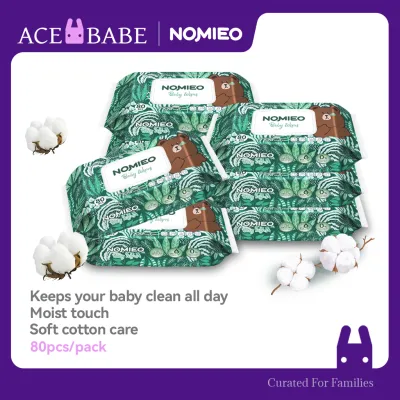
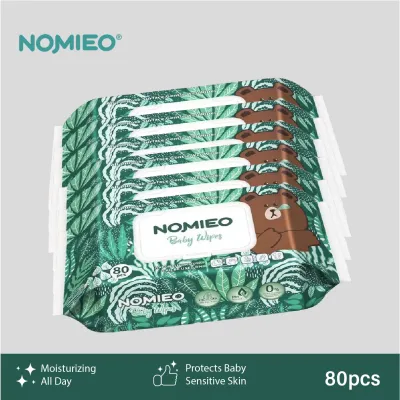
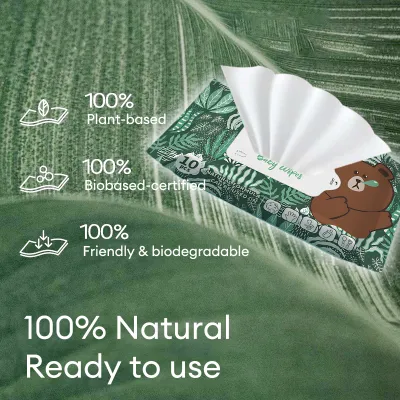
Prices are valid at publication and may change. Please refer to the product page for the latest price.

Because the outer layer of the skin, known as the stratum corneum, is highly permeable, any chemical applied to a newborn’s skin can penetrate much deeper and more rapidly. This vulnerability is particularly pronounced in the diaper area, where skin is frequently subjected to friction, warmth, and moisture.
In warm and humid climates like Singapore, the diaper area can easily become a breeding ground for irritation. High humidity traps moisture against the skin, which can weaken the skin barrier further and accelerate the onset of diaper rash. When you introduce wet wipes containing harsh chemicals to this compromised environment, the risk of contact dermatitis increases significantly.
Furthermore, newborns require frequent diaper changes, often up to ten or twelve times a day. This high frequency means that any ingredients present in your wipes will have cumulative exposure on your baby’s skin. Even ingredients that are naturally derived or labeled as organic can trigger allergic contact dermatitis if the baby’s skin barrier is already compromised or naturally sensitive.
How to Verify the Ingredients in Your Nomieo Wipes
To ensure the safety of any wet wipe brand, including Nomieo, you must know exactly what ingredients are in the pack you hold in your hand. Formulations can vary significantly based on the manufacturing batch, the specific product line, and even the region where the product was distributed.
Your first and most reliable source of information is the physical packaging of the wipes. Look for the ingredient list, which is typically printed on the back or bottom of the plastic pack. Manufacturers are required to list ingredients in descending order of concentration, allowing you to see which components make up the bulk of the wet wipe solution.
While online listings on e-commerce platforms or online marketplaces are convenient, they are not always updated in real time. Sellers may copy and paste outdated ingredient lists or use descriptions from older product versions. To get the most accurate and current information, cross-reference the physical label with the official brand website or authorized local distributor listings.
Avoid relying solely on third-party blog reviews, parenting forums, or social media recommendations. While personal experiences can be helpful, they are often based on older formulations or different product variants that may not match the specific pack of Nomieo wipes you have purchased. Taking a few moments to read the physical label yourself is the most reliable way to protect your newborn’s skin.
Key Ingredients to Avoid or Verify for Newborn Safety
When reviewing the ingredient list on your pack of Nomieo wipes, there are several specific components you should look out for to ensure they are safe for newborn use. Understanding which ingredients to avoid and which ones are beneficial will help you make an informed decision.
Harsh Preservatives and Alcohols
Preservatives are necessary in wet wipes to prevent the growth of harmful bacteria and mold in a moist environment. However, some preservatives are too harsh for newborn skin. Avoid wipes containing methylisothiazolinone (MI), parabens, or formaldehyde-releasing preservatives, as these are known contact allergens. Additionally, ensure the wipes are free from denatured alcohol or isopropyl alcohol, which can strip the skin of its natural lipids and cause severe dryness.
Fragrances and Scents
Fragrance is one of the most common triggers for skin irritation and allergic contact dermatitis in infants. Even if a label claims to use “natural fragrances” or “essential oils,” these botanical extracts can still be highly sensitizing to a newborn’s delicate skin barrier. For newborns, it is highly recommended to choose variants that are explicitly labeled as fragrance-free rather than unscented, as unscented products may still contain masking agents to hide chemical odors.
Beneficial and Neutral Ingredients
Ideally, a newborn-safe wet wipe should have a very simple ingredient list. Look for formulations where the primary ingredient is purified water (often listed as aqua), making up ninety-nine percent of the solution. Safe supporting ingredients include gentle humectants like glycerin, which helps retain skin moisture, and extremely mild, plant-based surfactants like decyl glucoside, which cleanse the skin gently without stripping its natural protective oils.
Personal Allergen Considerations
If your family has a history of eczema, asthma, or severe skin allergies, your newborn may have a genetic predisposition to sensitive skin. In such cases, even standard gentle ingredients might cause a reaction. Carefully check the label for any specific plant extracts or additives that your family members are known to react to, and prioritize wipes with the absolute minimum number of ingredients.
How to Safely Introduce Nomieo Wipes with a Patch Test
Before using any new brand of wet wipes regularly during diaper changes, performing a localized patch test is a highly effective way to minimize the risk of a widespread skin reaction. This simple precaution allows you to observe how your baby’s skin responds to the product in a controlled, low-risk manner.
To conduct a patch test, select a small, discreet area of your baby’s skin. The inner forearm or the area just behind the ear are excellent choices, as these spots are easily observable and less likely to be rubbed by clothing or diapers. Gently swipe a small portion of a fresh Nomieo wipe over the selected area, ensuring you do not scrub or apply excessive pressure.
Once applied, allow the area to dry naturally and monitor it closely over the next twenty-four to forty-eight hours. Contact dermatitis does not always appear immediately; delayed hypersensitivity reactions can take up to two days to manifest. Keep the test area clean and avoid applying any other lotions, creams, or powders to that specific spot during the observation window.
During this testing phase, it is crucial that you do not use the wipes on any areas of the body where the skin is already broken, red, chafed, or suffering from active diaper rash. Additionally, keep the wipes away from mucous membranes and the delicate skin around the eyes. If the patch test area remains clear and free of irritation after forty-eight hours, you can proceed with using the wipes for regular diaper changes.
Recognizing Skin Reactions and When to Stop Use
As a parent, being able to recognize the early signs of a skin reaction is vital for maintaining your newborn’s comfort and health. Even if a product passes an initial patch test, cumulative exposure over several days can sometimes trigger a reaction that requires immediate attention.
Monitor your baby’s diaper area during and after changes for any visible signs of irritation. These signs include localized redness, small raised red bumps, dry or flaky patches of skin, or mild swelling. You should also pay close attention to behavioral cues; if your baby cries, flinches, or shows signs of discomfort specifically when you wipe them, this is a strong indicator that the wipe solution is causing a stinging or burning sensation.
If you observe any of these signs, stop using the wet wipes immediately. Switch to the gentlest cleansing method possible: plain, lukewarm water and sterile cotton balls or soft, dry cotton wipes. This simple routine allows the skin barrier to rest and recover without further chemical exposure. Avoid applying heavily fragranced diaper creams, which can trap irritants against the skin.
While most mild skin irritations resolve quickly once the offending product is removed, some situations require professional medical guidance. You should escalate the issue and consult a pediatrician or a pediatric dermatologist if you notice any of the following symptoms:
- The skin begins to blister, peel, or ooze fluid.
- The redness spreads rapidly beyond the diaper area to other parts of the body.
- The rash does not show signs of improvement after two to three days of using only plain water and cotton.
- Your baby develops a fever, becomes unusually lethargic, or shows signs of systemic distress.
Frequently Asked Questions (FAQ)
Can I use Nomieo wipes on a newborn's face and hands?
It is generally best to avoid using diaper wipes on a newborn’s face and hands unless the product packaging explicitly states it is safe for facial use. The skin on a baby’s face is significantly thinner and more sensitive than the skin on their bottom, making it more prone to irritation from cleansing agents. Furthermore, newborns frequently put their hands in their mouths, which increases the risk of ingesting chemical residues left behind by the wipes. For facial and hand cleaning, stick to plain, damp cotton cloths or wipes specifically formulated for sensitive facial skin.
What should I do if the Nomieo wipes dry out?
If a pack of Nomieo wipes dries out, you should discard the remaining wipes rather than attempting to rehydrate them. Adding tap water, purified water, or homemade solutions to a dried-out pack dilutes the carefully balanced preservative system of the product. This dilution makes the wipes highly susceptible to rapid bacterial and fungal growth, turning the pack into a hygiene hazard. To prevent wipes from drying out, always ensure the plastic lid or adhesive seal is pressed down firmly after every use, and store the package in a cool, dry place away from direct sunlight.

Community discussion
Share your experience or ask a question. Comments are reviewed before publication.