
Determining whether Mixshop wet wipes are safe for your newborn depends on evaluating the specific product variant’s ingredient list and observing your baby’s individual skin tolerance. Because baby wipes are manufactured in various product lines and formulations, a single brand can offer both highly gentle options and variants containing ingredients unsuitable for a newborn. Newborn skin is exceptionally delicate, meaning that a product suitable for an older infant might still cause irritation or contact dermatitis on a baby who is only a few weeks old.
Navigating the wide array of baby products available on online marketplaces can be challenging. While Mixshop offers affordable household and baby essentials, price must be balanced with strict ingredient safety when it comes to newborn care. This guide provides a practical framework to help you read the labels of Mixshop wet wipes, identify potential irritants, recognize beneficial ingredients, and safely introduce them into your diapering routine.
Why Newborn Skin Requires Specific Wipe Ingredients
A newborn’s skin is structurally different from adult skin, requiring specialized care and highly mild formulations. During the first few months of life, the outer layer of the skin, known as the stratum corneum, is up to thirty percent thinner than that of an adult. This structural difference means the skin barrier is highly permeable, allowing topical substances to be absorbed much more rapidly. Consequently, any harsh chemicals, synthetic fragrances, or strong preservatives present in a wet wipe can easily penetrate the skin and trigger localized adverse reactions.
Products mentioned in this guide
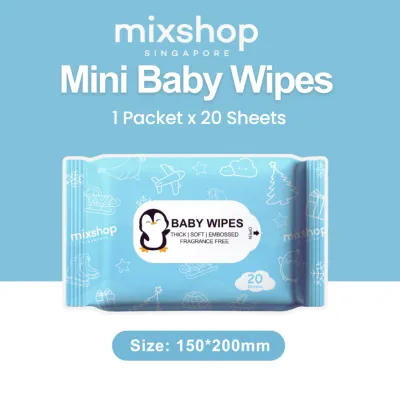
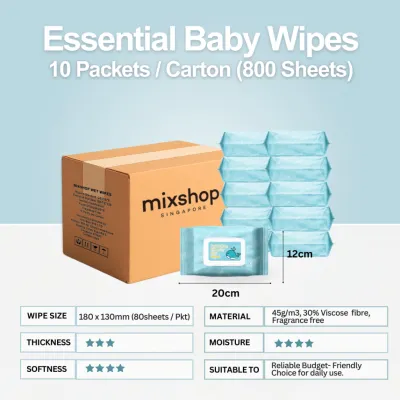

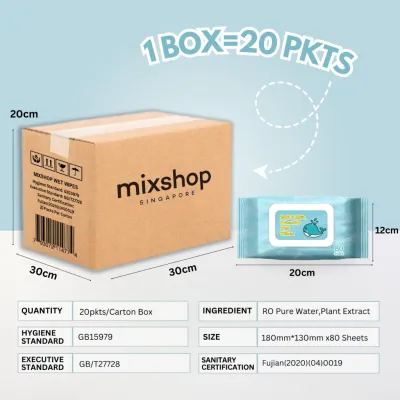
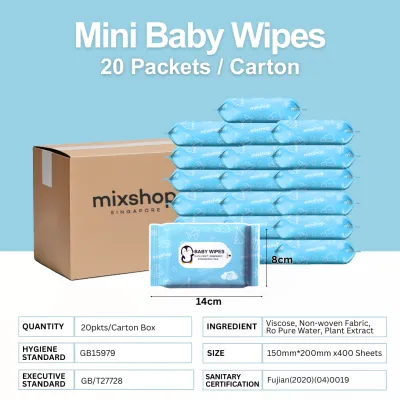
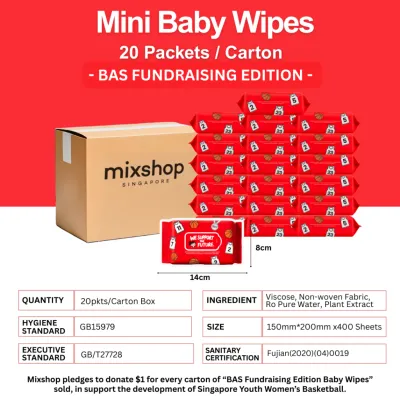
Prices are valid at publication and may change. Please refer to the product page for the latest price.
Furthermore, a newborn’s skin is still adapting to the extrauterine environment. At birth, a baby’s skin surface is close to neutral but quickly transitions to a slightly acidic pH, typically between 5.5 and 6.0. This acidic environment, often referred to as the acid mantle, serves as a vital defense mechanism against harmful bacteria and environmental pollutants. Using wet wipes that are too alkaline or contain harsh cleansing agents can disrupt this delicate pH balance. When the acid mantle is compromised, the skin becomes highly susceptible to dryness, irritation, and diaper rash.
Many parents rely on generic marketing terms such as “hypoallergenic” or “gentle” printed on the packaging. However, these terms are not strictly regulated or standardized. A product labeled as “gentle” may still contain trace amounts of botanical extracts or mild preservatives that can sensitize a newborn’s skin. Therefore, verifying these claims against the actual, full ingredient list is the only reliable way to ensure safety.
How to Read the Mixshop Wet Wipes Ingredient List
To make an informed decision, you must know how to locate and interpret the ingredient list on your Mixshop wet wipes. On physical packaging, this list is typically printed on the back or side panel in small text. If you are purchasing the wipes online through ecommerce platforms, do not rely solely on the promotional images. Look for a dedicated product specifications section, or contact the seller directly to request a clear photograph of the ingredient label before finalizing your purchase.

When reading the ingredient list, keep in mind that ingredients are listed in descending order of concentration. The first three to five ingredients usually make up over ninety-five percent of the entire liquid formulation. For baby wipes, the very first ingredient should always be water. However, the quality of the water used is highly critical. Look for terms like “purified water” or “EDI water” on the label.
EDI, or electrodeionization, is an advanced water purification technology that removes dissolved solids, ions, organic matter, and microorganisms. EDI water is exceptionally pure, ensuring that the base solution of the wipe does not introduce any unwanted minerals or contaminants to your baby’s skin. If the label simply lists “water” without specifying the purification method, it may not meet the ultra-pure standards required for newborn care.
Common Irritants and Preservatives to Watch For
When reviewing the ingredient list of any Mixshop wet wipe variant, your primary goal is to scan for potential irritants. Fragrance is the most common culprit behind contact allergies and skin irritation in infants. Avoid wipes that list “parfum,” “fragrance,” or specific aromatic compounds. Even natural essential oils, such as lavender, tea tree, or citrus oils, can be highly sensitizing to a newborn’s delicate skin barrier and should be avoided in the diaper area.
Preservatives are absolutely necessary in wet wipes to prevent the growth of harmful bacteria, mold, and yeast in a dark, moist package. However, some preservatives are far too harsh for newborns. Avoid products containing parabens (such as methylparaben or propylparaben), which have been linked to endocrine disruption concerns. You should also watch out for methylisothiazolinone (MIT) and methylchloroisothiazolinone (MCI), which are notorious contact allergens. Additionally, ensure the wipes are free from drying alcohols like isopropyl alcohol or ethanol, which strip the skin of its natural moisture and cause painful stinging on irritated skin.
Finally, check for strong surfactants or cleansing agents. While surfactants help lift dirt and feces from the skin, harsh variants like sodium lauryl sulfate (SLS) or strong detergents can strip away the skin’s natural lipid barrier. For a newborn, any cleansing agents used must be extremely mild and non-ionic.
Beneficial and Gentle Ingredients to Look For
While scanning for irritants is crucial, you should also look for ingredients that actively support and protect your newborn’s skin. High-quality baby wipes often include mild humectants and emollients that help reduce mechanical friction during wiping. Glycerin is an excellent, time-tested humectant that draws moisture into the skin, keeping it hydrated and forming a temporary protective barrier against friction.
Soothing botanical extracts can also be beneficial, provided your baby does not have a specific allergy to them. Ingredients like aloe vera leaf extract (Aloe barbadensis) and chamomile extract (Chamomilla recutita) are widely recognized for their anti-inflammatory and skin-calming properties. These extracts help soothe minor redness and keep the skin soft. However, because botanical ingredients can occasionally trigger localized allergic reactions in highly sensitive infants, they should still be introduced with caution.
Additionally, look for mild pH-balancing agents. Ingredients such as citric acid or sodium citrate are often added in very small quantities to adjust the acidity of the wipe’s solution. These agents help maintain the wipe’s pH at a level that matches the natural, slightly acidic state of your baby’s skin, thereby preserving the integrity of the acid mantle.
Verifying Safety Claims and Certifications on the Label
To cut through marketing noise, parents must learn to differentiate between unregulated buzzwords and actual, verifiable safety standards. A label that boasts “dermatologist tested” or “pediatrician approved” indicates that the product has undergone some level of clinical evaluation under professional supervision. While this provides a higher degree of reassurance, it does not guarantee that the product is completely allergen-free for every individual baby.
When evaluating Mixshop wet wipes, look for specific, recognized certification seals on the packaging. Certifications from independent dermatological institutes or allergy associations carry significantly more weight than self-declared brand claims. These seals indicate that the formulation has been rigorously tested for skin compatibility and is free from common sensitizing agents.
Additionally, check if the packaging mentions compliance with local or international cosmetic safety regulations. In Singapore, cosmetic products, including baby wipes, are regulated by the Health Sciences Authority (HSA). While they do not require pre-market approval, they must comply with strict safety standards regarding ingredient limits and labeling. Ensure the packaging clearly lists the distributor’s contact details, the country of origin, the batch number, and the manufacturing or expiry date. A transparent label with clear traceability is a strong indicator of a manufacturer that prioritizes safety and quality control.
Safe Usage Guidelines and Monitoring for Reactions
Even if you have thoroughly analyzed the ingredient list and found it to be exceptionally mild, you must still take precautions when introducing any new wet wipe to your newborn. Before using the wipes extensively during diaper changes, perform a simple patch test. Gently wipe a small, discreet area of your baby’s skin, such as the inner arm or the upper thigh, and wait twenty-four to forty-eight hours. Monitor the area closely for any signs of redness, swelling, or tiny bumps. If no reaction occurs, you can proceed with regular use.
When using wet wipes, your technique is just as important as the product’s ingredients. Always use a gentle patting or light wiping motion rather than vigorous rubbing. Newborn skin is highly susceptible to mechanical friction, and rough wiping can create micro-tears in the skin barrier, making it easier for moisture and bacteria to cause diaper rash. In a warm, humid climate, keeping the diaper area clean and dry is especially critical, as trapped moisture can quickly lead to fungal infections.
Keep a close eye on your baby’s skin for any signs of contact dermatitis or allergic reactions. Common symptoms include persistent redness in the diaper area, dry or peeling skin, raised red bumps, or unusual fussiness during diaper changes, which may indicate that the wipe is causing a stinging or burning sensation.
If you observe any of these signs, stop using the wipes immediately. Cleanse the affected area using only plain, lukewarm water and a soft, reusable cotton cloth. Pat the skin completely dry and apply a thick layer of a fragrance-free diaper barrier cream. If the redness does not improve within a few days, spreads to other areas, or is accompanied by blisters or fever, consult your pediatrician promptly for a professional evaluation.
Frequently Asked Questions (FAQ)
Can I use Mixshop wet wipes on my newborn's face and hands?
Newborn facial skin is significantly thinner and more sensitive than the skin on the rest of their body, and the areas around the mouth and eyes are highly prone to irritation. Unless the specific Mixshop wet wipe variant you have purchased is explicitly labeled as safe for face and hands, and features an ultra-minimalist, fragrance-free formula, it is best to avoid using them on these delicate areas. For cleaning your newborn’s face and hands, plain water paired with a soft, reusable cotton cloth remains the safest and most gentle option.
Do water wipes eliminate the need to check ingredients?
No, water wipes do not eliminate the need to check the ingredient list. Even wipes marketed as containing ninety-nine percent water still require the remaining one percent of ingredients to function safely. Without any preservatives or antimicrobial agents, a pack of wet wipes would quickly become a breeding ground for harmful bacteria, mold, and yeast once opened. Therefore, you must still inspect that remaining one percent to ensure the preservatives, pH adjusters, or skin conditioners used are mild, safe, and suitable for newborn skin.
What should I do if the ingredient list is not fully translated or clear?
If you purchase imported Mixshop wet wipes and find that the ingredient list is missing, incomplete, or not translated into English, you should exercise extreme caution. Do not use the wipes on a newborn until you have verified every single ingredient. You can attempt to contact the manufacturer or the local distributor to request a full English ingredient disclosure, or check the brand’s official website. If transparent ingredient information is unavailable, it is safest to choose an alternative brand that provides clear, fully translated labeling.

Community discussion
Share your experience or ask a question. Comments are reviewed before publication.