
Finding the right breast pump setup is a highly personal process that directly impacts your comfort and milk expression. If you use a Spectra breast pump—such as the Spectra S1 Plus, S2 Plus, or the portable Spectra 9 Plus—you may eventually look for alternative flange options to find a better size or secure affordable spare parts. Maymom is a popular third-party brand that designs aftermarket accessories for various pump systems.
If you are wondering whether a third-party option will work with your setup, the short answer is yes: many Maymom flanges are fully compatible with Spectra pumps. However, physical compatibility is highly model-specific. To avoid damaging your equipment or experiencing a sudden drop in suction, you must select the precise Maymom product line designed for your specific Spectra model and understand how these components connect.
How to Verify Physical Compatibility Between Maymom and Spectra
Before purchasing any aftermarket parts, you must identify your exact Spectra pump model. The requirements for a heavy-duty hospital-grade pump like the Spectra S1 or S2 differ from those of compact portable models like the Spectra 9 Plus or the Spectra Synergy Gold. Once you have confirmed your model, you must cross-reference it with the specific Maymom flange line you intend to buy. Maymom manufactures flanges specifically designed to connect directly to Spectra wide-neck bottles, as well as flanges meant for standard-neck bottles.
Products mentioned in this guide
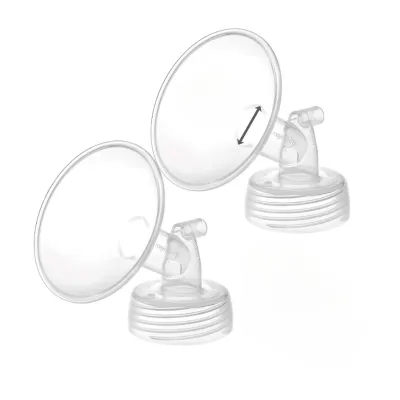
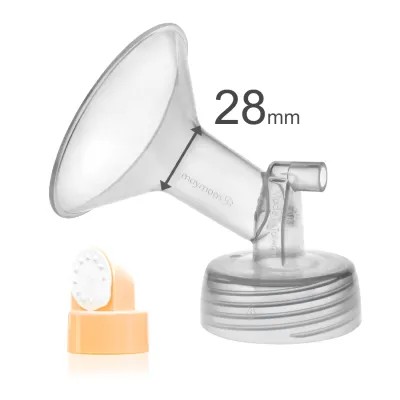
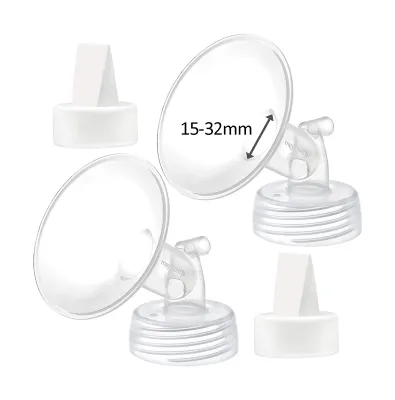
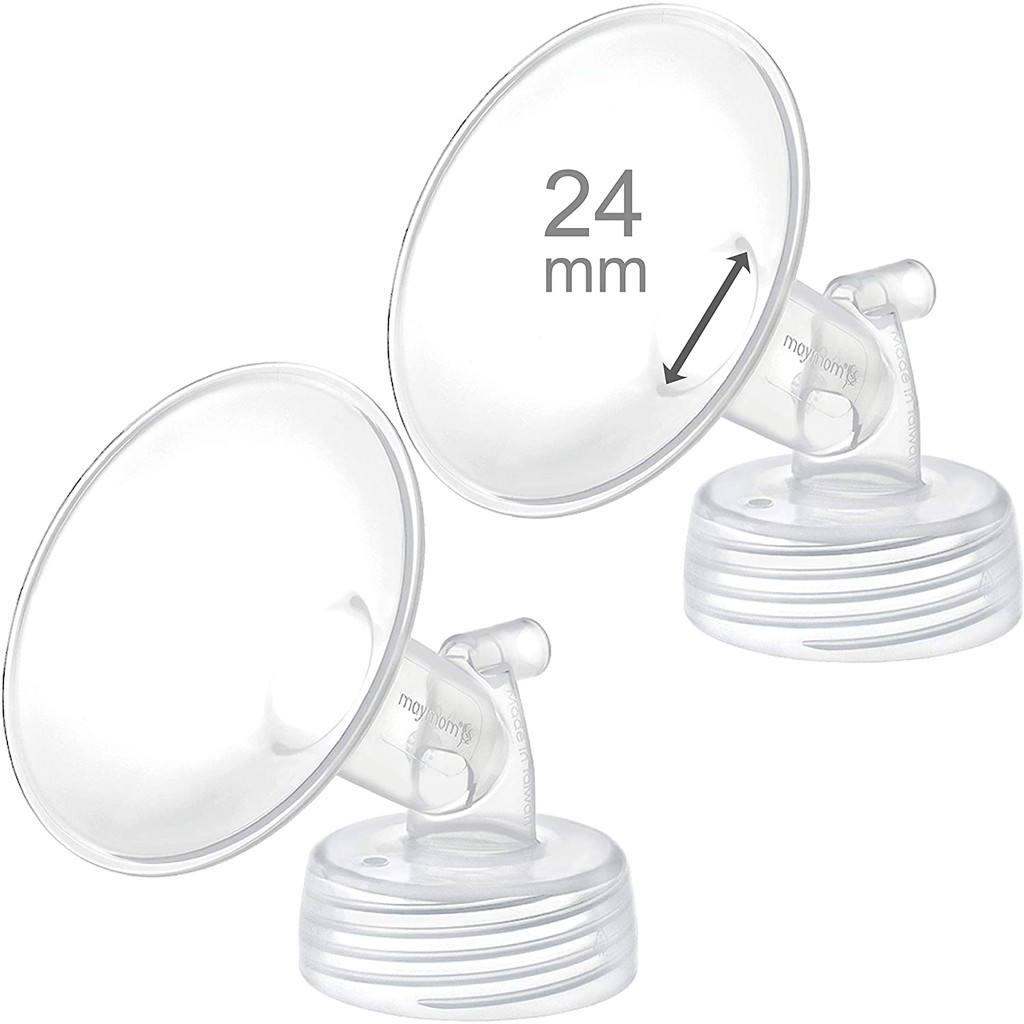
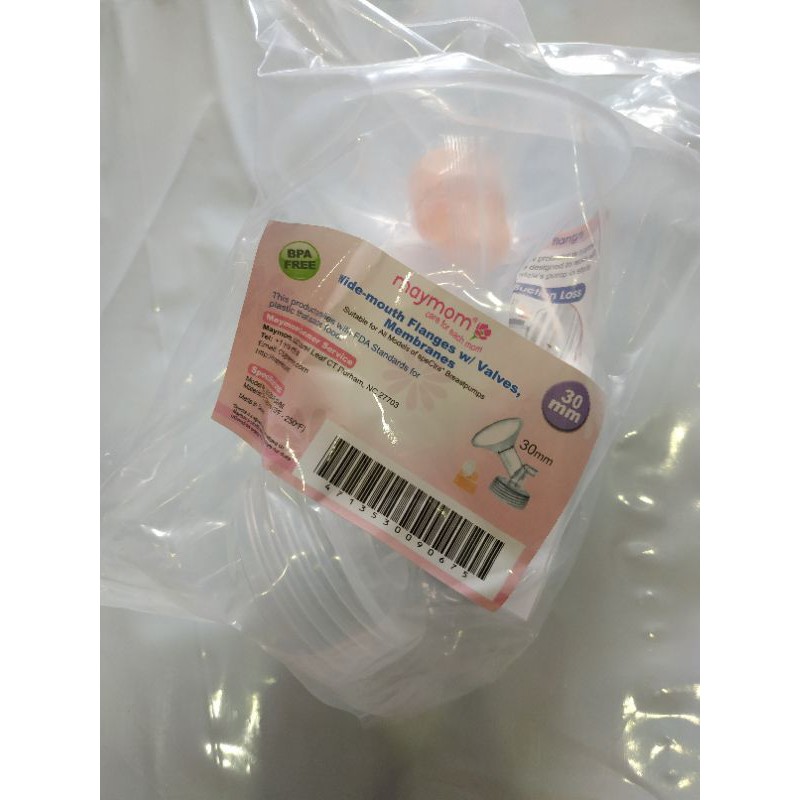
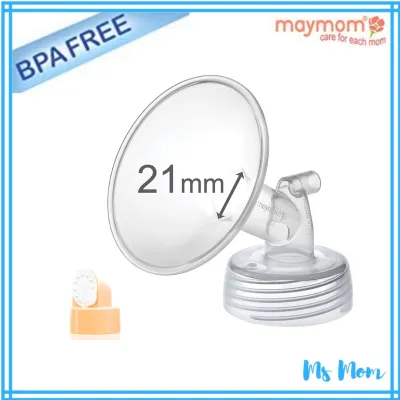
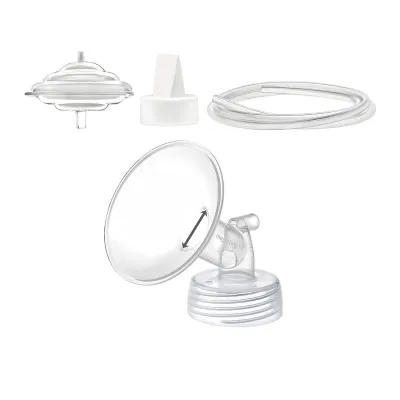
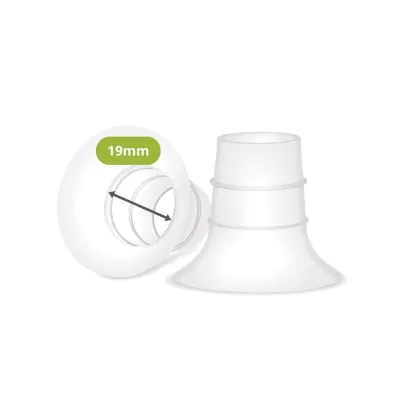
Prices are valid at publication and may change. Please refer to the product page for the latest price.
To verify physical compatibility, inspect the connection interface on both the flange and the pump’s connector. Look closely at the thread types, bayonet mounts, or snap-fit mechanisms. A compatible wide-neck Maymom flange should screw smoothly onto a Spectra wide-neck bottle without resistance. If you have to force the parts together, or if you notice the threads cross-threading, stop immediately. Forcing mismatched plastic threads can cause micro-cracks in the plastic, which will compromise the vacuum seal and potentially harbor bacteria in hard-to-clean crevices.
Rather than relying on generic e-commerce product titles or third-party forum recommendations, always consult the manufacturer’s official compatibility charts. These are typically found on the product packaging or the official brand websites. Because product specifications can change, verifying compatibility directly through official documentation before purchase is the safest way to protect your equipment and ensure a reliable fit.
Identifying When Adapters or Back Caps Are Required
Spectra breast pumps utilize a closed system, which relies on a backflow protector (often referred to as a back cap) to prevent milk from entering the tubing and reaching the pump motor. When integrating third-party flanges, you must determine whether the Maymom flange is designed to replace this connector entirely or if it must attach directly to your existing Spectra backflow protector.

Some Maymom flanges feature a built-in stem designed to plug directly into the Spectra backflow protector. However, if you are using standard-neck Maymom flanges or adapting parts from a different system, you will likely need a brand-specific plastic adapter to bridge the gap. Portable Spectra models, such as the Spectra 9 Plus, have compact connection points that may require specific adapters to ensure the tubing and backflow assemblies remain securely attached during mobile use.
Never attempt to use makeshift adapters, universal silicone rings not rated for vacuum pressure, or household adhesives to force a connection. Under the high negative pressure of a breast pump, these temporary fixes can fail suddenly, causing parts to detach mid-session, spilling expressed milk, or exposing the pump motor to moisture. Always check the product description for explicit statements such as “adapter included” or “requires original Spectra back cap” to ensure you have all the necessary parts before you begin assembly.
Ensuring a Secure Suction Seal and Component Fit
Physical assembly is only the first step; the system must also maintain a perfect vacuum seal to function effectively. You must verify that your internal components, such as standard Spectra duckbill valves and silicone membranes, fit securely inside the specific Maymom flange model. A loose valve or a poorly fitting membrane will cause air leaks, resulting in a significant loss of suction efficiency and making your pumping sessions longer and less productive.
An improper seal also introduces operational risks. If the vacuum pressure fluctuates due to a leak, milk can back up past the backflow protector and enter the tubing. If you observe any moisture or milk entering the tubing or the backflow protector casing, stop pumping immediately, turn off the machine, and consult your manufacturer manual. Moisture inside the tubing can quickly reach the pump motor, causing permanent electrical damage or mold growth.
It is also vital to distinguish between mechanical compatibility and anatomical fit. Even if a Maymom flange connects perfectly to your Spectra machine, it must still be the correct size for your breast tissue. An improperly sized flange can cause friction, pain, and damage to the nipple tissue, which can ultimately lower your milk output. If you hear any hissing sounds, experience fluctuating suction, or notice milk pooling at the connection joints, stop using the setup and troubleshoot the physical fit of the components.
In Singapore’s warm and humid climate, maintaining clean and completely dry parts is particularly important. Moisture left on the connector joints can cause parts to slip apart under vacuum pressure and increases the risk of mold in small crevices. Always wash and dry all components thoroughly according to the manufacturer’s care instructions.
A Safe Testing Checklist Before Your First Pump
To prevent spills, loss of suction, or equipment damage, perform a dry run with your new setup before your first scheduled pumping session. Follow this checklist to verify the integrity of the vacuum:
- Check for Dryness: Ensure the flange, valve, backflow protector, and tubing are completely dry before assembly.
- Assemble Completely: Connect the Maymom flange, valve, membrane, and Spectra backflow protector according to the manufacturer's instructions, ensuring all joints are flush.
- Inspect the Connection: Gently wiggle the connection points to ensure no parts are loose or sliding out of place.
- Test the Vacuum: Place the assembled flange firmly against your palm or clean forearm. Turn the pump on its lowest suction setting.
- Listen and Feel: Check for a consistent vacuum hold. Listen closely for any air hissing sounds and feel for any slipping.
If the parts feel loose, require excessive force to attach, or fail to maintain a steady seal during this test, stop using the setup immediately and consult the manufacturer’s instructions or a lactation professional.
Frequently Asked Questions (FAQ)
Can I use original Spectra duckbill valves with Maymom flanges?
Whether you can use original Spectra duckbill valves depends entirely on the specific Maymom flange model you purchase. Some Maymom flanges are engineered to accept standard Spectra duckbill valves directly, allowing you to mix and match parts easily. However, other Maymom models require proprietary inserts or different valve styles to maintain a proper seal. Always check the product specifications on the packaging to confirm valve compatibility before assembly.
Will using third-party flanges void my Spectra pump warranty?
Before using third-party accessories, you should carefully review the warranty terms provided with your Spectra breast pump. While using compatible third-party parts like Maymom flanges is a common practice among parents, manufacturers generally do not cover damage caused by external accessories. If a forced connection, a leak, or a mismatched part directly causes physical damage to the pump motor or casing, the resulting repairs may not be covered under your standard warranty policy.

Community discussion
Share your experience or ask a question. Comments are reviewed before publication.