
Breastfeeding and expressing milk can be one of the most demanding aspects of early motherhood. For mothers in Singapore balancing a return to the office with a dedication to providing breast milk, maintaining a highly functional breast pump setup is essential. While major breast pump brands offer high-quality original equipment manufacturer (OEM) parts, the ongoing cost of replacing worn-out components or finding the perfect flange fit often leads parents to seek alternatives. This is where Maymom, a prominent third-party manufacturer specializing in compatible breast pump accessories, enters the conversation.
If you are wondering whether Maymom accessories are worth your investment, the short answer is yes—provided you verify compatibility and prioritize safety. They offer an extensive range of sizing options, excellent availability on local online marketplaces, and a more budget-friendly price point than many OEM parts. However, navigating third-party accessories requires an understanding of how these parts interact with your specific pump motor, how to measure for a precise fit, and how to maintain strict hygiene standards. This guide will help you evaluate if Maymom is the right choice for your pumping journey.
Signs You Might Need Alternative Breast Pump Accessories
Many mothers begin their pumping journey using the default accessories that come packaged with their breast pump. Over time, however, subtle physical discomforts or drop-offs in performance can indicate that your current setup is no longer serving you. Recognizing these signs early can prevent nipple damage and help maintain your milk supply.
Products mentioned in this guide
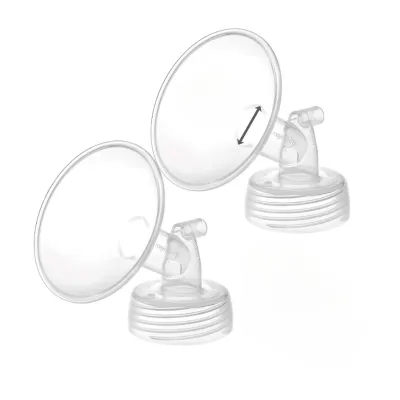
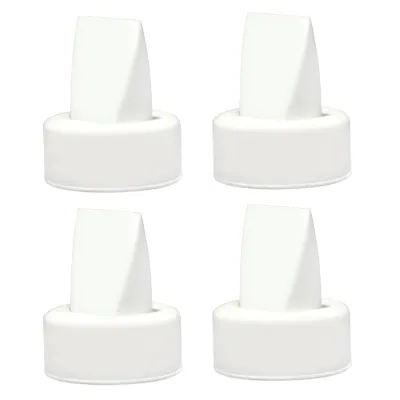
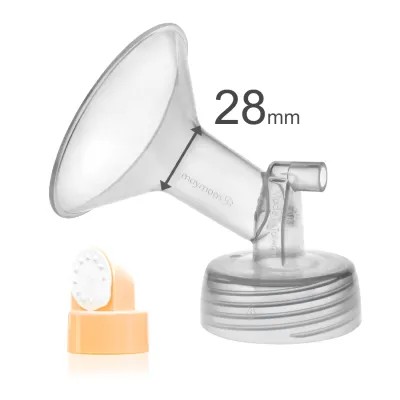
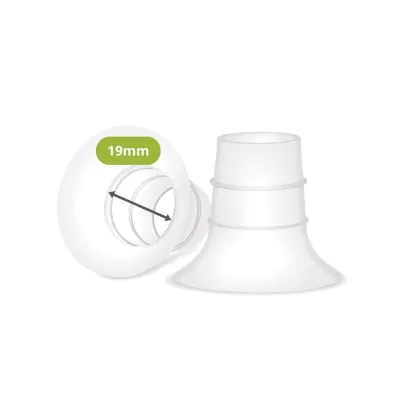
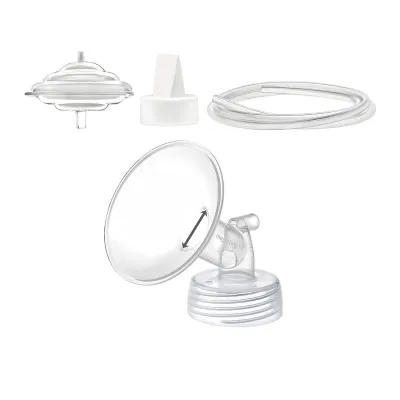
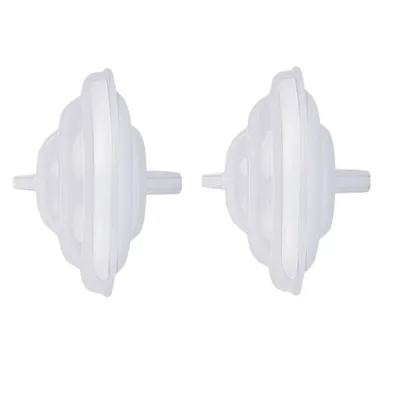
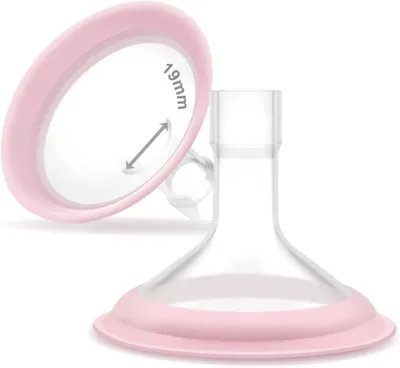
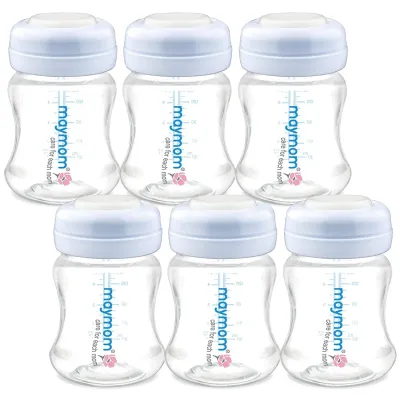
Prices are valid at publication and may change. Please refer to the product page for the latest price.
Common pumping frustrations that prompt mothers to look for alternatives include:
- Persistent physical discomfort: Pain, friction, or deep pulling sensations in the nipple or areola during or after a pumping session.
- Declining milk yield: A noticeable decrease in the amount of milk expressed, often caused by a poor flange seal or deteriorating valves.
- Rapid wear and tear: Original parts stretching, warping, or losing their structural integrity within a few weeks of heavy use.
- The need for multitasking: A desire to transition to hands-free pumping to manage daily household tasks or remote work commitments.
It is crucial to differentiate between user error and actual equipment limitations. If you are using incorrect pump settings, such as setting the vacuum speed too high, or if you are positioned poorly during a session, changing your accessories will not resolve the issue.
Before purchasing third-party alternatives, establish whether your challenges require a hardware change or professional guidance. If you experience persistent, severe pain, localized blockages, or a sudden drop in milk supply that does not resolve with basic troubleshooting, consult an International Board Certified Lactation Consultant (IBCLC). Additionally, if your pump motor is making unusual noises or losing power, the issue lies with the main unit itself, which may need to be repaired or replaced under the manufacturer’s warranty rather than fitted with new accessories.
Core Maymom Product Categories and What to Evaluate
Maymom has built its reputation on creating compatible parts for a wide variety of breast pump brands. To determine if their products are right for you, it helps to break down their primary offerings and understand how to evaluate each category.

Flanges and Breast Shields
Choosing the correct flange size is the single most important factor in ensuring a comfortable, productive pumping session. An ill-fitting breast shield can pinch the nipple tissue, restrict milk ducts, and lead to painful friction or low milk output. While many major pump brands only offer three or four standard flange sizes (typically ranging from 21mm to 30mm), Maymom provides a highly granular selection, often including hard-to-find sizes like 13mm, 15mm, 17mm, and 19mm.
To find your correct size, you must measure the diameter of your nipple base accurately.
- Use a physical ruler, a specialized coin-sizing tool, or a downloadable printable ruler.
- Measure the diameter of your nipple base in millimeters, excluding the areola.
- Perform this measurement before a pumping session, or immediately after if you account for temporary swelling.
- Add 2mm to 3mm to your measurement to find your starting flange size. For example, if your nipple base measures 15mm, a 17mm or 19mm flange is generally a suitable starting point.
Material feel is another subjective but critical consideration. Maymom offers both traditional hard plastic breast shields and softer silicone inserts or integrated shields. While soft silicone can feel gentler on sensitive skin, it behaves differently under suction and may require frequent adjustments to maintain a proper seal. Because hygiene regulations strictly prohibit the return or exchange of opened personal care items, always check the return and exchange policies of your chosen online retailer or local maternity store before purchasing. If you buy the wrong size and open the packaging, you will not be able to return it.
Valves, Membranes, and Tubing
Valves and membranes are the silent workhorses of your breast pump. These small, flexible silicone parts open and close with every cycle of the motor to create the vacuum pressure needed to draw milk. Because they undergo constant stretching and flexing, they are high-wear items that directly impact suction strength. Even microscopic tears or slight stretching can cause a dramatic drop in pump performance.
When evaluating Maymom’s replacement valves—such as their popular duckbill valves—it is vital to verify that the parts are explicitly compatible with your specific pump model. A valve designed for one brand may have a slightly different connector diameter or neck length than another, leading to air leaks or a loose fit that compromises suction.
Tubing is another critical component that requires regular inspection. In Singapore’s warm, humid climate, condensation can easily become trapped inside breast pump tubing, creating a breeding ground for mold and bacteria. Inspect your tubing daily for any signs of moisture, cloudiness, or dark spots. If you notice condensation, run the pump motor for a few minutes with the tubing attached but without the milk collection kit to dry it out. If mold appears, or if the tubing stretches out at the connection points, replace it immediately according to the manufacturer’s hygiene guidelines.
Hands-Free and Wearable Adaptations
For many busy mothers, the ability to pump hands-free is a necessity. Maymom offers a variety of adapters, short tubing connectors, and conversion kits designed to bridge the gap between traditional closed-system pumps and wearable collection cups or hands-free pumping bras. These accessories can transform a standard table-top pump into a highly mobile setup.
However, adding third-party adapters and extra lengths of tubing introduces practical trade-offs. Every connection point in a pumping setup is a potential site for vacuum loss. If an adapter does not fit perfectly, or if the weight of a wearable cup pulls down on a conversion connector, the flange angle can shift. This compromise in the seal can reduce suction efficiency, meaning you may need to pump longer to empty your breasts fully.
To minimize risks, always test any new hands-free or adapter setup while seated and supervised. Do not immediately attempt to wash dishes, bend over, or walk around while using a new configuration. Monitor the suction strength and ensure the milk is flowing smoothly into the collection container before relying on the setup for active, mobile pumping sessions.
Comparing Maymom to Original Equipment Manufacturer (OEM) Parts
Deciding between Maymom and original manufacturer parts requires balancing convenience, cost, and risk. Both options have distinct characteristics that fit different maternal lifestyles.
Availability and Replacement Cycles
In Singapore, sourcing OEM replacement parts can sometimes be a challenge. Specialty physical stores may have limited stock of specific valve shapes or flange sizes, and ordering directly from overseas brand websites can lead to long shipping delays. Because consistent pumping relies on having functioning parts on hand, waiting two weeks for a replacement valve is often not an option.
Maymom parts are widely distributed across local e-commerce platforms and specialized maternity retailers in Singapore. This high availability means you can often secure replacement parts within one to two days, minimizing disruptions to your pumping schedule. However, because these are high-wear items, you should still keep a spare set of essential consumables—such as valves and membranes—in your cabinet at all times.
Cost vs. Longevity Evaluation
From a financial perspective, Maymom accessories generally fall into a lower price band than their OEM counterparts. For example, a set of OEM replacement breast shields and valves might cost between S$30 and S$60, whereas equivalent Maymom sets often range from S$12 to S$30.
To evaluate the true cost per use, you must consider longevity. Read verified user reviews on reputable retail platforms, paying close attention to feedback regarding how quickly the silicone or plastic components degrade compared to original parts. Some users find that third-party silicone valves stretch out slightly faster under high-heat sterilization, meaning you may need to replace them more frequently. If a Maymom valve costs half the price of an OEM valve but lasts only half as long, the financial benefit is neutralized, though the convenience of quick local delivery remains.
Suction and Performance Monitoring
It is important to understand that third-party accessories are not tested, approved, or endorsed by the original breast pump manufacturers. While Maymom designs its parts to mimic the physical dimensions of OEM components, slight variances in plastic density or silicone elasticity can alter how the vacuum pressure behaves.
When you first switch to a Maymom accessory, monitor your milk output and physical comfort closely for the first three to five days. Keep a log of your pumping times and the volume of milk expressed. If you notice a sudden drop in output, feel that your breasts are not being fully emptied, or experience new nipple soreness, stop using the third-party parts immediately and revert to your OEM setup to protect your milk supply and physical health.
Safety, Warranty, and Hygiene Boundaries
Using third-party accessories involves navigating specific safety and structural boundaries. Protecting your health and your breast pump investment requires strict adherence to usage protocols.
Warranty Implications
Using non-OEM parts can have legal and financial consequences for your breast pump hardware. Many major breast pump brands explicitly state in their user manuals that the use of third-party accessories—such as non-brand tubing, adapters, or backflow protectors—will void the manufacturer’s warranty. If your pump motor experiences an electrical or mechanical failure while you are using third-party parts, the manufacturer may deny your claim for a free repair or replacement. Always read your pump’s warranty terms carefully before connecting any non-OEM components to the motor unit.
Material Safety and Sterilization
Because breast pump accessories come into direct contact with breast milk that will be consumed by your baby, material safety is paramount. Before purchasing any Maymom product, check the packaging or the official product listings to confirm that the items are made from food-grade materials and are certified BPA-free and DEHP-free.
Once verified, you must follow the specific sterilization guidelines provided by Maymom rather than assuming they share the exact heat tolerances of your OEM parts.
- Silicone parts: Soft silicone valves, membranes, and inserts are highly sensitive to extreme heat. Avoid exposing them to prolonged boiling or high-temperature steam sterilization cycles, which can cause the silicone to warp, lose its elasticity, or develop micro-tears.
- Plastic parts: Hard plastic flanges and connectors must be sterilized according to Maymom's specified temperature limits. Using commercial-grade UV sterilizers or extremely hot steam sterilizers on plastics not rated for those temperatures can cause warping, preventing a airtight seal from forming.
- Drying: Always allow sterilized parts to air-dry completely on a clean, dedicated rack in a well-ventilated area before reassembling them. Do not use cloth towels to dry the parts, as this can introduce lint or bacteria.
When to Stop Using
Breast pump accessories do not last indefinitely. You must inspect your parts before every use and stop using them immediately if you observe any of the following warning signs:
- Sudden loss of suction: The pump motor runs normally, but you feel little to no vacuum pressure at the breast.
- Visible micro-cracks: Fine, hairline cracks appearing in the hard plastic of the flange or connector neck, which can harbor bacteria and cause vacuum leaks.
- Permanent discoloration: Silicone parts turning yellow, cloudy, or showing dark spots that do not wash away, indicating material degradation or mold.
- Persistent nipple pain: New or worsening pain during pumping, suggesting the flange has warped or the sizing is no longer correct.
If any of these issues occur, discard the failing accessory immediately and replace it with a fresh component.
Final Checklist: Is Maymom the Right Choice for Your Pumping Journey?
Before purchasing Maymom accessories, use this self-assessment checklist to ensure you are making a safe, informed decision:
- [ ] Have I measured my nipple base? Ensure you have measured your nipple diameter in millimeters to select the precise flange size rather than guessing.
- [ ] Have I verified my pump model? Double-check that the Maymom part is explicitly listed as compatible with your exact pump model number, not just the brand name.
- [ ] Am I aware of my pump's warranty? Understand that using third-party parts may void your pump motor's manufacturer warranty.
- [ ] Am I buying from a reputable seller? Purchase only from authorized online storefronts or established local maternity retailers to avoid counterfeit or substandard imitations.
- [ ] Do I have a backup plan? Keep a set of functioning OEM parts on hand in case the third-party parts do not perform as expected.
If you decide to try Maymom, adopt a phased approach. Rather than purchasing a comprehensive, expensive hands-free conversion kit or a multi-pack of accessories right away, start by buying a single, low-risk consumable item—such as a pair of replacement duckbill valves or a single flange in your measured size. This allows you to test the compatibility, comfort, and suction integrity of the brand with minimal financial risk before committing to a full accessory transition.
Frequently Asked Questions (FAQ)
Can I use Maymom flanges with any breast pump brand?
No, compatibility is not universal. Maymom designs specific flanges to fit specific pump brands and models. A flange designed to connect to one brand’s backflow protector will not fit another brand’s collection system without a specialized adapter. Always read the product description carefully to ensure your exact pump model number is listed as compatible before making a purchase.
How often should I replace third-party silicone pump parts?
Silicone parts like valves, membranes, and soft flange inserts degrade over time due to friction, washing, and heat sterilization. Active pumpers (those pumping 3 or more times a day) should generally replace silicone valves and membranes every 1 to 3 months to maintain optimal suction. If you notice any visible stretching, tearing, cloudiness, or a drop in suction strength, replace the parts immediately, regardless of how long you have used them.

Community discussion
Share your experience or ask a question. Comments are reviewed before publication.