
Determining whether LEC wet wipes are safe for your newborn requires looking beyond front-label marketing claims and carefully evaluating the actual ingredient list. Because a newborn’s skin is exceptionally thin, highly permeable, and still developing its natural protective barrier, it is highly susceptible to irritation and chemical absorption. While many parents seek out water-based wipes to minimize exposure to harsh chemicals, formulations can vary significantly between different product lines and regional markets. To ensure your baby’s safety, you must know how to locate and read the ingredient list, identify potential irritants, and perform a proper patch test before making any wipe a permanent part of your diapering routine.
How to Read the Ingredient List on LEC Wet Wipes
To verify the safety of any baby wipe, you must locate the International Nomenclature of Cosmetic Ingredients (INCI) list on the packaging. This list is typically printed on the back of the pack, near the barcode, or underneath the resealable plastic flap. Under international labeling standards, ingredients are listed in descending order of concentration. This means the first few ingredients make up the vast majority of the liquid solution, while ingredients listed near the end are present only in trace amounts, such as preservatives, skin conditioners, or pH adjusters.
When evaluating LEC wet wipes, the primary base ingredient listed first should be purified water, often labeled as Aqua. A high water content is ideal for newborn skin because it cleanses effectively without leaving behind heavy chemical residues. However, you must cross-reference front-label claims—such as “99% pure water” or “chemical-free”—with the actual INCI list on the back. Marketing terms are not always tightly regulated, and a product labeled “alcohol-free” or “fragrance-free” must still be verified to ensure it does not contain hidden drying agents or masking scents.
Products mentioned in this guide


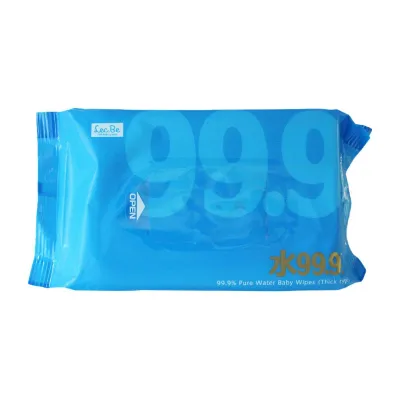
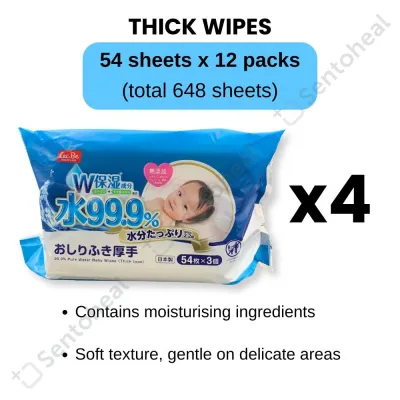
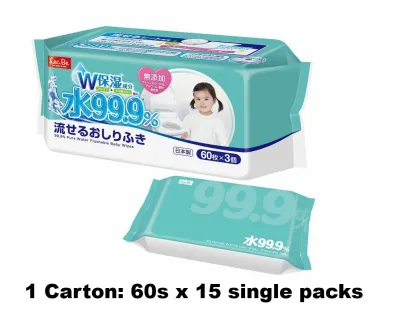
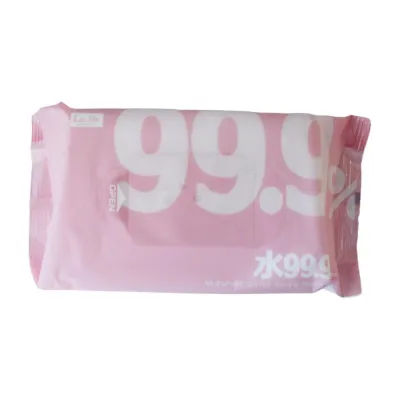
Prices are valid at publication and may change. Please refer to the product page for the latest price.
Additionally, be aware that formulations can vary depending on where the product was manufactured or imported. If you purchase wipes from online marketplaces or international distributors, the ingredient list on the physical package may differ from the product descriptions online. Always inspect the physical package in your hands to confirm the exact ingredients before using the wipes on your newborn.
Common Ingredients to Avoid for Newborn Skin
Newborn skin lacks the robust lipid barrier of adult skin, making it highly vulnerable to contact dermatitis and systemic absorption of topical chemicals. When reviewing the ingredient list on baby wipes, there are several categories of ingredients that pediatric dermatologists generally recommend avoiding.

First, avoid synthetic fragrances and essential oils. Even natural scents can contain volatile organic compounds that trigger allergic reactions, redness, and itching on sensitive skin. A truly safe wipe for a newborn should be completely fragrance-free, rather than “unscented,” as unscented products may still contain masking chemicals designed to neutralize the smell of other ingredients.
Second, pay close attention to the preservatives used in the formula. Because wet wipes are moist and frequently stored in warm diaper bags, they require preservatives to prevent the growth of harmful bacteria, mold, and yeast. However, some traditional preservatives are too harsh for infant skin. Parents should avoid wipes containing parabens (such as methylparaben or propylparaben), methylisothiazolinone (MI), methylchloroisothiazolinone (MCI), and formaldehyde-releasing preservatives. Instead, look for gentler food-grade preservatives like sodium benzoate, but remain vigilant for any signs of skin sensitivity.
Third, steer clear of drying alcohols. Simple alcohols like ethanol, isopropyl alcohol, and alcohol denat strip the skin of its natural moisture, leading to severe dryness, cracking, and a compromised skin barrier. These are entirely different from fatty alcohols, such as cetearyl alcohol, which act as emollients and are generally non-irritating, though they are less common in simple water-based wipes.
Finally, evaluate any surfactants or cleansing agents included in the wipes. Strong foaming agents and sulfates, such as sodium lauryl sulfate (SLS), are highly efficient at removing oils but are far too aggressive for a newborn. If a wipe contains surfactants to help clean up messy diapers, they should be extremely mild, non-ionic surfactants that do not disrupt the skin’s delicate pH balance.
Safe Usage Practices and Patch Testing
Even if a pack of wipes passes your initial ingredient inspection, you should never use a new product over a large area of your baby’s body without testing it first. Performing a simple, localized patch test is a highly effective, low-risk way to determine if your newborn’s skin will tolerate the formulation.
To perform a patch test, select a small, clean, and healthy area of skin on your baby’s inner arm or the side of their thigh. Gently swipe the wet wipe over this small area once, allowing the liquid to dry naturally without wiping or washing it off. Observe this specific spot over a 24-hour period. A normal reaction means the skin remains completely unchanged—smooth, clear, and free of discoloration. An abnormal reaction, which indicates sensitivity or an allergic response, includes localized redness, tiny raised bumps, dry or peeling patches, or signs of discomfort when the area is touched.
In addition to testing, practicing proper wiping techniques can significantly reduce the risk of skin irritation. Newborn skin is highly susceptible to friction-induced damage. Instead of rubbing or scrubbing the skin vigorously during diaper changes, use a gentle patting or light, sweeping motion. Excessive friction can create microscopic tears in the skin barrier, allowing moisture, bacteria, and mild chemical ingredients to penetrate deeper and cause painful diaper dermatitis.
Lastly, manage moisture carefully. Wet wipes naturally leave a thin layer of liquid on the skin. If you secure a fresh diaper immediately over wet skin, you trap that moisture in a warm, dark, and airtight environment, which is a primary cause of yeast infections and diaper rash. Always allow your baby’s skin to air-dry completely, or gently pat it dry with a clean, dry cotton cloth, before applying a barrier cream and putting on a fresh diaper.
Recognizing Irritation and When to Stop Use
Despite your best efforts, diaper rash and skin irritation can still occur. Distinguishing between standard diaper wetness irritation and a reaction to a specific wet wipe is key to keeping your baby comfortable. If a rash develops suddenly after introducing a new brand of wipes, or if the redness is concentrated precisely where the wipe made contact with the skin, the wipe is likely the cause of the irritation.
Common signs of wipe-related irritation include persistent redness, swelling, dry or peeling skin, raised red bumps, and increased fussiness or crying during diaper changes. If you observe any of these signs, stop using the wipes immediately. Gently rinse the affected area with plain, lukewarm water during diaper changes, using a squeeze bottle or a soft, water-soaked cotton pad to cleanse the skin without friction. Pat the area completely dry and apply a thick layer of a barrier cream containing zinc oxide to protect the compromised skin barrier.
While mild redness often resolves within a few days of stopping the product and applying barrier cream, certain symptoms require professional medical attention. You should consult a pediatrician or a pediatric dermatologist if the rash spreads beyond the diaper area, develops open sores, blisters, or pus-filled bumps, or if your baby develops a fever or shows signs of extreme discomfort.
It is also important to remember that marketing terms like “hypoallergenic” or “dermatologically tested” are not absolute guarantees of safety. These labels simply indicate that the product was formulated to minimize common allergens, but they cannot account for the unique sensitivities of every individual baby. Your personal observation and a cautious approach to new products remain the most reliable ways to protect your newborn’s delicate skin.
Frequently Asked Questions (FAQ)
Are LEC wet wipes safe for cleaning a newborn's face and hands?
Facial skin is significantly thinner, more sensitive, and more prone to dryness than the skin on a baby’s bottom. It is also constantly exposed to environmental factors like wind, cold, saliva, and milk residue. Before using any wipe on your baby’s face or hands, check the packaging carefully to ensure it is explicitly labeled for multi-purpose or face-and-hands use. Wipes formulated strictly for diaper changes may contain mild cleansing agents or pH adjusters that are safe for the diaper area but can cause stinging or irritation around the sensitive eyes and mouth. For routine facial cleaning, the safest approach is to use plain, lukewarm water paired with a soft, unbleached cotton pad or a clean, reusable washcloth.
What is the best alternative if my baby reacts to these wipes?
If your baby experiences a reaction to commercial wet wipes, the safest immediate alternative is to return to basics by using plain, lukewarm water and soft, disposable cotton balls or unbleached cotton pads. Reusable cloth wipes made from organic cotton or bamboo, dampened with plain water, are also excellent chemical-free options that eliminate exposure to synthetic preservatives and fragrances. When using water-based cleaning methods, always ensure you thoroughly dry the skin with a soft towel or allow it to air-dry completely, as residual moisture trapped in skin folds can lead to chafing and yeast infections. If your baby has had a clear allergic reaction, consult your pediatrician before switching to another commercial wipe brand, as they can help identify the specific ingredient or preservative that triggered the response.

Community discussion
Share your experience or ask a question. Comments are reviewed before publication.