
Whether a Kong car seat is legally compliant for use on Singapore’s roads depends entirely on the specific model’s certification status and whether it carries an approved international safety label. Singapore’s traffic laws are strict regarding child passenger safety, requiring all children under a certain height to be secured in an approved child restraint system. Because safety standards are updated periodically and different models within a brand’s lineup may target different regional markets, parents must physically inspect their car seat and verify its compliance before installation.
Using an unapproved car seat not only exposes you to legal penalties but also compromises your child’s safety in the event of a collision. While some brands are widely recognized, individual models imported from overseas or purchased through unauthorized online channels may not meet the specific standards accepted by local authorities. Therefore, understanding how to read safety labels and verify compliance is an essential skill for every parent in Singapore.
Understanding Singapore's Legal Requirements for Child Car Seats
Under the Road Traffic Act in Singapore, anyone under the height of 1.35 metres must be secured with an approved child restraint appropriate for their height and weight, or use a booster seat to ensure the vehicle’s seatbelt fits correctly. This law applies to all passengers traveling in private motor vehicles. While public buses are exempt, and taxis have certain practical exemptions, private hire vehicles are not exempt from this rule. This means that if you frequently use ride-hailing services with your child, having a compliant and portable car seat is a legal necessity.
Products mentioned in this guide
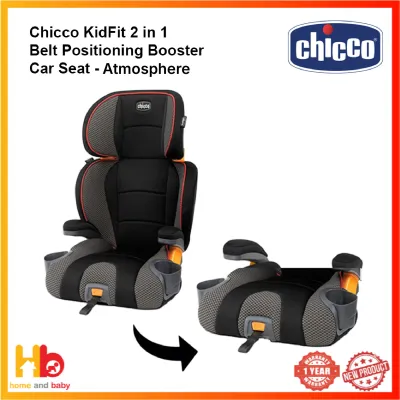
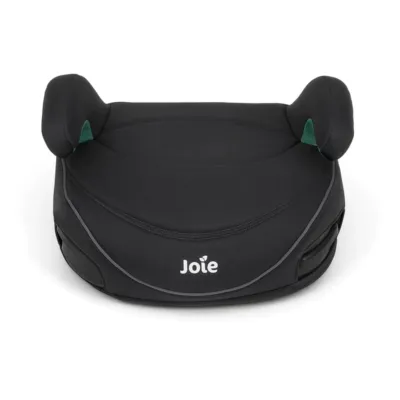
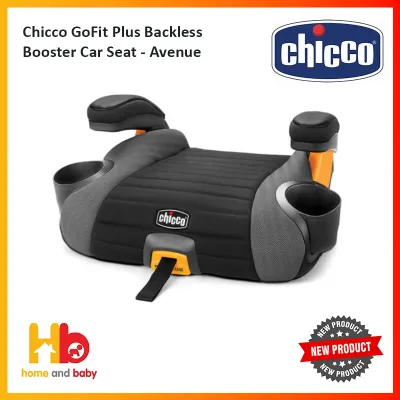
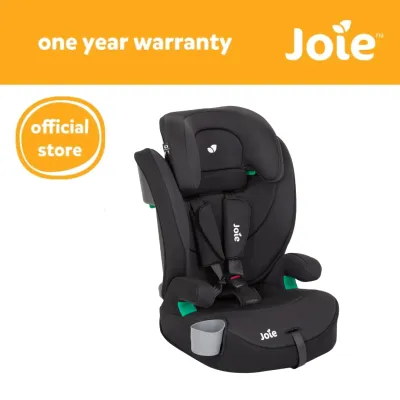
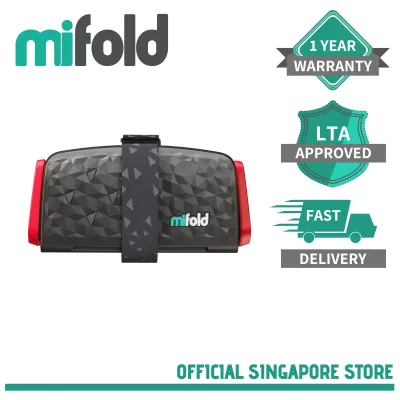
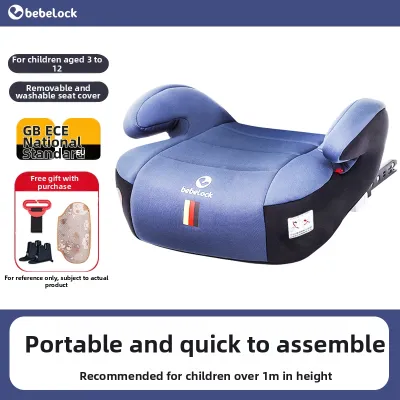
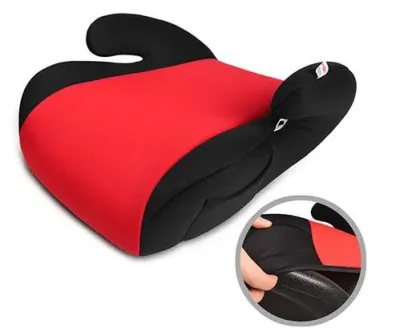
Prices are valid at publication and may change. Please refer to the product page for the latest price.
To be considered legally compliant, a child restraint system must meet specific international safety standards recognized by the Land Transport Authority and the Traffic Police. The most widely accepted standards include the United Nations regulations (UN ECE R44/04 and the newer, more stringent UN ECE R129, also known as i-Size). Other recognized standards include the American Federal Motor Vehicle Safety Standard (FMVSS 213), the British Standards (BS), the Australian/New Zealand Standard (AS/NZS 1754), and the Japanese Industrial Standards (JIS).
It is crucial to distinguish these recognized international standards from non-recognized regional certifications or proprietary brand claims. A manufacturer might advertise that their seat has undergone rigorous internal crash testing or meets local standards in another country, but without an official stamp from one of Singapore’s recognized testing authorities, the seat remains non-compliant. Using a non-compliant seat on public roads can result in enforcement action, and more importantly, means the seat’s performance in a crash has not been independently verified under local regulatory frameworks.
How to Verify if a Kong Car Seat Meets Local Standards
To confirm whether your specific Kong car seat model is legal for use in Singapore, you must perform a physical inspection of the seat itself. Do not rely solely on product listings on online marketplaces, as descriptions can sometimes be inaccurate, outdated, or refer to versions sold in other countries with different safety regulations.

First, locate the safety certification label on the car seat. This is typically an orange sticker or a hard plastic badge permanently affixed to the back, side, or underside of the seat shell. For European-approved seats, this label will display the ECE R44/04 or ECE R129 designation, along with an “E” mark inside a circle followed by a number. This number indicates the country where the seat was tested and certified. If this label is missing, damaged, or illegible, the seat cannot be verified as compliant.
Next, cross-reference the model name and the certification number found on the label with the official guidelines provided by Singapore’s traffic authorities. If the label indicates compliance with UN ECE R129, for example, you can be confident that the seat meets the current rigorous standards for side-impact protection and height-based classification. Ensure that the certification details match your specific model exactly, as manufacturers often produce multiple versions of the same seat for different global markets.
Finally, consult the product manual and official brand documentation. The manual should clearly state the height, weight, and age limits for which the seat is certified. Ensure that these specifications align with your child’s current physical development. If the manual or the physical label is missing, or if the information is written in a language you cannot verify, the seat should not be used on public roads. You should also check the manufacturer’s website for any specific compliance updates or regional advisories.
Key Safety Features to Check Beyond Basic Compliance
While legal compliance is the mandatory baseline, practical safety and vehicle compatibility are equally important for daily use. A legally compliant car seat cannot protect your child if it cannot be installed correctly in your specific vehicle. Therefore, parents must evaluate several practical factors beyond the safety label.
Begin by checking the installation system of the car seat. Many modern vehicles in Singapore are equipped with ISOFIX anchor points, which allow the seat to be clicked directly into the car’s chassis. If you plan to use an ISOFIX-compatible Kong car seat, verify that your vehicle has these anchors and that the seat’s support leg or top tether can be accommodated. If your vehicle lacks ISOFIX, or if you frequently travel in private hire cars, you must ensure the seat can be securely installed using a standard three-point seatbelt routing system.
Examine the harness system and structural design. A five-point harness is widely recommended for infants and toddlers as it distributes crash forces across the strongest parts of the body—the shoulders and hips—rather than the soft abdomen. Additionally, look for robust side-impact protection structures, such as energy-absorbing foam or specialized side pods, which help shield the child’s head and torso during a lateral collision. These features are especially important as side-impact collisions can cause severe injuries even at lower speeds.
Lastly, check the manufacturing date of the seat. Car seats have expiration dates—typically six to ten years from the date of manufacture—because the plastic shell and protective foam degrade over time, especially when exposed to Singapore’s high humidity and intense tropical heat. Avoid purchasing second-hand car seats unless you can verify their complete history, as invisible structural damage from a previous minor collision can severely compromise the seat’s integrity. Always check for any active product recalls on the manufacturer’s official website before using a pre-owned seat.
What to Do If Your Car Seat Lacks Recognized Certification
If you inspect your Kong car seat and find that it lacks a recognized safety certification label, you must take immediate steps to resolve the issue before using it on the road. Continuing to use an uncertified seat puts your child at risk and violates local traffic laws.
First, contact the retailer or the manufacturer’s official distributor directly. Request official compliance documentation, such as a certificate of conformity or test reports demonstrating that the specific model meets one of Singapore’s approved standards. Sometimes, labels may be located in less obvious places, or the distributor can provide the necessary verification documents that you can keep in your vehicle as proof of compliance.
If the retailer cannot provide proof of recognized certification, initiate a return or exchange. Many reputable baby gear stores and online marketplaces have return policies for items that do not meet local legal safety requirements. It is best to stop using the seat immediately and keep all packaging intact to facilitate a smooth return process. When shopping online, always purchase from authorized distributors or official brand stores to avoid counterfeit or non-compliant products.
For final clarification on whether a specific seat is permitted, you can consult local transport authorities or seek the assistance of a certified Child Passenger Safety Technician (CPST) in Singapore. These trained professionals can inspect your seat, verify its compliance, and guide you on proper installation techniques. If a seat cannot be verified, it is always safer to replace it with a certified model rather than risking your child’s safety.
Frequently Asked Questions (FAQ)
Are backless booster seats legally accepted for older children?
Yes, backless booster seats are legally accepted in Singapore for older children who have outgrown their forward-facing car seats but are still under the 1.35-metre height threshold. However, safety experts generally recommend high-back booster seats over backless models. High-back boosters provide crucial side-impact protection and help position the vehicle’s shoulder belt more securely across the child’s chest. Always check the manufacturer’s weight and height guidelines to ensure your child is physically ready to transition to a booster seat.
Can I use a car seat purchased overseas in Singapore?
You can use a car seat purchased overseas in Singapore, provided it carries a certification label from one of the internationally recognized standards approved by local authorities, such as UN ECE R44/04 or R129. If you are a tourist or a temporary visitor, the same safety standards apply to ensure your child’s protection. For permanent residents and long-term expats importing baby gear, it is essential to physically verify that the foreign-purchased seat complies with local regulations, as some regional standards from other countries may not be recognized in Singapore.
What are the general penalties for non-compliance?
Failing to secure a child under 1.35 metres in an approved child restraint system in Singapore can result in legal penalties for the driver. This includes composition fines, demerit points on your driving license, or potential prosecution in court for serious or repeat offenses. Beyond the legal and financial consequences, the primary risk of using an unapproved or non-compliant car seat is the severe threat to your child’s safety, as uncertified seats may fail to protect them during a sudden stop or collision.
Community discussion
Share your experience or ask a question. Comments are reviewed before publication.