
Quick Answer: Are They Safe for Newborns?
When welcoming a newborn, protecting their delicate skin is a top priority for parents. Many Johnson’s baby wipes are safe for newborns, but safety is highly dependent on the specific product variant you choose and your individual baby’s skin tolerance. Newborn skin is roughly 30% thinner than adult skin, making its outer barrier highly permeable and sensitive to external topicals. Because of this vulnerability, a formulation that works perfectly fine for a toddler might trigger contact irritation or allergic reactions in an infant.
Johnson’s offers multiple product lines, ranging from heavily fragranced standard wipes to ultra-sensitive, fragrance-free variants. Parents must carefully inspect the product label of the specific pack they intend to use, prioritizing formulas designed explicitly for sensitive or newborn skin. While baby wipes are generally formulated to be mild, “safety” is not a universal guarantee; it depends heavily on the specific product variant and your infant’s unique skin tolerance.
Decoding the Ingredient List: What to Look For
Understanding the ingredient list on a package of baby wipes allows you to make informed decisions rather than relying solely on front-of-pack marketing. While chemical names can seem intimidating, they generally fall into a few functional categories that serve to clean, preserve, and protect your baby’s skin.
Products mentioned in this guide
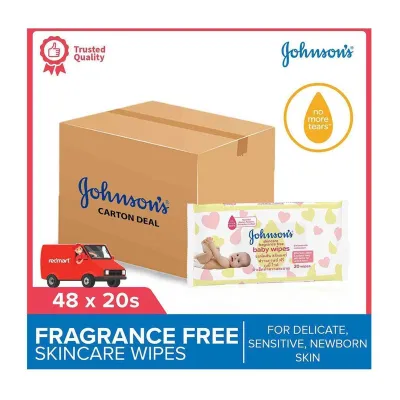
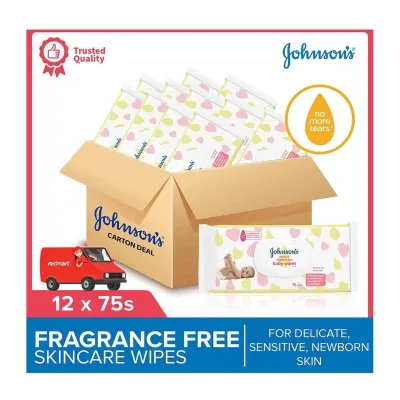
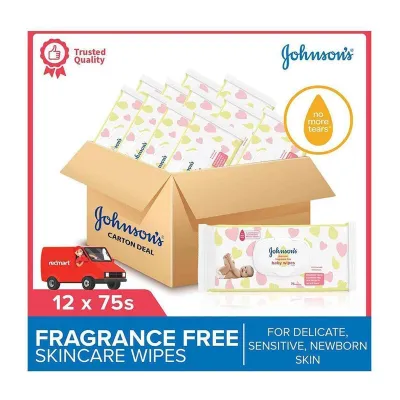
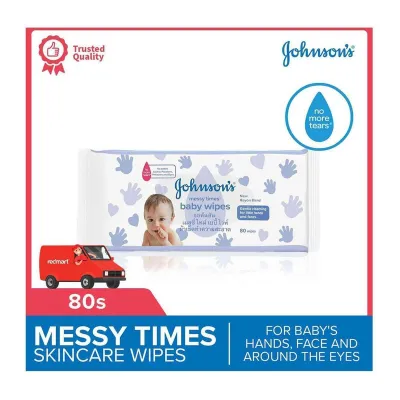
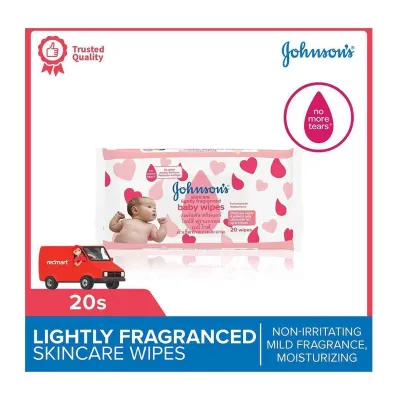
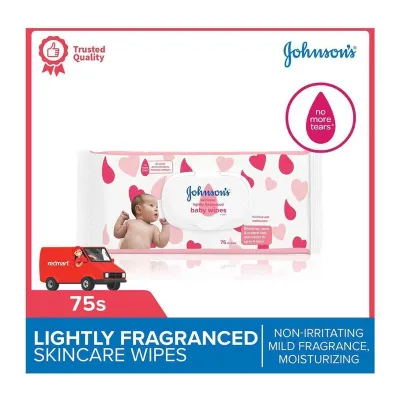
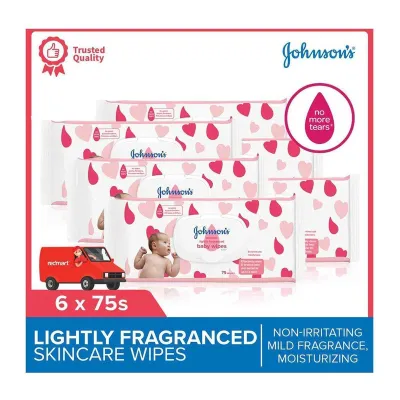
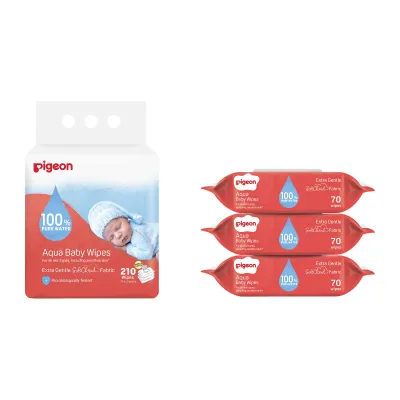
Prices are valid at publication and may change. Please refer to the product page for the latest price.

Water (Aqua) as the Primary Base
Water is the foundation of any wet wipe, typically making up over 95% of the total formulation. In high-quality baby wipes, this water undergoes rigorous purification processes to remove minerals, chlorine, and microbial impurities. For newborns, a higher water concentration is generally preferred because it minimizes the volume of active chemical ingredients left behind on the skin. While water alone cannot easily dissolve oil-soluble waste like fecal lipids, it provides the necessary moisture to glide the wipe smoothly and reduce friction.
Cleansing Agents and Surfactants
To effectively lift away urine and bowel movement residues, wipes require surfactants. These cleansing agents have a unique molecular structure that binds to both water and oil, allowing dirt to be lifted from the skin without aggressive rubbing. In baby wipes, manufacturers typically select ultra-mild, non-ionic surfactants such as coco-glucoside, decyl glucoside, or PEG-80 sorbitan laurate. These are far gentler than the harsh sulfates found in adult body washes, ensuring the wipe cleanses without stripping the natural lipids from your newborn’s fragile skin barrier.
Preservatives to Prevent Contamination
Because baby wipes are wet and stored in warm, humid environments—particularly common in Singapore’s tropical climate—they are highly susceptible to bacterial and fungal growth. Preservatives are non-negotiable safety components that prevent dangerous pathogens from multiplying inside the package. Common preservatives used in modern baby wipes include sodium benzoate, phenoxyethanol, and ethylhexylglycerin. While these ingredients are essential for hygiene, they can occasionally trigger contact sensitivity in highly reactive infants. If your baby has a diagnosed skin condition like eczema, you should verify which preservatives are used and consult a professional if irritation occurs.
Fragrances and Botanical Extracts
Fragrances are added to baby wipes to mask chemical odors or provide a pleasant scent during diaper changes. However, both synthetic perfumes and natural essential oils are among the most common culprits behind contact dermatitis in newborns. Terms like “parfum” or “fragrance” on a label indicate a proprietary blend of chemicals that may irritate developing skin. Even botanical extracts, such as chamomile or lavender, can harbor natural allergens. For a newborn, choosing fragrance-free variants is highly recommended to eliminate these unnecessary sensory additives.
Emollients and Soothing Agents
Many baby wipes are infused with skin-conditioning agents designed to soothe the skin and leave a protective barrier behind. Ingredients such as glycerin, aloe barbadensis leaf extract, tocopheryl acetate (vitamin E), and citric acid (used to balance the pH of the wipe to match the skin’s natural slightly acidic level) are common. While these emollients help maintain skin hydration, parents should remember that even natural soothing ingredients can cause localized reactions in rare cases. Always monitor how your baby’s skin responds to these additives.
Recognizing Skin Reactions and When to Stop
Even when using wipes formulated for sensitive skin, individual reactions can occur. Being able to quickly identify the signs of skin irritation allows you to adjust your care routine before a minor reaction escalates into a painful rash.
Visual and Tactile Signs of Irritation
Irritation typically presents as localized redness, a fine pink rash, dry or peeling patches, or small bumps in the diaper area. You might also notice your newborn showing signs of discomfort, such as crying or squirming, specifically when the wipe contacts their skin.
Differentiating Rashes
It is crucial to distinguish between standard diaper dermatitis and an allergic reaction to a wipe ingredient. Standard diaper rash is usually caused by prolonged exposure to wetness, friction, and the digestive enzymes present in stool; it typically concentrates in the skin folds. In contrast, contact allergy or irritation from a wipe often presents as a uniform, widespread redness across the entire area where the wipe was applied, sometimes sparing the deep skin folds where the wipe did not touch directly.
Immediate Action Plan
If you suspect the wipes are causing irritation, stop using them immediately. Cleanse the diaper area gently using plain, lukewarm water and soft cotton pads or a squeeze bottle. Pat the area dry with a clean towel—never rub—and allow your baby’s skin to air dry completely before putting on a new diaper. Applying a thick barrier cream containing zinc oxide can help protect the compromised skin while it heals.
Medical Boundary
If the rash does not show signs of improvement within two to three days of stopping wipe use, or if it spreads, develops blisters, starts weeping fluid, or is accompanied by a fever, consult a pediatrician or a pediatric dermatologist in Singapore. Do not attempt to self-diagnose or apply medicated steroid creams without professional medical guidance.
Best Practices for Wiping Newborn Skin Safely
Using baby wipes safely involves more than just selecting the right packet; it also requires proper application techniques and storage habits to protect your newborn’s skin barrier.
Patch Testing
Before incorporating a new pack of wipes into your daily routine, perform a simple patch test. Gently wipe a small, discreet area of your baby’s skin, such as the inner thigh or upper arm, with the wipe. Wait 24 hours to observe if any redness, swelling, or irritation develops. If the skin remains clear, the product is generally safe to use on other areas.
Gentle Technique
When performing diaper changes, avoid the temptation to scrub or wipe aggressively to remove stubborn residue. Aggressive friction can create micro-tears in the fragile epidermal layer, making it easier for bacteria and chemical irritants to penetrate. Instead, use a gentle patting or sweeping motion. If waste is stuck to the skin, hold a moist wipe over the area for a few seconds to soften it before gently lifting it away.
The Water Alternative
During the first two to four weeks of a newborn’s life, their skin is exceptionally delicate. Many pediatricians recommend using only plain lukewarm water and sterile cotton balls or soft, reusable bamboo cloths during this initial period. This practice minimizes chemical exposure while the skin barrier strengthens. You can easily transition to commercial baby wipes once your baby is slightly older or when traveling outside the home.
Proper Storage
To maintain the safety and efficacy of your baby wipes, store them in a cool, dry place away from direct sunlight. In hot climates like Singapore, leaving wipes in a hot car or near a sunny window can cause the water to evaporate, dry out the wipes, and potentially degrade the preservative system. Always ensure the plastic lid or adhesive seal is pressed firmly shut after every use to prevent airborne bacteria from contaminating the remaining wipes.
Evaluating Alternatives for Highly Sensitive Skin
If your newborn’s skin is highly reactive or prone to conditions like eczema, you may need to explore alternative diapering options that offer minimal ingredient profiles.
Label Reading for Sensitive Skin
When shopping for alternatives, look for products that carry explicit “fragrance-free” and “alcohol-free” labels. It is important to understand that “unscented” is not the same as “fragrance-free”; unscented products may contain masking fragrances to hide chemical smells. “Alcohol-free” typically refers to the absence of drying isopropyl or ethyl alcohol, though safe fatty alcohols (like cetearyl alcohol) may still be included as skin conditioners.
Water Wipes
Another popular category is water-based wipes, which typically consist of 99% or more purified water combined with a tiny fraction of a mild preservative or skin conditioner (such as fruit extract). These wipes provide the convenience of a disposable wipe while closely mimicking the gentleness of plain water. However, even with minimalist formulas, you should still check the remaining 1% of ingredients to ensure your infant does not have a specific sensitivity to the preservative used.
Understanding Certifications
Rather than relying on vague marketing claims like “hypoallergenic” or “natural,” look for recognized third-party certifications on the packaging. Organizations such as the National Eczema Association (NEA) or independent dermatological testing institutes evaluate products based on strict ingredient safety criteria. Checking for these seals provides an extra layer of reassurance that the wipes have undergone rigorous clinical testing for skin compatibility.
Frequently Asked Questions (FAQ)
Can I use these wipes on my newborn's face and hands?
While many baby wipes are marketed as safe for multi-purpose use, the skin on your newborn’s face—especially around the eyes and mouth—is significantly thinner and more sensitive than the skin on their bottom. Diaper wipes often contain surfactants and preservatives designed for thicker skin or more stubborn waste, which can cause stinging or contact irritation if applied to the face. To clean your baby’s hands and face, it is safer to use a clean, soft washcloth dampened with plain water, or wipes specifically formulated and labeled for facial use.
Is it safe to use baby wipes after the expiration date?
It is not recommended to use baby wipes past their expiration date or their period-after-opening (PAO) symbol guidelines. Over time, the preservative system in the wipes degrades, losing its ability to inhibit the growth of harmful bacteria, mold, and yeast. Using expired wipes can introduce these pathogens directly onto your baby’s delicate skin, increasing the risk of infection or severe irritation. Additionally, expired wipes often dry out, making them rougher on the skin and less effective at cleansing. If a pack of wipes has passed its expiration date, has changed in smell or color, or has dried out, it should be discarded.
Community discussion
Share your experience or ask a question. Comments are reviewed before publication.