
When shopping for baby care essentials in Singapore, safety is always your top priority. If you are standing in the baby care aisle of a local supermarket or browsing an online marketplace, you might find yourself looking at a bottle of Johnson’s baby bath and wondering: Is this product HSA-certified? It is a common question among parents who want to ensure that the formulas they apply to their baby’s delicate skin have undergone rigorous official scrutiny.
To answer this directly: standard Johnson & Johnson baby bathing products do not carry an official “HSA certification” or “pre-market approval” because of how these products are classified under Singapore law. In Singapore, standard baby washes, shampoos, and bubble baths are regulated as cosmetic products by the Health Sciences Authority (HSA). Under local regulations, cosmetic products do not undergo a pre-market evaluation or certification process by the authority. Instead, they operate under a notification system, meaning the local importer or distributor must notify the HSA before placing the products on the market.
Understanding this regulatory distinction is essential for every parent. It helps you shift your focus from searching for a non-existent “HSA certified” stamp to verifying legitimate compliance, proper sourcing, and safe usage practices tailored to your baby’s specific skin needs.
Products mentioned in this guide
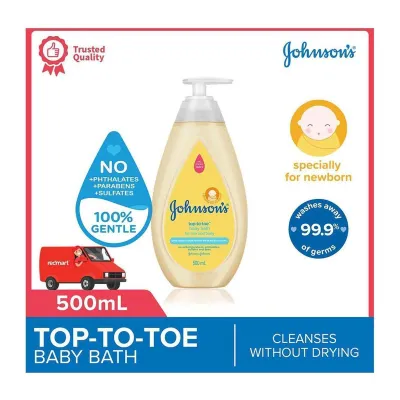
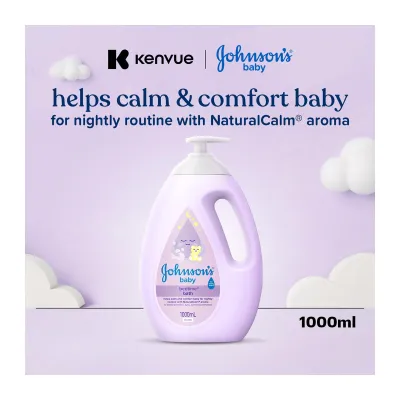
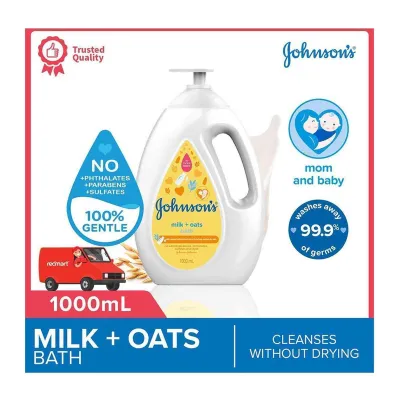
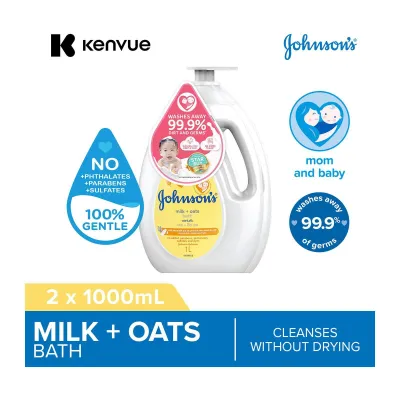
Prices are valid at publication and may change. Please refer to the product page for the latest price.
How HSA Regulates Johnson & Johnson and Other Baby Bathing Products in Singapore
To navigate the baby care market safely, you must understand how the Health Sciences Authority (HSA) oversees different categories of personal care items. The HSA classifies products based on their intended use, ingredients, and the claims made by the manufacturer. This classification dictates whether a product requires formal registration or a simpler notification process before it can be legally sold to consumers in Singapore.
Standard baby bathing products—including popular washes, shampoos, and bedtime baths from brands like Johnson & Johnson—fall under the category of cosmetic products. According to the HSA, a cosmetic product is any substance or preparation intended to be placed in contact with the external parts of the human body (such as the epidermis, hair system, nails, lips, and external genital organs) with the primary view of cleaning them, perfuming them, changing their appearance, or keeping them in good condition. Because standard baby washes are designed for cleansing and routine hygiene, they do not require pre-market approval, evaluation, or certification from the HSA.
Instead of a certification process, Singapore aligns its cosmetics regulations with the ASEAN Cosmetic Directive (ACD). Under this framework, local companies—whether they are manufacturers, distributors, or importers—must submit a Cosmetic Product Notification (CPN) to the HSA before they can import or sell any cosmetic product in Singapore. This notification is not an endorsement of safety or efficacy by the HSA. Rather, it is a formal declaration by the local company that the product complies with all the safety standards, ingredient restrictions, and labeling guidelines set out in the ACD. The company placing the product on the market bears full legal responsibility for its safety and quality.
This system changes significantly if a baby wash makes therapeutic claims. If a product is formulated to treat, cure, or alleviate a medical condition—such as moderate-to-severe eczema, fungal infections, or active skin dermatitis—it is no longer classified as a standard cosmetic. Instead, the HSA categorizes it as a therapeutic product or a medicinal product. These items must undergo a rigorous pre-market evaluation by HSA officers to assess their safety, quality, and efficacy. If approved, they are granted a formal registration number (typically displayed on the packaging as a “SIN” number, such as SIN12345P). If you are using a standard daily wash from Johnson & Johnson, you will not find such a registration number because it is a cosmetic product, not a therapeutic one.
How to Verify Product Compliance and Authenticity
Because cosmetic products do not display an official HSA approval stamp, parents must know how to verify that the baby washes they purchase are compliant with local laws and are safe, authentic items. This is particularly important in Singapore’s diverse retail landscape, where parallel imports and online marketplaces are highly accessible.

The first and most reliable step in verifying a product’s compliance is to inspect the packaging for mandatory labeling requirements. Under the ASEAN Cosmetic Directive, every notified cosmetic product sold in Singapore must display specific information in English on its outer packaging or container. You should look for:
- The Local Importer or Distributor Details: The label must clearly state the name and address of the company in Singapore responsible for importing or distributing the product. This company is the legal entity that submitted the notification to the HSA and is accountable for the product's safety.
- The Full Ingredient List: Ingredients must be listed using their standard international names (the International Nomenclature of Cosmetic Ingredients, or INCI format). This allows you to check for any specific substances your baby might be sensitive to.
- Batch Number and Expiry Date: A clear batch reference or manufacturing date must be visible, which is crucial for traceability in the event of a product recall.
- Country of Manufacture: The label must state where the product was made.
If you come across a baby wash that claims to treat a specific medical condition, you should look for a formal HSA registration number. You can verify the validity of this number by visiting the HSA’s official online database (the Infosearch portal). By entering the registration number or the product’s name, you can confirm whether the product is legitimately registered as a therapeutic item in Singapore.
To minimize the risk of purchasing counterfeit, expired, or non-compliant baby products, pay close attention to where you shop. Purchasing your baby bathing products from established, reputable retailers—such as major local supermarkets, registered pharmacies, or the official online flagship stores of the brand—significantly reduces these risks. These established businesses have direct supply chains and strict quality control measures to ensure that the products they stock have been properly notified to the HSA. Conversely, buying from unverified third-party sellers on e-commerce platforms or informal marketplaces increases the risk of acquiring parallel imports that may not be formulated for the local market, or worse, counterfeit goods stored in sub-optimal conditions.
What Regulatory Oversight Means for Your Baby's Safety
While the HSA does not pre-approve or certify standard baby washes, the regulatory framework in place provides robust safeguards to protect infants from harmful ingredients and unsafe formulations. This oversight operates through a combination of strict ingredient standards, mandatory labeling guidelines, and active post-market surveillance.
The ASEAN Cosmetic Directive, which Singapore enforces, maintains a comprehensive list of prohibited and restricted substances. Prohibited substances are chemicals that are completely banned from cosmetic formulations due to known health risks. This includes heavy metals like lead, mercury, and arsenic, as well as specific industrial chemicals and certain phthalates. Restricted substances are ingredients that are permitted only up to specific concentrations or under strict conditions. For example, certain preservatives, colorants, and fragrance allergens are tightly controlled to minimize the risk of skin irritation or systemic toxicity in vulnerable populations like infants.
In addition to ingredient restrictions, the HSA requires clear warnings on products containing ingredients that may not be suitable for very young children. For instance, certain formulations that are safe for older children or adults must carry labels indicating they are not to be used on infants under a certain age.
A cornerstone of Singapore’s regulatory approach to cosmetics is its active post-market surveillance system. The HSA continuously monitors the market to ensure ongoing compliance and safety. This involves routine product sampling, where HSA officers regularly collect cosmetic products from retail shelves and online platforms to test them in laboratories for contamination, undeclared harmful substances, or excessive levels of restricted ingredients. Furthermore, healthcare professionals, including pediatricians and dermatologists in Singapore, are required to report any unusual or severe adverse skin reactions linked to cosmetic products to the HSA. If a product is found to be contaminated with harmful bacteria or contains banned ingredients, the HSA immediately issues public safety alerts, orders the local importer to recall the affected batches from the market, and suspends further sales.
However, it is crucial for parents to understand that regulatory compliance does not equate to a guarantee of absolute safety for every individual child. A baby wash can be fully compliant with all HSA regulations and contain only approved ingredients, yet still trigger an allergic reaction or localized skin irritation in a specific baby. Infant skin is uniquely delicate; it is up to thirty percent thinner than adult skin, loses moisture more rapidly, and has a developing skin barrier. In Singapore’s climate—where babies frequently transition between hot, humid outdoor environments and dry, air-conditioned indoor spaces—the skin barrier can become easily compromised. Therefore, a product being legally compliant simply means it meets structural and chemical safety baselines, but individual compatibility must still be assessed by the caregiver.
Safe Usage Practices and When to Stop Using a Product
Because every baby’s skin is unique, introducing any new bathing product—even a widely trusted, compliant brand like Johnson & Johnson—should be done with care. Always check the applied product’s label and the treated item’s manufacturer instructions before use. Implementing safe usage practices helps you identify potential sensitivities early and manage them effectively without compromising your baby’s comfort.
Before using a new baby wash, shampoo, or lotion over your baby’s entire body, it is highly recommended to perform a simple patch test. This low-risk step allows you to observe how your baby’s skin responds to the formulation in a localized area.
- Select a Small Area: Choose a discreet, clean patch of skin, such as the inside of your baby's upper arm or behind the ear.
- Apply a Tiny Amount: Apply a very small dab of the product to this area. If it is a wash or shampoo, leave it on for a minute or two, then rinse it off gently with lukewarm water, mimicking a normal bath. If it is a leave-on product like a lotion, leave it on the skin.
- Monitor the Area: Observe the spot over the next 24 to 48 hours. Look closely for any signs of skin changes or discomfort.
- Repeat if Necessary: To ensure accuracy, you can repeat this process once daily for three consecutive days. If no reaction occurs, the product is generally considered suitable for broader use on your baby.
As a caregiver, you should remain vigilant for observable signs of skin irritation or allergic contact dermatitis during and after baths. These signs can vary depending on the severity of the sensitivity but typically include localized redness or inflammation on the skin, excessive dryness, flaking, rough patches, raised red bumps, hives, signs of itchiness (such as the baby rubbing or scratching the area), or unusual fussiness and crying during or immediately after bath time.
If you observe any of these signs, you should take immediate, low-risk steps to soothe your baby’s skin. First, stop using the product immediately. Gently rinse the affected skin with plain, lukewarm water to ensure all traces of the wash are completely removed. Do not scrub or rub the skin with a washcloth, as physical friction can worsen the inflammation. Avoid applying other baby skincare products, heavily fragranced lotions, or home remedies to the irritated area, as these can introduce new irritants and complicate the recovery process. Keep the skin clean, dry, and cool.
While minor skin irritation often resolves quickly once the offending product is removed, there are specific situations where home care is insufficient. You should stop home management and consult a qualified professional, such as a pediatrician or a pediatric dermatologist, if you observe any of the following:
- The rash or redness spreads rapidly to other parts of the body.
- The skin develops blisters, cracks, or raw areas.
- There are signs of a secondary bacterial infection, such as weeping skin, yellow crusting, or oozing fluid.
- Your baby develops a fever or appears unusually lethargic.
- The skin irritation does not show signs of improvement after two to three days of stopping the product.
- Your baby is in significant pain, distress, or is unable to sleep due to severe itching.
Always prioritize professional medical advice if you are unsure about the severity of a skin reaction. A pediatrician can help diagnose the exact cause of the irritation and recommend safe, targeted treatments to restore your baby’s skin health.
Frequently Asked Questions (FAQ)
Do all baby washes need HSA approval before being sold?
No, standard baby washes do not require pre-market approval or evaluation from the HSA before they can be sold in Singapore. Because standard baby washes, shampoos, and bubble baths are classified as cosmetic products under local regulations, they are governed by a notification system rather than an approval system. The local importer or distributor must submit a Cosmetic Product Notification to the HSA before placing the product on the market. This notification serves as a declaration that the product complies with the safety and ingredient standards of the ASEAN Cosmetic Directive. Only medicated washes that make therapeutic claims—such as treating eczema or fungal infections—are classified as therapeutic products and must undergo formal pre-market evaluation and registration to receive an HSA registration number.
Can I use adult body wash on my baby if it is legally sold in Singapore?
It is highly recommended to avoid using adult body washes on infants, even if those products are fully compliant with HSA regulations and legally sold in Singapore. Adult skin is significantly thicker, less permeable, and has a fully developed, acidic protective barrier. Consequently, adult body washes are often formulated with stronger surfactants (such as sodium lauryl sulfate) to remove oil and dirt, higher concentrations of complex fragrances, and different preservative systems. When applied to a baby’s thin, delicate skin, these ingredients can easily strip away natural lipids, disrupt the fragile skin barrier, and cause severe dryness or irritation. This risk is further elevated in Singapore’s climate, where air-conditioned environments can dry out a baby’s skin, making it crucial to stick to mild, soap-free formulations specifically designed and tested for infants.
Community discussion
Share your experience or ask a question. Comments are reviewed before publication.