
Evaluating the safety of Infanity baby wipes requires a close look at the specific formulation printed on the packaging. Because newborn skin is delicate and highly permeable, parents must verify ingredients, check for potential allergens, and observe how their baby’s skin reacts. There is no single baby wipe that is universally guaranteed to be safe for every infant, making it essential to understand what goes onto your baby’s skin during diaper changes.
To make an informed purchase decision, caregivers should learn how to decode ingredient lists, identify common soothing agents, and recognize potential irritants. By taking a systematic approach to product selection, you can protect your newborn’s developing skin barrier while maintaining a clean diapering routine.
Why Newborn Skin Needs Specific Wipe Ingredients
A newborn baby’s skin is vastly different from that of an older child or an adult. During the first few months of life, the outer layer of the skin, known as the stratum corneum, is still developing. This makes the skin barrier thinner, more delicate, and significantly more permeable to topical substances. Consequently, chemicals that might be harmless to an adult can easily penetrate a newborn’s skin, leading to irritation or dryness.
Products mentioned in this guide
![[Authorised Distributor] INFANITY Premium Baby Wet Wipes 16 packs x 70 Sheets / 99.9% Pure Water/ One Touch Lid/ Thicker & Softer/ Made in SG](https://img.lazcdn.com/g/p/f559374aa42edbb8fe2783b0848e94ee.jpg_400x400q80.jpg_.webp)
![[Authorised Distributor] INFANITY Baby Wipes 80 sheets x 16 packs Made in Singapore](https://img.lazcdn.com/g/p/82d1455396ae3cadfa2043cd9578abfe.jpg_400x400q80.jpg_.webp)
![[Authorised Distributor] INFANITY Essential Baby Wipes (Travel Size) 30 sheets x 24 packs](https://img.lazcdn.com/g/p/f774646c37c44212794740316d9926d9.jpg_400x400q80.jpg_.webp)

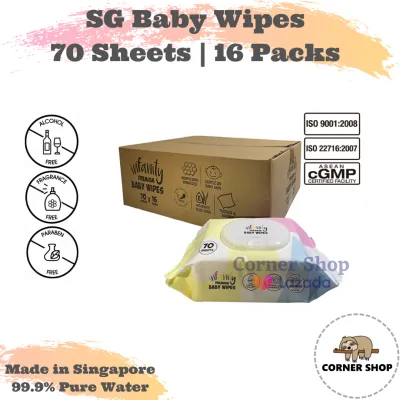
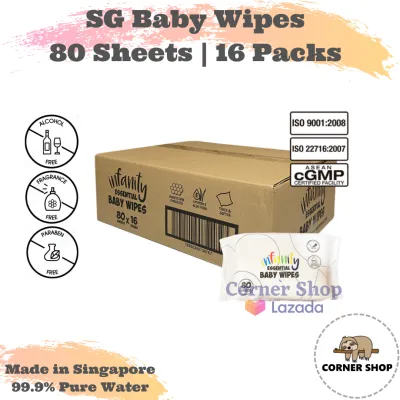
Prices are valid at publication and may change. Please refer to the product page for the latest price.
Standard wipes designed for older children or adults often contain stronger cleansing agents, synthetic fragrances, and robust preservative systems. These ingredients can easily disrupt the natural pH balance and microbiome of a newborn’s skin. A disrupted skin barrier is highly susceptible to diaper dermatitis, painful rashes, and secondary infections.
Choosing wipes specifically formulated, tested, or labeled for newborn use is a critical step in early infant care. These formulations typically prioritize high water content and minimal, ultra-mild additives. By selecting products designed specifically for this vulnerable developmental stage, you minimize the risk of stripping away the natural lipids that protect your baby’s skin.
How to Read and Verify the Infanity Ingredient List
When evaluating Infanity baby wipes, the most reliable source of information is the physical packaging of the specific pack you intend to purchase. Formulations can change over time due to manufacturing updates or regional sourcing shifts. Therefore, online product descriptions may not always reflect the exact ingredients of the pack in your hand. Always locate the full ingredient list, usually printed on the back or bottom of the wipe dispenser.

Ingredients on cosmetic and personal care products are listed in descending order of concentration. This means the first three to five ingredients make up the vast majority of the liquid formula. When reviewing the list, pay closest attention to these top ingredients, as they will have the greatest impact on your baby’s skin. The remaining ingredients, listed toward the end, typically consist of preservatives, pH adjusters, and skin conditioners present in very small amounts.
Look for specific labeling claims that indicate suitability for sensitive skin, such as “dermatologically tested,” “hypoallergenic,” or “pediatrician approved.” However, treat these claims as helpful indicators rather than absolute guarantees of safety. You must still verify the actual ingredient list to ensure it aligns with your baby’s specific skin needs.
Additionally, always inspect the packaging for manufacturing dates, batch codes, and expiry dates before use. Ensure the plastic seal or flip-top lid is completely intact and airtight. A compromised seal can allow the wipes to dry out or become a breeding ground for bacteria, rendering them unsafe for use on a newborn.
Evaluating Common Wipe Ingredients for Newborns
Understanding the role of common ingredients in baby wipes allows you to make an objective assessment of any brand, including Infanity. Most baby wipes consist of a non-woven fabric sheet saturated with a liquid solution containing water, mild cleansers, conditioners, and preservatives.
Safe Base Ingredients and Soothing Agents
The primary ingredient in any high-quality newborn wipe should be purified water, often listed as Aqua. Ideally, water should make up 99% or more of the liquid formulation. Water provides the necessary moisture to gently dissolve and wipe away urine and stool without leaving a sticky residue or altering the skin’s natural moisture levels.
To assist with cleaning, gentle formulations may include mild, plant-derived surfactants or emulsifiers. These ingredients help lift oily residues from the skin surface without stripping the lipid barrier. Look for gentle, non-ionic surfactants that are widely accepted in infant care for their low irritation potential.
Many baby wipes also incorporate natural soothing extracts, such as aloe vera or chamomile. These botanical ingredients can help calm minor skin redness and provide light hydration. However, because botanical extracts can occasionally trigger individual allergic reactions, caregivers should ensure these ingredients are highly refined and formulated specifically for infant use.
Potential Irritants to Scrutinize on the Label
When reviewing the ingredient list on Infanity baby wipes, there are several chemical categories you should actively scrutinize. Harsh preservatives, such as parabens, methylisothiazolinone (MIT), and methylchloroisothiazolinone (CMIT), should be avoided entirely. These chemicals are known sensitizers that can cause severe contact dermatitis on delicate newborn skin.
Synthetic fragrances and essential oils are another major source of skin irritation and allergic sensitization. Even if a package is labeled “unscented,” you must check the ingredient list to ensure no masking fragrances are included to hide the chemical smell of the raw ingredients. True “fragrance-free” wipes should contain absolutely no added perfumes, natural or synthetic.
Drying alcohols, such as ethanol, denatured alcohol, or isopropyl alcohol, must also be avoided, as they strip the skin of its natural oils and cause severe dryness. Similarly, strong anionic surfactants like Sodium Lauryl Sulfate (SLS) are too harsh for newborns and can compromise the skin barrier. Instead, look for formulations that utilize mild, food-grade preservatives and gentle conditioning agents to keep the wipes safe and stable.
Safe Usage Practices and When to Stop Using the Wipes
Even if the ingredient list on your Infanity baby wipes appears exceptionally clean, it is always wise to practice caution when introducing a new product to a newborn. Before using the wipes extensively during diaper changes, perform a simple patch test. Wipe a small, discreet area of your baby’s arm or leg with a single wipe and wait 24 hours to monitor for any signs of redness, swelling, or irritation.
For the first few weeks of life, or if your baby was born prematurely, has highly sensitive skin, or shows signs of infant eczema, you may want to bypass commercial wipes entirely. During this highly sensitive period, many pediatricians recommend using plain, lukewarm water and soft, disposable cotton balls or dry cotton wipes. This traditional method ensures zero exposure to preservatives or synthetic additives while the skin barrier strengthens.
When using baby wipes, always monitor your infant’s skin for observable signs of irritation. These include persistent redness in the diaper area, dry or peeling skin, small red bumps, or signs of discomfort and fussiness during diaper changes. Keep in mind that diaper rash can also be caused by prolonged exposure to wetness, friction, or dietary changes, so a holistic approach to diaper hygiene is essential.
If you observe any adverse skin reactions, stop using the wipes immediately and discard the open package. Clean the area gently with plain water and pat it completely dry with a soft towel. If the rash persists, worsens, or causes your baby significant discomfort, consult a pediatrician or qualified healthcare professional for a proper diagnosis and treatment plan.
Frequently Asked Questions (FAQ)
Can I Use These Wipes on My Newborn's Face and Hands?
While many baby wipes are marketed as multi-purpose products suitable for the entire body, the face and hands require extra care. The skin around a newborn’s eyes and mouth is exceptionally thin and highly sensitive. Additionally, babies frequently put their hands in their mouths, meaning any chemical residue left on their fingers could be ingested.
Before using Infanity baby wipes on your baby’s face or hands, check the packaging for explicit manufacturer clearance for facial use. If the label does not explicitly state that the wipes are safe for the face and eyes, avoid using them in these areas. For facial cleaning, it is generally safest to use a clean, soft washcloth dampened with plain, lukewarm water to prevent accidental eye irritation or ingestion of cosmetic ingredients.
What to Do If a Rash Appears After Using the Wipes
If your newborn develops a rash after you begin using a new pack of wipes, the first step is to discontinue use immediately. Even if the wipes are labeled hypoallergenic, your baby may have an individual sensitivity to one of the ingredients. Discarding or setting aside the open package is a safe precaution, especially if you suspect the wipes may have become contaminated.
Gently clean the irritated diaper area using only lukewarm water and a soft cloth or cotton wool, avoiding any rubbing or scrubbing. Allow the skin to air-dry completely before putting on a fresh diaper, as moisture trapped inside the diaper can worsen irritation. Consult a pediatrician or qualified healthcare professional to determine the exact cause of the rash and to receive safe, professional guidance on whether to apply a specific barrier cream or ointment.

Community discussion
Share your experience or ask a question. Comments are reviewed before publication.