
When welcoming a new baby home, choosing the right diapering products is one of the first decisions parents face. While Huggies wipes are a popular choice globally, determining whether they are safe for your newborn requires a closer look at their specific ingredients and your baby’s unique skin needs.
Quick Answer: Are Huggies Wipes Safe for Your Newborn?
Huggies wipes can be safe for newborns, but safety is not a universal guarantee; it depends entirely on the specific product variant you choose and your baby’s unique skin tolerance. Because formulations vary across different product lines and geographic regions, parents must verify the ingredient list on the exact packaging before purchasing. For premature infants or newborns with diagnosed skin conditions, always consult a pediatrician or dermatologist before introducing any commercial wipe.
Understanding Newborn Skin and Wipe Formulations
Newborn skin is structurally different from adult skin, making it highly vulnerable to external irritants. The outer layer of a newborn’s skin is significantly thinner, which results in a less developed moisture barrier and a much higher rate of absorption. Consequently, substances applied to a baby’s skin can penetrate more deeply and rapidly, increasing the risk of irritation, dryness, or allergic contact dermatitis.
Products mentioned in this guide
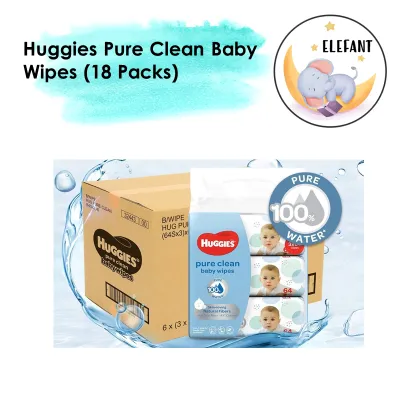
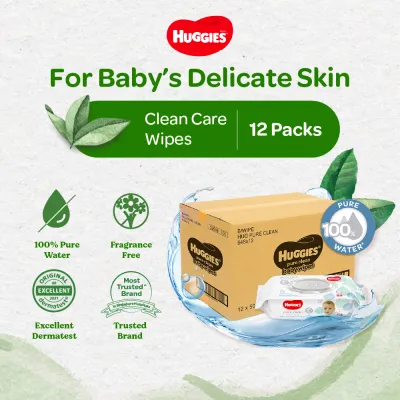

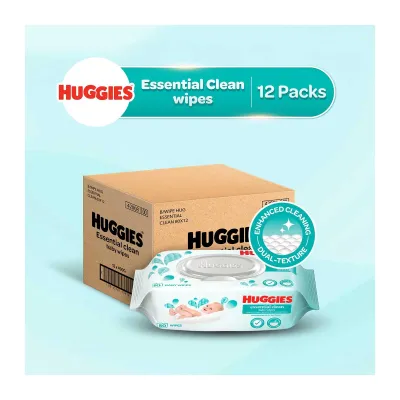
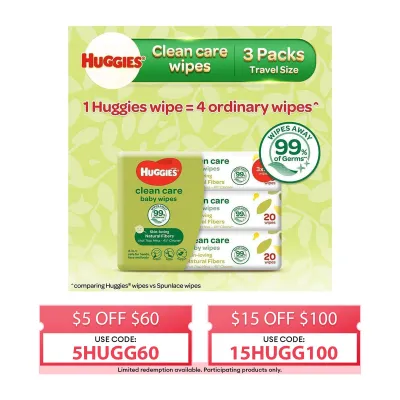
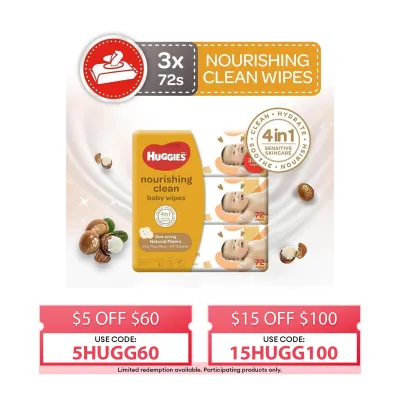
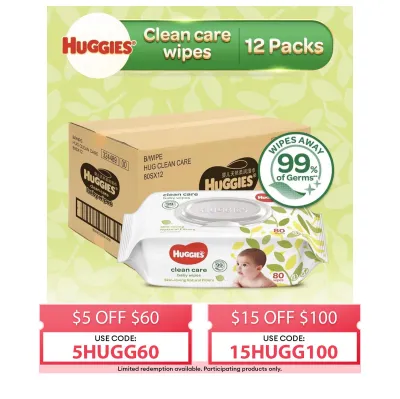
Prices are valid at publication and may change. Please refer to the product page for the latest price.

Commercial wet wipes rely on several chemical categories to remain functional and shelf-stable. Preservatives are necessary to prevent the growth of harmful bacteria and mold in a moist environment, while surfactants act as mild cleansing agents to lift soil from the skin. Additionally, pH adjusters are included to keep the wipe’s formulation close to the natural, slightly acidic pH of healthy skin. While these components serve essential purposes, they can sometimes disrupt a newborn’s delicate skin barrier if the formulation is too harsh.
When shopping for baby supplies in Singapore, parents frequently encounter marketing claims such as “hypoallergenic,” “gentle,” or “dermatologically tested” on product packaging. It is vital to understand that these terms are not standardized or universally regulated. They do not guarantee that a product will be completely reaction-free for your specific child. True safety verification requires looking past the front-of-pack marketing claims and carefully examining the actual ingredient list printed on the back.
How to Read Huggies Wipes Labels for Ingredient Safety
Reading the back label of a Huggies wipes package is the most reliable way to assess its suitability for a newborn. The ingredient list is typically organized by concentration, with the highest-volume ingredients listed first. In most wet wipes, water (often listed as aqua) makes up the vast majority of the formulation, followed by cleansing agents, skin-conditioning additives, and preservatives.
When evaluating a specific pack of Huggies wipes, parents should look for the following key ingredient categories:
- Cleansing Agents (Surfactants): Look for mild, plant-derived surfactants such as coco-glucoside or decyl glucoside, which clean without stripping natural oils.
- Preservatives: Essential for preventing microbial growth, common preservatives include sodium benzoate, phenoxyethanol, or citric acid. Parents should verify which specific preservative is used, as some infants may be sensitive to certain compounds.
- Soothing Additives: Ingredients like aloe barbadensis leaf extract, tocopheryl acetate (Vitamin E), or glycerin are often added to help moisturize and soothe the skin barrier.
To minimize the risk of contact dermatitis in newborns, many pediatricians and dermatologists recommend avoiding specific classes of ingredients. Parents should actively check labels for:
- Added Fragrances: Synthetic perfumes or even natural essential oils can trigger allergic reactions on sensitive newborn skin. Look for "fragrance-free" rather than "unscented," as unscented products may still contain masking fragrances.
- Alcohols: Avoid drying alcohols such as ethanol, isopropyl alcohol, or alcohol denat. Note that fatty alcohols like cetearyl alcohol or lanolin alcohol are different and act as emollients, but some sensitive skin types may still react to them.
- Harsh Preservatives: Avoid parabens, methylisothiazolinone (MIT), and formaldehyde-releasing preservatives, which have higher rates of skin sensitization.
To perform a thorough check, locate the full ingredient list, which is usually printed on the back or bottom of the plastic packaging. Additionally, look for the batch code (a series of letters and numbers stamped on the pack) and the manufacturer’s contact details. Having this information on hand allows you to contact the brand directly if you need to verify formulation changes or report an adverse reaction.
Recognizing Skin Irritation and When to Stop Use
Even when using wipes formulated for sensitive skin, a newborn’s skin can still react unexpectedly. Parents must actively monitor the diaper area for any signs of irritation or discomfort. Visual indicators of a reaction include localized redness, dry or rough patches, peeling skin, or small raised bumps. Behavioral signs are equally important; if your baby becomes unusually fussy, cries, or flinches during diaper changes, it may indicate that the wipe is causing a burning or stinging sensation.
If you suspect that a wipe is causing irritation, implement an immediate action plan to allow the skin barrier to heal:
- Discontinue Use: Stop using the commercial wet wipes immediately. Do not attempt to finish the pack or switch to another scented variant.
- Switch to Plain Water: Cleanse the diaper area using only plain, lukewarm water and soft, single-use cotton pads or a clean, soft washcloth.
- Pat Dry: Avoid rubbing the skin. Gently pat the area completely dry with a clean towel before putting on a fresh diaper.
- Monitor Recovery: Keep a close eye on the irritated area over the next 24 to 48 hours to see if the redness subsides with the removal of the wipes.
While mild diaper redness often resolves quickly with gentle care, certain symptoms require professional medical evaluation. You must consult a pediatrician or dermatologist immediately if you observe:
- Broken or Bleeding Skin: Any open sores, cracks, or bleeding in the diaper region.
- Spreading Rashes: A rash that spreads beyond the diaper area or does not improve after a few days of using plain water.
- Blistering or Pustules: The appearance of fluid-filled blisters, pimples, or yellow crusting.
- Signs of Infection: Extreme redness, swelling, warmth to the touch, or if the baby develops a fever or exhibits persistent, inconsolable crying.
Recommended Practices for Using Wipes and Gentle Alternatives
To minimize the risk of widespread skin reactions, parents should adopt safe diapering habits when introducing any new brand or variant of wet wipes. Before using a new pack of Huggies wipes for full diaper changes, perform a simple patch test. Wipe a small, discreet area of your baby’s skin, such as the inner arm or thigh, and wait 24 hours to check for any signs of redness or irritation. If the skin remains clear, you can proceed with regular use.
Even with safe formulations, minimizing exposure to cleansing agents can benefit newborn skin. Consider limiting the use of commercial wet wipes to messy diaper changes where stool needs to be cleared. For routine diaper changes when the baby is only wet with urine, using lukewarm water and soft cotton pads is an excellent, chemical-free alternative that preserves the skin’s natural oils.
After cleaning, always ensure the skin is completely dry before fastening a new diaper. Trapping moisture against the skin is a primary cause of diaper rash. Gently pat the area dry with a clean cloth, and apply a thin layer of a suitable barrier cream containing zinc oxide or petroleum jelly. This barrier cream acts as a protective shield, preventing urine and stool from directly contacting and irritating the newborn’s delicate skin.
Frequently Asked Questions (FAQ)
Can I use Huggies wipes on my newborn's face and hands?
The skin on a newborn’s face, particularly around the eyes and mouth, is significantly thinner and more sensitive than the skin in the diaper area. Consequently, wipes that are perfectly tolerated on the bottom might cause redness or irritation when used on the face. Before using any Huggies wipes on your baby’s face or hands, check the packaging for explicit instructions or warnings regarding facial use. If the label does not explicitly state that the wipes are safe for facial use, it is best to avoid using them on the face. Instead, use a clean washcloth dampened with plain water or purchase wipes specifically formulated and dermatologically tested for facial and hand cleansing.
Do Huggies wipes expire, and is it safe to use them past the date?
Yes, baby wipes do expire, and using them past their shelf life is not recommended. Over time, the preservatives within the wipe formulation can degrade, which significantly reduces their ability to prevent the growth of bacteria, mold, and fungi in the moist environment of the package. Using expired wipes can introduce these microorganisms to your newborn’s sensitive skin, potentially leading to infections or severe irritation. Parents can locate the expiration date, batch code, or a period-after-opening (PAO) symbol—often depicted as an open jar icon with a number of months—on the back or side of the packaging. If the wipes are past their printed expiration date, have dried out, or exhibit any changes in smell, color, or texture, they should be discarded immediately to protect your baby’s health.

Community discussion
Share your experience or ask a question. Comments are reviewed before publication.