
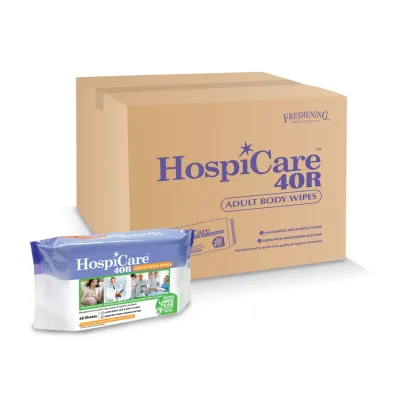
Determining whether Hospicare 40r wet wipes are safe for your newborn’s skin requires a careful examination of the product packaging, ingredient list, and manufacturing standards. Newborn skin is structurally different from adult skin, possessing a thinner outer layer and a developing skin barrier that is highly susceptible to chemical irritation. Because formulations can vary and product lines may be updated, parents should never assume a wipe is safe based on brand reputation alone. Instead, a systematic evaluation of the specific pack in your hands is essential to protect your baby’s delicate skin.
When looking at Hospicare 40r wet wipes, it is important to recognize that some product lines under clinical brands are designed for adult hygiene, medical environments, or general surface sanitization rather than infant care. Wipes formulated for adults or general clinical use often contain stronger cleansing agents, preservatives, or alcohol levels that can easily compromise a newborn’s skin barrier. Therefore, verifying the target demographic and the exact formulation of your specific batch is the first and most crucial step before allowing any wipe to touch your baby.
How to Evaluate the Ingredient List for Newborn Safety
To determine if a wet wipe is safe for a newborn, you must turn the pack over and carefully read the ingredient list, which displays components in descending order of concentration. The primary ingredient in any high-quality baby wipe should be water, often listed as aqua, which typically makes up the vast majority of the formulation. Beyond water, the remaining ingredients must be scrutinized to ensure they do not pose a risk of contact dermatitis or systemic absorption through the baby’s highly permeable skin.
Products mentioned in this guide
Prices are valid at publication and may change. Please refer to the product page for the latest price.
First, check the label for the absolute absence of added fragrances, which are among the most common triggers for skin allergies and irritation in infants. Even fragrances labeled as “natural” or derived from essential oils can cause adverse reactions on a newborn’s sensitive skin barrier. Additionally, ensure the product is completely free from simple alcohols, such as isopropyl alcohol or ethanol, which strip away natural lipids and cause severe dryness. While fatty alcohols like cetearyl alcohol can act as mild emollients, simple drying alcohols should be avoided entirely in baby care.
Preservatives are necessary in wet wipes to prevent the growth of harmful bacteria and mold, especially in warm and humid climates. However, certain harsh preservatives must be avoided, including parabens, methylisothiazolinone (MIT), and formaldehyde-releasing agents. Instead, look for mild, food-grade preservatives or gentle alternatives that keep the wipes sterile without irritating the skin. The cleansing agents, or surfactants, should also be exceptionally mild, such as coco-glucoside, which cleanses without disrupting the skin’s natural pH.
It is equally important to understand the limitations of common marketing terms printed on the front of the packaging. Terms like “hypoallergenic” or “dermatologically tested” are not strictly regulated medical standards and do not guarantee that a product will not cause a reaction. “Hypoallergenic” simply means the manufacturer has formulated the product to minimize common allergens, while “dermatologically tested” indicates a dermatologist oversaw some form of skin patch test, though the details of the test are rarely disclosed. Always prioritize the actual ingredient list over these marketing claims.
Verifying Safety Certifications and Product Standards
Beyond the ingredient list, verifying safety certifications and manufacturing standards on the packaging provides an extra layer of assurance for parents. Look for recognized pediatric or dermatological testing logos from independent third-party organizations. These certifications indicate that the product has undergone rigorous evaluation to confirm it meets specific safety thresholds for infant use, rather than relying solely on the manufacturer’s self-declared claims.

Always locate and verify the manufacturing date, batch number, and expiration date printed on the physical packaging. Wet wipes have a limited shelf life, and using expired wipes can be hazardous because the preservative system may have degraded, allowing bacteria or mold to multiply inside the pack. In warm and humid tropical environments, proper storage is critical; keep the wipes in a cool, dry place away from direct sunlight, and ensure the resealable sticker or plastic lid is tightly closed after every use to maintain moisture and sterility.
If the information on the packaging is unclear or if you are unsure about a specific ingredient, take the time to cross-reference the manufacturer’s claims. You can visit the brand’s official website or contact their customer service department to request the Safety Data Sheet (SDS) or detailed product specifications. If a product does not clearly state that it is formulated for infants, or if the manufacturer cannot provide clear evidence of pediatric safety testing, it is safest to reserve those wipes for adult use or general household hygiene.
Safe Introduction and Patch Testing on Sensitive Skin
Even if a wet wipe passes your ingredient and certification checks, you should still perform a localized patch test before using it regularly on your newborn. Because every baby’s skin chemistry is unique, a product that is perfectly safe for one infant may cause irritation for another. Conducting a controlled test allows you to observe your baby’s skin reaction in a small, low-risk area before exposing larger, more sensitive regions like the diaper area.
To conduct a patch test, select a small, discreet area of your baby’s skin, such as the inner forearm or the side of the upper thigh. Gently swipe a small corner of the wet wipe over this chosen spot, ensuring the skin is thoroughly moistened, and then allow it to dry naturally. Do not wash the area or apply any other creams or lotions to it for the next twenty-four to forty-eight hours, as this allows you to isolate the wipe as the sole variable.
During this observation period, monitor the test site closely for any visible signs of skin irritation or allergic reaction. Look for localized redness, dryness, flaking, tiny raised bumps, or a rough texture on the skin. If the baby shows signs of discomfort, such as scratching the area or crying when it is touched, this is a clear indication that the formulation is too harsh for their current skin barrier.
If you observe any of these adverse reactions, discontinue use of the wipes immediately and wash the area gently with plain, lukewarm water. If the reaction is severe, spreads beyond the test site, develops blisters, or causes your baby persistent distress, consult your pediatrician or a qualified healthcare professional. Never attempt to treat a suspected chemical reaction with unverified home remedies or adult steroid creams, as these can worsen the irritation and damage the infant’s delicate skin.
When to Switch to Water and Cotton Alternatives
While commercial wet wipes offer convenience, there are specific developmental stages and skin conditions where they should be avoided entirely in favor of simpler, non-chemical cleaning methods. The gold standard for newborn skin care, particularly during the first few weeks of life, is often pure water and soft cotton. Understanding when to make this switch is vital for maintaining your baby’s skin integrity and preventing painful rashes.
One critical period is before the umbilical cord stump naturally falls off, which typically occurs within the first two weeks after birth. The umbilical area must be kept clean and dry to prevent bacterial infections; wiping this sensitive zone with commercial wet wipes can introduce unnecessary chemical residues and excess moisture. Instead, clean around the base of the cord gently using sterile cotton swabs dipped in cooled, boiled water, and pat the area completely dry with a clean cotton pad.
You should also suspend the use of wet wipes during active diaper rash flare-ups or whenever the skin barrier in the diaper area is compromised. When the skin is raw, red, or broken, the preservatives and cleansing agents in even the mildest wipes can cause an intense stinging sensation and delay the healing process. During these flare-ups, cleanse the diaper area by gently pouring warm water over the skin or using soft, disposable cotton pads soaked in warm water, then patting dry without rubbing.
Special considerations apply to premature infants or babies diagnosed with chronic skin conditions such as eczema. Premature babies are born with an underdeveloped stratum corneum, making their skin exceptionally thin and highly permeable to topical substances. Babies with eczema have a genetically compromised skin barrier that reacts easily to environmental triggers. For these vulnerable infants, pediatricians generally recommend avoiding commercial wet wipes entirely for the first few months, relying instead on pure water and organic cotton pads.
Frequently Asked Questions (FAQ)
Can I use Hospicare 40r wet wipes on my newborn's face and hands?
Newborn facial skin is significantly thinner and more sensitive than the skin on the rest of their body, making it highly susceptible to irritation from cleansing agents. Furthermore, babies frequently put their hands and fingers into their mouths, meaning any chemical residue left on their hands from a wet wipe is likely to be ingested. Unless the physical packaging of your specific Hospicare 40r wipes explicitly states they are formulated and certified safe for facial, hand, and mouth use, you should avoid using them on these areas. For cleaning your baby’s face and hands, it is always safest to use a clean washcloth dampened with plain water or dedicated water-only wipes.
What should I do if my baby develops a rash after using these wipes?
If your baby develops a rash after using these wipes, stop using them immediately and switch to plain, lukewarm water and soft cotton pads for all diaper changes. Gently rinse the affected area to remove any lingering chemical residues, and pat the skin completely dry with a clean, soft towel rather than rubbing. Keep the diaper area as dry as possible, allowing for brief periods of diaper-free air time to promote natural healing. Do not apply unverified home remedies, heavily fragranced lotions, or cornstarch, which can trap moisture and encourage fungal growth. If the rash does not improve within two to three days, or if you notice signs of infection such as pus, blisters, extreme redness, or if your baby develops a fever, seek professional medical advice promptly.

Community discussion
Share your experience or ask a question. Comments are reviewed before publication.