
Hello Bello wet wipes can be a practical choice for daily diapering, but determining if they are safe for your baby’s sensitive skin requires a careful look at their ingredients, your baby’s unique skin barrier, and your daily wiping habits. No single baby wipe is universally guaranteed to be reaction-free for every infant. Because a baby’s skin is up to thirty percent thinner than adult skin, it absorbs moisture and topical ingredients much more rapidly, making it highly susceptible to irritation.
In warm, tropical climates like Singapore, the combination of heat, humidity, and trapped moisture inside a diaper diapering environment creates a prime setting for skin breakdown. When you introduce a wet wipe into this environment, any potential sensitizer in the formula can quickly trigger redness or discomfort. To protect your little one, you must learn how to read the packaging, recognize the early signs of contact dermatitis, and adopt wiping techniques that minimize friction.
Evaluating the Ingredient List for Sensitive Skin
When assessing any baby wipe, the ingredient list on the back of the packaging is your most reliable guide. Water is almost always the primary ingredient, typically making up more than ninety-five percent of the formulation. It serves as the base to dissolve other ingredients and moisten the wipe material. However, water alone cannot clean away oily stool residues, which is why wipes contain mild cleansing agents, also known as surfactants. Look for gentle, plant-derived surfactants such as decyl glucoside or coco-glucoside, which help lift away dirt without stripping the skin’s natural lipid barrier.
Products mentioned in this guide
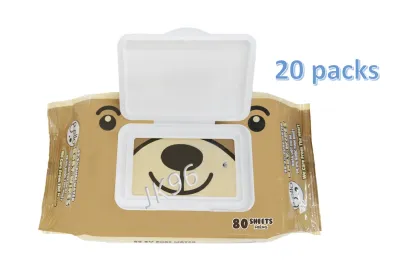
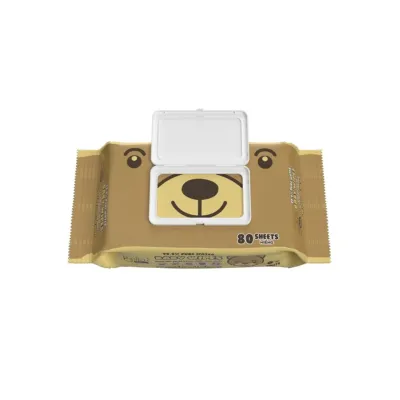
Prices are valid at publication and may change. Please refer to the product page for the latest price.
Beyond cleansers, you must carefully check for potential sensitizers. Even wipes marketed as natural can contain ingredients that trigger sensitive skin. Avoid products containing synthetic fragrances, essential oils (such as lavender, tea tree, or citrus oils), and harsh preservatives like parabens, phenoxyethanol, or methylisothiazolinone (MI). While essential oils might sound appealing, they contain volatile organic compounds that frequently cause allergic contact dermatitis on delicate infant skin.
It is also important to understand the limits of common marketing claims. Terms like “hypoallergenic,” “dermatologist-tested,” or “designed for sensitive skin” are not strictly regulated by standardized global authorities. They generally mean the manufacturer has conducted basic patch testing on a small group of human volunteers without observing widespread adverse reactions. They do not guarantee that your baby will not experience a localized reaction. Always prioritize reading the actual ingredient list over front-of-pack marketing claims.
Recognizing Signs of Skin Irritation and Allergic Reactions
Using wet wipes daily can sometimes lead to skin irritation, and parents must be able to distinguish between different types of skin reactions. The most common issue is diaper dermatitis, which can present as mild redness, dry patches, or small pink bumps in the diaper area. You might also notice behavioral changes in your baby, such as fussiness during diaper changes, crying when the wipe touches their skin, or attempting to pull away from you during cleanup.

Distinguishing between mechanical friction irritation and chemical sensitivity is key to resolving the issue. Friction irritation, or chafing, typically appears on the prominent areas of the skin where the diaper edges rub, such as the inner thighs, waistline, or the buttocks’ outer curves. It rarely affects the deep skin folds where the diaper does not make direct contact. In contrast, chemical sensitivity or allergic contact dermatitis from a wipe ingredient usually presents as a uniform, bright red rash that covers the entire area touched by the wipe, including the deep creases and folds of the skin.
If you notice any signs of redness or discomfort, take immediate action to prevent the irritation from worsening. Stop using the current brand of wet wipes immediately. Switch to using lukewarm water and soft, reusable cotton cloths or dry wipes to clean the area. Allow the skin to air-dry completely before putting on a fresh diaper, and apply a thick layer of a zinc oxide-based barrier cream to shield the compromised skin from acidic urine and stool.
Safe Wiping Practices for Daily Diaper Changes
The way you wipe your baby can have just as much impact on their skin health as the ingredients in the wipe itself. To minimize mechanical stress on delicate skin, always use a gentle patting or sweeping motion rather than rubbing or scrubbing. Rubbing can create microscopic tears in the skin barrier, allowing moisture, bacteria, and chemical ingredients to penetrate deeper and cause inflammation. When cleaning, always wipe from front to back—especially for baby girls—to prevent the spread of fecal bacteria to the urinary tract.
You do not always need to use a wet wipe for every diaper change. For wet-only diapers, your baby’s skin may not require heavy cleaning. In these cases, using a soft, dry cloth dampened with plain lukewarm water is often sufficient and highly recommended for sensitive skin. Save wet wipes for soiled diapers where the surfactants are necessary to break down and lift away stubborn fecal matter. This simple adjustment reduces the skin’s daily exposure to cleansing agents and preservatives.
Before applying any barrier creams or putting on a new diaper, ensure the skin is completely dry. In humid environments, trapping moisture against the skin under a layer of thick diaper cream can lead to skin maceration and fungal infections, such as yeast rashes. Let your baby enjoy a few minutes of diaper-free time to air-dry naturally, or gently pat the skin dry with a clean, dry cotton towel. Once the skin is dry to the touch, apply a generous layer of barrier cream to seal out moisture.
How to Patch Test a New Wipe Brand
Before fully transitioning your baby to a new brand of wet wipes, performing a localized patch test is a highly effective way to screen for potential sensitivities. This simple step can save your baby from a widespread, painful diaper rash if their skin happens to react to an ingredient in the new formula.
To conduct a patch test, select a small, healthy area of skin outside the diaper region, such as the baby’s inner forearm or the upper thigh. Take a single wipe from the package and gently swipe it across this small patch of skin. Allow the liquid from the wipe to dry naturally on the skin. Do not wash the area or apply any creams, lotions, or oils to it for the duration of the test.
Observe the tested area closely over the next twenty-four to forty-eight hours. Look for any signs of a localized reaction, such as redness, swelling, tiny raised bumps, or dry, flaky patches. If your baby is old enough to communicate or show discomfort, watch for scratching or rubbing at the test site. If the skin remains completely clear and normal after forty-eight hours, the wipes are generally safe to introduce into your daily diapering routine. If any reaction occurs, wash the area immediately with cool water and do not use those wipes on your baby.
When to Seek Professional Medical Advice
While mild diaper redness can often be managed at home with gentle care, certain symptoms indicate a more serious condition that requires evaluation by a pediatrician or medical professional. Parents should monitor the diaper area closely and know when home remedies are no longer sufficient.
Seek professional medical advice immediately if you observe any red flag symptoms. These include blistering, open sores, peeling skin, bleeding, or weeping yellow fluid or pus, which can indicate a secondary bacterial infection. You should also consult a doctor if the redness is bright red, raw, and spreading rapidly beyond the diaper area to the abdomen or thighs, or if your baby develops a fever or seems to be in constant, severe pain that interferes with sleep and feeding.
Persistent rashes that do not show signs of improvement after two to three days of diligent home care—such as air-drying, using plain water, and applying barrier creams—also warrant a medical visit. These stubborn rashes are often caused by a yeast overgrowth (Candida), which thrives in warm, moist diaper environments. Yeast infections require specific prescription antifungal creams, as standard zinc oxide barrier creams will not cure them. Before your appointment, document when the rash started, take clear photos of its progression, and make a list of all products currently touching your baby’s skin.
Frequently Asked Questions (FAQ)
Can I use these wipes on my baby's face and hands?
Facial skin is significantly thinner and more sensitive than the skin on a baby’s bottom, making it more prone to irritation from wipes. You should always check the product packaging to see if the manufacturer explicitly states the wipes are safe for facial use. If your baby has eczema, dry skin, or highly sensitive skin, it is best to avoid using wet wipes on their face entirely. Instead, use a clean, soft washcloth dampened with plain lukewarm water to clean their face and hands, especially around the mouth where ingredients could accidentally be ingested.
Do water-based baby wipes require preservatives?
Yes, all water-based wet wipes require a preservative system to ensure they are safe for use. Because wet wipes are stored in warm, moist packages that are opened repeatedly, they would quickly become a breeding ground for harmful bacteria, mold, and yeast without preservatives. When evaluating wipes, look for mild, food-grade, or gentle preservative systems on the ingredient list, such as sodium benzoate, citric acid, or potassium sorbate. These ingredients prevent microbial growth while minimizing the risk of skin irritation.
What are the best alternatives if my baby reacts to these wipes?
If your baby’s skin reacts to commercial wet wipes, there are several gentle, chemical-free alternatives you can use. Large, disposable cotton pads or dry baby wipes dipped in plain lukewarm water are excellent options, as they contain zero preservatives, fragrances, or surfactants. Alternatively, you can use a portable squeeze bottle (often called a peri bottle) to gently spray lukewarm water directly onto your baby’s skin during diaper changes, then pat the area dry with a clean, soft cotton cloth. This method completely eliminates friction and chemical exposure.
Community discussion
Share your experience or ask a question. Comments are reviewed before publication.