
Hearttex (心相印) baby wipes can be safe for newborns, but safety depends entirely on the specific product variant and its ingredient profile. Because a newborn’s skin barrier is exceptionally delicate and still developing, parents must carefully inspect the packaging of any Hearttex wipe before use. Not all wipes under the brand are formulated equally; some are designed for general family use, while others are tailored for sensitive infant skin. By learning how to read the ingredient list and identifying potential irritants, you can confidently choose a variant that protects your baby’s skin from irritation and diaper rash.
Why Newborn Skin Requires Specific Wipe Formulations
Newborn skin is structurally different from adult skin, making it far more vulnerable to environmental triggers. During the first few months of life, the outer layer of the skin, known as the stratum corneum, is significantly thinner and less cohesive than that of older children or adults. This structural difference means that the skin barrier is highly permeable, allowing topical substances to be absorbed more easily. Consequently, chemicals that might be harmless on adult skin can quickly penetrate a newborn’s skin, leading to localized irritation, dryness, or systemic absorption.
In addition to a thinner barrier, a newborn’s skin has a higher rate of transepidermal water loss and is still adapting to the extrauterine environment. The natural acid mantle, which helps protect the skin from harmful bacteria, takes time to establish its optimal slightly acidic pH level. Standard baby wipes, which are often formulated for older infants with more resilient skin, may contain mild fragrances, surfactants, or preservatives that can disrupt this delicate pH balance. When the acid mantle is compromised, the skin becomes highly susceptible to diaper dermatitis, characterized by painful redness and inflammation.
Products mentioned in this guide
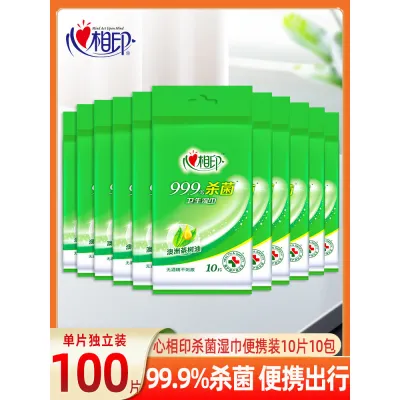
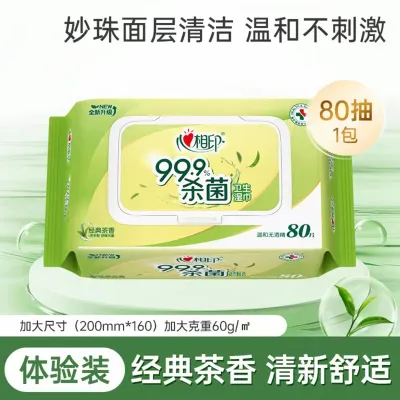
Prices are valid at publication and may change. Please refer to the product page for the latest price.
Because of these physiological vulnerabilities, newborn-specific formulations are engineered to minimize the risk of contact dermatitis. These specialized wipes typically prioritize high-purity water and a minimal list of secondary ingredients, avoiding unnecessary additives like synthetic perfumes, alcohol, and harsh preservatives. Rather than assuming all baby wipes are safe by default, you must treat the ingredient list as a critical safety checklist during the first few months of your baby’s life.
How to Check Hearttex Wipe Ingredients for Newborn Safety
When evaluating Hearttex (心相印) wipes, the physical packaging or the official product listing on local ecommerce platforms is your primary source of truth. To verify whether a specific pack is suitable for your newborn, you should first locate the complete ingredient list, which is typically printed on the back or side of the outer wrap. The order of ingredients is highly informative, as components are listed in descending order of concentration. For any high-quality baby wipe, the very first ingredient should be purified water, often labeled as EDI water or RO water, indicating that it has undergone rigorous filtration to remove impurities.

The water content in newborn-safe wipes should ideally make up the vast majority of the formulation, often exceeding 99 percent. This high water ratio ensures that the wipe cleanses effectively through physical action rather than relying on heavy chemical detergents. As you scan the remaining ingredients, you must actively check for the absence of drying alcohols, such as ethanol or isopropyl alcohol, which can strip the skin of its natural lipids. Additionally, look for the absence of parabens, which are traditional preservatives that have faced scrutiny regarding skin sensitivity, and synthetic fragrances, which are among the most common triggers for allergic contact dermatitis in infants.
Preservatives are necessary in wet wipes to prevent the growth of harmful bacteria, mold, and yeast once the package is opened. However, the type of preservative used matters immensely for newborn safety. Parents should cross-reference the listed preservatives with current pediatric dermatology guidelines, looking for mild, food-grade, or highly tolerated preserving agents such as sodium benzoate, citric acid, or potassium sorbate. Avoid wipes that utilize formaldehyde-releasing preservatives or methylisothiazolinone (MI). If the ingredient list on a Hearttex pack is written in a foreign language or is obscured by an import label, you should verify the details by visiting the manufacturer’s official digital storefront or contacting their customer service before use.
Choosing the Right Hearttex Variant for Your Newborn
Within the Hearttex (心相印) product lineup, you will find several distinct variants, ranging from standard family wipes to specialized baby care lines. Standard wipes, which are often marketed for general hand and face cleaning, frequently contain added fragrances, botanical extracts, or stronger cleansing agents that are unsuitable for a newborn’s diaper area. To ensure safety, you must specifically look for variants labeled as “pure water,” “sensitive,” or explicitly designated for baby use. These variants are formulated with a minimal ingredient philosophy, reducing the chemical load on your baby’s skin.
When selecting a variant, pay close attention to the labeling on the front of the packaging. Look for clear indicators such as “99% Pure Water,” “Fragrance-Free,” or “Hypoallergenic.” While these marketing terms are helpful indicators, they should always be verified against the actual ingredient list on the back. Furthermore, the physical material of the wipe plays a significant role in preventing skin irritation. Newborn skin can easily be abraded by rough or thin fabrics, especially during frequent diaper changes. Opt for Hearttex variants that utilize thick, non-woven spunlace fabric, which provides a soft, cushion-like texture that cleanses effectively with minimal friction.
The texture of the wipe is also worth evaluating. Some variants feature a raised pearl-embossed pattern, which helps lift stool away from the skin more efficiently, reducing the number of wipes needed per change. Other variants are completely smooth, which some parents prefer for ultra-sensitive skin. When trying a new Hearttex variant, it is highly recommended to purchase a single, small travel pack first. This allows you to inspect the thickness, moisture level, and scent of the wipes firsthand, and to perform a patch test on your baby’s leg or arm before committing to a bulk purchase.
Safe Usage Practices and Signs of Skin Irritation
Even the mildest baby wipe can cause irritation if used incorrectly. To protect your newborn’s delicate skin, always practice gentle wiping techniques. Avoid rubbing or scrubbing the skin vigorously, especially in the deep folds of the thighs and buttocks. Instead, use a gentle patting or sweeping motion to lift away stool and urine. If stool has dried on the skin, hold a damp wipe over the area for a few seconds to soften it before wiping, rather than applying excessive pressure. Always wipe from front to back, particularly for baby girls, to prevent the spread of bacteria.
Despite your best efforts, a newborn’s skin may occasionally react to a product. Parents must remain vigilant for observable signs of contact dermatitis or allergic reactions. These signs typically present as localized redness, dry or flaky patches, small red bumps, or a persistent rash that aligns with the area where the wipe was used. If you notice any of these symptoms, the immediate step is to stop using the wipes entirely. Temporarily switch to using plain, lukewarm water and soft cotton wool or a clean, dry cloth to cleanse the diaper area during changes, allowing the skin barrier a chance to recover without chemical exposure.
To support the healing process, apply a thick layer of a fragrance-free barrier cream containing zinc oxide or petroleum jelly after the skin has dried completely. This barrier protects the compromised skin from the irritating effects of urine and feces. If the redness, swelling, or rash does not improve within a few days, or if you observe signs of infection such as blisters, pus, or if your baby seems in pain, you should consult a pediatrician or a qualified dermatologist. They can provide an accurate diagnosis, recommend appropriate topical treatments, and help you identify the specific ingredient that may have triggered the reaction.
Frequently Asked Questions (FAQ)
Can I use Hearttex wipes on my newborn's face and hands?
You should only use Hearttex wipes on your newborn’s face and hands if the specific product packaging explicitly states that it is safe for these areas. The skin on a baby’s face is even thinner and more sensitive than the skin on their bottom, and the proximity to the mouth and eyes increases the risk of accidental ingestion or ocular irritation. Even if a wipe is labeled as safe for hands and mouth, you must verify that it is completely fragrance-free and does not contain bitter-tasting preservatives or surfactants. If you are ever in doubt, it is always safer to use a clean washcloth dampened with plain, warm water to clean your newborn’s face and hands, especially after feeding.
Do Hearttex water wipes need to be rinsed off with water?
Generally, high-quality water wipes that contain over 99 percent purified water and a minimal preservative profile do not require rinsing after use. These wipes are designed to leave a clean, residue-free surface that air-dries quickly. However, if your newborn has extremely sensitive skin, is prone to eczema, or is currently recovering from a diaper rash, rinsing the area with plain water after wiping can provide an extra layer of protection. Rinsing ensures that even the trace amounts of mild preservatives or humectants left behind by the wipe are completely removed, minimizing any potential for cumulative skin irritation over multiple diaper changes.
How should I store baby wipes to prevent bacterial growth?
To maintain the safety and efficacy of your Hearttex wipes, proper storage is essential, particularly in Singapore’s warm and humid climate. Always store unopened and opened wipe packages in a cool, dry place away from direct sunlight, heating vents, or damp areas. Ensure that the plastic lid or resealable sticker is pressed down firmly after every single use to prevent the wipes from drying out and to stop airborne bacteria or mold spores from entering the package. Additionally, always check the expiration date printed on the packaging before opening a new pack, and discard any wipes that have developed an unusual odor, discoloration, or a dry, rough texture, as these are signs of bacterial contamination or product degradation.

Community discussion
Share your experience or ask a question. Comments are reviewed before publication.