
When your baby struggles with eczema, every diaper change can feel like a high-stakes decision. The sight of red, inflamed, and itchy skin makes you highly cautious about what touches their delicate body. In your search for the gentlest option, you have likely reached for packages labeled “fragrance-free” or “hypoallergenic.” However, these front-of-pack marketing claims do not automatically guarantee that a product is safe or suitable for a baby with compromised skin.
The reality is that even wipes marketed for sensitive skin can contain hidden irritants, preservatives, or botanical extracts that trigger eczema flare-ups. Because eczema weakens the skin’s natural barrier, substances that are perfectly fine for other infants can easily penetrate your baby’s skin and cause painful reactions. To protect your little one, you must look beyond the front labels and learn how to decode the full ingredient list on the back of the packaging.
Decoding 'Fragrance-Free' and 'Hypoallergenic' Labels
Understanding the distinction between marketing terms and actual chemical formulations is the first step in protecting your baby’s skin. The term “fragrance-free” is often misunderstood. In the cosmetics industry, “fragrance-free” typically means that no synthetic perfumes or masking scents have been added to the product. It does not, however, guarantee that the product is completely odorless or free of naturally scented ingredients. Some manufacturers use plant waters or botanical extracts that naturally possess a scent to mask the chemical smell of other ingredients. While technically “fragrance-free” because no artificial fragrance chemicals were added, these natural aromatic compounds can still trigger contact dermatitis in eczema-prone infants.
Products mentioned in this guide
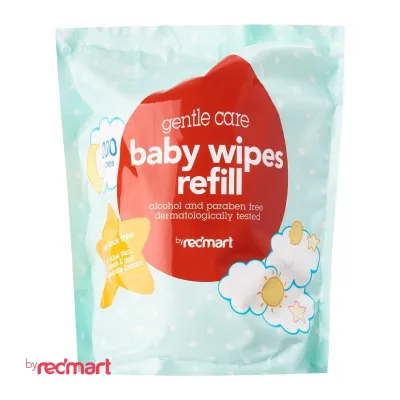
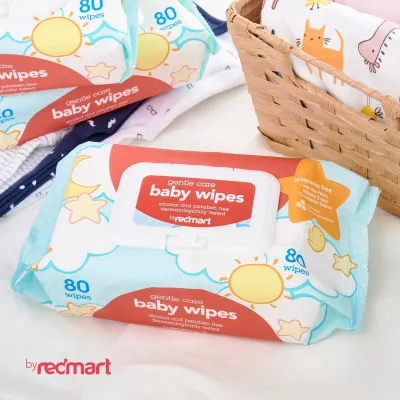
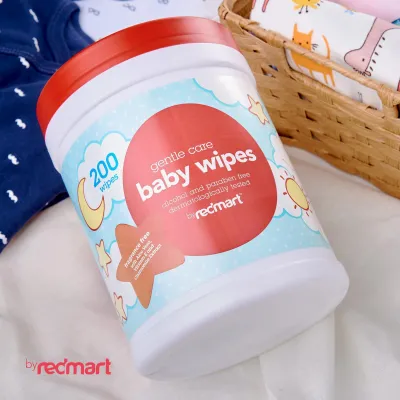
Prices are valid at publication and may change. Please refer to the product page for the latest price.
The term “hypoallergenic” carries even less regulatory weight. There is no standard, globally enforced medical definition or testing protocol required to use this label. When a brand claims its wipes are hypoallergenic, it simply means the manufacturer believes the product is less likely to cause an allergic reaction compared to standard formulations. It is not a medical guarantee, nor does it mean the product is completely allergy-proof. Every baby’s skin is unique, and what is tolerated by one child with eczema might cause an immediate flare-up in another.
Relying solely on these front-label claims can give parents a false sense of security. To truly assess whether a pack of wipes is safe for your baby, you must turn the package over and scrutinize the ingredient list. This list is regulated and must display every chemical, preservative, and extract included in the formulation, allowing you to make an informed decision based on facts rather than marketing promises.
Hidden Irritants to Check in Baby Wipes
Scanning a long list of complex chemical names on the back of a wipe package can feel overwhelming. You do not need a degree in chemistry to protect your baby; instead, focus on identifying specific categories of ingredients that are known to disrupt the skin barrier. By understanding which groups of ingredients pose the highest risk, you can quickly filter out products that might trigger an eczema flare-up.

For babies with eczema, the primary culprits usually fall into three main categories: harsh preservatives, strong cleansing agents, and certain botanical extracts. These ingredients are often added to maintain shelf life, clean away messes efficiently, or provide a pleasant natural marketing angle, but they can be highly destructive to a compromised skin barrier.
Preservatives and Cleansing Agents
Because baby wipes are pre-moistened and stored in warm, dark diaper bags or nursery drawers, they require a robust preservative system to prevent the growth of harmful bacteria, mold, and yeast. However, some of the preservatives historically used in baby wipes are notorious skin sensitizers. Parents should carefully check labels for preservatives such as phenoxyethanol, parabens, or methylisothiazolinone (MIT). While some of these ingredients are permitted in limited concentrations, they can still cause significant irritation on skin that is already cracked or inflamed. If you are unsure about a specific preservative listed on a package, it is always best to consult a pediatrician or a pediatric dermatologist before use.
Cleansing agents, or surfactants, are another critical category to evaluate. These ingredients are responsible for lifting dirt and stool off the skin, but strong surfactants can be overly aggressive. They do not just remove waste; they also strip away the natural lipids and oils that form your baby’s skin barrier. For a baby with healthy skin, this might not cause immediate issues, but for an eczema-prone baby whose skin barrier is already deficient in lipids, stripping these natural oils leads to rapid moisture loss, increased dryness, and immediate irritation. Look for wipes that use extremely mild, non-ionic surfactants, or better yet, formulations that rely almost entirely on water.
Botanical Extracts and Essential Oils
There is a common misconception that “natural” or plant-based ingredients are inherently safer and gentler for sensitive baby skin. In reality, plant extracts and essential oils are complex mixtures containing dozens of natural volatile organic compounds. Ingredients like chamomile, calendula, lavender, and tea tree oil are frequently added to baby wipes for their purported soothing or anti-inflammatory properties. However, these very ingredients are also well-documented contact allergens.
When your baby has active eczema, their skin barrier is compromised, allowing these complex plant compounds to penetrate deeper into the skin layers. This deep penetration increases the likelihood of developing a contact allergy over time. Wipes with long lists of botanical extracts, even those certified organic, should be avoided for highly reactive or broken skin. When it comes to managing eczema, a simpler formulation with fewer ingredients is always the safer approach.
How to Choose and Test Wipes for Sensitive Skin
When selecting baby wipes for an eczema-prone infant, your guiding principle should be simplicity. The shorter the ingredient list, the fewer opportunities there are for a reaction to occur. Look for wipes that consist almost entirely of water—ideally 99% or more—combined with a minimal, food-grade preservative system and perhaps a single mild skin-conditioning agent like glycerin. Avoid products that list unnecessary additives, texturizers, or conditioning oils that serve more as marketing points than functional skin benefits.
Before introducing any new wipe brand to your baby’s daily routine, you should perform a controlled patch test. Do not wait until a diaper change to find out if a product causes a reaction. To conduct a patch test, gently swipe a small, unaffected area of your baby’s skin—such as the inner arm or the upper thigh—with the new wipe. Repeat this twice daily for three to five consecutive days, allowing the liquid to dry naturally. Monitor the area closely for any signs of redness, swelling, tiny bumps, or itching. If no reaction occurs after this period, you can gradually introduce the wipes into your diapering routine, though you should still remain vigilant for delayed reactions.
Additionally, pay attention to the pH level of the wipes if the manufacturer discloses this information on the packaging or their official website. Healthy skin has a slightly acidic natural pH, typically between 4.5 and 5.5, which helps maintain the skin barrier and ward off harmful bacteria. Wipes that are too alkaline can disrupt this acid mantle, worsening dryness and eczema symptoms. Choosing a product formulated to match the skin’s natural, slightly acidic pH helps support barrier repair and keeps the skin resilient against external irritants.
Safe Wiping Practices and When to Stop
How you use a baby wipe is just as important as the ingredients it contains. Eczema-prone skin is highly susceptible to mechanical irritation. When cleaning your baby’s diaper area, avoid rubbing, scrubbing, or dragging the wipe across the skin. The friction from rubbing can micro-tear the fragile outer layer of the skin, triggering or worsening an eczema flare-up. Instead, use a gentle patting or dabbing motion to lift away waste. If stool is dried or difficult to remove, hold a damp wipe against the skin for a few seconds to soften it before gently wiping it away.
During severe eczema flare-ups, especially when the skin in the diaper area is broken, weeping, or extremely red, you should temporarily stop using commercial wipes altogether. Even the gentlest, water-based commercial wipes can sting or irritate open wounds. During these times, transition to using plain, lukewarm water and extremely soft, clean cotton cloths to cleanse the area. This minimizes chemical exposure and physical friction, giving the skin barrier a chance to heal.
As a caregiver, you must establish clear boundaries for when to discontinue a product. Stop using any commercial wipe immediately if you notice increased redness, weeping, new rash patterns, or if your baby shows signs of discomfort—such as crying or flinching—during wiping. If these symptoms persist or worsen after you stop using the wipes, consult a healthcare professional or pediatrician. They can help identify the underlying cause, prescribe appropriate barrier creams or topical treatments, and guide you on a safe skincare regimen.
Alternatives to Commercial Baby Wipes
If commercial wipes consistently irritate your baby’s skin, or if you prefer to eliminate the risk of chemical exposure entirely, several safe and accessible alternatives are available. One of the most effective options is using reusable cotton dry wipes or soft bamboo cloths. You can keep a stack of these dry cloths near your diaper changing station along with a thermos of lukewarm water. When it is time for a diaper change, simply dampen a fresh cloth with the water. This method ensures your baby’s skin is cleaned with nothing but pure water, completely eliminating preservatives, surfactants, and fragrances.
If you prefer the convenience of pre-moistened wipes for outings, you can prepare homemade water-based wipes. To do this safely and prevent the growth of harmful bacteria, you must follow strict hygiene practices. Use boiled water that has cooled to a lukewarm temperature, and only prepare enough wipes to last for a single day. Store them in a clean, airtight container, and discard any unused damp wipes at the end of the day. Never leave homemade damp wipes in stagnant water or keep them for multiple days, as water is a breeding ground for mold and bacteria when no preservatives are present. Regularly wash reusable cloths at high temperatures to ensure they remain sanitary.
Frequently Asked Questions (FAQ)
Can I use fragrance-free wipes on newborns?
A newborn’s skin barrier is highly permeable and still developing, making it exceptionally sensitive to external substances. Before using any commercial wipes on a newborn, you should check the manufacturer’s age guidelines and consult your pediatrician. Many healthcare professionals recommend using only plain water and soft cotton cotton balls or dry wipes for the first few weeks of life to avoid exposing their delicate skin to unnecessary chemicals and preservatives.
Are water wipes completely free of preservatives?
No, commercial wipes that contain water cannot be completely free of preservatives. Any product formulated with water requires a preservative system to prevent the rapid growth of mold, bacteria, and yeast while sitting on store shelves or in your home. Even wipes marketed as containing 99% water must include a small percentage of a preservative or antimicrobial agent to remain safe for use. Always check the ingredient list to identify the specific preservative system used in these products.

Community discussion
Share your experience or ask a question. Comments are reviewed before publication.