
When you are watching your baby take their first tentative steps, finding the right developmental toys is a major priority. If you are considering a fisher price walker, you might wonder whether these popular toys are safe for your little one. The short answer is that most modern models are designed with safety in mind, but their overall safety depends entirely on the specific design of the toy, your child’s developmental stage, and how you manage the play environment.
Understanding the distinction between different types of walkers is the first step in ensuring your child’s safety. While older generations may associate the term “walker” with a suspended seat on wheels, the modern market has evolved significantly. By learning what safety features to look for and how to prepare your home, you can confidently support your baby’s physical development.
Sit-In vs. Push Walkers: Understanding the Safety Difference
To evaluate the safety of any fisher price walker, you must first distinguish between sit-in baby walkers and push-along activity walkers. Traditional sit-in walkers feature a fabric seat suspended inside a wheeled frame, allowing a baby who cannot yet stand to roll across the floor. Pediatric associations and consumer safety regulators globally strongly discourage or even ban the sale of traditional sit-in walkers. These devices allow babies to move at high speeds before they have the cognitive or physical ability to control their momentum, leading to severe risks such as falling down stairs, tipping over on uneven surfaces, and gaining rapid access to high-level hazards.
Products mentioned in this guide
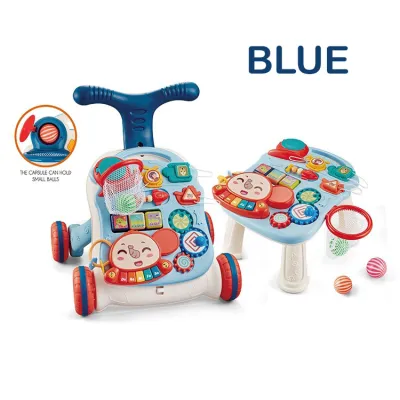
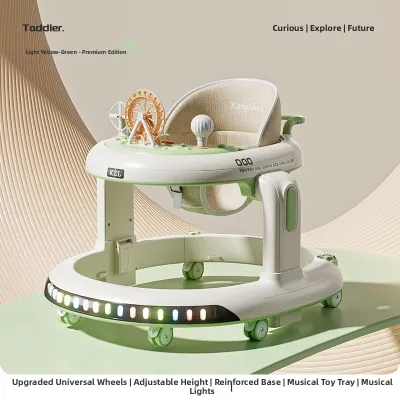
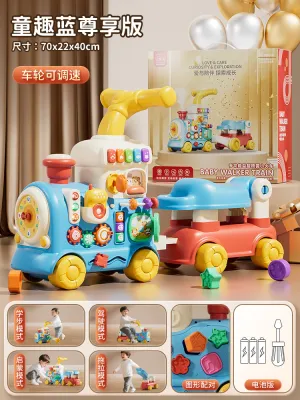
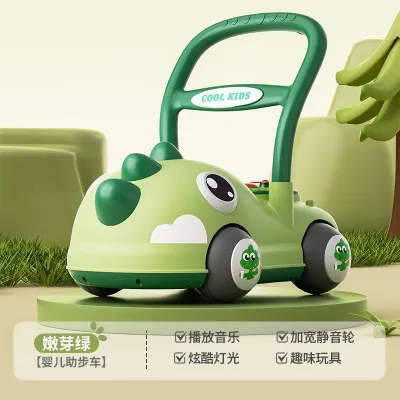
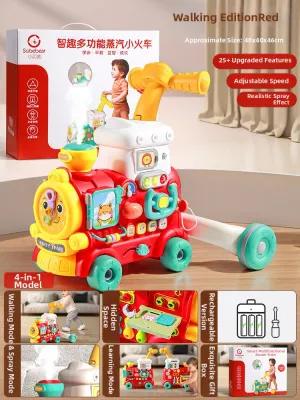
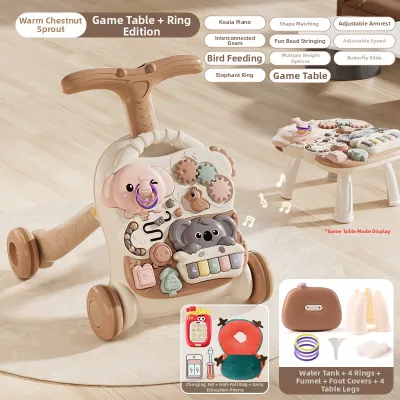
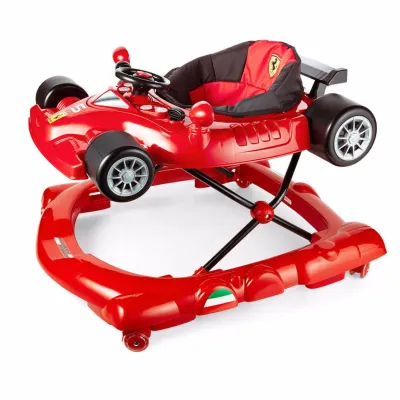
Prices are valid at publication and may change. Please refer to the product page for the latest price.
In contrast, Fisher-Price primarily manufactures push-along activity walkers, often referred to as push toys. These toys do not suspend the baby in a seat; instead, they feature a sturdy handle and a wide wheeled base that the baby stands behind and pushes forward. Because the child must actively stand and support their own weight, these toys encourage more natural motor progression and keep the baby’s feet firmly on the ground. While push-along walkers are generally considered much safer than sit-in models, they still require active, continuous adult supervision and a carefully managed environment to prevent falls and collisions.
When shopping for a walker, you should always verify the exact design of the product you are purchasing. Ensure you are selecting a push-along model that matches your child’s current developmental stage rather than a traditional sit-in model. Misunderstanding how these two categories operate can lead to choosing a product that does not align with recommended pediatric safety guidelines.
Essential Safety Features to Check on a Fisher-Price Walker
Before introducing a push-along fisher price walker to your child’s play area, you should carefully inspect its physical construction and safety features. Not all push toys are built with the same level of stability, and checking specific mechanical details will help ensure your baby remains safe during play.

Wheel Resistance and Speed Adjustments: One of the most critical safety features to look for is adjustable wheel resistance or locking mechanisms. When a baby is first learning to pull themselves up to a standing position, a walker with free-rolling wheels can quickly slide away, causing the baby to fall forward. Look for models that feature speed-limiting tensioners or wheels that can be temporarily locked. This ensures the walker provides stable support when the baby is pulling up and only rolls forward at a manageable, slow pace once they begin taking steps.
Base Width and Stability: A safe push walker must have a wide, heavy, and low-slung base. The center of gravity should be positioned low to the ground to prevent the toy from tipping backward when a baby leans heavily on the handle or pulls up from the floor. Examine the shape of the frame; a wide, trapezoidal or triangular base generally offers superior stability compared to narrow, rectangular designs.
Choking Hazards and Toy Durability: Most push walkers feature interactive dashboards loaded with buttons, gears, beads, and removable toys. You must verify that all attached plastic components are highly durable and securely fastened. Inspect these toys to ensure there are no small parts that can break off under pressure, presenting a choking hazard. If the model includes removable shape-sorters or accessories, verify that they are large enough to pass safety checks and cannot fit entirely inside a baby’s mouth.
Smooth Edges and Pinch Points: Run your hands along the entire plastic frame, paying close attention to the handle, the wheels, and any folding joints. The plastic should have smooth, rounded edges without sharp seams or rough flashing left over from the manufacturing process. If the walker has a folding mechanism for easy storage, ensure that the hinges lock securely in the open position and do not create pinch points where tiny fingers could get caught during use.
Common Hazards and How to Baby-Proof the Environment
Even the safest fisher price walker can become hazardous if used in an environment that has not been properly baby-proofed. Because these toys give babies newfound mobility and speed, parents must actively manage the play space to prevent common household accidents.
Stairs and Drop-offs: The most severe injuries associated with any baby walker involve falls down stairs. If your home has multiple levels, you must install secure, hardware-mounted safety gates at both the top and bottom of all staircases. Pressure-mounted gates are not sufficient for stairs, as a baby pushing a heavy walker can exert enough force to dislodge them. Ensure that all doors leading to balconies, steps, or outdoor patios are kept securely locked at all times.
Speed and Tipping on Smooth Floors: Many homes in Singapore feature smooth flooring materials such as polished marble, ceramic tiles, or varnished parquet. While these surfaces are easy to clean, they offer very little traction, causing push walkers to roll much faster than they would on textured surfaces. This sudden acceleration can easily cause a baby to lose their footing and fall. To mitigate this risk, consider setting up the walker on a large, non-slip play mat, EVA foam tiles, or a low-pile rug that provides enough friction to slow down the wheels and cushion any accidental falls.
Reaching New Hazards: A push walker allows your baby to stand upright, significantly increasing their physical height, reach, and speed. Objects that were previously safe on low tables or countertops suddenly become accessible. You must clear the walking path of dangling tablecloths, electrical cords, heavy decorative objects, and toxic house plants. Pay extra attention to hot drinks, such as coffee or tea, which can easily be pulled down onto a child if they grab the edge of a table or a hanging cord while standing behind their walker.
Safety Standards and Labels to Verify
When purchasing a fisher price walker, you should look beyond the brand name and verify that the specific product meets rigorous international and local safety standards. This verification is especially important if you are buying online or importing toys.
Always look for recognized safety certification marks printed on the packaging or the product itself. These include ASTM F963 (the standard consumer safety specification for toy safety in the United States), EN 71 (the European safety standard for toys), or local compliance marks from the Consumer Product Safety Office under Enterprise Singapore. These marks indicate that the toy has undergone testing for structural integrity, chemical safety, and mechanical hazards.
Additionally, you must read the manufacturer’s product documentation to verify the recommended age, weight, and height limits. Do not assume a walker is suitable for your child simply because they are starting to pull themselves up. Some push walkers are designed for babies as young as 6 months with sit-and-play features, while the walking function may be rated for older infants. Strictly adhering to these weight and height limits prevents structural failures and ensures the toy remains balanced under your child’s weight.
If you are considering buying a second-hand walker or accepting a pre-loved toy from a friend, exercise extreme caution. You must cross-reference the model number with active product recall databases to ensure it has not been recalled for safety defects. Inspect the toy thoroughly for missing screws, cracked plastic, or worn-out wheel mechanisms, and always download the original instruction manual online to ensure you are assembling and using the product exactly as the manufacturer intended.
When to Stop Using the Walker
Knowing when to retire a push walker is just as important as knowing how to use it safely. As your baby grows and develops new motor skills, the walker will eventually transition from a helpful developmental aid to a potential hazard.
Developmental Milestones: The primary purpose of a push walker is to help babies practice balance and coordination as they transition from cruising to walking. Once your baby can walk independently and confidently across the room without needing to hold onto the handle for support, it is time to phase out the walking function of the toy. Continuing to rely on a walker after this milestone can interfere with the natural development of independent balance and spatial awareness.
Physical Limits: Every walker has a maximum weight and height limit specified by the manufacturer. You must monitor your child’s growth and stop using the walker immediately once they exceed these limits, even if they still enjoy pushing it around. Overweight or overly tall children can easily tip the walker over or put excessive stress on the plastic frame, leading to sudden structural failure.
Behavioral Signs: Pay close attention to how your child interacts with the toy. If your baby attempts to climb onto the activity tray, stands on the base, or uses the walker as a battering ram to slam into walls, furniture, or glass doors, it is no longer safe to use. Similarly, if they show signs of frustration because they have outgrown the interactive panel, it is a clear signal to transition to more advanced active toys.
Frequently Asked Questions (FAQ)
Do pediatricians recommend baby walkers?
Major pediatric organizations strongly advise against the use of traditional sit-in baby walkers. These devices are associated with high rates of head injuries, stair falls, and finger pinches, and they do not assist with natural motor development. However, pediatricians generally view push-along activity walkers (or push toys) as acceptable play options. Because these toys require the baby to support their own weight and balance, they do not carry the same developmental risks as sit-in models, provided they are used under direct adult supervision in a thoroughly baby-proofed space.
Can a push walker delay walking development?
Unlike traditional sit-in walkers, which can negatively alter muscle development and delay independent walking, push-along walkers typically do not cause developmental delays when used in moderation. However, they should not be viewed as a tool to teach your baby how to walk. To build the core strength, balance, and coordination required for independent walking, babies need plenty of unassisted floor time, tummy time, and opportunities to cruise along sturdy furniture. A push walker should only be used as a fun, supplemental activity rather than a primary method of movement.
Community discussion
Share your experience or ask a question. Comments are reviewed before publication.