
Trimming a newborn’s nails can be one of the most nerve-wracking tasks for new parents. A newborn’s nails are incredibly soft, thin, and closely attached to the surrounding skin. An electric baby nail clipper is often marketed as the ultimate stress-free solution, designed to file down sharp edges without the risk of cutting the skin. But are they truly safe for newborns?
Are Electric Baby Nail Clippers Safe for Newborns?
The short answer is yes, they are generally safer than traditional metal clippers because they eliminate the risk of accidental snips. However, they are not entirely risk-free. A newborn’s skin is exceptionally delicate, and their nails are paper-thin. If used incorrectly, with too much pressure, or with the wrong attachment, even a motorized file can cause friction burns, skin irritation, or damage to the nail bed.
Safety is not an inherent property of the device; rather, it depends on proper technique, selecting the right age-specific filing pad, using the lowest speed setting, and following the manufacturer’s guidelines. Parents should approach using an electric file with care and attention, rather than assuming the device is completely foolproof.
Products mentioned in this guide
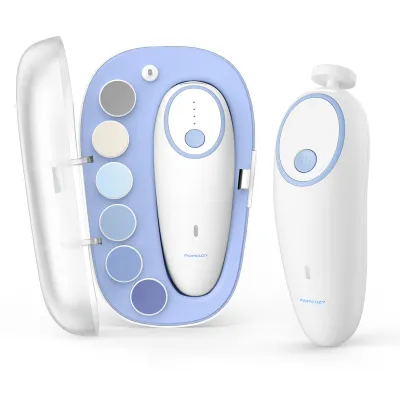
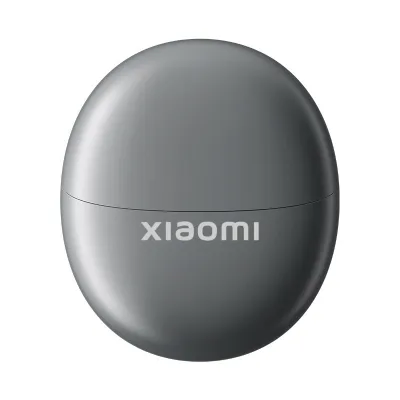
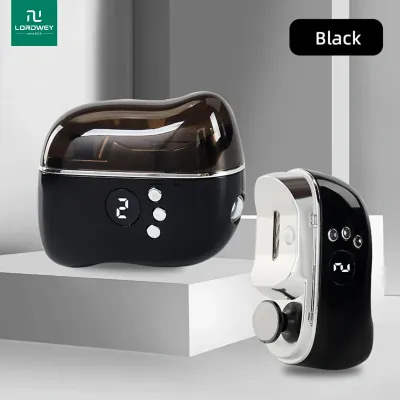
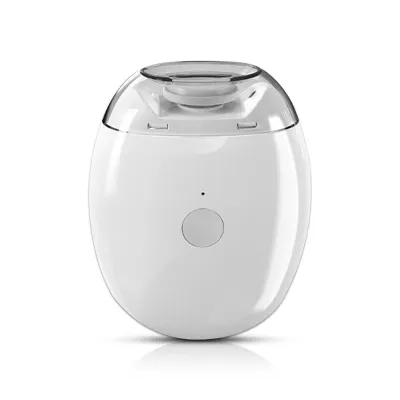
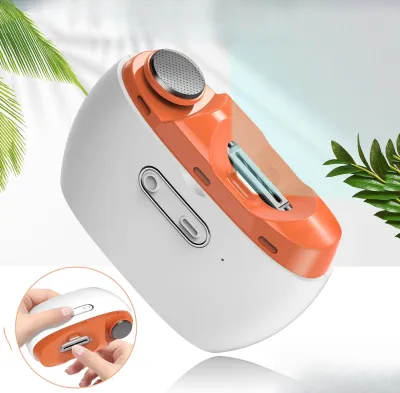
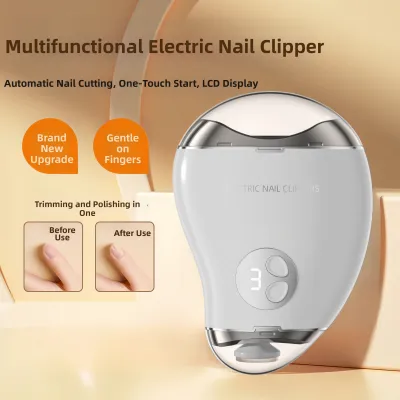
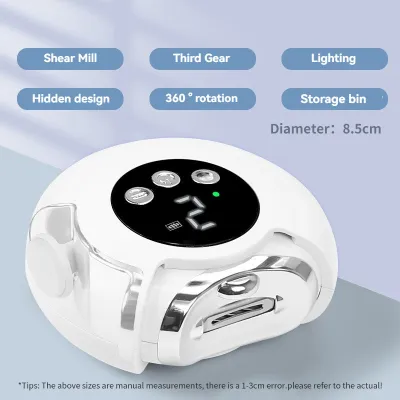
Prices are valid at publication and may change. Please refer to the product page for the latest price.
How Electric Baby Nail Clippers Protect Tiny Fingers
To understand why an electric baby nail clipper is considered a safer alternative to traditional metal tools, it helps to look at how these devices function. Unlike traditional clippers or scissors that rely on sharp metal blades to cut through the nail, an electric clipper uses a rotating, cushioned filing pad. This pad is coated with a fine, sandpaper-like grit that gently grinds down the nail edge.

This grinding mechanism is often referred to as a “nick-free” design. Because the pad is cushioned and rotates at controlled speeds, it is designed to stop or slip harmlessly if it makes brief contact with the soft skin of a baby’s finger. This significantly reduces the risk of the painful cuts and bleeding that can occur with traditional blades when a baby suddenly wiggles.
In addition to the grinding mechanism, modern electric baby nail clippers come equipped with several safety and convenience features:
- Adjustable Speed Settings: Most devices offer at least two speed modes (low and high). For newborns and young infants, the lowest speed setting is essential to maintain maximum control and minimize friction.
- Reversible Rotation: The motor can typically spin both clockwise and counter-clockwise. This allows parents to adjust the rotation direction depending on which hand they are trimming, ensuring the file always moves away from the skin rather than pulling the nail upward.
- Built-in LED Lights: A small, whisper-quiet LED light is often positioned at the tip of the device. This illuminates the tiny finger, helping parents clearly see the boundary between the nail and the skin, even in low-light environments like a darkened nursery.
By smoothing out sharp edges gradually, these devices eliminate the need for the micro-precision required by traditional scissors, making the process far less intimidating for parents.
Unique Safety Risks for Newborns and Young Infants
While the absence of sharp blades makes the electric baby nail clipper highly appealing, parents must remain aware of the unique physical vulnerabilities of very young infants. Motorized grooming tools introduce specific risks that require careful handling:
- Friction and Heat Buildup: The rotating motion of the filing pad creates friction. If the pad is held in one spot for too long, this friction can quickly generate heat. On a newborn's highly sensitive skin, even a small amount of heat can cause discomfort, redness, or mild thermal irritation.
- Over-filing and Nail Bed Damage: Newborn nails are extremely soft, pliable, and thin. Because the electric file works quickly, it is surprisingly easy to over-file. If a parent is not paying close attention, they can easily grind past the nail plate and damage the delicate nail bed or the surrounding cuticle, leading to soreness and potential exposure to bacteria.
- The Startle Reflex (Moro Reflex): Infants under three months old have an active startle reflex. The low-frequency hum and vibration of the motor, while minimal, can sometimes startle a sleeping or relaxed baby. A sudden, involuntary jerk can cause the parent's hand to slip, resulting in the spinning pad abrading the delicate skin around the nail.
- Age Appropriateness of Filing Pads: Most electric clippers come with a set of color-coded filing pads, each designed for a specific age range (e.g., 0-3 months, 3-6 months, 6-12 months, and 12+ months). The grit on these pads becomes progressively coarser as the baby grows and their nails harden. Using a pad designed for an older infant on a newborn can easily scrape and damage their ultra-thin skin. Parents must always verify the manufacturer's pad-to-age chart before starting.
Electric Clippers vs. Traditional Baby Nail Scissors
When deciding on the best nail care tool for a newborn, parents typically compare electric baby nail clippers with traditional baby nail scissors. Both tools have distinct advantages and trade-offs across several key decision-making dimensions:
- Cut vs. File: Traditional baby scissors use a cutting action to remove the nail in a single snip. This offers immediate results but carries a high risk of snipping the skin if the baby moves unexpectedly. Electric clippers grind the nail down gradually, which eliminates the risk of a sudden cut but introduces the risk of friction heat if held in place too long.
- Precision on Soft Nails: Baby nail scissors often provide excellent precision for paper-thin, pliable newborn nails that tend to bend rather than file. An electric file can sometimes struggle to grip or file extremely soft nails that hug the nail bed closely, requiring a gentle, sweeping technique to catch the edge.
- Ease of Use and Parental Confidence: For nervous parents, the fear of cutting their baby's fingers is a major source of anxiety. Electric clippers are highly popular because they are far less intimidating and require less manual dexterity than scissors. Scissors require a very steady hand, excellent lighting, and high confidence to execute a clean cut safely.
- Sensory Impact: Scissors are completely silent and vibration-free, making them ideal for babies who are highly sensitive to noise. Electric clippers, even the quietest models, produce a low hum and vibration. While many babies find this soothing, some may find the sensation unsettling and react with distress.
Ultimately, the choice depends on your baby’s temperament and your own comfort level. Many parents in Singapore adopt a hybrid approach: using the electric baby nail clipper during the early, nervous weeks to safely smooth out sharp edges, and transitioning to high-quality baby scissors as the child’s nails grow thicker and less pliable.
Step-by-Step Guide to Safely Trimming Baby Nails
To minimize the risks associated with motorized filing and ensure a safe, comfortable experience for your infant, follow this structured, step-by-step guide:
- Choose the Right Timing: The best time to trim your baby's nails is when they are calm, relaxed, or deeply asleep. Trimming during a feed or immediately after a bath can also work well. In Singapore's humid climate, a post-bath trim is popular because the warm water softens the nails further; however, ensure you thoroughly dry your baby's hands first, as wet nails are more prone to tearing and over-filing.
- Set Up a Well-Lit Environment: Ensure you have excellent visibility. If you are trimming while your baby is sleeping in a darkened room, make use of the clipper's built-in LED light or a soft, focused nightlight. Never attempt to trim your baby's nails in poor lighting.
- Select the Correct Pad and Speed: Always start by checking the manufacturer's instructions to identify the correct color-coded pad for your baby's age. For newborns (0-3 months), select the softest, lowest-grit pad available. Set the device to its lowest speed setting to maintain maximum control.
- Master the Proper Technique: Hold your baby's finger firmly but gently between your thumb and forefinger. Use your thumb to gently pull the sensitive skin of the finger pad away from the nail edge. Press the rotating pad lightly against the nail at a slight angle. Keep the device in constant, gentle motion, sweeping it smoothly across the curve of the nail. Never hold the spinning pad in one spot, and do not apply heavy pressure.
- Keep Sessions Short: A baby's attention span is short, and prolonged exposure to vibration can cause sensory overload. Keep nail-trimming sessions brief and focused. If your baby becomes fussy or starts wriggling, stop immediately and finish the remaining fingers during another session.
When to Stop Use and Seek Medical Advice
Even with the safest tools, minor accidents or skin irritation can occasionally occur. Knowing when to stop the procedure and how to respond is crucial for your baby’s safety and well-being:
- When to Stop Immediately: Cease using the electric clipper immediately if your baby shows signs of distress, cries, or tries to pull their hand away. You should also stop if you notice any localized redness, warmth, or skin abrasion around the nail bed, which indicates that the pad is causing excessive friction or has been held in one spot for too long.
- First Aid for Minor Abrasions: If the spinning pad accidentally scrapes the skin and causes a minor abrasion, do not panic. Gently wash the area with cool, clean water and pat it dry with a clean cloth. Avoid applying loose adhesive bandages (plasters) to an infant's fingers or hands. Because babies frequently put their hands in their mouths, loose bandages pose a serious choking hazard. Instead, keep the area clean and dry, and let it heal naturally.
- When to Consult a Professional: Monitor the area closely over the following days. You should consult a pediatrician or seek professional medical advice if you notice any signs of infection, such as spreading redness, localized swelling, warmth, or pus. Additionally, if an accidental cut occurs and does not stop bleeding after applying gentle pressure with a clean cloth for a few minutes, seek medical attention immediately. Always prioritize professional medical guidance over home remedies for any persistent skin or nail issues.
Frequently Asked Questions (FAQ)
Can I use an electric nail clipper while my baby is sleeping?
Yes, using an electric baby nail clipper while your baby is asleep is a highly effective and common strategy. Most high-quality electric clippers are designed with whisper-quiet motors specifically to avoid waking a sleeping child. To ensure safety, make sure you have adequate lighting—such as the device’s built-in LED light or a soft bedside lamp—so you can clearly see the boundaries of the nail and avoid accidental contact with the surrounding skin.
How often should I file my newborn's nails?
Newborn nails grow incredibly fast and can become sharp enough to scratch their delicate faces within days. You may need to file them once or twice a week. However, you should only file when there is a visible edge or a sharp corner that poses a scratching risk. Avoid excessive, daily filing, as over-filing can wear down the nail too close to the nail bed and cause discomfort or irritation.
Do I need to sterilize the electric nail clipper pads?
No, you should not sterilize the filing pads in a steam sterilizer or boiling water, as the extreme heat and moisture can damage the plastic backing and ruin the adhesive holding the grit in place. Instead, simply wipe the filing pads with a clean, dry cloth or a slightly damp, baby-safe sanitising wipe after each use to remove nail dust. Always consult your product’s manual for specific cleaning and maintenance instructions, and never submerge the motorized unit in water.
Community discussion
Share your experience or ask a question. Comments are reviewed before publication.