
Standard household disinfecting wipes are formulated exclusively for hard, non-porous surfaces and are never safe for direct use on baby skin. Infant skin is highly permeable, up to 30% thinner than adult skin, and lacks a fully developed protective barrier. Direct contact with the harsh chemical biocides found in surface disinfectants can lead to severe skin irritation, chemical burns, or systemic absorption of toxic ingredients.
In Singapore’s hot and humid climate, babies are already prone to skin conditions like heat rash, diaper rash, and eczema. Introducing harsh surface chemicals to an already vulnerable skin barrier significantly elevates the risk of painful flare-ups. While keeping your baby’s environment clean is essential, parents must establish a strict boundary between products designed to sanitize environmental surfaces and those formulated to cleanse delicate skin.
Disinfecting Wipes vs. Baby Wipes: Why the Confusion?
It is easy for busy parents to confuse different types of pre-moistened wipes, especially when products are marketed with terms like “antibacterial,” “cleansing,” or “all-purpose.” However, household disinfecting wipes and baby wipes belong to entirely different product categories with distinct chemical formulations, safety standards, and intended uses.
Products mentioned in this guide
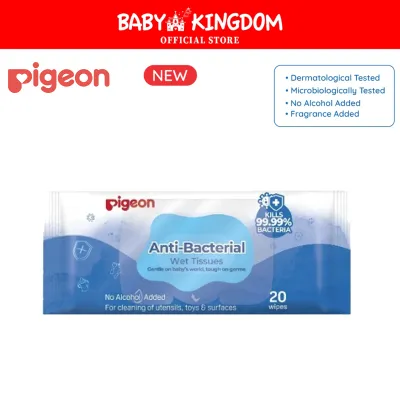
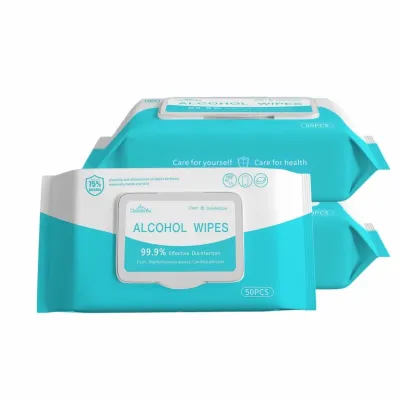
Prices are valid at publication and may change. Please refer to the product page for the latest price.
Household disinfecting wipes are registered pesticides designed to kill 99.9% of bacteria, viruses, and fungi on inanimate objects. To achieve this, they utilize strong chemical agents and are often formulated with a highly alkaline or highly acidic pH to break down organic matter on surfaces. These products are not subject to cosmetic safety regulations and are not dermatologically tested for skin compatibility.
In contrast, baby wipes are classified as cosmetic products. They are formulated with over 95% water, mild surfactants, skin-conditioning emollients, and gentle preservatives. Their pH is carefully balanced to match the natural, slightly acidic pH of healthy baby skin, which typically hovers around 5.5. This acidic environment, often called the acid mantle, is crucial for keeping out harmful bacteria and maintaining moisture.
Using a surface disinfecting wipe in place of a baby wipe strips away this protective acid mantle, removes essential skin lipids, and exposes the delicate epidermis to industrial-strength active ingredients. Even “antibacterial” baby wipes, which are designed for hand hygiene, are vastly different from surface disinfectants; however, even these should be used with caution on infants and never on the sensitive diaper area.
Harmful Ingredients to Check on Disinfecting Wipe Labels
When purchasing cleaning products for a household with an infant, reading the ingredient label is a vital safety habit. Many common active ingredients in household disinfectants pose severe risks if they accidentally come into contact with a baby’s skin or are transferred from a surface to a baby’s mouth.

Quaternary Ammonium Compounds (Quats)
Quaternary Ammonium Compounds, commonly listed on labels as benzalkonium chloride, benzethonium chloride, or alkyl dimethyl benzyl ammonium chloride, are the active sanitizing agents in most commercial disinfecting wipes. While they are highly effective at neutralizing pathogens on high chairs and countertops, they are notorious skin irritants.
Direct contact with Quats can cause irritant contact dermatitis, characterized by redness, itching, and dry, peeling skin. Prolonged or repeated exposure can sensitize the skin, leading to chronic allergic reactions. Furthermore, because babies frequently put their hands and toys in their mouths, any residual Quats left on surfaces present an ingestion hazard that can irritate the sensitive mucous membranes of the mouth and digestive tract.
High-Concentration Alcohols and Bleach
Many quick-drying disinfecting wipes rely on high concentrations of isopropyl alcohol or ethanol (often exceeding 60%) to kill germs. While alcohol evaporates rapidly, direct contact with infant skin immediately strips away the natural moisture barrier. This rapid dehydration leads to severe dryness, cracking, and micro-tears in the skin, which can become entry points for infection.
Bleach-based (sodium hypochlorite) or hydrogen peroxide-based wipes are even more hazardous. These chemicals are highly corrosive. If a bleach-based wipe is used on a baby’s skin, it can cause immediate chemical burns, intense pain, and permanent tissue damage. The strong fumes from bleach and alcohol can also irritate a baby’s highly sensitive respiratory system, potentially triggering coughing fits or wheezing.
Synthetic Fragrances and Preservatives
To mask the harsh chemical odors of active sanitizing agents, manufacturers frequently add synthetic fragrances to disinfecting wipes. On ingredient lists, these are often hidden under generic terms like “fragrance” or “parfum.” These synthetic mixtures frequently contain phthalates, which are known endocrine disruptors, and volatile organic compounds that can trigger asthma and allergic contact dermatitis.
Additionally, strong preservatives are required to keep pre-moistened wipes shelf-stable. Parents should look out for harsh preservatives such as methylisothiazolinone (MI), methylchloroisothiazolinone (MCI), and formaldehyde-releasing agents. These chemicals are among the most common triggers for pediatric eczema flare-ups and contact allergies, making them highly unsuitable for environments where babies play and sleep.
Are There "Skin-Safe" Disinfecting Wipes?
The growing demand for safer household products has led to a rise in wipes marketed as “natural,” “plant-based,” “botanical,” or “food-contact safe.” These products often utilize active ingredients derived from plants, such as thymol (derived from thyme oil), citric acid, or lactic acid, rather than synthetic quaternary ammonium compounds.
While these botanical alternatives are generally less toxic to the environment and carry a lower risk of severe chemical burns, parents must not assume they are safe for direct skin application. A product labeled “natural” or “food-grade” can still cause allergic reactions, contact dermatitis, or eye irritation upon direct contact. Thymol, for instance, is a highly effective antimicrobial but remains a known skin sensitizer in concentrated forms.
Before using any wipe on or around your baby, you must verify the manufacturer’s label for explicit instructions. Look for clear statements indicating whether the product is dermatologically tested, approved for skin contact, or restricted by age. If a product is marketed as a surface disinfectant—even a botanical one—it is not designed for the human body. Furthermore, check if the label specifies a mandatory water rinse after use on surfaces that come into direct contact with food or a baby’s mouth.
Safe Practices for Using Disinfecting Wipes Around Babies
You do not need to stop using disinfecting wipes altogether to keep your home clean. Instead, implementing a safe, systematic cleaning workflow ensures that your baby’s environment remains hygienic without exposing their delicate skin to chemical residues.
- Step 1: Relocate the baby during cleaning. Before you begin disinfecting any room or baby gear, move your infant to a separate, well-ventilated area. This prevents them from inhaling volatile chemical fumes or accidentally reaching out to touch a wet, freshly treated surface.
- Step 2: Limit use to hard, non-porous surfaces. Only use disinfecting wipes on materials they are designed for, such as plastic high chairs, changing table frames, stroller handles, and hard plastic toys. Never use them on soft, porous materials like mattress fabrics, plush toys, or clothing, which can absorb and hold onto chemical residues.
- Step 3: Respect the required contact time. For a disinfectant to actually kill target pathogens, the surface must remain visibly wet for a specific duration, known as "contact time" or "dwell time." Check the product label for this duration, which can range from 30 seconds to 10 minutes. Do not wipe the surface dry prematurely, as this defeats the purpose of disinfecting.
- Step 4: Perform a thorough clean-water rinse. This is the most crucial step for infant safety. Once the contact time has elapsed and the surface has air-dried, take a clean cloth dampened with plain water, or a pure water-based baby wipe, and thoroughly wipe down the surface. This mechanical rinse removes any lingering chemical residues, ensuring that when your baby touches the high chair or puts a toy in their mouth, they do not ingest or absorb active disinfectants.
What to Do If Your Baby's Skin Reacts
Accidents happen, and a baby’s skin may occasionally come into contact with a household disinfecting wipe or a surface that has not been properly rinsed. Prompt, calm action can minimize irritation and prevent more severe complications.
If you suspect your baby’s skin has been exposed to a disinfecting wipe, immediately flush the affected area with generous amounts of lukewarm water. Use a mild, fragrance-free baby wash to gently cleanse the skin and remove any remaining chemical residue. Avoid scrubbing, as this can push the chemicals deeper into the skin and worsen irritation. Pat the area dry with a clean, soft towel.
Monitor the skin closely over the next 24 to 48 hours. If the skin appears dry or slightly pink, apply a plain, pediatrician-approved emollient or barrier cream to help restore the skin barrier. Stop using the suspected disinfecting product immediately and ensure all household cleaning products are stored securely out of reach.
When to seek professional medical help: You should consult a pediatrician or seek immediate medical attention if you observe any of the following red-flag symptoms:
- Severe redness, swelling, or skin that feels hot to the touch
- Blistering, peeling, or open sores
- Weeping, oozing, or signs of pus, which may indicate a secondary infection
- Signs of an allergic reaction, such as hives spreading across the body
- Any signs of respiratory distress, including wheezing, rapid breathing, or persistent coughing, which can occur from inhaling strong chemical fumes
Frequently Asked Questions (FAQ)
Can I use hand sanitizing wipes on my baby's hands?
No, you should avoid using standard hand sanitizing wipes on babies. While these wipes are formulated for skin, they typically contain very high concentrations of alcohol (ethanol or isopropyl alcohol) to kill germs. This can severely dry out an infant’s thin skin. Furthermore, because babies constantly put their hands in their mouths, there is a high risk they will ingest the active sanitizing chemicals or residual alcohol, which can be toxic. The safest and most effective way to clean a baby’s hands is with plain soap and warm water, or a gentle, water-based baby wipe if soap is unavailable.
How do I disinfect baby toys safely?
To disinfect hard plastic toys safely, first wash away any visible dirt with warm, soapy water. If you choose to use a household disinfecting wipe, wipe the toy thoroughly and ensure it remains wet for the full contact time listed on the product label. Once dry, you must rinse the toy thoroughly under running tap water or wipe it down completely with a clean, water-dampened cloth to remove all chemical residues. For plush, fabric, or electronic toys, always refer to the manufacturer’s care instructions. Fabric toys should be washed in a washing machine using a sensitive, baby-safe laundry detergent on a hot cycle rather than treated with chemical disinfecting wipes.

Community discussion
Share your experience or ask a question. Comments are reviewed before publication.