
Determining whether Cubble wipes are safe for your newborn’s sensitive skin requires looking closely at their specific ingredients, understanding your baby’s unique skin barrier, and performing a careful patch test at home. While many baby wipes are marketed as gentle, every infant’s skin reacts differently to topical products. Parents must learn how to evaluate the packaging, understand the formulation, and monitor their baby’s skin response to ensure a safe diapering routine.
By taking a systematic approach to product selection, you can minimize the risk of contact dermatitis and diaper rash. This guide will walk you through the science of newborn skin, how to decode the ingredient list on a pack of Cubble wipes, and the best practices for introducing new wipes to your baby’s daily care.
Why Newborn Skin Needs Special Wipe Ingredients
Newborn skin is fundamentally different from adult skin, requiring a much higher level of care and protection. The outermost layer of the skin, known as the stratum corneum, is up to thirty percent thinner in infants than in adults. This thinness means the skin barrier is highly delicate, making it far more susceptible to mechanical friction, environmental irritants, and chemical exposure.
Products mentioned in this guide
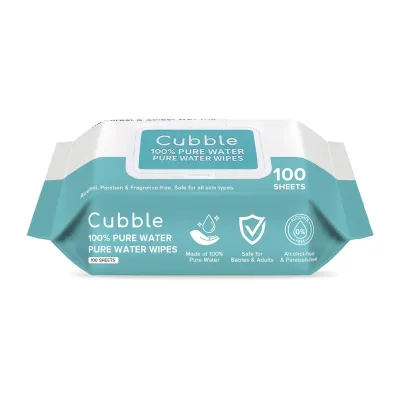
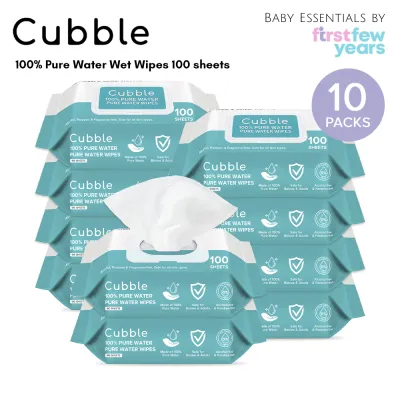
![Cubble 100% Pure Water Wet 100 sheets x 10 Packs = 1000 sheets / 24 Pack 1 Carton [EXP 12/28]](https://img.lazcdn.com/g/p/aefd507e6fbf255faf2ffd7fade78478.jpg_400x400q80.jpg_.webp)
Prices are valid at publication and may change. Please refer to the product page for the latest price.
Because of this structural difference, newborn skin has a much higher rate of transepidermal water loss and increased permeability. Any chemical applied to your baby’s skin is absorbed more rapidly and deeply than it would be on adult skin. Consequently, ingredients that are perfectly harmless to older children or adults can easily trigger irritation, dryness, or allergic reactions in a newborn.
Additionally, a newborn’s skin is still developing its natural acid mantle, which is a thin, slightly acidic film on the skin’s surface that protects against harmful bacteria and fungi. Harsh alkaline ingredients or heavy chemical formulations can disrupt this delicate pH balance. When the acid mantle is compromised, the skin becomes highly vulnerable to infections and severe diaper rash.
To protect this fragile barrier, parents should look for wipes with a very high water content, ideally ninety-nine percent pure water. Soothing, plant-derived ingredients like aloe vera and chamomile extract are excellent additions, as they help calm minor irritation and provide light hydration without leaving a heavy, sticky residue. Glycerin is another beneficial ingredient that acts as a humectant, drawing moisture into the skin to keep it soft and supple.
Conversely, there are several common ingredients that parents should strictly avoid when selecting baby wipes. Alcohol, particularly denatured or isopropyl alcohol, strips the skin of its natural oils and causes immediate dryness and irritation. Parabens, synthetic fragrances, and harsh preservatives like methylisothiazolinone are notorious for causing allergic contact dermatitis and should never be used on newborn skin.
How to Check Cubble Wipes for Your Baby's Safety
To determine if a specific pack of Cubble wipes is suitable for your newborn, you must start by reading the ingredient list on the back of the packaging. Ingredients are always listed in descending order of concentration, meaning the first few ingredients make up the vast majority of the liquid formula. Ensure that water is the very first ingredient listed, as this guarantees a highly diluted, gentle base.
As you scan the rest of the ingredient list, cross-reference each item with known skin irritants and allergens. Look closely for any synthetic perfumes or chemical preservatives that might trigger a reaction. If you encounter chemical names that you do not recognize, take a moment to research their safety profile or consult your pediatrician before using the wipes on your baby.
Pay close attention to the specific marketing claims printed on the Cubble packaging, but understand what these terms mean in practice. The term “hypoallergenic” indicates that the product has been formulated to minimize the likelihood of an allergic reaction, but it is not a legal guarantee that your baby will not react to it. Every infant’s skin chemistry is unique, and even hypoallergenic products can occasionally cause irritation.
Similarly, “fragrance-free” means that no synthetic or natural perfumes have been added to the product to give it a scent. This is highly preferable to “unscented,” which may still contain masking fragrances designed to cover up the natural smell of the chemical ingredients. For newborns, completely fragrance-free wipes are always the safest choice to prevent respiratory and skin sensitization.
Finally, look for the “dermatologically tested” label on the packaging. This claim means that the product has been tested on human skin under the supervision of a dermatologist to check for adverse reactions. While this provides an extra layer of reassurance, parents should still verify the full ingredient list themselves, as testing standards can vary significantly between different brands and regions.
How to Do a Safe Patch Test Before Full Use
Before incorporating Cubble wipes into your newborn’s daily diapering routine, performing a localized patch test is a highly recommended safety measure. This simple, low-risk test allows you to observe how your baby’s skin reacts to the wipe’s formulation on a small scale, preventing a widespread reaction across the highly sensitive diaper area.
To begin the patch test, select a small, discreet, and completely intact area of your baby’s skin. The inner forearm or the upper thigh are ideal locations because they are easily accessible, easy to monitor, and less likely to be subjected to heavy friction from clothing or diapers. Avoid testing on any area that already has a rash, scratch, or dry patch.
Gently swipe a small corner of a fresh Cubble wipe over the selected test area, ensuring the skin is thoroughly moistened with the liquid from the wipe. Allow the area to air dry completely without wiping it off or applying any creams or lotions. Keep the area uncovered by tight clothing so that the skin can breathe naturally during the observation period.
Observe the test area closely over the next twenty-four to forty-eight hours. Check the site during regular diaper changes or clothing adjustments, looking for any visible signs of irritation. These signs may include localized redness, swelling, dry or scaly patches, tiny raised bumps, or any indication that the skin is peeling.
If you notice any of these adverse signs, or if your baby flinches and seems uncomfortable when the test area is touched, stop the test immediately. Wash the skin gently with lukewarm, plain water to remove any remaining residue, and do not use the wipes again. If the skin remains completely clear and healthy after forty-eight hours, the wipes are generally safe to use on your baby.
Spotting and Handling Wipe-Related Skin Reactions
Even with careful ingredient checking and patch testing, delayed skin reactions can still occur after prolonged or repeated use of a product. Parents must be able to quickly identify the visual and behavioral signs of contact dermatitis, which is an inflammatory skin reaction caused by direct contact with an irritating substance.
Visual signs of a wipe-related reaction typically present as localized redness that matches the exact area where the wipe was used. You may also notice dry, rough, or peeling skin, small fluid-filled bumps, or skin that feels unusually warm to the touch. In severe cases, the skin may become raw, cracked, or show signs of bleeding.
Behavioral signs are equally important to monitor, especially since newborns cannot communicate their discomfort verbally. If your baby cries, fusses, or flinches excessively during diaper changes when you wipe them, this is a strong indication that the wiping process is causing pain or burning. A baby who becomes unusually restless or irritable after a diaper change may also be experiencing lingering skin discomfort.
If you suspect that Cubble wipes are causing a skin reaction, take immediate action to soothe your baby’s skin. Discontinue using the wipes immediately and switch to using plain, lukewarm water and large, sterile cotton wool pads or soft reusable bamboo cloths for all diaper changes. This completely eliminates chemical exposure and allows the skin’s natural barrier to begin healing.
While mild skin irritation often resolves within a few days of stopping the product, you must know when to seek professional medical help. Consult a pediatrician or dermatologist immediately if the rash spreads beyond the diaper area, if the skin cracks, bleeds, or oozes pus, or if your baby develops a fever. A persistent rash that does not improve after three days of gentle water-only cleansing also requires professional evaluation.
Gentle Wiping Habits to Protect Sensitive Skin
The way you clean your baby’s skin is just as important as the wipes you choose. Mechanical friction from rough wiping can easily damage the delicate newborn skin barrier, making it far more vulnerable to chemical irritation and bacterial infections. Adopting gentle wiping habits is essential for maintaining healthy skin.
Always pat the skin dry gently instead of rubbing or dragging the wipe across your baby’s skin. Rubbing creates micro-tears in the stratum corneum, which can lead to painful chafing and allow moisture and bacteria to penetrate the skin. A gentle patting motion is highly effective at cleansing without causing physical trauma to the skin.
After cleansing, allow your baby’s skin to air dry completely before putting on a new diaper. Trapping moisture inside a tight diaper creates a warm, humid environment that is highly conducive to diaper rash and fungal infections. You can gently fan the area with a clean diaper or use a soft, dry, clean cloth to pat away any remaining moisture before fastening the new diaper.
Consider alternating between commercial wipes and water-soaked cotton pads during your daily routine. For routine diaper changes that only involve wetness, plain water and cotton pads are often sufficient and significantly reduce your baby’s overall exposure to preservatives and cleansing agents. Save commercial wipes for messy bowel movements where their cleansing and lifting properties are most needed.
Finally, ensure that you are not fastening your baby’s diaper too tightly, as this can press the diaper and any residual moisture or wipe ingredients firmly against the skin, increasing friction and irritation. Leaving a small amount of breathing room in the diaper helps maintain proper air circulation, keeping the skin dry, healthy, and comfortable.
Frequently Asked Questions (FAQ)
Can I use Cubble wipes on my newborn's face and hands?
The skin on a newborn’s face is even thinner and more sensitive than the skin on their diaper area, making it highly susceptible to irritation. Before using Cubble wipes on your baby’s face or hands, check the product packaging to ensure it is explicitly labeled as safe for multi-use or facial application. Always avoid the delicate eye area entirely, as the ingredients in standard wipes can cause stinging and redness if they get into the eyes. For routine facial cleaning, a soft washcloth dampened with plain, lukewarm water remains the gentlest and safest option.
Are plain water wipes always better for sensitive skin?
Plain water wipes are highly regarded because they minimize the number of chemical ingredients, significantly reducing the risk of allergic contact dermatitis. However, they are not a universal solution for every situation. Because water wipes contain minimal or no preservatives, they can have a shorter shelf life once opened and are more susceptible to bacterial or mold growth if stored in warm, damp environments. Formulated wipes, when properly balanced with mild, safe preservatives, offer a longer shelf life and reliable hygiene, making them a highly practical choice for on-the-go parenting.
What if my baby gets a rash after trying a new wipe?
If your baby develops a diaper rash or skin irritation after you introduce a new wipe, stop using the product immediately. Clean the affected area gently using only plain, lukewarm water and soft cotton pads, avoiding any rubbing or scrubbing. Apply a thick layer of a fragrance-free barrier cream containing zinc oxide to protect the skin from moisture and friction. If the rash does not begin to improve within two to three days, or if it becomes bright red with red spots spreading outward, consult a healthcare professional to rule out a yeast infection or severe allergic reaction.

Community discussion
Share your experience or ask a question. Comments are reviewed before publication.