
Caring for a newborn brings a wave of new responsibilities, and maintaining your baby’s hygiene is often at the top of the list. When parents notice a buildup of wax in a tiny ear or dried mucus in a small nostril, the immediate instinct is often to reach for a cotton swab. However, the short answer to whether cotton buds are safe for cleaning a newborn’s ears and nose is a definitive no—at least not for internal cleaning.
Pediatricians and medical experts globally agree that inserting any object, including a cotton swab, into a baby’s ear canal or nasal passages is highly dangerous. The safe use of these grooming tools is strictly limited to the visible, outer areas of the body. Understanding the boundary between safe external grooming and risky internal cleaning is crucial for preventing accidental injury.
Earwax and nasal mucus are not signs of poor hygiene; rather, they are natural protective mechanisms. Earwax traps dust and debris while lubricating the ear canal, and nasal mucus filters the air your baby breathes. In most cases, these substances clear themselves naturally without any manual intervention. Attempting to force them out often disrupts this natural cycle and introduces unnecessary risks to your baby’s health.
Products mentioned in this guide
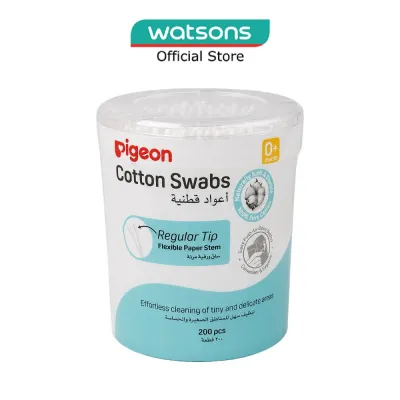
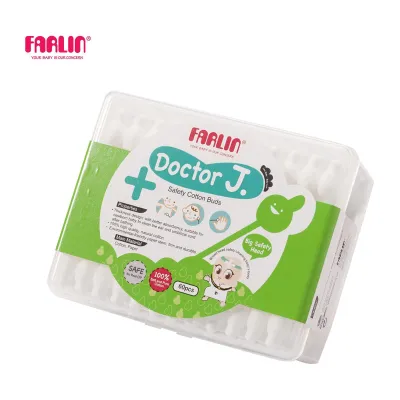
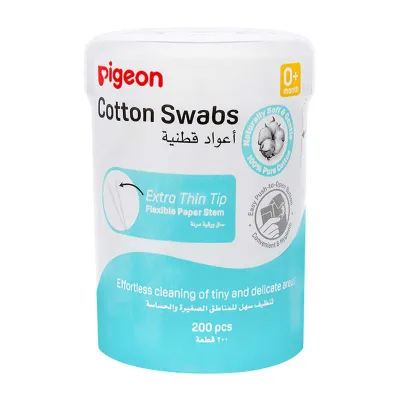
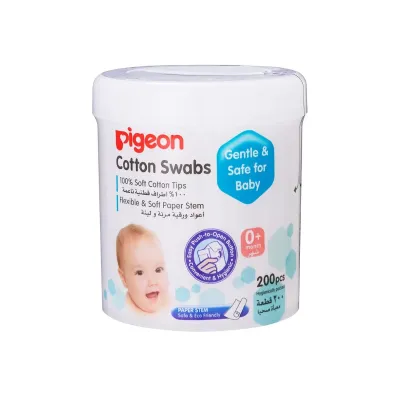
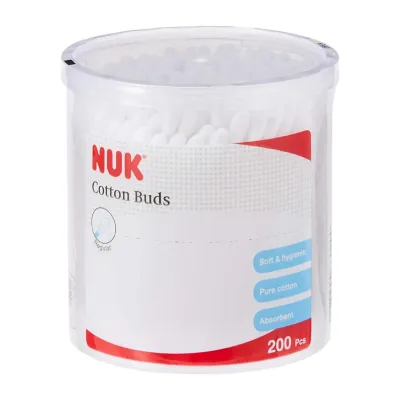
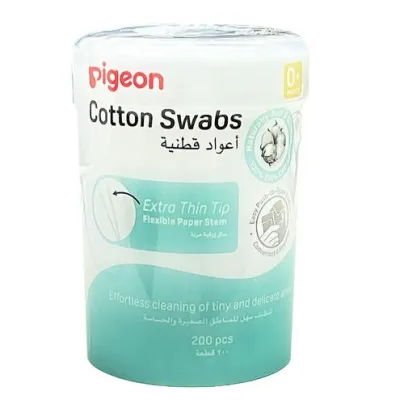
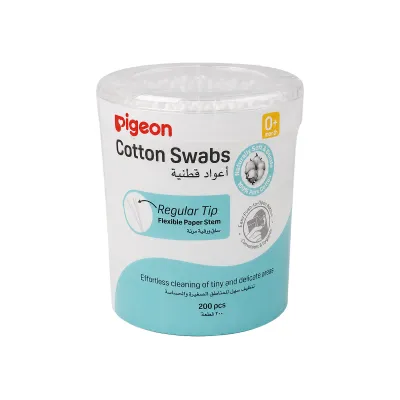
Prices are valid at publication and may change. Please refer to the product page for the latest price.
Hidden Dangers: Why You Should Never Insert Cotton Buds
The anatomy of a newborn is incredibly delicate. The ear canal of an infant is short, narrow, and straight, meaning the distance from the outer ear to the eardrum is remarkably small. When you insert a cotton bud into this tiny space, it acts like a piston in a cylinder. Instead of extracting the wax, the swab typically pushes the wax deeper into the canal, compacting it against the eardrum. This can lead to cerumen impaction, which causes pain, temporary hearing loss, and a higher risk of developing middle ear infections.
An even more severe risk is the physical puncture of the tympanic membrane, or eardrum. A newborn’s eardrum is paper-thin and highly sensitive. A sudden movement from a startled baby while a cotton bud is inside the ear can instantly rupture this membrane. A torn eardrum is excruciatingly painful for an infant and can lead to permanent hearing damage or require surgical intervention to repair.
Similarly, the nasal passages of a newborn are lined with a fragile, highly vascularized mucous membrane. This tissue contains a dense network of tiny blood vessels that lie very close to the surface. Inserting a cotton swab into the nostril can easily scrape this lining, causing micro-tears, bleeding, and localized irritation. Because babies are obligate nasal breathers—meaning they naturally breathe almost exclusively through their noses for the first few months of life—any swelling or inflammation in the nasal passages can significantly disrupt their ability to breathe, feed, and sleep comfortably.
Furthermore, using cotton buds internally can trigger what is known as the rebound effect. The skin inside the ear canal contains glands that produce earwax in response to physical stimulation or dryness. When you scrape the canal with a cotton swab, you strip away the protective layer of wax and irritate the underlying skin. In response, the body’s defense mechanism kicks in, signaling these glands to produce even more earwax to protect the irritated tissue. This creates a frustrating cycle where the more you clean, the more wax your baby’s body produces.
Step-by-Step Guide to Safely Cleaning Baby Ears and Noses
Safe Ear Cleaning Techniques
To keep your baby’s ears clean without risking internal damage, focus entirely on the outer ear structures. Start by gathering a soft, clean washcloth or a sterile cotton ball and some warm water. Ensure the water is lukewarm by testing it on the inside of your wrist before bringing it near your baby’s face.

Gently moisten the washcloth or cotton ball, squeezing out any excess water so it is damp rather than dripping wet. Carefully wipe the outer ear, known as the pinna, paying close attention to the natural folds and curves where milk residue, spit-up, or dust can accumulate. Wipe gently behind the ear lobe as well, as this area is a common spot for sweat and moisture to pool, which can lead to skin chafing or cradle cap.
Never attempt to push the cloth or cotton ball into the opening of the ear canal. Once you have wiped the outer structures, use a dry, soft towel to pat the area completely dry. In Singapore’s warm and humid climate, leaving moisture trapped in the outer ear folds can create an ideal breeding ground for bacteria or fungi, potentially leading to painful skin irritations or outer ear infections.
Safe Nose Cleaning Techniques
When it comes to clearing a congested baby nose, the safest approach involves softening the mucus first rather than trying to scrape it out. Infant nasal passages are easily blocked by dried mucus, which can make breathing noisy and feeding difficult. Begin by using infant-safe saline drops or sprays, which are specifically formulated with a gentle, sterile salt solution.
Lay your baby flat on their back and gently support their head. Administer one to two drops of saline into each nostril, taking care not to insert the dropper tip deep into the nose. Allow the saline to sit for about one minute; this helps to dissolve and loosen stubborn, dried mucus. Often, the saline will trigger a sneeze, which naturally expels the loosened mucus to the front of the nose where it can be easily wiped away.
If the mucus remains lodged, use a manual bulb syringe or a modern infant nasal aspirator to gently draw it out. To use a bulb syringe, compress the bulb first to expel the air, then gently place the tip just inside the opening of the nostril—never push it deep. Slowly release the bulb to create a gentle vacuum that draws the mucus into the syringe. Wipe the tip clean on a tissue before repeating on the other side. Finish by wiping the outer area of the nostrils with a soft, damp cloth to remove any remaining discharge.
Evaluating Baby-Specific Cotton Buds: Do Safety Guards Work?
As you browse the baby care aisle, you will find specialized grooming products designed to mitigate the risks of traditional swabs. Many reputable brands, such as the widely recognized Pigeon cotton bud, offer cotton swabs specifically engineered for infants. These products often feature unique design modifications, such as bulbous safety loops, dual-ended tips, paper stems instead of plastic, or ultra-thin profiles designed to navigate tiny outer ear folds.
The primary innovation in these baby-specific swabs is the safety guard design. This feature typically consists of a thicker, bulbous section of cotton just below the tip. The physical bulk of this guard is designed to act as a barrier, preventing the swab from being inserted too deeply into a tiny ear canal or nostril. Other variations include spoon-shaped or spiral tips designed to gently scoop away loose, visible debris from the outer ear crevices.
While these design features are highly beneficial, it is vital to understand the crucial safety boundary: a safety guard is a physical guide, not a license to clean inside the canal. Even with a safety guard, these cotton buds must never be pushed past the visible outer structures of the ear or nose. The safety bulb is meant to prevent accidental deep insertion if the baby makes a sudden movement, but deliberate internal use still carries risks of irritation, compaction, and mucosal damage.
Before purchasing or using any baby-specific cotton buds, parents should carefully inspect the product packaging. Always verify the manufacturer’s age recommendations, safety warnings, and instructions. Ensure the cotton tips are tightly wound and securely attached to the stem to prevent fibers from shedding or detaching during use. When used correctly—strictly for cleaning the outer ear folds, drying the outer navel area, or applying topical ointments recommended by a pediatrician—these specialized tools can be a safe and practical addition to your baby care routine.
Red Flags: When to Stop Cleaning and See a Pediatrician
Hygiene routines should never cause discomfort or pain. If you notice any unusual symptoms during or after cleaning your baby’s ears or nose, it is essential to stop all home grooming efforts immediately and consult a healthcare professional. Recognizing the warning signs of underlying issues can prevent minor irritations from developing into serious complications.
For your baby’s ears, monitor closely for any signs of infection or injury. Red flags include a foul-smelling yellow or green discharge draining from the ear canal, visible swelling or redness around the outer ear, or blood-stained fluid. Behavioral cues are equally important; if your baby is pulling or rubbing at their ears constantly, displaying unexplained irritability, crying during feeding (as sucking can change ear pressure and cause pain), or running a fever, these are clear indicators that a pediatrician should evaluate the ears.
Nasal symptoms also require careful observation. While mild congestion is common, severe blockage that interferes with your baby’s ability to nurse, bottle-feed, or sleep is a significant concern. Watch for signs of respiratory distress, such as rapid breathing, flared nostrils, chest retractions (where the skin sucks in around the ribs), or a bluish tint around the lips. If you observe any of these symptoms, seek immediate medical attention rather than attempting to clear the nose yourself.
In the event of a grooming accident—such as accidentally pushing a large clump of wax deep into the canal, scraping the nasal lining and causing a nosebleed that does not stop, or having a piece of the cotton tip break off inside the ear—do not attempt to retrieve the object or wax using tweezers, hairpins, or other tools. Doing so almost always pushes the object deeper or causes further trauma. Instead, take your baby directly to a clinic or pediatric emergency room where a doctor can safely extract it using specialized instruments. Regular pediatric check-ups are also the ideal, stress-free time to ask your doctor to check for earwax buildup and safely clear it if necessary.
Essentials for a Safe and Effective Baby Grooming Kit
Assembling a dedicated baby grooming kit is an excellent way to keep your newborn clean and comfortable while ensuring you always have the safest tools on hand. Rather than relying on generic household items, a specialized baby kit should focus on tools designed specifically for the unique anatomy of infants.
A comprehensive and safe newborn grooming kit should include:
- Baby Nail Clippers or an Electric Nail File: Designed with rounded edges or rotating cushioned pads to safely trim sharp little fingernails without nicking the delicate surrounding skin.
- A Soft-Bristle Hairbrush: Perfect for gently styling fine infant hair and massaging the scalp to help manage cradle cap.
- An Infant Nasal Aspirator: A manual suction device or a gentle electric aspirator to safely clear stubborn nasal congestion.
- Sterile Cotton Rounds or Soft Washcloths: The safest tools for daily facial wiping, eye cleaning, and outer ear hygiene.
In this context, specialized cotton buds, such as a Pigeon cotton bud, do have a legitimate place in your kit, but their role must be strictly defined. Reserve them for precise, external tasks. These include gently drying the outer folds of the ears after a bath, applying prescribed ointments to localized skin rashes, or carefully cleaning around the base of the umbilical cord stump if directed by your pediatrician.
To maintain the safety of your grooming kit, proper maintenance is essential. Always clean and sanitize tools after each use, ensuring they are completely dry before storing them to prevent mold or bacterial growth. Keep the entire kit stored in a dedicated, clean, and hygienic case, and place it securely out of your baby’s reach to prevent accidental choking or injury as your child grows more active.
Frequently Asked Questions (FAQ)
Can I use regular adult cotton buds for my baby's outer ear?
No, you should avoid using regular adult cotton buds on any part of a newborn. Adult swabs are designed with longer, thinner tips and lack the protective safety bulb found on specialized baby cotton buds. This design makes it incredibly easy to accidentally insert the swab too deeply into a baby’s tiny ear canal with even a slight, sudden movement. If baby-specific cotton buds are unavailable, a soft, damp washcloth or a sterile cotton ball is a much safer alternative for wiping the outer structures of your baby’s ear.
How often should I clean my newborn's ears and nose?
You do not need to clean your baby’s ears and nose on a daily basis unless there is visible dirt or dried mucus on the very outside. For routine hygiene, gently wiping the outer ears and the area around the nostrils with a damp washcloth during their regular bath time is more than sufficient. Internal cleaning is entirely unnecessary because the body’s natural self-clearing mechanisms are highly efficient. Only address earwax or nasal mucus if it has migrated to the external openings and is causing visible buildup or mild discomfort.
What should I do if I accidentally push wax deeper into my baby's ear?
If you accidentally push earwax deeper into your baby’s ear canal, stop cleaning immediately. Do not attempt to dig, scoop, or pull the wax out with another cotton bud, tweezers, or any other tool, as this will only pack the wax tighter against the eardrum and increase the risk of injury. Monitor your baby for signs of discomfort, such as tugging at the ear, crying, or changes in responsiveness to sounds. Schedule an appointment with your pediatrician, who can examine the ear canal and safely remove the impacted wax using professional, specialized tools.
Community discussion
Share your experience or ask a question. Comments are reviewed before publication.