
Quick Answer: Assessing Corou Wipes for Delicate Skin
Determining whether Corou baby wipes are safe for your newborn depends heavily on the specific product variant you choose and your baby’s unique skin profile. Newborn skin is exceptionally thin, highly permeable, and prone to rapid moisture loss, making it highly sensitive to external topical agents.
To ensure a specific pack of Corou wipes is safe, you must carefully inspect the packaging to verify that the formulation is fragrance-free, alcohol-free, and hypoallergenic. Because formulations can change and different product lines target different use cases, a manual ingredient check is always necessary.
If your newborn has a diagnosed skin condition such as eczema, or if there is a family history of severe atopic dermatitis, consult your pediatrician before introducing any commercial wipe brand to your daily diapering routine.
Products mentioned in this guide
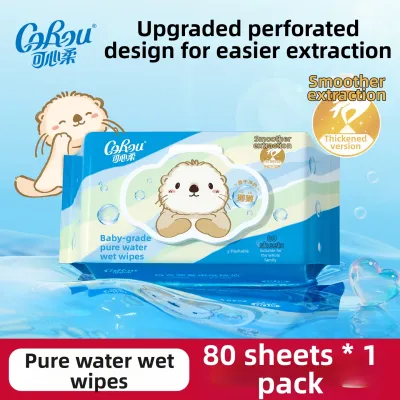
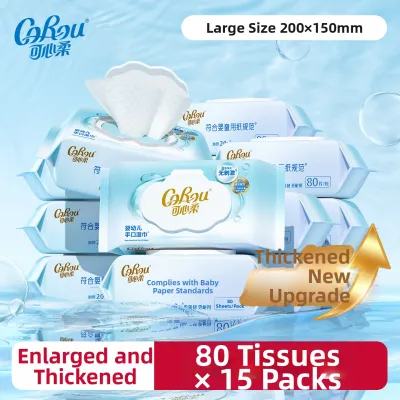
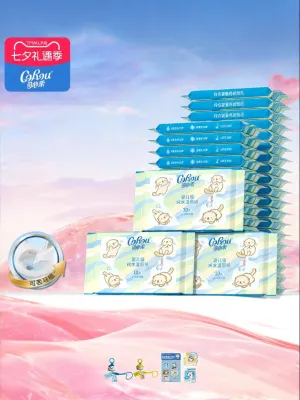
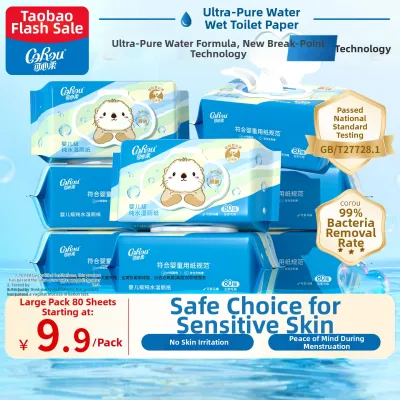


Prices are valid at publication and may change. Please refer to the product page for the latest price.
Key Ingredients to Check on Corou Wipe Packaging
Reading the ingredient list on the back of a baby wipe package is the most reliable way to protect your newborn’s skin barrier. Manufacturers frequently update their formulations, meaning a brand you trust today might introduce new botanical extracts or preservatives tomorrow. When examining a pack of Corou wipes, prioritize simple, transparent ingredient lists with minimal chemical additives.

Look for soothing, high-quality base ingredients that support skin hydration. Highly purified water—often listed as aqua—should ideally make up the vast majority of the formulation. Soothing botanical additives such as aloe vera (Aloe barbadensis leaf juice) or chamomile (Chamomilla recutita extract) can provide mild anti-inflammatory benefits, provided your baby does not have a specific allergy to these plants. Glycerin is another excellent ingredient to look for, as it acts as a humectant to draw moisture into the skin.
Conversely, you must actively scan the label to ensure the absence of known skin irritants. Avoid any wipes containing drying alcohols, such as isopropyl alcohol or ethanol, which strip natural lipids from the skin barrier. Parabens, used as preservatives, and phenoxyethanol can trigger contact dermatitis in highly sensitive infants. Synthetic fragrances or perfumes should be avoided entirely, as they are among the most common triggers for pediatric skin allergies.
If your baby has a documented history of skin reactions, keep a written list of those specific allergens handy. Cross-reference this list directly with the ingredients printed on the Corou packaging before purchasing. Remember that even natural or organic ingredients can occasionally cause localized reactions, so a short, clean ingredient list is always the safest starting point.
Understanding Safety Certifications and Labels
Product packaging is often covered in marketing claims designed to reassure parents, but understanding what these labels actually mean is crucial for making an informed decision. Terms like “dermatologically tested” or “hypoallergenic” are common, yet they carry specific limitations that parents should understand.
When a package states a product is “dermatologically tested,” it simply means a dermatologist oversaw a trial of the product on human subjects. It does not specify the size of the test group, the duration of the test, or whether the test subjects had sensitive skin. Similarly, “hypoallergenic” indicates that the ingredients were selected to minimize the risk of allergic reactions, but it is not a legal guarantee that your baby will not react to the product.
To gain more confidence, look for recognized independent safety marks and certifications on the packaging. These may include seals from established dermatological associations, pediatric alliances, or independent toxicological testing bodies. In warm, humid climates like Singapore, where sweat and friction can exacerbate skin irritation, choosing products with verified sensitive-skin endorsements is particularly beneficial.
Always keep in mind that certifications indicate general safety testing under controlled conditions. They cannot account for individual genetic sensitivities or unique skin microbiome profiles. A product can pass every clinical test and still cause a mild reaction in a highly sensitive newborn, which is why personal vigilance remains your best tool.
How to Safely Introduce Corou Wipes to Your Newborn
Before integrating any new wipe into your daily diapering routine, performing a systematic patch test is a highly effective way to prevent widespread skin irritation. This cautious approach allows you to identify potential sensitivities on a small, controlled area of your baby’s body.
To conduct a proper patch test, follow these steps:
- Select a small, clean, and healthy patch of skin on your baby's inner wrist or ankle.
- Take a fresh wipe from the pack and gently press it against this chosen area for a few seconds, ensuring the liquid transfer is clear.
- Do not wash or wipe the area afterward; let the moisture air-dry naturally.
- Monitor the test spot closely over the next 24 hours, keeping it clean and free of other topical products.
If the patch test yields no reaction, you can begin using the wipes on other less sensitive areas of the body, such as the hands or feet, before progressing to the highly sensitive diaper area or face. This gradual introduction helps your baby’s skin adapt to the new formulation.
Stop using the wipes immediately if you observe any signs of localized irritation during or after the testing period. Watch for redness, swelling, tiny raised bumps, a dry flaky patch, or signs of physical discomfort when the area is touched. If any of these symptoms appear, discard the pack and revert to water-based cleansing.
Best Practices for Wiping Sensitive Newborn Skin
How you clean your baby’s skin is just as important as the product you use. Improper wiping techniques can damage the delicate epidermal layer, leading to painful chafing and increasing the risk of diaper rash.
Always use gentle patting or dabbing motions rather than a dragging, rubbing motion. Rubbing creates friction, which can cause microscopic tears in the skin barrier. These micro-tears allow moisture, urine, and fecal enzymes to penetrate the deeper layers of the skin, triggering inflammation.
After cleansing, allow the skin to air-dry completely before putting on a fresh diaper. Trapping moisture inside a tight diaper creates a warm, humid environment that encourages bacterial and fungal growth. If you are in a hurry, gently pat the skin dry with a clean, soft, dry cotton cloth.
Once the skin is completely dry, apply a thin layer of a high-quality barrier cream. The correct sequence is crucial: wipe, dry, apply barrier cream, and then secure the diaper. The barrier cream acts as a physical shield, preventing acidic urine and feces from coming into direct contact with your newborn’s recovering skin.
When to Stop Using Wipes and Seek Professional Help
While mild skin redness can often be managed at home, parents must recognize when a skin reaction requires professional medical evaluation. Knowing the boundaries of home care ensures your baby receives prompt and appropriate treatment.
If your baby develops a persistent, bright red rash, weeping sores, bleeding, blisters, or a rash that spreads rapidly beyond the diaper area, stop using all commercial wipes immediately. These symptoms can indicate a severe allergic contact dermatitis or a secondary bacterial or fungal infection that requires targeted medical intervention.
During periods of mild irritation, temporarily suspend the use of all baby wipes. Instead, cleanse your baby’s diaper area using plain, lukewarm water and soft, single-use cotton wool pads. This simple adjustment eliminates all potential chemical exposure, allowing the skin barrier a chance to heal naturally.
Always consult a pediatrician or a pediatric dermatologist if a diaper rash does not improve after three days of stopping wipe usage, or if your baby shows signs of systemic distress, such as an unexplained fever or persistent crying during diaper changes. Professional guidance is essential for obtaining correct topical treatments, such as mild therapeutic ointments.
Frequently Asked Questions (FAQ)
Can I use Corou wipes on my newborn's face and hands?
You should always check the product packaging to confirm if the specific variant is approved for facial use. The skin on a newborn’s face is significantly thinner and more sensitive than the skin on their bottom or limbs. If the packaging does not explicitly state that the wipes are safe for the face and eyes, avoid using them in these areas and opt for a clean, damp washcloth instead.
Do Corou wipes expire, and is it safe to use them past the date?
Yes, baby wipes do expire, and you should never use them past their expiration date. Over time, the mild preservatives used in sensitive baby wipes degrade, losing their efficacy. Once these preservatives break down, the dark, moist environment inside the package becomes highly susceptible to bacterial and mold growth, which can cause severe skin infections on a newborn.
What should I do if my baby develops a rash after using these wipes?
If a rash develops, stop using the wipes immediately and cleanse the area gently with plain lukewarm water and a soft cotton pad. Pat the skin completely dry and apply a thin layer of a gentle barrier cream. Monitor the area closely; if the rash does not begin to clear within 24 to 48 hours, or if it causes your baby visible distress, consult your pediatrician.

Community discussion
Share your experience or ask a question. Comments are reviewed before publication.